Ljubljana Art & Architecture: Plečnik's Library, Laibach & Modern Culture
Explore Ljubljana's outsized cultural impact—Plečnik's extraordinary National Library where marble transitions from black to white as a metaphor for enlightenment, the world's best collection of NSK and Laibach art in the Modern Art Museum, Europe's oldest jazz festival, and a music scene that spawned Laibach and influenced industrial music globally.
- 1
Dragon Bridge & Plečnik's Ljubljana
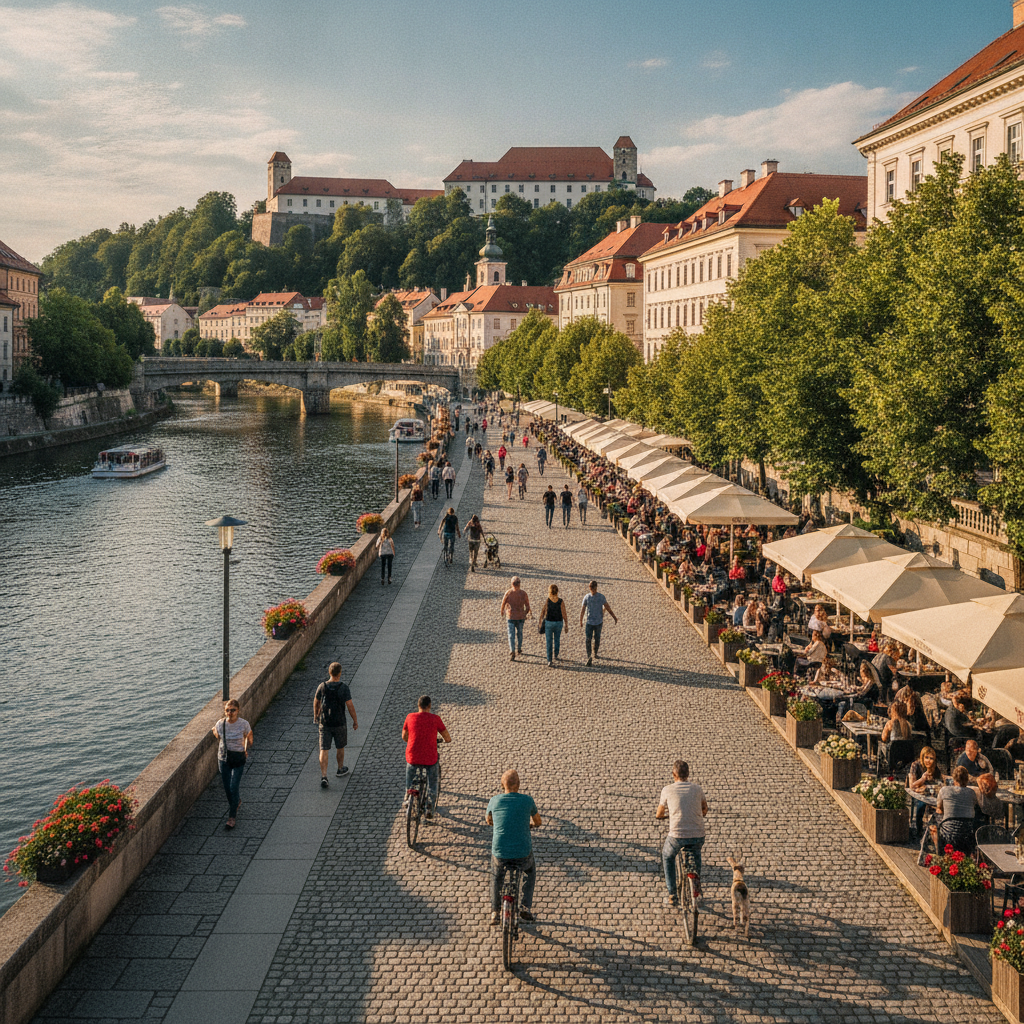
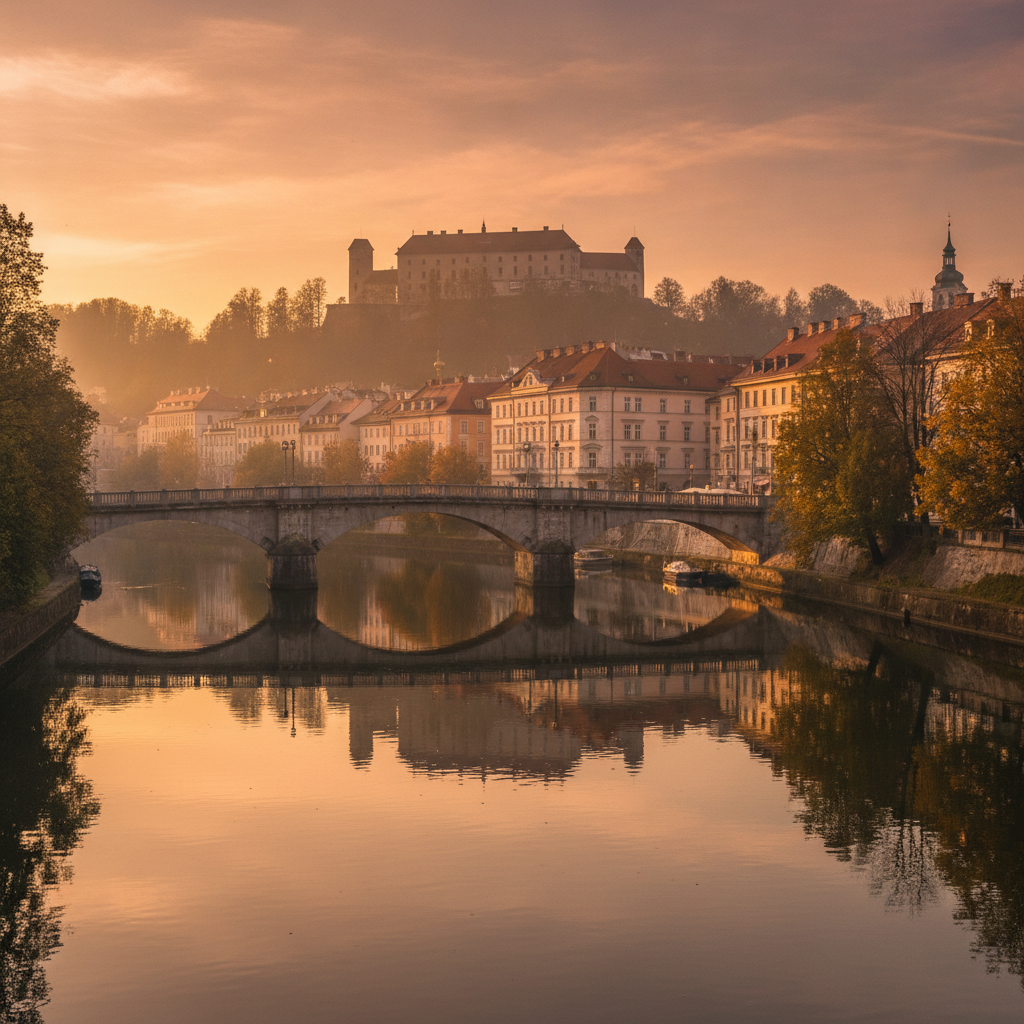
The Dragon Bridge (Zmajski most, 1901)—decorated with four copper dragons at its corners—is Ljubljana's oldest and most beloved bridge, built in the Viennese Secessionist style. The dragons have become the city's symbol; Ljubljana Castle also features four dragons. Plečnik's subsequent transformation of the city (1920–1950s) layered his own classical-modernist vision onto the existing Viennese fabric in a dialogue between two eras of urban design.
- 2
National & University Library
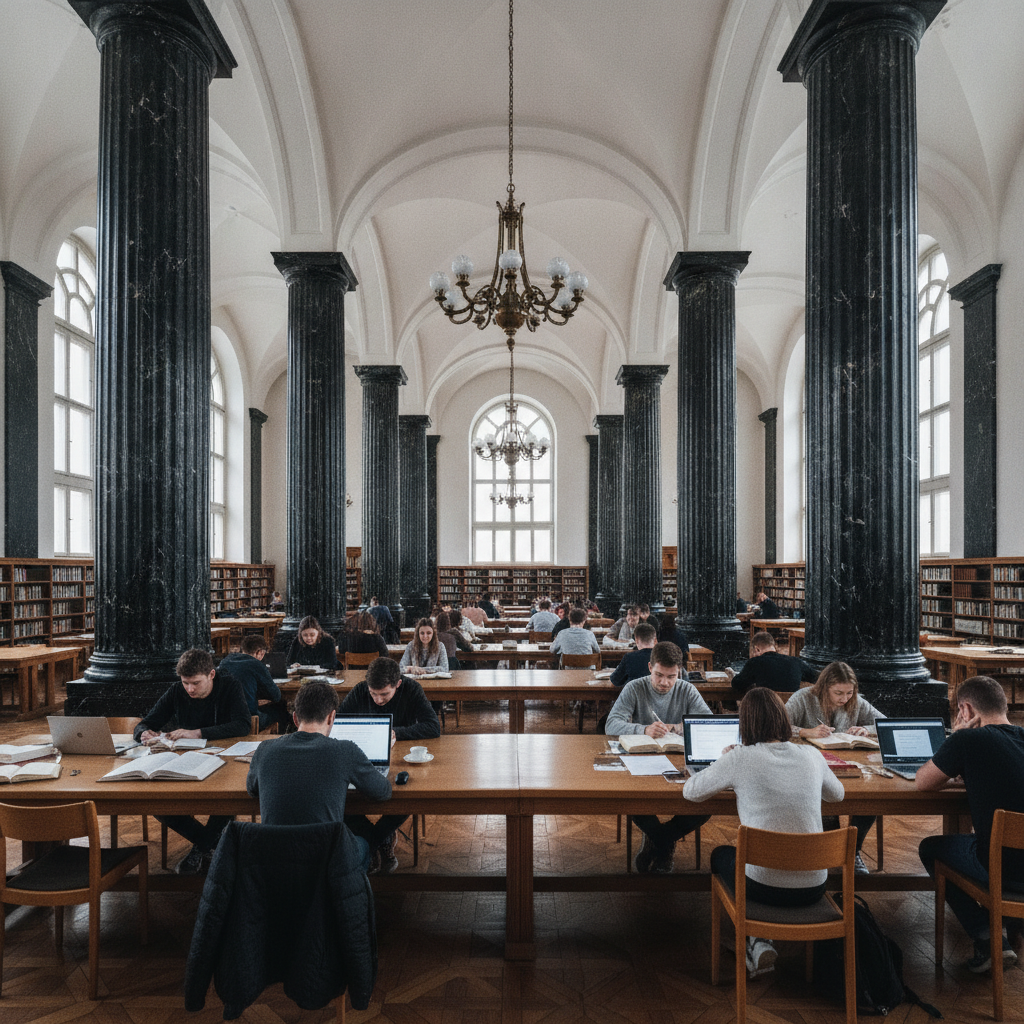
Plečnik's National and University Library (1941)—widely considered his masterpiece—is a building of extraordinary formal invention. The main reading room's columns are clad in black marble below and white above, representing the student's passage from darkness into light. The entrance hall's rough-hewn granite walls contrast with the polished marble interior. The reading room is open to the public; the sensation of working there is unlike any library in the world.
- 3
Museum of Modern Art & Metelkova
The Moderna Galerija (Museum of Modern Art) on Cankarjeva cesta houses an exceptional collection of Slovenian art from the early 20th century to the present—including the world's strongest collection of NSK (Neue Slowenische Kunst) and Laibach art, the provocative art-music-design collective that emerged from Ljubljana in 1980 and influenced industrial music globally. Metelkova's MSUM (Museum of Contemporary Art) houses international contemporary works.
- 4
Ethnographic Museum & Slovenian Identity
The Slovenian Ethnographic Museum near Metelkova holds the country's most important collection of folk art and material culture—textiles, ceramics, tools, and ritual objects from Slovenia's alpine villages, Karst plateau, and coastal communities. The collection documents the remarkable diversity of a tiny country (2 million people) whose terrain ranges from Alpine to Mediterranean, producing correspondingly diverse folk traditions.
- 5
Tivoli Park & City Green Spaces
Tivoli Park—Ljubljana's main urban park, laid out in 1813 and expanded through Plečnik's interventions in the 1930s—is a remarkably extensive green space beginning 10 minutes from the old town centre. The Tivoli Mansion houses the International Centre of Graphic Arts; the park's tree-lined allées, rose gardens, and pond are where Ljubljanians spend their weekend mornings. The park connects to Rožnik Hill with its pilgrimage church and forest trails.
- 6
Ljubljana's Music Scene – Laibach to Jazz
Ljubljana has a disproportionate influence on European music relative to its size. Laibach—the provocation-art collective formed in Trbovlje near Ljubljana in 1980—created industrial music and influenced Nine Inch Nails, Rammstein, and countless others. The Ljubljana Jazz Festival (June) is the oldest in Eastern Europe (founded 1960). Contemporary music venues include Kino Šiška (a converted cinema), Pritličje (folk-underground), and the summer outdoor concerts at Ljubljana Castle.
Walk this route with audio
Stories play automatically as you reach each stop — no tapping needed.
More in Ljubljana
Ljubljana on a Plate: Štruklji, Slovenian Wine & the Open Kitchen
Ljubljana Day Trips: Bled, Postojna Cave & the Adriatic at Piran
Ljubljana Essentials: Castle, Plečnik's Bridges & River Cafés
Ljubljana Identity: Independence, Triglav & Europe's Greenest Capital