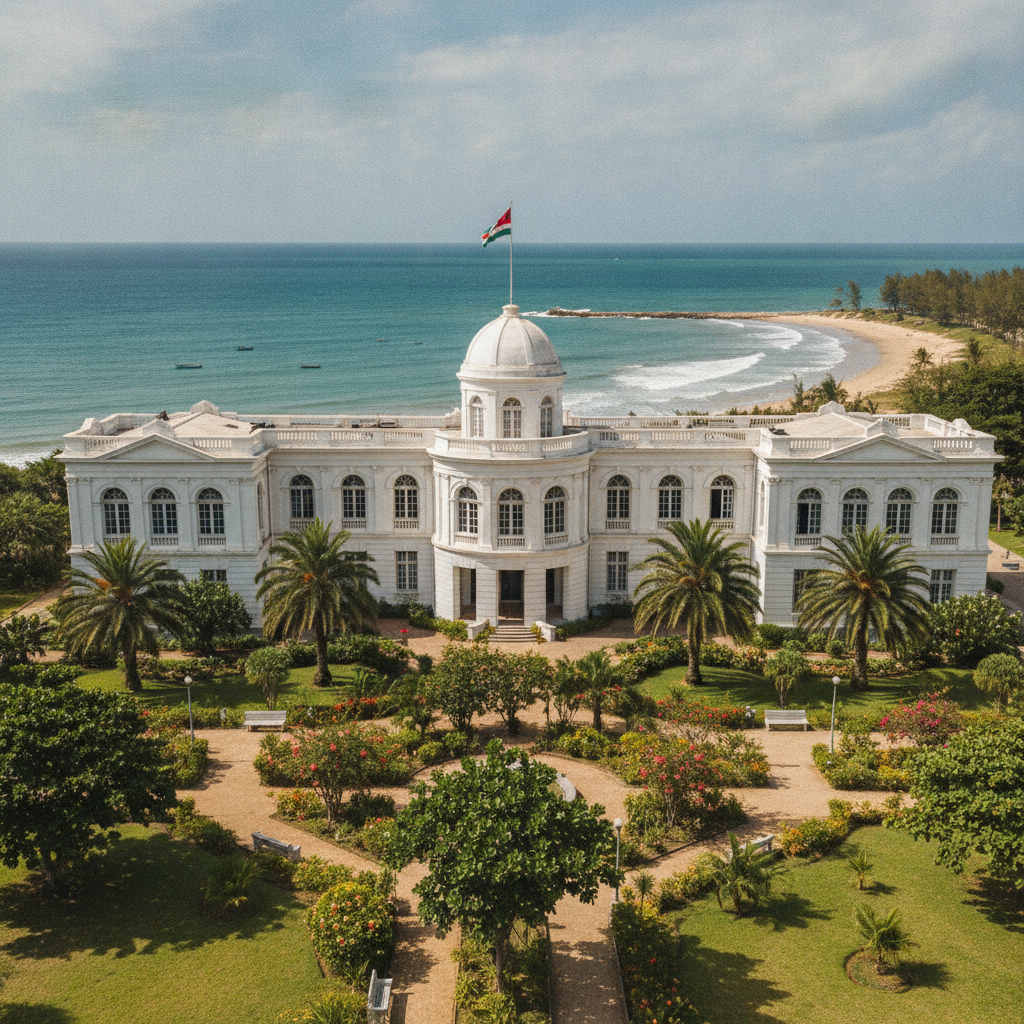
The Slave Coast: Aného, Togoville & Togo's Atlantic Heritage
The Togo coast was a key section of the Slave Coast — Aného and Togoville tell the story of the Atlantic slave trade, the German missionaries, and the colonial origins of modern Togo
- 1
Aného Colonial Capital
Togo's old capital under German administration — the crumbling German and French buildings along the lagoon remain, ghostly remnants of colonial ambition
- 2
Aného Slave Trade History
The lagoon behind Aného was a stop for enslaved people before going to the waiting ships – a history now marked by community-led memorials along the water
- 3
Togoville Royal Palace
The village of Togoville is where the German colonial treaty was signed with the Mlapa III king in 1884 — the royal palace and lakeside setting are worth the pirogue
- 4
Lake Togo Pirogue Crossing
A traditional pirogue crosses shallow Lake Togo to reach Togoville — the lake is sacred to the local Ewe community and hosts annual Voodoo ceremonies
- 5
Voodoo ceremony in Togoville
The annual voodoo procession on Lake Togo at Togoville is one of West Africa's most extraordinary spiritual spectacles — hundreds of pirogues and thousands of devotees
- 6
Memorial to Pope John Paul II
Pope John Paul II visited Togoville in 1985 to venerate the Virgin Mary - a dramatic lakeside chapel commemorates the visit in colorful ceramic tiles
Walk this route with audio
Stories play automatically as you reach each stop — no tapping needed.
More in Lomé
Togolese Cuisine: Akume, Grilled Fish & West African Flavours

Akodessewa Fetish Market: World's Largest Voodoo Market

Kpalimé: Togo's Mountain Town, Waterfalls & Butterfly Sanctuary
Lomé Beach: Atlantic Surf, Fishing Pirogues & Sunset Bars
Grand Marché & the Nana Benz Women Traders of Lomé