Lyon — the Lumière Brothers' Cinema, the Musée des Beaux-Arts, the Resistance Heritage, Street Art Murals & Day Trips
Lyon is where cinema was invented by the Lumière brothers; the Musée des Beaux-Arts holds France's greatest regional collection; the city was the WWII Resistance capital; the CitéCréation murals cover entire building facades; and the medieval village of Pérouges, the Roman ruins at Vienne, and the Beaujolais wine route are all within 35km.
- 1
The Lumière Brothers and the Invention of Cinema
Lyon cinema heritage (the Lyon cinema heritage — the most historically cinema-origin-significant single French city, the birthplace of cinema in Lyon by the Lumière brothers in 1895 the most specifically invention-birthplace single French cultural heritage claim): the Lumière Institute (the Institut Lumière at 25 rue du Premier Film — the most historically cinema-heritage-significant single museum in France, the former villa of Antoine Lumière (father of Auguste and Louis) the most specifically Lumière-family-residence-preserving single building in Lyon, the museum displaying the original Cinématographe camera (the invention of the moving image — the Cinématographe patent filed 13 February 1895 the most historically significant single patent in the history of visual media), the first public cinema screening on December 28, 1895 at the Grand Café in Paris using the Lumière Cinématographe the most historically consequential single public event in the history of cinema, the museum the most comprehensively cinema-origins-documenting single collection in any French museum, €7 adults), the first film (the first Lumière film 'La Sortie de l'Usine Lumière à Lyon' (Workers Leaving the Lumière Factory, 1895) — the most historically significant single motion picture film, shot in front of the Lumière factory in the Monplaisir neighbourhood, the most specifically cinema-birth-location-preserved single French heritage site, the original factory building visible from the Institut Lumière garden), the Lumière Festival (the Lumière Festival (Festival Lumière) in Lyon in October — the most historically cinema-heritage-focused single French film festival, the most internationally celebrity-attended single French festival after Cannes (the honorary Lumière Award the most specifically lifetime-career-cinema-appreciation single French film award), the screenings in the Pathé Bellecour and the Halle Tony Garnier the most atmospherically diverse single French festival screening venue combination, the most Lyon-cinema-heritage-celebrating single annual event), the Monplaisir (the Monplaisir neighbourhood in the 8th arrondissement of Lyon — the most specifically cinema-birthplace-heritage single Lyon neighbourhood, the Institut Lumière and the former factory on the rue du Premier Film the most historically cinema-origin-precisely-located single French urban heritage address, the most directly 'where cinema was invented' single address in any world city) and the Grand Lyon Film School (the Institut Lumière film school — the most specifically cinema-heritage-rooted single French film education institution, the Lumière legacy the most specific institutional heritage of any French film school).
- 2
The Musée des Beaux-Arts — One of France's Greatest Museums
Musée des Beaux-Arts de Lyon (the Musée des Beaux-Arts de Lyon at 20 Place des Terreaux — the most comprehensively French-and-European painting-and-sculpture-collecting single French city museum outside Paris, the most complete single fine art survey collection in any French city after the Paris national museums): the Egyptian collection (the Egyptian antiquities at the Musée des Beaux-Arts — the most important single non-Paris collection of ancient Egyptian art in France, the 3,000 objects including the sarcophagi, the mummies, and the relief carvings the most comprehensively Egyptian-funerary-heritage-spanning single French regional museum Egyptian department, the polychrome cartonnage sarcophagus the most visually spectacular single Egyptian object in the collection), the French painting (the French painting collection at the Musée des Beaux-Arts — the most comprehensively French-school-painting-surveying single regional French museum, the Lyon school of painting (école lyonnaise — the 17th-century Flemish-influenced Lyon painters the most specifically locally-rooted single French regional school) the most specifically Lyon-painting-tradition-representing single collection in any Lyon museum, the Delacroix, the Courbet, and the Géricault the most internationally recognised single French Romantic paintings in the collection), the Flemish and Dutch masters (the Flemish and Dutch painting collection at the Musée des Beaux-Arts — the Rubens, the Rembrandt, and the Hals the 3 most internationally art-historically significant single Northern European paintings in the collection, the most comprehensively 17th-century-Dutch-and-Flemish single painting survey in any French regional museum), the sculpture court (the sculpture court (cour des hospices) at the Musée des Beaux-Arts — the most atmospherically cloister-courtyard-positioned single sculpture display in any French regional museum, the Rodin bronzes and the 19th-century French sculpture the most comprehensively 19th-century-French-sculpture-surveying single outdoor-indoor hybrid display in a French regional museum), the Impressionists (the Impressionist collection at the Musée des Beaux-Arts — the Renoir, the Monet, and the Sisley the 3 most internationally Impressionist-recognised single paintings in the collection, the most comprehensively Impressionist-survey-formatted single French regional museum Impressionist display, €12 adults free first Sunday of each month) and the Japanese collection (the Japanese art collection at the Musée des Beaux-Arts — the most comprehensively Japanese-decorative-arts and Japanese-print-collecting single French regional museum department, the Lyon-Japan silk connection (the Lyon silk industry drew heavily on Japanese textile patterns in the 19th century) the most historically trade-connection-specific single institutional basis for any French regional museum's Asian art collection).
- 3
The Presqu'île's 19th-Century Architecture
Lyon Presqu'île architecture (the Presqu'île architectural heritage — the most comprehensively Haussmannian and Second-Empire urban-planned single French city centre outside Paris, the 19th-century restructuring of the Lyon Presqu'île the most ambitious single urban transformation in the French provinces): the Perrache complex (the Perrache station and the Cours de Verdun — the most divisive single urban infrastructure in Lyon, the elevated motorway (Autoroute A7) built through the southern Presqu'île in 1971 the most damaging single urban infrastructure decision in modern Lyon's history, the Perrache interchange the most comprehensively pedestrian-hostile single area in the Presqu'île, the current urban regeneration the most ambitiously post-motorway-repair single French urban reclamation project), the rue de la République (the rue de la République — the most uniformly Second-Empire-facade-aligned single pedestrian shopping street in France outside the rue de Rivoli, the Préfet Vaïsse's 1853 urban renewal the most specifically Lyon-Haussmannism-executed single 19th-century urban restructuring, the continuous limestone facades the most architecturally uniformly Second-Empire-composed single French pedestrian street in the regions), the Cours Gambetta (the cours Gambetta in the 3rd arrondissement — the most comprehensively 19th-century-bourgeois-apartment-building-preserving single Lyon boulevard, the Lyon school of interior courtyard architecture (the 'traboule' principle extended into the 19th century) the most specifically Lyonnais single residential architectural tradition continued into the urban boulevard form), the Brotteaux district (the Brotteaux district in the 6th arrondissement — the most comprehensively Belle Époque single residential district in Lyon, the boulevards of the 6th arrondissement the most elegant single 1900-1914 luxury apartment boulevard sequence in any French city outside Paris, the most atmospherically early-20th-century-bourgeois-residential single Lyon neighbourhood), the Parc de la Tête d'Or (the Parc de la Tête d'Or at the north end of the boulevard des Belges — the most comprehensively English-landscape-park-designed single French city park outside Paris at 117 hectares, the most visited single public park in Lyon, the rose gardens the most extensively planted single municipal rose collection in France, the zoo (free admission) the most visited single free zoo in any French city) and the quais de Saône (the quais de Saône promenade — the most atmospherically riverside-restaurant-lined single Lyon waterfront, the guinguettes (riverside open-air restaurants) on the left Saône bank the most specifically Lyonnais single riverside dining tradition, the most popular single summer evening outdoor dining and drinking area in Lyon).
- 4
The Lyon Resistance Heritage
Lyon Resistance heritage (the Lyon Résistance heritage — the most historically significant single French city in the history of the French Resistance during the German Occupation, Lyon the 'capital of the Resistance' (capitale de la Résistance) from 1940 to 1944, the most comprehensively Resistance-movement-organising single French city in WWII): the Centre d'Histoire de la Résistance (the Centre d'Histoire de la Résistance et de la Déportation (CHRD) at 14 avenue Berthelot — the most comprehensively Resistance and Deportation history documenting single museum in France outside Paris, the building itself the former headquarters of the Lyon Gestapo and Milice the most historically sinister single building in the Lyon Resistance heritage, the museum exhibits including the testimonies of the Lyon Resistance fighters and the deportation statistics the most specifically Lyon-Resistance-identity-defining single French museum, €8 adults), the Klaus Barbie trial (the Klaus Barbie 'Lyon Butcher' trial in 1987 — the most historically internationally consequential single French war crimes trial, Barbie the Gestapo chief in Lyon 1942-1944 responsible for the deportation of 7,500 Jews and the torture and execution of Resistance fighters including Jean Moulin, the trial the first trial in French legal history for crimes against humanity, the most historically legally precedent-setting single French criminal proceeding), the Jean Moulin (Jean Moulin — the most heroic single figure in the French Resistance, the prefect of Eure-et-Loir who became de Gaulle's representative in France and the unifier of the Resistance movements, arrested in Lyon at Caluire-et-Cuire in June 1943 and tortured to death by Barbie, the most specifically Lyon-Resistance-martyrdom-associated single French Resistance figure), the Gestapo sites (the former Gestapo sites in Lyon — the École de Santé Militaire (now the CHRD) and the prison of Montluc the 2 most specifically Resistance-torture-heritage-associated single buildings in Lyon, the Montluc prison memorial the most specifically deportation-commemoration-focused single Lyon memorial site) and the Lyon Resistance traboules (the use of the Croix-Rousse traboules by the Resistance — the most dramatically historically consequential single use of a specific architectural feature in French WWII history, the traboules allowing the Resistance fighters to evade the Gestapo through the interconnected passageways, the most specifically Resistance-heritage-associated single architectural element in any French city).
- 5
The Lyon Street Art and Urban Culture
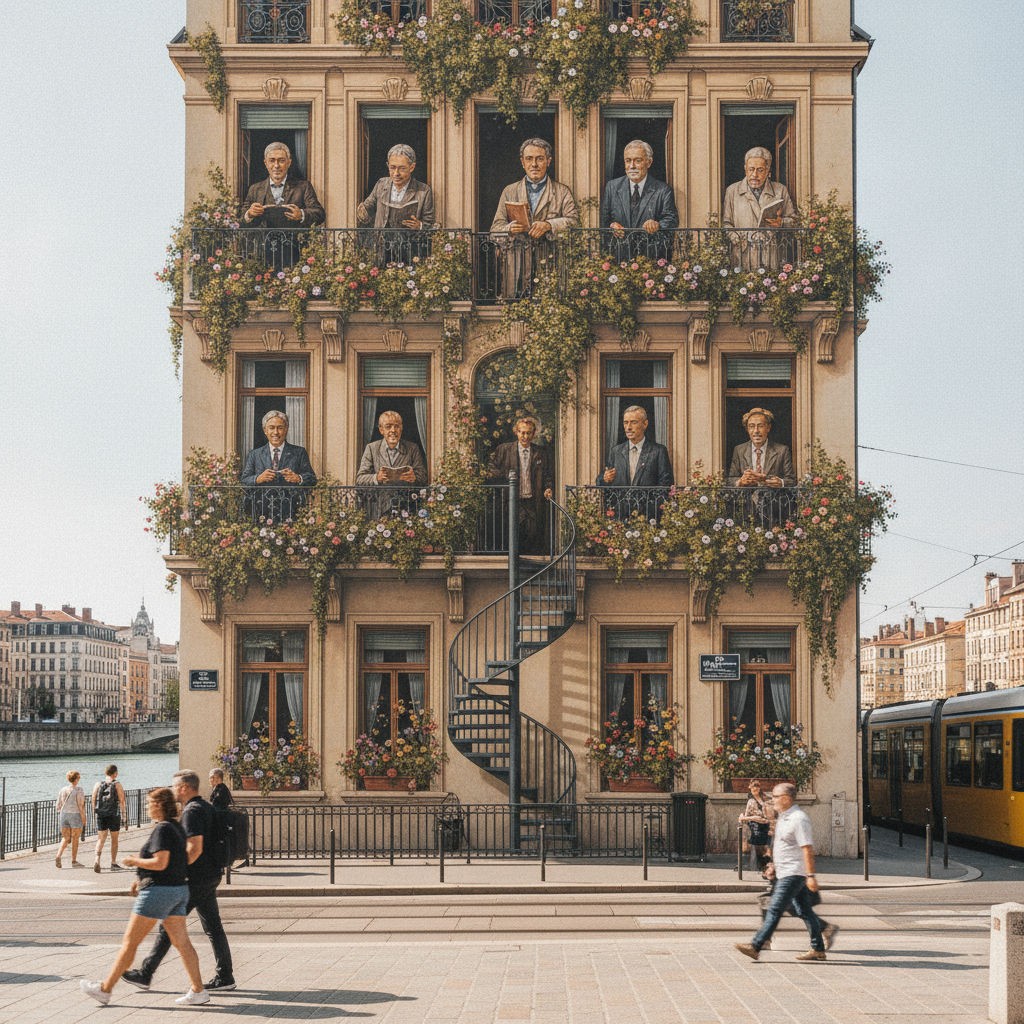
Lyon street art (the Lyon street art scene — the most internationally recognised single French city for painted façade murals after Paris, the CitéCréation collective the most prolific single mural-painting organisation in France): the CitéCréation (the CitéCréation collective — the Lyon-based mural painting cooperative founded 1978, the most internationally prolific single French mural painting organisation, the CitéCréation murals in Lyon the most comprehensively city-scale single trompe l'oeil mural programme in any French city, the Fresque des Lyonnais at the corner of rue de la Martinière and quai Saint-Vincent the most ambitious single Lyonnais mural: the 25-metre trompe l'oeil building facade depicting 30 famous Lyonnais from Guignol to Paul Bocuse to the Lumière brothers, the most specifically Lyon-cultural-identity-illustrating single public artwork), the Fresque des Lyonnais (the Fresque des Lyonnais — the most internationally photographed single trompe l'oeil mural in France, the 25m × 13m painted building facade the most dimensionally large single painted French city mural, the fictional windows, balconies, and staircases with the famous Lyonnais figures looking out the most specifically 'city's famous inhabitants' themed single public mural in any French city), the Lyon wall painting programme (the Lyon wall painting programme — the most comprehensively city-wide-mural-commissioning single French city programme, the 150+ large-format murals across the Lyon arrondissements the most numerous single French city trompe l'oeil mural collection, the most geographically widely distributed single French city public art programme), the Rue Mercière graffiti (the Rue Mercière and the Terreaux neighbourhood urban art — the most comprehensively independent-street-art-accumulated single Lyon neighbourhood, the tagged and stickered walls the most authentic single urban graffiti accumulation in the Lyon centre), the Pentes de la Croix-Rousse street art (the Pentes (Slopes) de la Croix-Rousse street art murals — the most comprehensively social-commentary single French city mural programme, the Canut and the silk worker heritage murals the most historically specific single Lyon street art programme, the political murals on the slopes the most directly contemporary-French-progressive-politics-illustrating single urban art in Lyon) and the Lyon Design Biennale (the Biennale Internationale Design Saint-Étienne accessible from Lyon in 30 minutes by TGV — the most internationally design-exhibition-programme-respected single French regional design event, the Saint-Étienne Cité du Design the most comprehensively design-education-and-exhibition-institution single French city design centre outside Paris).
- 6
Day Trips from Lyon — Pérouges, the Beaujolais and Vienne
Lyon day trips (the most rewarding day trip destinations from Lyon — the most strategically positioned single French city for medieval-village, wine-country, and Roman-heritage day excursions): the Pérouges (the Pérouges medieval village 35km northeast of Lyon — the most completely preserved single medieval fortified village in the Ain department, the stone houses and the cobbled streets the most cinematographically medieval single French village (used as the filming location for the Three Musketeers film adaptations), the galette de Pérouges (the sugar and butter flat tart) the most specifically Pérouges single artisan food, the most atmospherically medieval single half-day excursion from Lyon by car), the Beaujolais wine route (the Beaujolais wine route north of Lyon — the Route des Vins from the southern Beaujolais (Brouilly) to the northern Beaujolais (Moulin-à-Vent) the most specifically wine-terroir-instructive single French wine route accessible from Lyon, the 10 Beaujolais crus villages the most topographically pink-granite-rolling-hills single wine landscape accessible from Lyon, the most efficiently driven single wine country excursion from any French Rhône-Alpes city), the Vienne Roman heritage (the Vienne town 30km south — the most completely Roman-ruins-and-theatre-preserving single French city after Nîmes and Arles, the Temple d'Auguste et de Livie the most completely intact single Roman temple in France, the Roman theatre the stage for the Jazz à Vienne festival, the Vienne Saint-Maurice Cathedral the most comprehensively Gothic-Romanesque-architecturally-transitional single church in the Rhône valley, direct train from Lyon Perrache in 25 minutes), the Brou Church (the Brou church at Bourg-en-Bresse 75km northeast — the most elaborately Flamboyant Gothic single church in France, the tombs of Philibert le Beau and Marguerite d'Autriche the most comprehensively carved single pair of royal funerary monuments in the Burgundian-Flemish tradition outside Belgium), the Saint-Étienne design (the Saint-Étienne Cité du Design 60km southwest — the most internationally design-exhibition-respected single French regional design institution, the Biennale Internationale Design the most specifically design-community-attended single French regional event, direct TGV from Lyon Part-Dieu in 30 minutes) and the Gorges du Rhône (the Gorges du Rhône south of Vienne — the most dramatically river-gorge-enclosed single Rhône valley section accessible from Lyon as a day trip, the Ardèche gorge accessible from Valence (60 minutes south by TGV) the most spectacularly limestone-cliff-enclosed single French river gorge, the kayaking and the camping on the Ardèche the most adventurously outdoor single Lyon day excursion).
Walk this route with audio
Stories play automatically as you reach each stop — no tapping needed.
More in lyon
Lyon — the Halles Paul Bocuse, Confluence Architecture, Silk Museum, Part-Dieu, Jazz à Vienne & Beaujolais Wine
Lyon — Christmas Season, the Renaissance Silk Merchants' Mansions, Family Visits, the Saône Quarter, Culinary Schools & the Roman Lugdunum
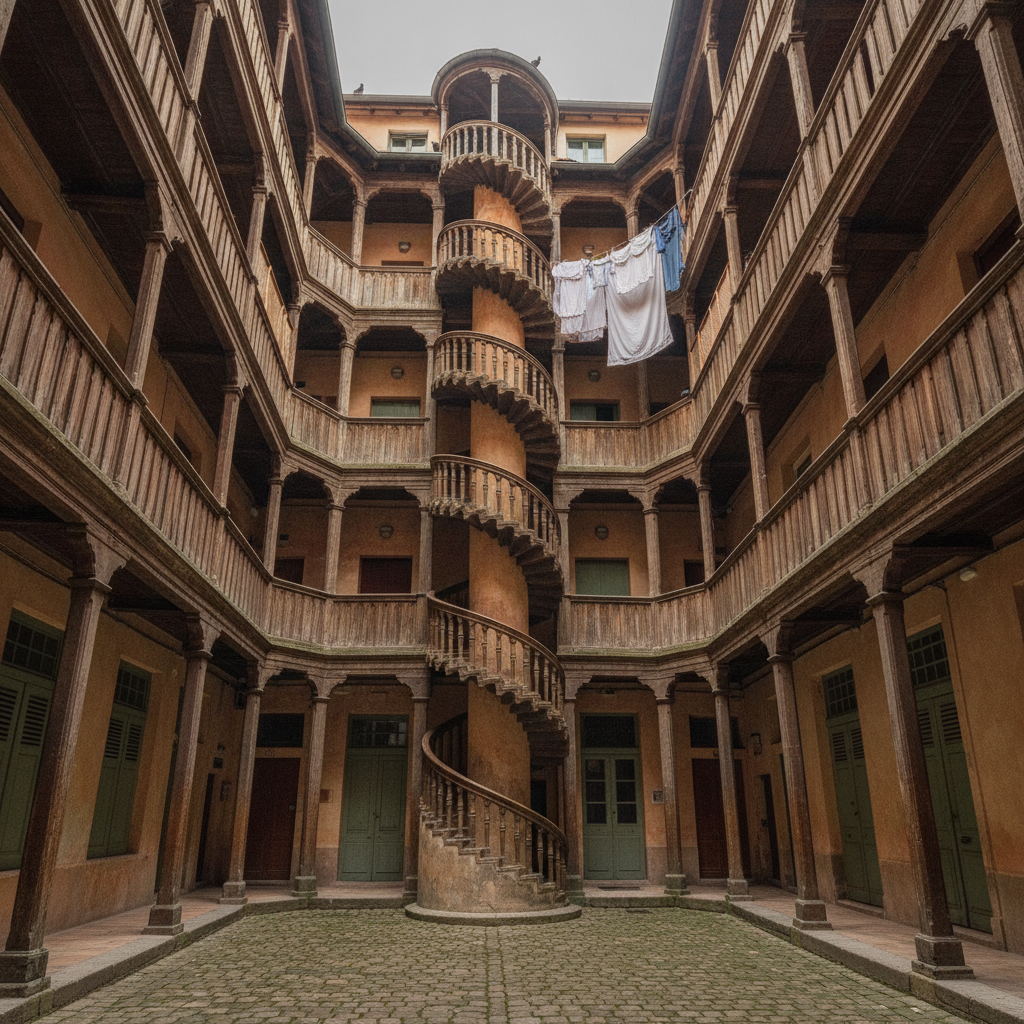
Lyon — the Parc de la Tête d'Or, Traboules in Depth, Guignol Puppets, Starred Restaurants, Printing Heritage & Neighbourhoods
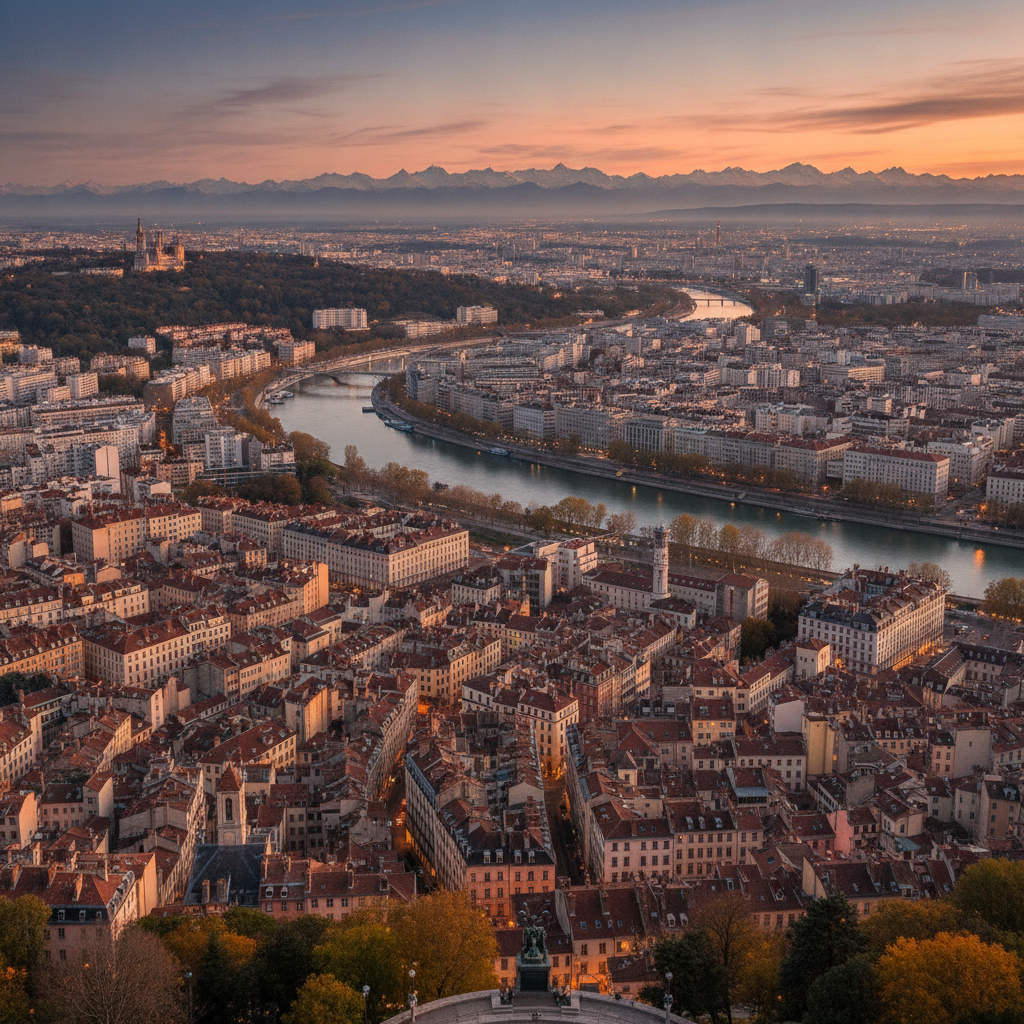
Lyon — Vieux-Lyon, the Fourvière Hill & Roman Ruins, the Presqu'île, Bouchons, the Silk Workers' Croix-Rousse