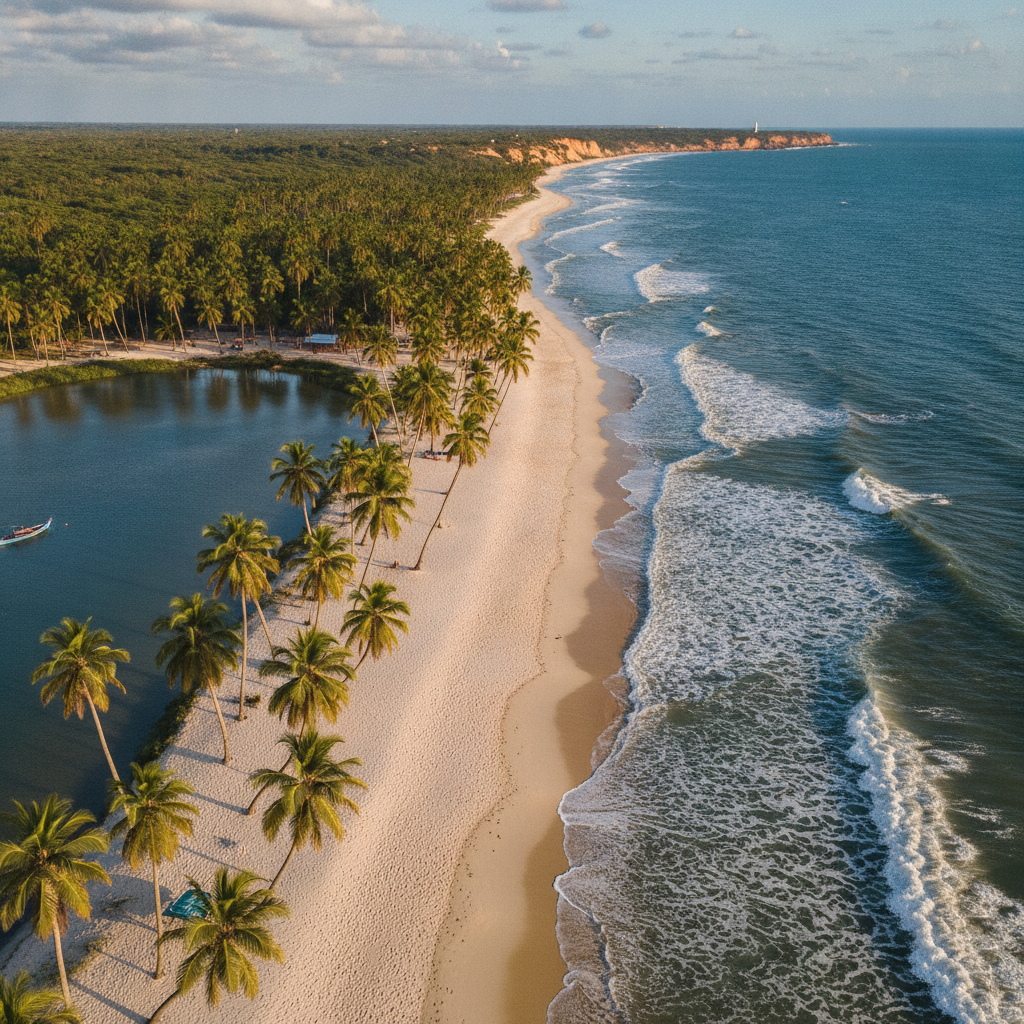
Alagoas Sugar History: Engenhos, Slavery & Colonial Economy
Alagoas was the heart of Brazil's sugar economy from the 16th century — the engenho sugar mills, the slave labour that powered them, and the planation society they created shaped everything that followed
- 1
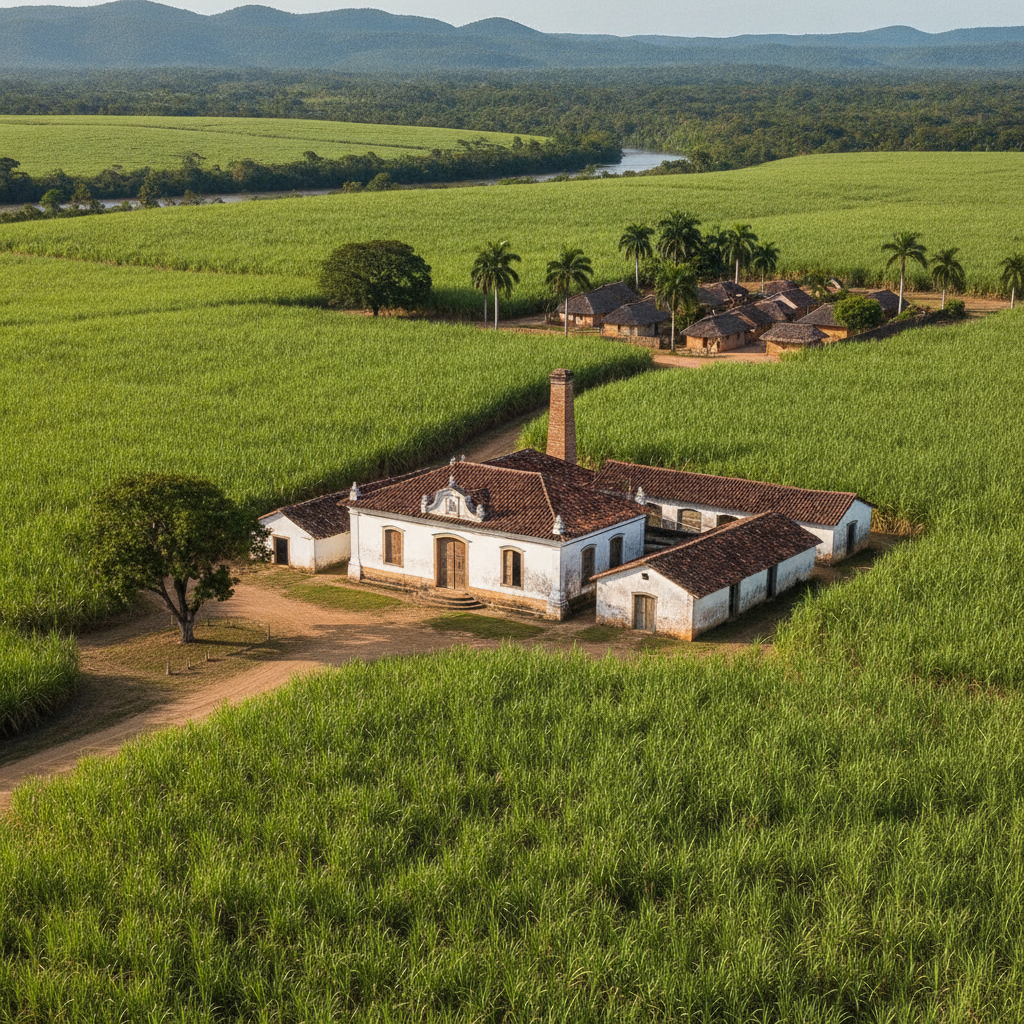
Colonial Sugar Engenhos
The colonial sugar mills (engenhos) that produced Brazil's most valuable export for two centuries were concentrated in Alagoas - the ruins of several are preserved; the extent of the sugar business shaped the entire coastal landscape
- 2
Slavery and Alagoa's Economy
Alagoas received hundreds of thousands of enslaved Africans to work the sugarcane fields — the legacy of this forced migration is visible in the state's African-influenced food, religion, music, and communities descended from survivors
- 3
Alagoas Sugar Today
The modern sugar cane industry of Alagoas – now focused on ethanol as well as sugar – continues to dominate the coastal zone; the social structure of the plantation era, with its inequality, remains in transformed form
- 4
Museu do Instituto Histórico
The Instituto Histórico e Geográfico in Maceió has colonial documents, maps and objects from the sugar era — the archive of Alagoa's plantation history is an important research collection
- 5
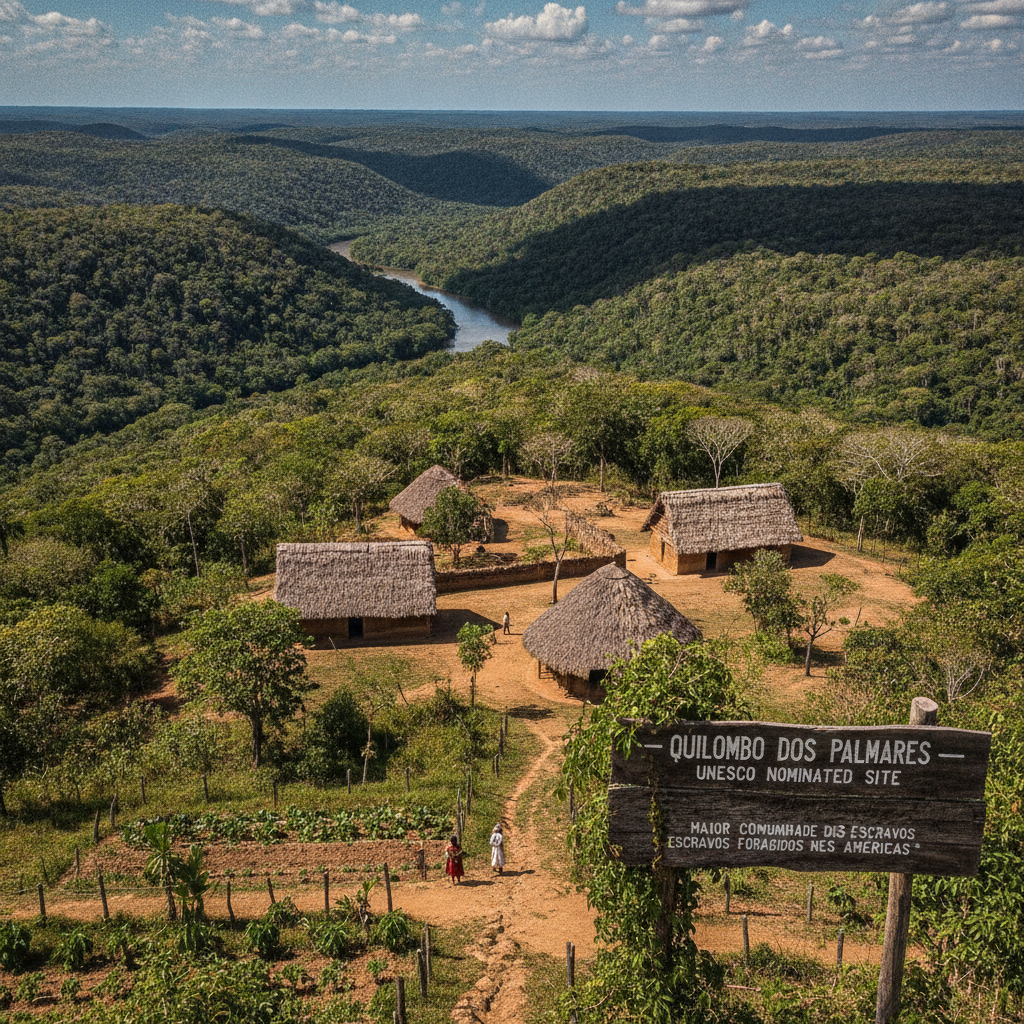
Palmares and sugar resistance
Quilombo dos Palmares arose directly from the sugar plantation system - the proximity of the quilombo to the sugar-producing zone was not a coincidence; the resistance community fed on the labor force's desire for freedom
- 6
São Francisco Valley Rural Culture
The São Francisco River Valley - the inland equivalent of the coastal sugar belt - has its own rural culture of cattle, sertanejo music and the vaqueiro cowboy tradition; the river is the cultural divide between the coast and the sertão
Walk this route with audio
Stories play automatically as you reach each stop — no tapping needed.
More in Maceió
Quilombo dos Palmares: The Greatest Slave Resistance in History
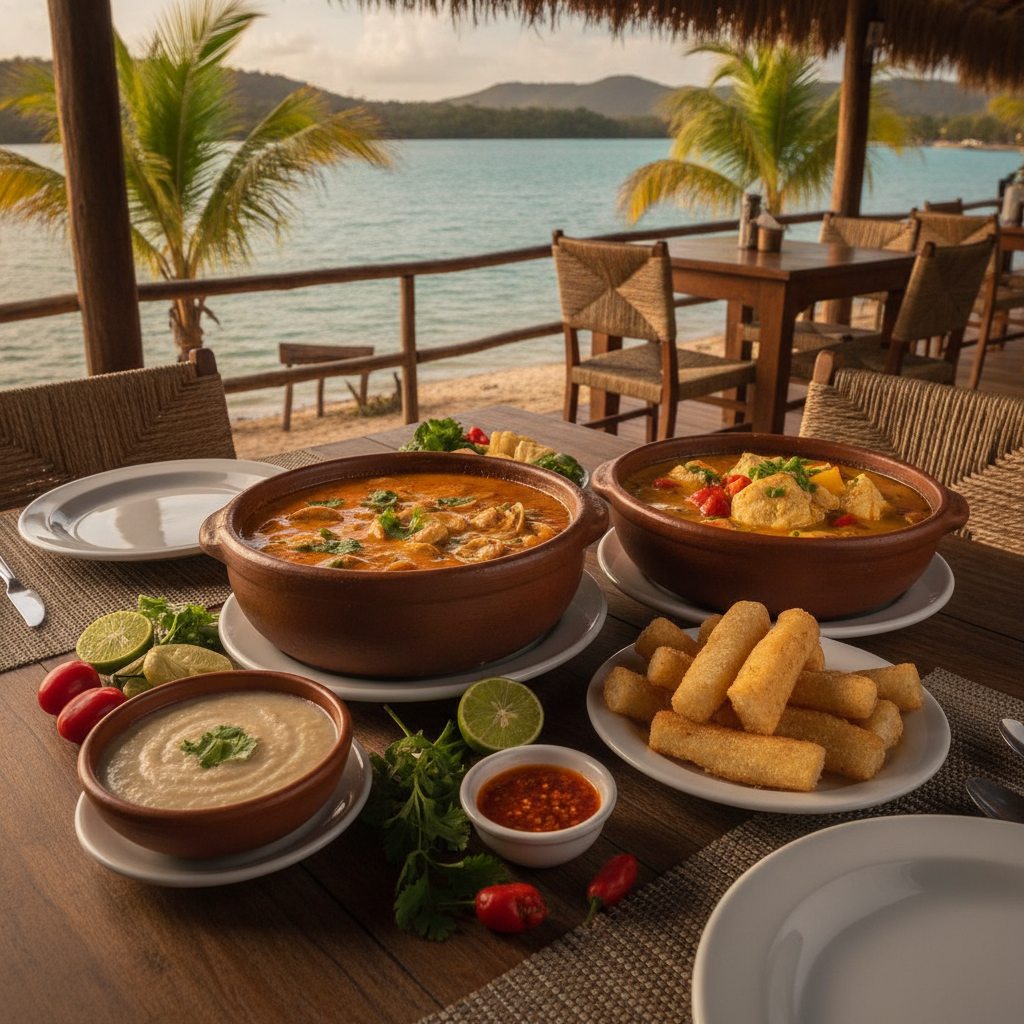
Maceió Food: Sururu, Moqueca & Alagoas Coastal Cuisine
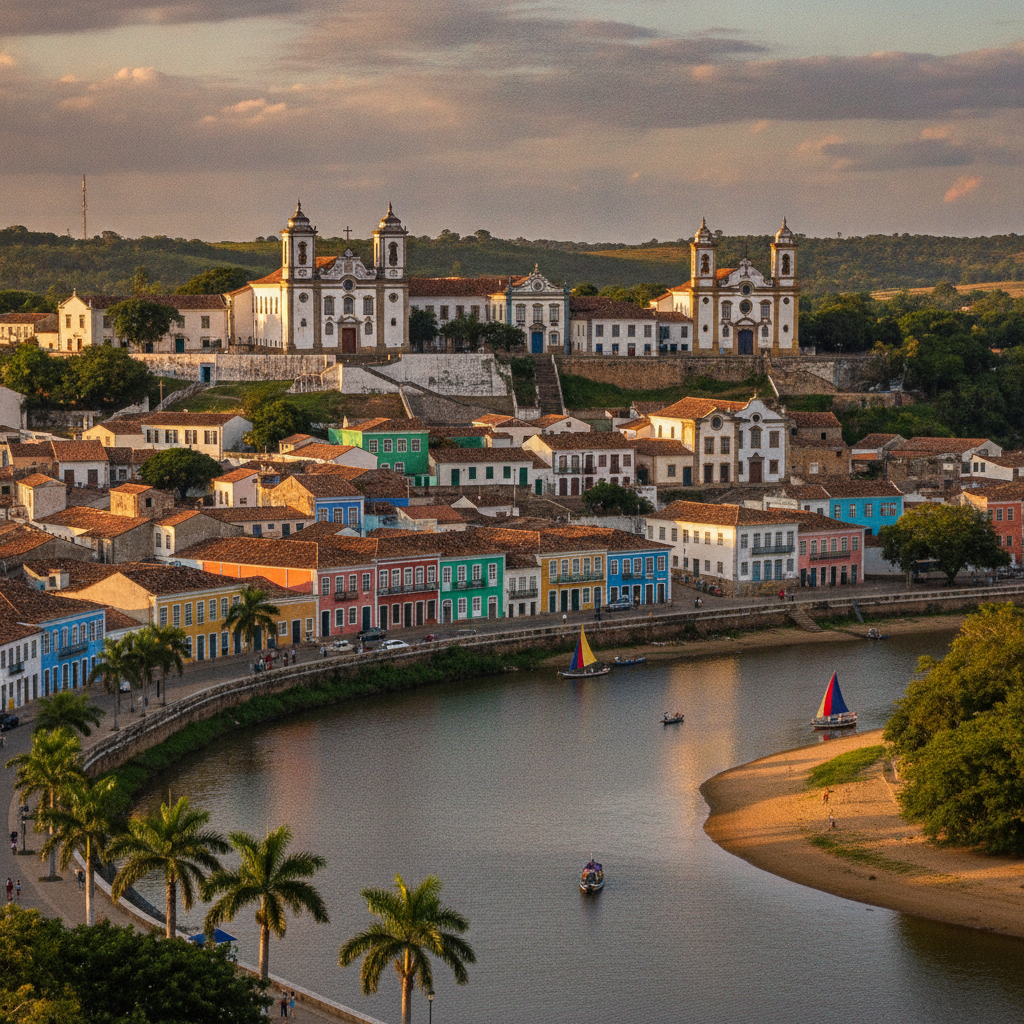
Penedo: Alagoas's Colonial Baroque Gem on the São Francisco
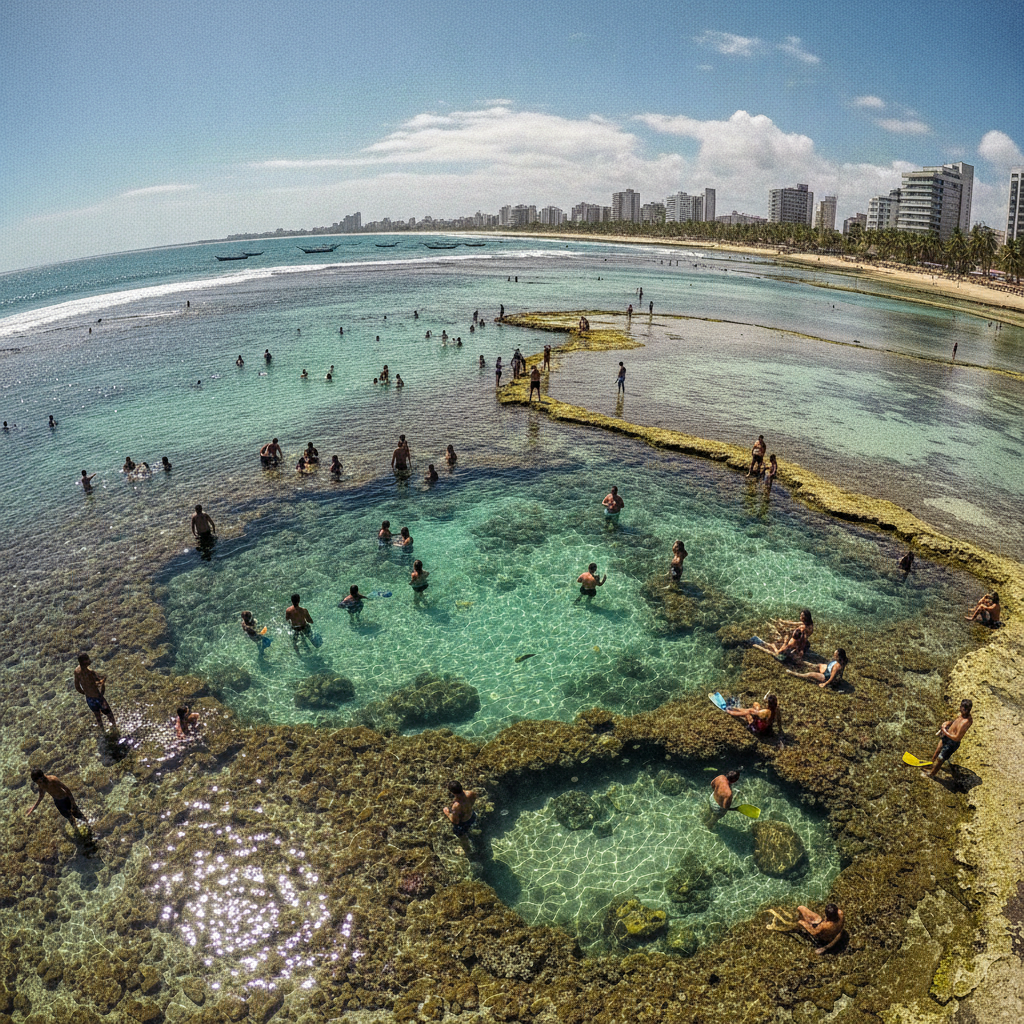
Maceió Natural Pools: Brazil's Most Beautiful Coral Reef Swimming
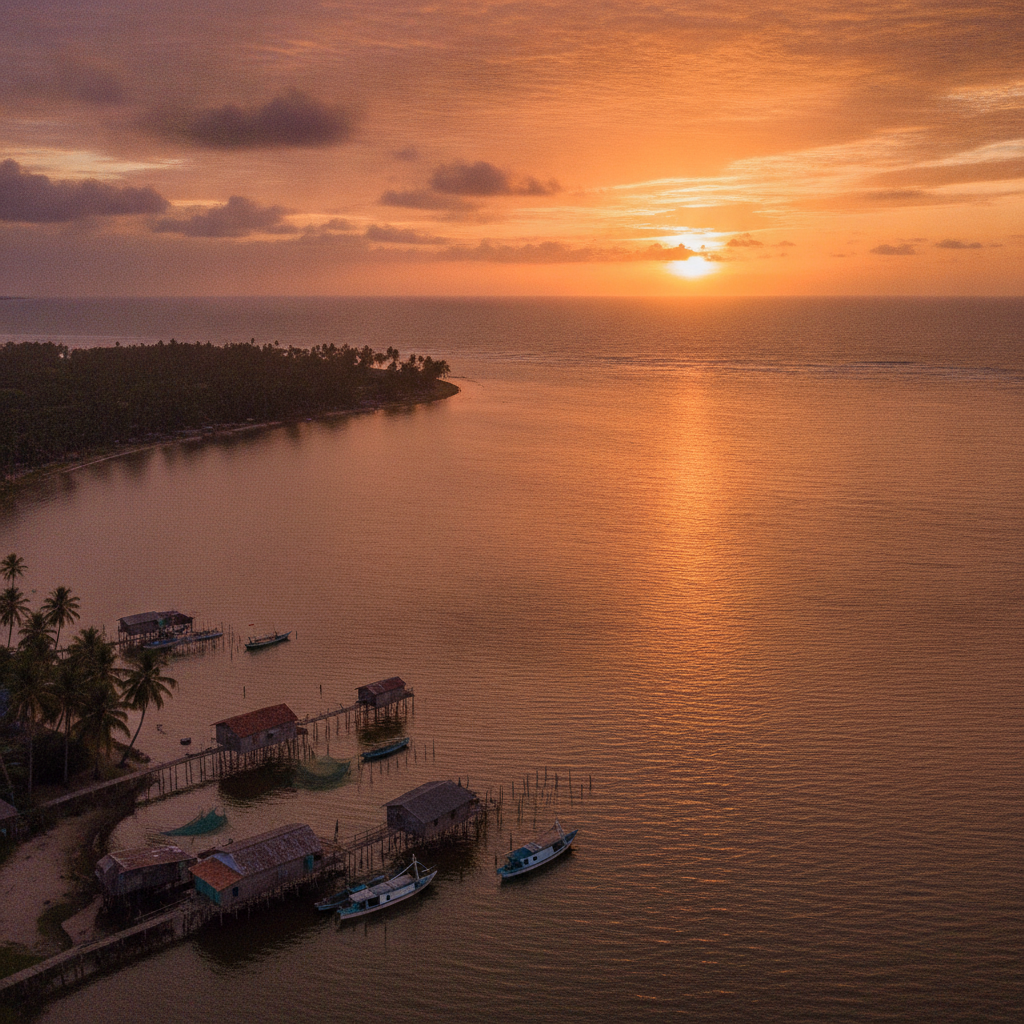
Lagoa Mundaú: Maceió's Magical Lagoon Between Sea and City