Machu Picchu Approaches: Inca Trail, Salkantay, and the Train Route
The approach to Machu Picchu is almost as famous as the destination itself, with the four-day Inca Trail trek finishing through the Sun Gate at dawn the most celebrated arrival sequence in adventure travel. But the Inca Trail is only one of several approaches, and for travelers who cannot obtain Inca Trail permits, lack the fitness for the trek, or prefer different landscapes, the Salkantay, Lares, and Choquequirao routes provide equally rewarding multi-day approaches. The train from Ollantaytambo through the Urubamba gorge is the standard non-trekking arrival, and the Hidroelectrica station walk provides a budget alternative. This route covers all the ways to reach one of the most visited places on earth.
- 1
The Classic Inca Trail: Four Days, Three Passes, One Sunrise
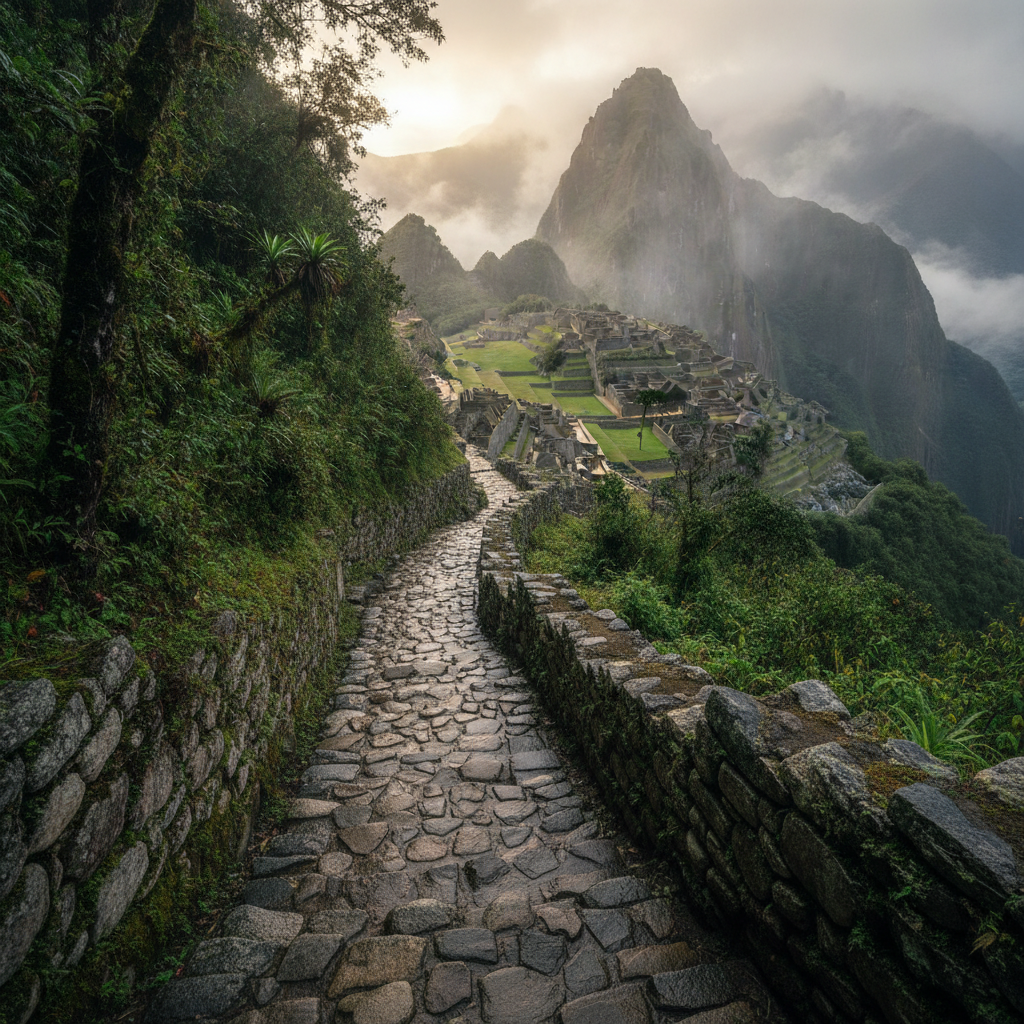
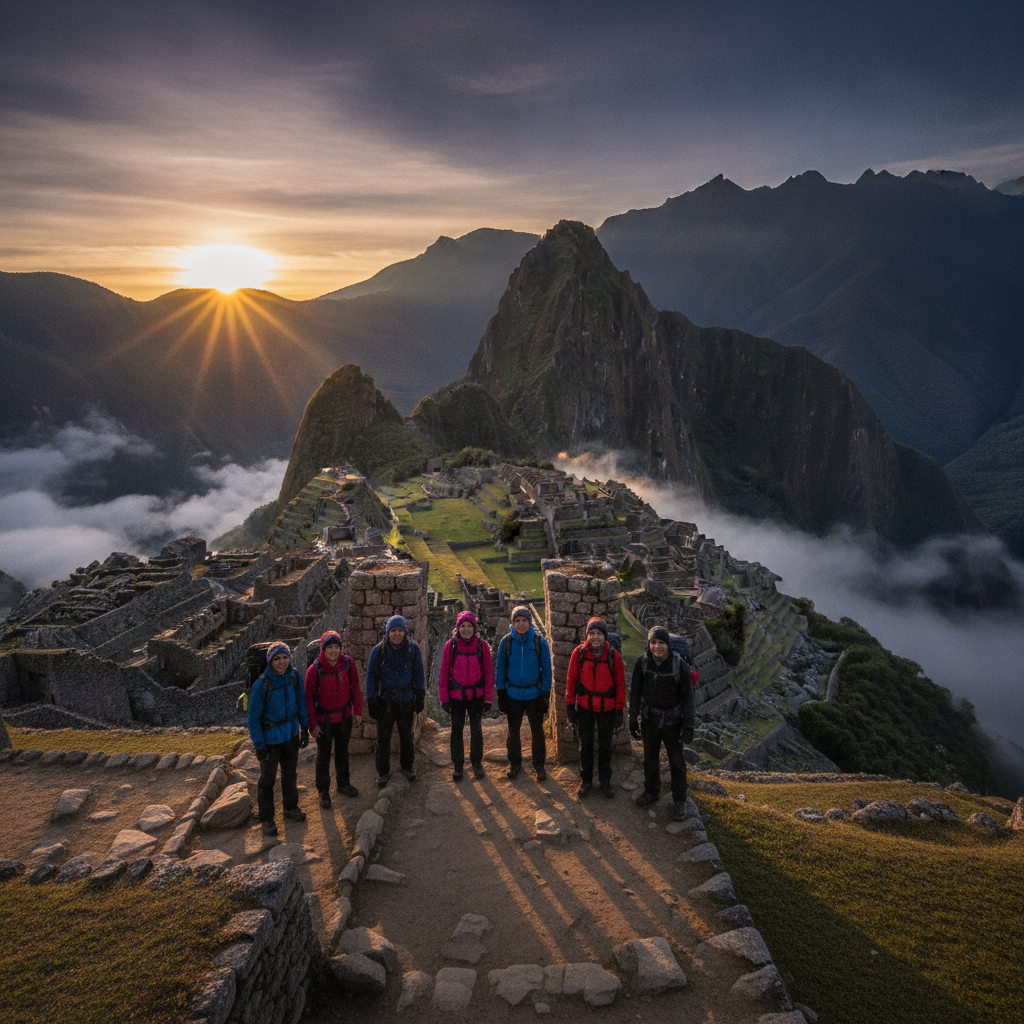
The classic Inca Trail begins at kilometer 82 on the railway line near Ollantaytambo and follows 43 kilometers of original Inca stone paving through three high mountain passes to the Sun Gate above Machu Picchu. The highest point, Dead Woman Pass at 4,215 meters, is crossed on day two; most trekkers find day two the most physically demanding. Day three is considered the most beautiful, descending through cloud forest past the Winya Wayna ruins to camp. Day four begins before dawn with the climb to the Inti Punku Sun Gate, timed to arrive for sunrise illuminating the citadel below. The permit system limits the trail to 200 trekkers per day plus 300 guides and porters; permits must be booked through licensed Peruvian operators, typically months in advance for peak season dates. The January closure for trail maintenance prohibits access throughout that month. The cost of an Inca Trail tour ranges from approximately 550 to 1,200 USD per person including permits, guides, porters, food, and camping equipment.
- 2
The Salkantay Trek: Five Days Around the Second Highest Peak
The Salkantay Trek, named for the 6,271-meter glacier peak that it circles, is the most popular Inca Trail alternative and since 2004 has been rated by National Geographic Adventure among the world great treks. The five-day standard route begins at Mollepata near Cusco, crosses the Salkantay Pass at 4,600 meters on day two with close views of the glacier, descends through cloud forest to the warm valley below, and approaches Aguas Calientes and Machu Picchu from the south by day five. No trekking permit is required beyond the Machu Picchu entry ticket purchased online. Independent camping is possible with your own equipment; guided tours with porters and meals are available from Cusco operators at prices ranging from 200 to 600 USD for the five days depending on accommodation type and group size. The luxury glamping version with heated tents and full meals has become the most marketed option, pushing costs toward 1,000 USD and above.
- 3
Lares Trek: Hot Springs and Weaving Communities
The Lares Trek, a three to four day route through the high Andes communities north of the Sacred Valley, is the most culturally focused of the Machu Picchu approach treks, passing through Quechua-speaking villages where traditional weaving traditions are practiced and ending at the Sacred Valley for a train connection to Aguas Calientes and Machu Picchu. The route crosses two high passes between 4,400 and 4,700 meters and visits the thermal hot springs at Lares town, which provide a mid-trek soak opportunity. The villages along the route have varying degrees of tourism infrastructure; some offer basic accommodation and meals organized through community tourism cooperatives. The Lares Trek is typically organized through Cusco tour operators and is marketed specifically to travelers interested in indigenous community engagement alongside the trekking experience. It provides the least dramatic mountain scenery of the main Machu Picchu approaches but the most genuine contact with living Andean communities.
- 4
The Train Journey: Urubamba Gorge and the PeruRail Vistadome
The train from Ollantaytambo to Aguas Calientes, operated by PeruRail and Inca Rail, passes through one of the most dramatic gorge landscapes in the Americas as the railway descends 1,100 meters in 35 kilometers through the narrow Urubamba canyon. The PeruRail Vistadome service features panoramic windows and a transparent section of roof that allows viewing of the steep forested walls of the canyon rising hundreds of meters above. The Belmond Hiram Bingham luxury train includes a dining car, observation car, and full meals on the three-hour journey from Cusco Poroy to Aguas Calientes. Train tickets sell out weeks or months ahead for peak season dates; PeruRail and Inca Rail bookings should be made online as soon as travel dates are fixed. The first trains depart Ollantaytambo before 6 AM to reach Aguas Calientes in time for the morning bus and early Machu Picchu entry slot; afternoon trains are used for the return.
- 5
Hidroelectrica: The Budget Walk-In Route
The Hidroelectrica station, reached by a combination of bus and taxi from Santa Teresa on a road that crosses from the Anta valley south of Cusco to the Urubamba watershed north of Aguas Calientes, is the starting point for a two-to-three hour walk along the railway tracks to Aguas Calientes that avoids the train cost entirely. The walk along the riverside tracks through dense cloud forest with occasional views of the river is genuinely pleasant for those with adequate time and no heavy luggage. The combined bus-taxi-walk approach costs approximately 50 to 70 soles versus 75 to 100 USD for the train, making it the budget option for travellers with maximum flexibility and minimum luggage. The route is used regularly by backpackers and by Peruvian domestic tourists for whom the train price represents a significant share of their total trip budget. Walking on active railway tracks requires awareness of train schedules; the tracks are shared with the operational trains at specific hours.
- 6
Machu Picchu Mountain: The Longer Climb for Panoramic Views
Machu Picchu Mountain, the large peak directly south of the ruins at 3,082 meters, offers the highest and most encompassing view of the citadel and its surrounding landscape, including the full Urubamba gorge, the agricultural terraces, and the sharp ridge of Huayna Picchu from the opposite angle. The trail to the summit from within the site takes two to three hours round trip and involves 600 meters of elevation gain on a series of stone-paved switchbacks through the forest. Tickets for Machu Picchu Mountain are separate from both the standard site entry and the Huayna Picchu permits and allow 800 people per day in two timed groups; they sell out less rapidly than Huayna Picchu but still require advance booking. The summit view, while requiring more physical effort than Huayna Picchu, is less exposed and offers a broader landscape perspective that places the ruins within their complete environmental context. On clear days, the Salkantay glacier is visible in the distance to the south.
Walk this route with audio
Stories play automatically as you reach each stop — no tapping needed.
More in Machu Picchu
Machu Picchu Wildlife and Cloud Forest Ecology
Machu Picchu: The Cloud City of the Inca and the Most Visited Site in the Americas
Machu Picchu Photography: Light, Viewpoints, and the Best Conditions
Machu Picchu Practical Guide: Tickets, Entry Rules, Costs, and What to Bring
Machu Picchu Archaeology: What We Know and What Remains Uncertain