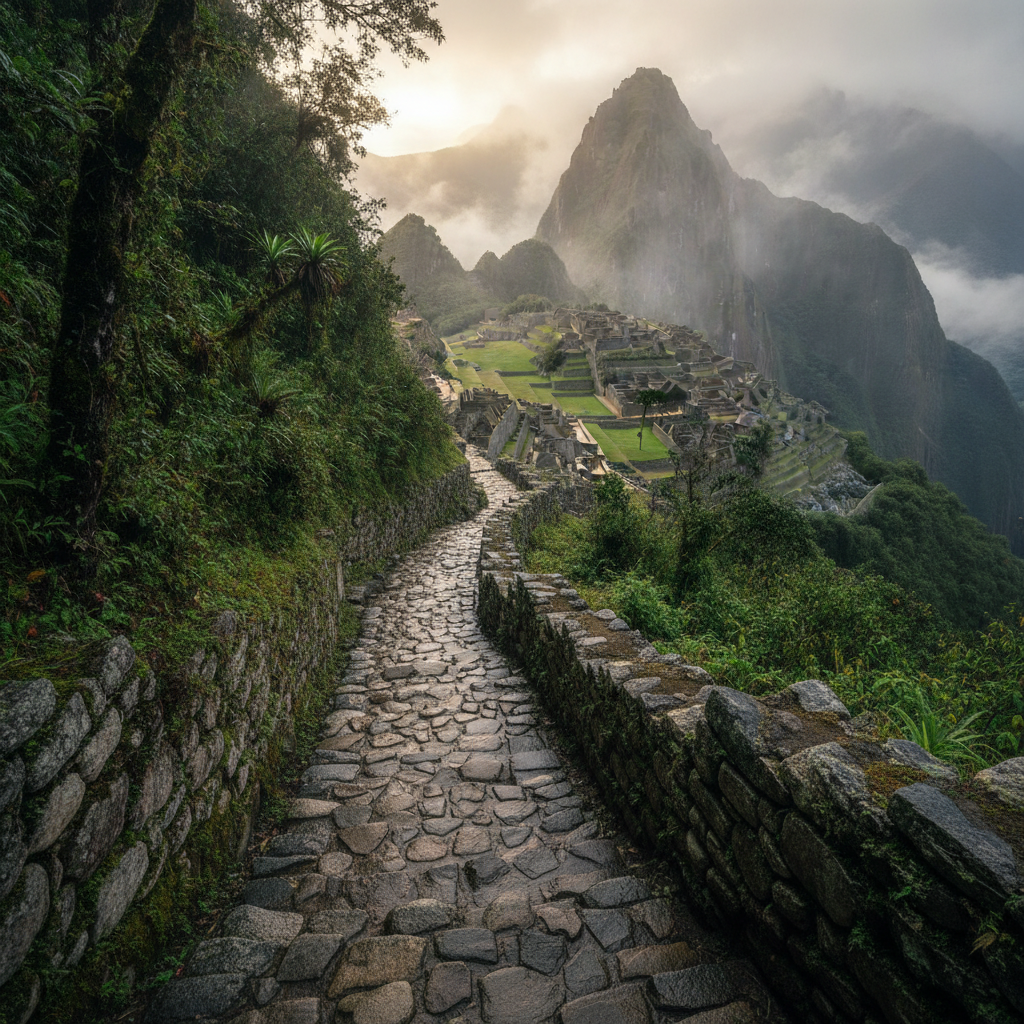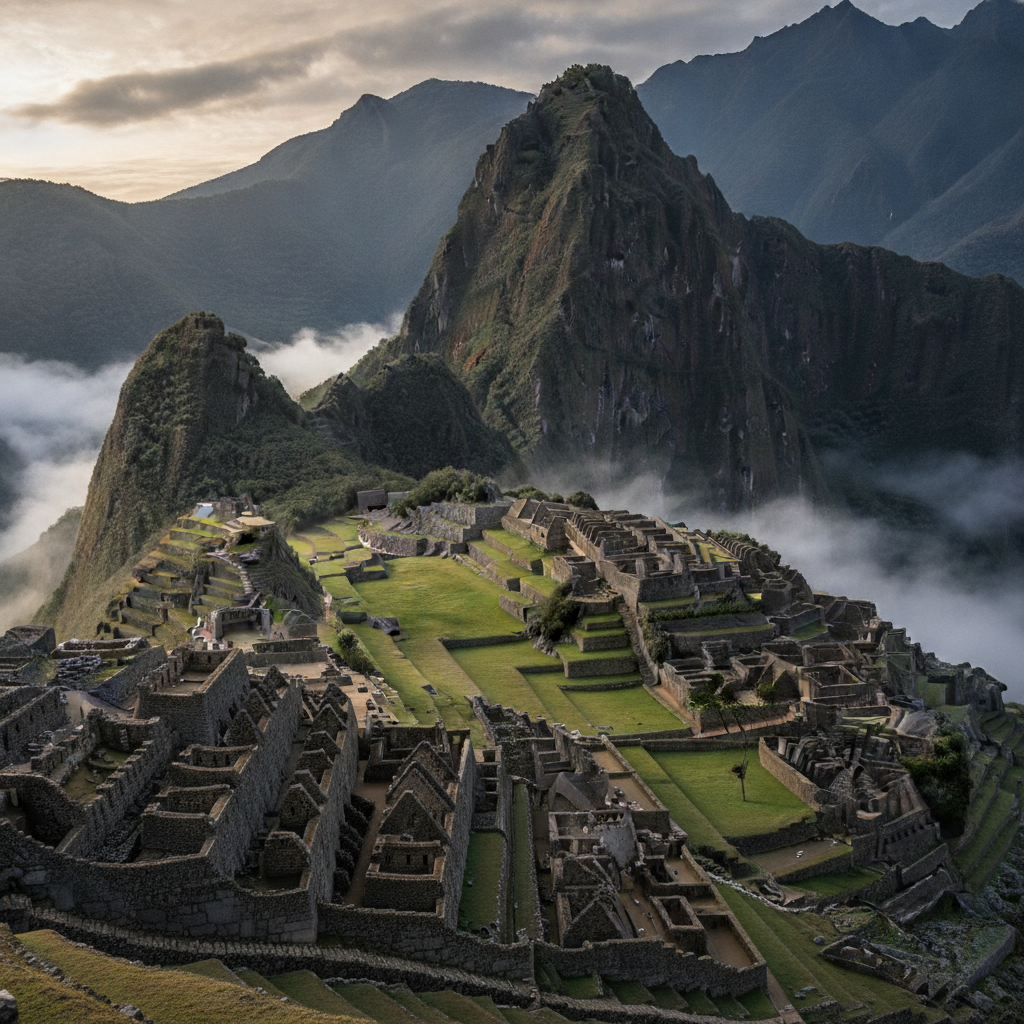
Machu Picchu Archaeology: What We Know and What Remains Uncertain
A century of archaeological research since Hiram Bingham first documented the ruins has clarified much about Machu Picchu but left fundamental questions unresolved. The site function, its abandonment, the population that inhabited it, and the precise dates of its construction and occupation remain subjects of active scholarly debate. The return of the Yale artifacts to Peru and their study in the Cusco museum has advanced understanding of the demographic profile of the site occupants. This route examines the current state of knowledge about one of the world most famous yet least understood monuments.
- 1
What Was Machu Picchu? The Royal Estate Hypothesis
The most widely accepted current interpretation of Machu Picchu is that it functioned as the royal estate of the Inca emperor Pachacuti, the panaca, maintained by his descendants and clan after his death for ceremonies honoring his mummy and the management of the agricultural terraces and attached artisan production. This interpretation is based on the absence of evidence for large permanent population, the extraordinary quality of construction that exceeds utilitarian needs, the location in a temperate zone used for corn cultivation below the cold Cusco altitude, and historical records of similar royal estate systems at other sites including Ollantaytambo and Chinchero. Bingham initial identification of the site as the lost city of Vilcabamba, the refuge of the neo-Inca state that resisted the Spanish until 1572, is now rejected; Vilcabamba has been identified at Espiritu Pampa in the lowland jungle further north.
- 2
The Skeletal Evidence: Who Lived and Died at Machu Picchu
The skeletal remains excavated at Machu Picchu and taken to Yale by Bingham were the subject of a detailed reanalysis by Johns Hopkins bioarchaeologist John Verano published in the 2000s. The reanalysis found that the population buried at the site was unusually diverse in geographic origin, based on skull morphology and dental evidence, including individuals from the coast, the highlands, and the Amazon basin. The high proportion of females, estimated at approximately two-thirds of the adult burials, supports the interpretation that the site was staffed by aqlla, the chosen women of the Inca system who served the royal household in weaving, brewing chicha, and religious service. The absence of evidence of sacrifice victims and the generally good health indicators in the bones suggest the Machu Picchu population was well-nourished and not subjected to the extreme labor demands of other Inca construction sites.
- 3
Why Was Machu Picchu Abandoned? The Smallpox and Succession Theories
Machu Picchu was abandoned well before the Spanish conquest, probably in the 1530s during the civil war between Huascar and Atahualpa that preceded the arrival of Pizarro. The most likely explanation is that the estate of Pachacuti lost its support network when the political disruption of the civil war and then the conquest eliminated the royal panaca system that maintained the estates of deceased rulers. Smallpox, which reached the Andes before the Spanish themselves, had devastated the Andean population by the time the Spanish arrived; the workforce that maintained the site would have been critically reduced by epidemic mortality. The Spanish never reached the site, which explains its remarkable preservation; the agricultural terraces continued to be farmed by local indigenous farmers after the abandonment of the administrative and ceremonial functions, which is why the site was known to local people throughout the colonial period despite being unknown to the Spanish colonial administration.
- 4
The Water System: Hydraulic Engineering at High Altitude
The water management system at Machu Picchu is considered by hydraulic engineers to be one of the most sophisticated pre-industrial water systems in the Americas. A spring on the mountain above the site was channeled through a 749-meter canal cut into the bedrock and lined with clay to the first of 16 ceremonial fountains, with water flowing by gravity through the sequence. The canal was positioned to collect the maximum available spring flow while minimizing the risk of landslide disruption. The drainage system beneath the terraces was layered with specific depths of gravel, clay, and topsoil in a sequence that hydrologists have identified as optimized for drainage retention without erosion, suggesting a sophisticated understanding of soil mechanics. The entire system could be managed to regulate water flow during rainy season floods and dry season low flow through a series of control features. Modern engineers studying the system estimate it would still function effectively if maintained, and sections of the fountain channel remain intact and draining water.
- 5
Inca Construction Techniques: Moving Stones Without Wheels
The construction of Machu Picchu required moving and fitting stones weighing from a few kilograms to several tons on a steep ridge without wheeled vehicles, iron tools, or the block-and-tackle pulley systems available to contemporary cultures elsewhere. Archaeological evidence suggests the Inca used large numbers of workers in coordinated sequences, moving stones on earthen ramps using log rollers and ropes of twisted fiber, then using abrasion with harder stones and extended trial-fitting to achieve the precise mortarless joints. The quarry for the main construction stones was a granite outcrop on the south slope of the site itself; the large irregular quarry stones still visible at the site show the state of partial working before abandonment. The foundation stones for the most important buildings are the largest and most precisely fitted, with progressively smaller and less precisely fitted stones used for residential and secondary structures. The speed of construction, estimated at approximately twenty to thirty years for the main structures, implies a workforce of several thousand during the main building phases.
- 6
The Machu Picchu Controversy: Over-Tourism, Preservation, and Future Management
Machu Picchu hosts approximately 5,000 visitors per day at peak times, reduced from the unrestricted pre-COVID numbers that exceeded 5,500 daily and were causing documented wear to the stone surfaces and paths from foot traffic. The UNESCO World Heritage Committee has repeatedly noted the insufficient protection of the site from erosion and from the consequences of the sprawling hotel development in Aguas Calientes, which contributes to wastewater and landslide risks. The 2018 rockslide that blocked the railway briefly and the 2023 political protests that closed the site for several weeks demonstrate the fragility of the single-access system through which all visitors must pass. Peruvian government proposals to build a new visitor center, restructure entry circuits, and potentially develop an alternative access route from a different direction have been debated without resolution. The fundamental tension between the economic importance of unrestricted access and the physical preservation of an irreplaceable site has not been resolved to the satisfaction of either conservation organizations or the tourism industry.
Walk this route with audio
Stories play automatically as you reach each stop — no tapping needed.
More in Machu Picchu
Machu Picchu Approaches: Inca Trail, Salkantay, and the Train Route
Machu Picchu Wildlife and Cloud Forest Ecology
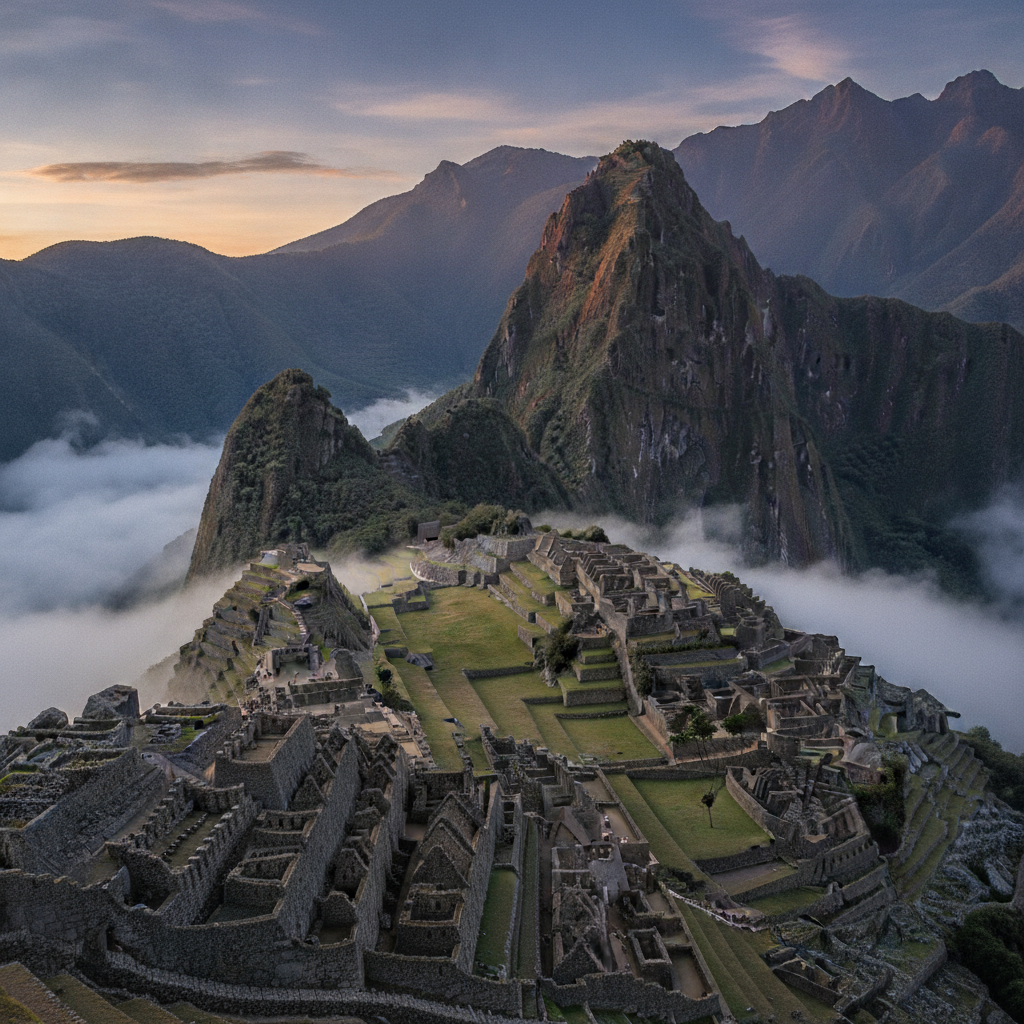
Machu Picchu: The Cloud City of the Inca and the Most Visited Site in the Americas
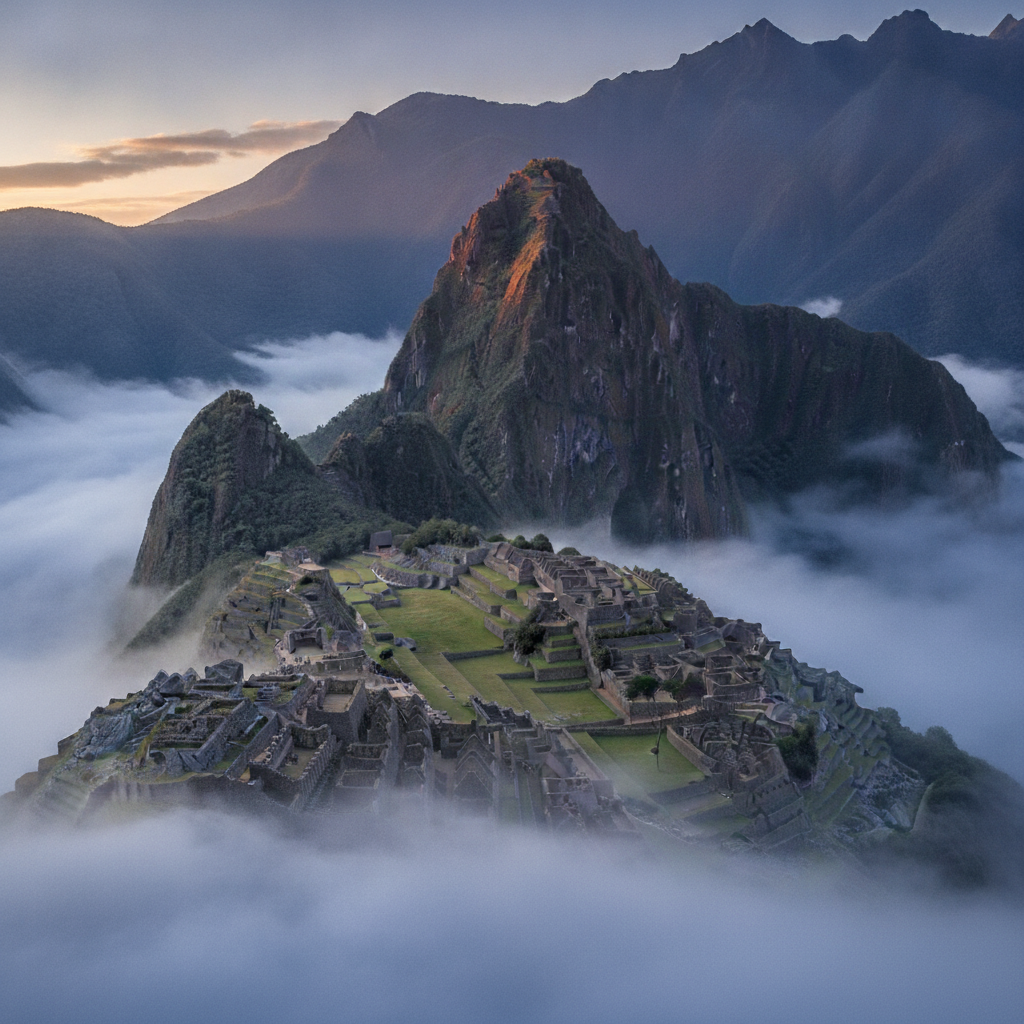
Machu Picchu Photography: Light, Viewpoints, and the Best Conditions
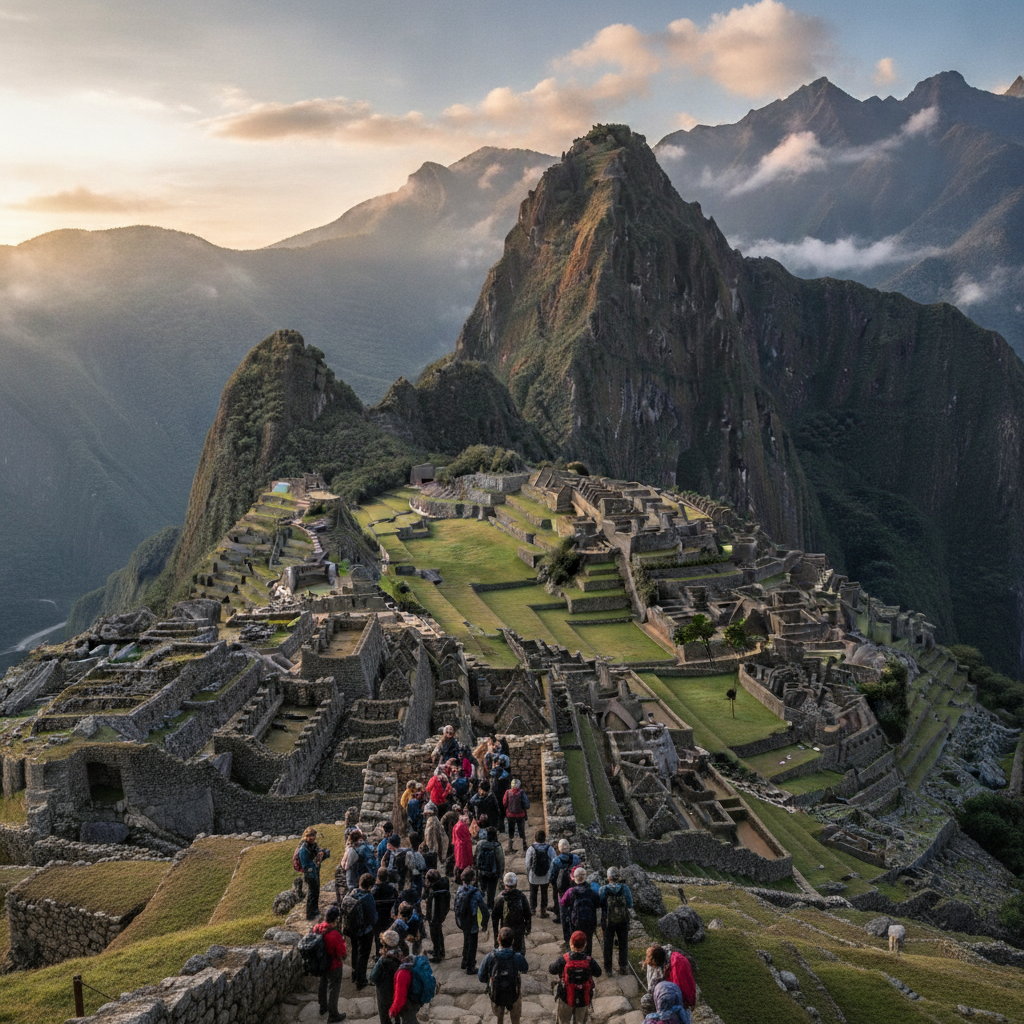
Machu Picchu Practical Guide: Tickets, Entry Rules, Costs, and What to Bring