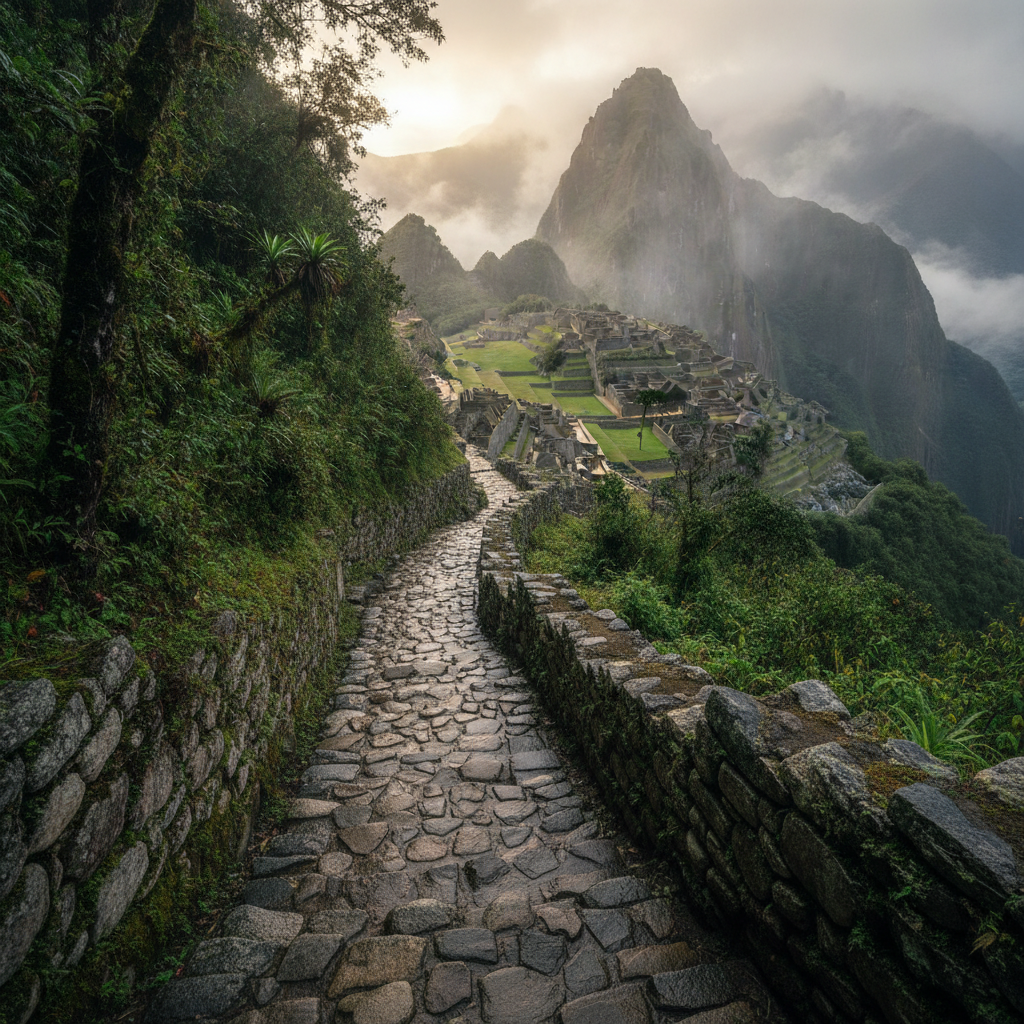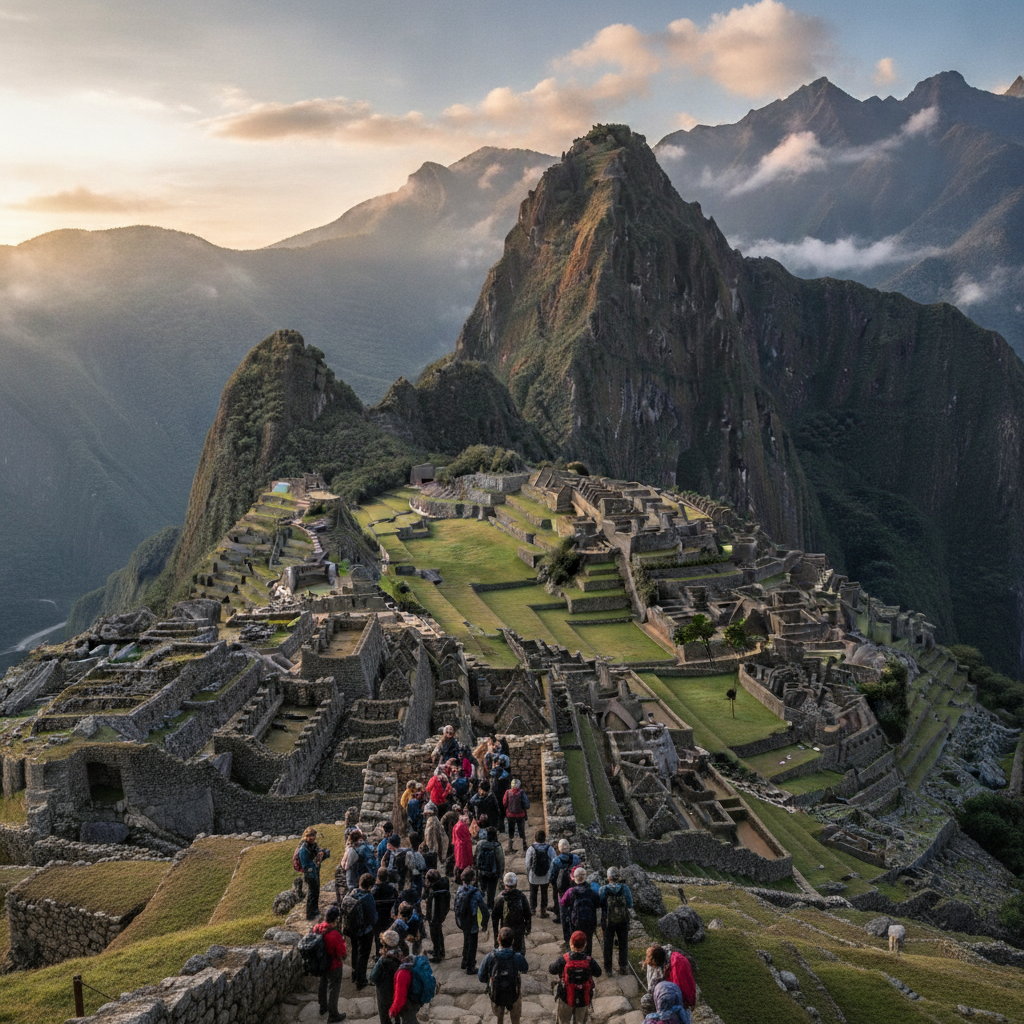
Machu Picchu Practical Guide: Tickets, Entry Rules, Costs, and What to Bring
Machu Picchu requires more advance planning than almost any other archaeological site in the world. The combination of limited daily tickets, mandatory time-slot entry, the logistical chain of train booking and bus booking on top of site entry, and the physical demands of arriving at 2,430 meters after the potential altitude effects of Cusco at 3,400 meters means that visitors benefit from detailed practical preparation. This route consolidates the essential practical information for a successful Machu Picchu visit.
- 1
Booking Machu Picchu Tickets: The Official System and When to Book
Machu Picchu entry tickets must be purchased through the official Peruvian Ministry of Culture ticketing portal at machupicchu.gob.pe. The system requires registration with a valid email address and passport number, and tickets are linked to the specific passport of the visitor. Each ticket specifies an entry time slot and the circuit to be followed. Daily capacity is approximately 4,044 tickets divided across multiple entry windows from 6 AM to 2 PM. High season tickets, primarily June through August and December through January, sell out weeks to months in advance. The additional Huayna Picchu mountain tickets, limited to 400 per day, sell out even more rapidly and should be booked at the earliest opportunity when dates are fixed. Additional Machu Picchu Mountain tickets are easier to obtain but still require advance booking. The ticketing website has historically had technical problems during high-demand periods; persistence and trying at different times of day may be necessary.
- 2
Entry Rules: What Is and Is Not Permitted at the Site
The rules governing conduct at Machu Picchu are strictly enforced at the entry gate and within the site. Large backpacks and luggage are prohibited; a maximum backpack size is specified and enforced. Tripods are not permitted in the main archaeological zones. Drone flight is prohibited within the sanctuary. Food and drink are prohibited within the main archaeological zones; designated eating areas exist near the entrance where visitors can consume food and water from their bags. Walking sticks must have rubber tips and are allowed. Umbrellas are permitted and practically necessary during the wet season afternoon rains. Children under 12 must be accompanied by adults throughout. Guides are not mandatory for independent site visitors but can be hired at the gate. The circuits must be followed in the designated direction; there is limited ability to backtrack. Leaving the marked paths is strictly prohibited. Sitting directly on the archaeological stonework is prohibited.
- 3
Train and Bus Booking: The Transport Chain to the Site
The train from Ollantaytambo to Aguas Calientes is operated by PeruRail and Inca Rail with multiple daily departures. PeruRail offers the Expedition class at the lowest price point, the Vistadome with panoramic windows at mid-range, and the Belmond Hiram Bingham luxury train at the high end. Inca Rail operates similar service levels. All trains require advance booking through the respective operator websites; peak season trains sell out weeks ahead. The bus from Aguas Calientes to the Machu Picchu gate, operated by Consettur, takes 25 minutes on a switchback road and requires a separate bus ticket purchasable online or in Aguas Calientes at the bus station. The bus runs from approximately 5:30 AM to 9:30 PM; early morning departures correspond to the 6 AM site entry and require joining the queue by 5 AM or earlier. The walk from Aguas Calientes to the site gate, approximately 90 minutes on a steep zigzag path, avoids the bus cost and provides exercise and forest scenery but is not recommended for visitors with mobility limitations or luggage.
- 4
What to Bring: Packing for a Day at Machu Picchu
The ideal day pack for Machu Picchu contains water in a sealed container, sunscreen for the high-altitude UV exposure, insect repellent particularly for the wet season, a rain jacket for afternoon showers even in the dry season, snacks to be consumed in the eating areas, comfortable walking shoes with grip for the sometimes wet stone paths, and the downloaded ticket on a phone or printed version. A passport or the specific ID used for booking is required for entry. The site altitude of 2,430 meters is substantially lower than Cusco, so visitors who have already been in Cusco for 24 hours will find it easier than the highland altitude; new arrivals who fly from Lima to Cusco and immediately take the train to Machu Picchu may feel better at the lower altitude of the site than they expected. Layering is appropriate as the temperature at the site ranges from cool at dawn to warm at midday. Changing rooms are not available; comfortable walking clothes are appropriate for the entire day including the train journey.
- 5
The Aguas Calientes Overnight: Hotels, Food, and Hot Springs
Staying overnight in Aguas Calientes allows a second consecutive day entry ticket, which provides the most complete site experience for those who want to visit the main circuit on day one and climb Huayna Picchu or Machu Picchu Mountain on day two. Aguas Calientes accommodation ranges from basic hostels at 30 to 80 soles per person to mid-range hotels at 200 to 600 soles and the Belmond Sanctuary Lodge directly at the site gate at prices exceeding 2,000 soles per night. The town restaurants cluster along the main pedestrian street and the riverside; the food quality is generally adequate rather than exceptional, with a predictable selection of Peruvian standards and international travelers fare. The thermal baths at the north end of town provide the most distinctive Aguas Calientes experience, soaking in geothermally heated water at approximately 40 degrees Celsius in a concrete pool complex surrounded by forested gorge walls. The baths are busiest in the late afternoon after most visitors have returned from the ruins.
- 6
Family Visits with Children: Managing Machu Picchu with Kids
Machu Picchu with children requires specific planning to manage the logistical chain and the physical demands of the site itself. Children under 8 are typically free or dramatically reduced in ticket price; the specific age thresholds and price categories should be verified at the current ticketing portal as they have changed over time. The bus journey from Aguas Calientes removes the steep walk and is the recommended approach for families with young children. The first entry slot at 6 AM is difficult with young children due to the very early bus departure required; the 8 AM or 10 AM entry slots represent a more manageable compromise between early light and achievable departure times from Aguas Calientes. The main circuit does not require significant climbing and is walkable for most children over 6; the Huayna Picchu and Machu Picchu Mountain climbs are not appropriate for young children due to the steep exposure. The viscachas sunbathing on the walls are reliably fascinating to children and require no scheduled activity to encounter.
Walk this route with audio
Stories play automatically as you reach each stop — no tapping needed.
More in Machu Picchu
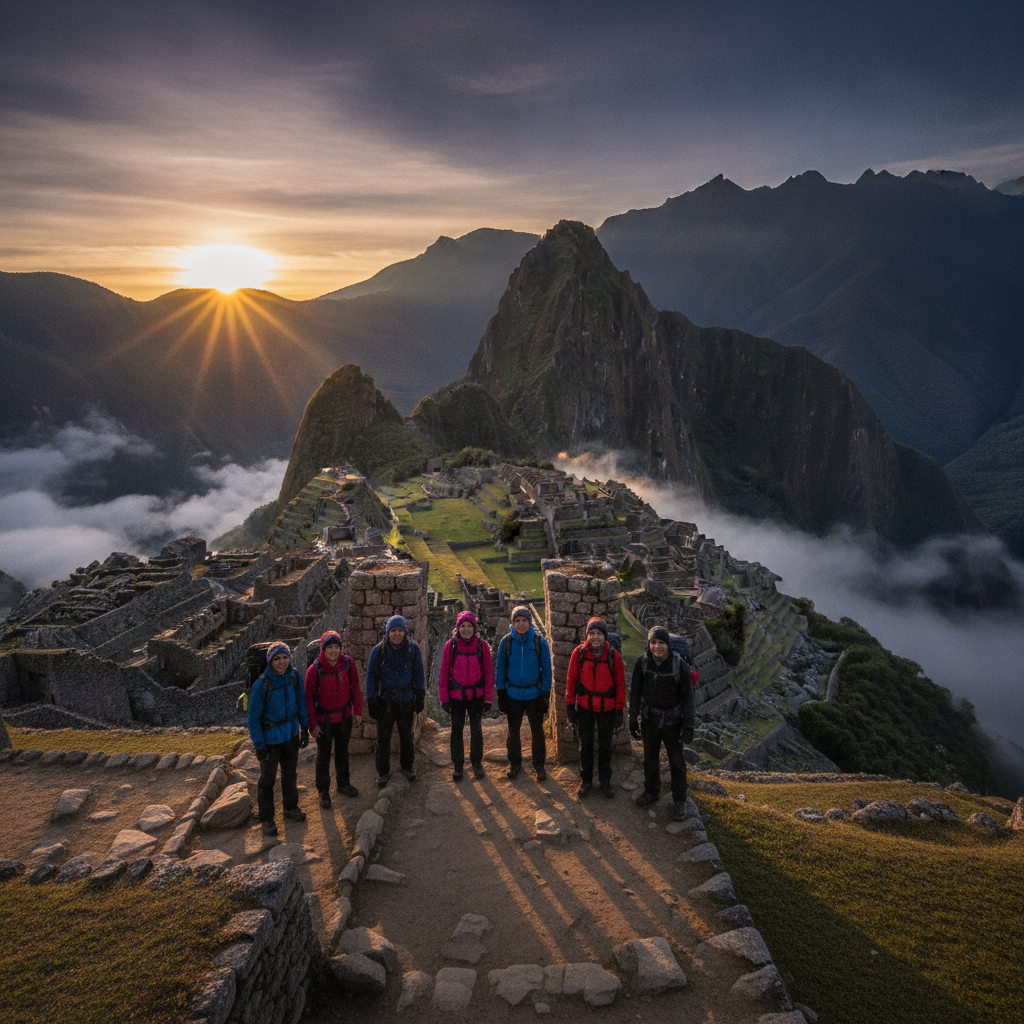
Machu Picchu Approaches: Inca Trail, Salkantay, and the Train Route
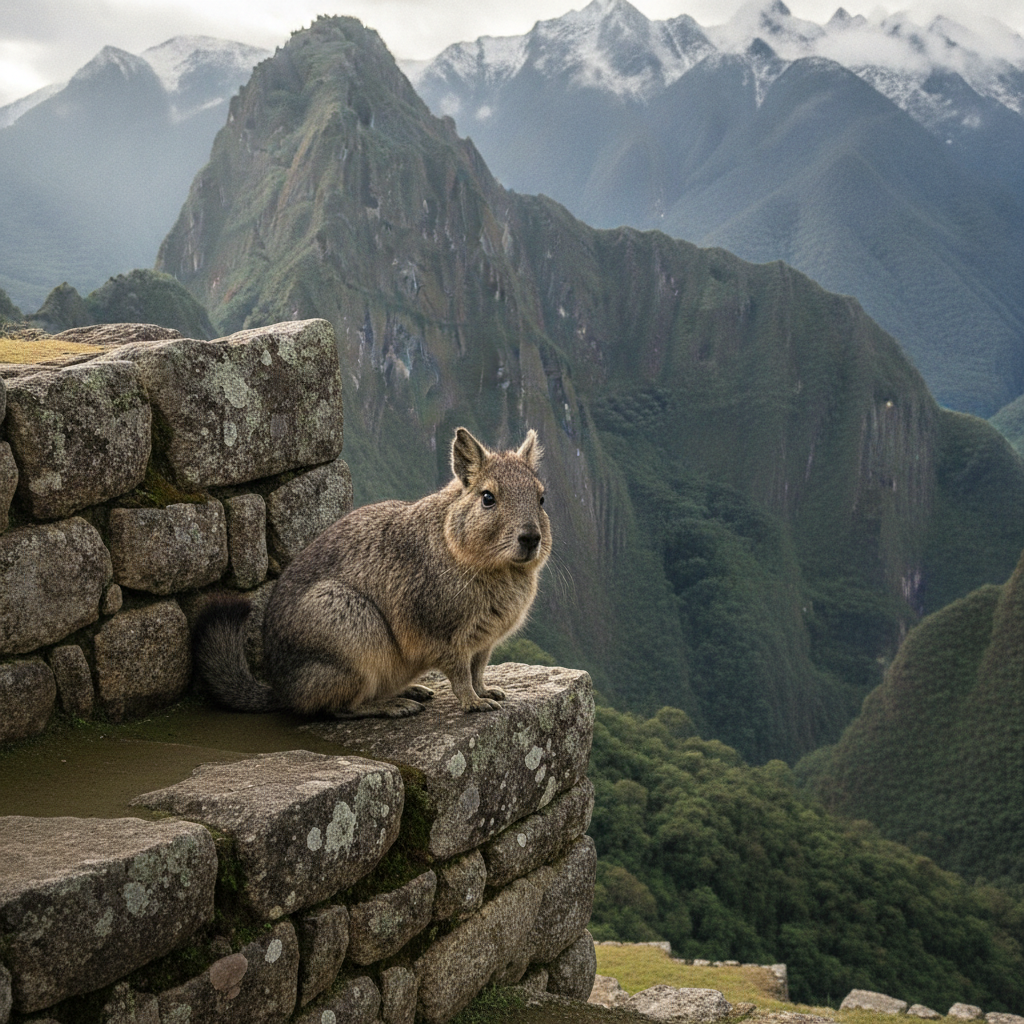
Machu Picchu Wildlife and Cloud Forest Ecology
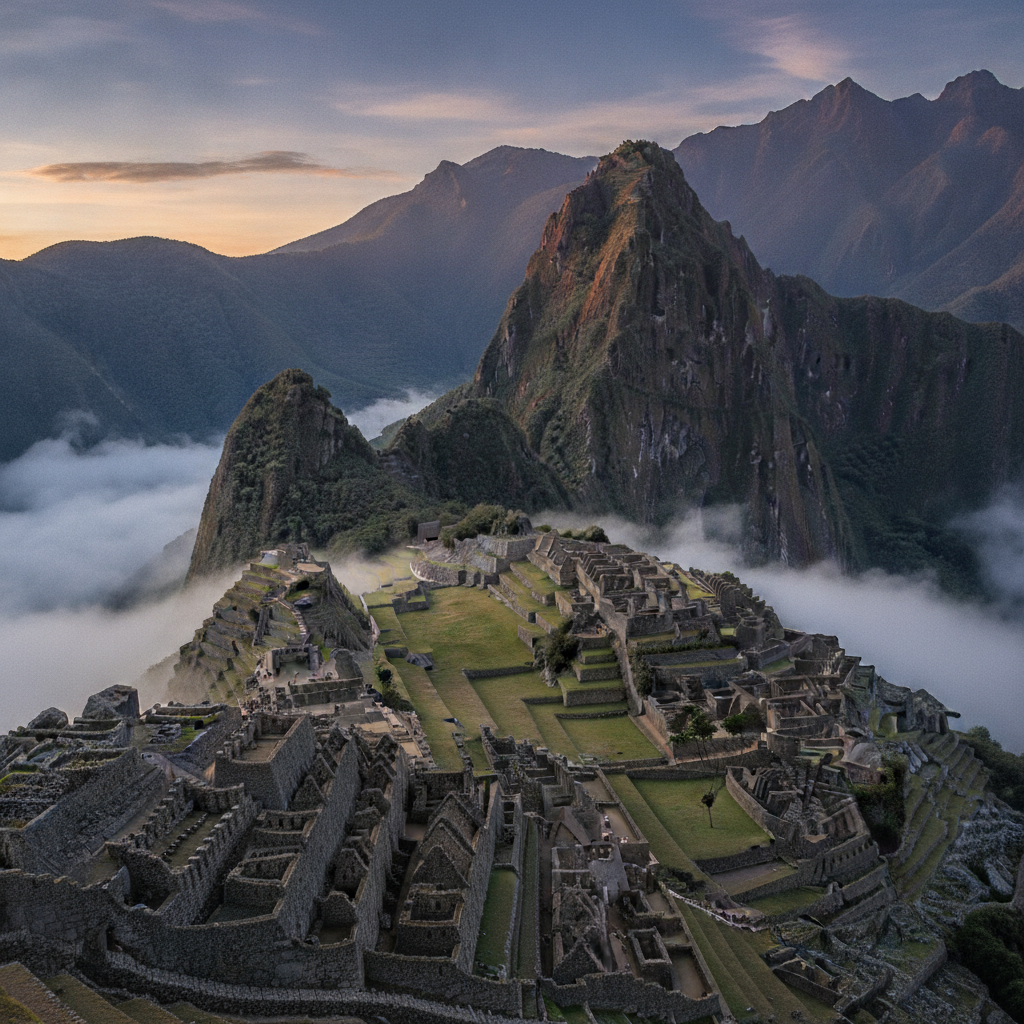
Machu Picchu: The Cloud City of the Inca and the Most Visited Site in the Americas
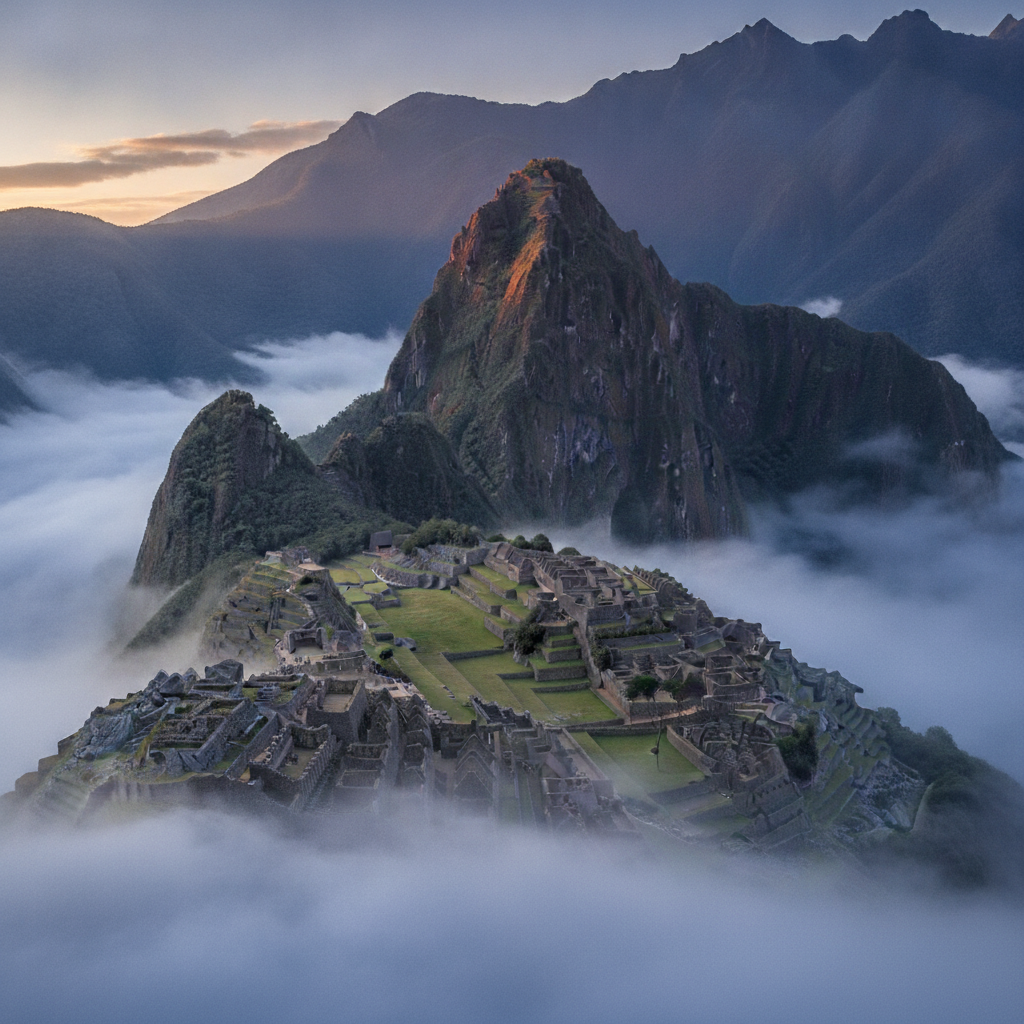
Machu Picchu Photography: Light, Viewpoints, and the Best Conditions
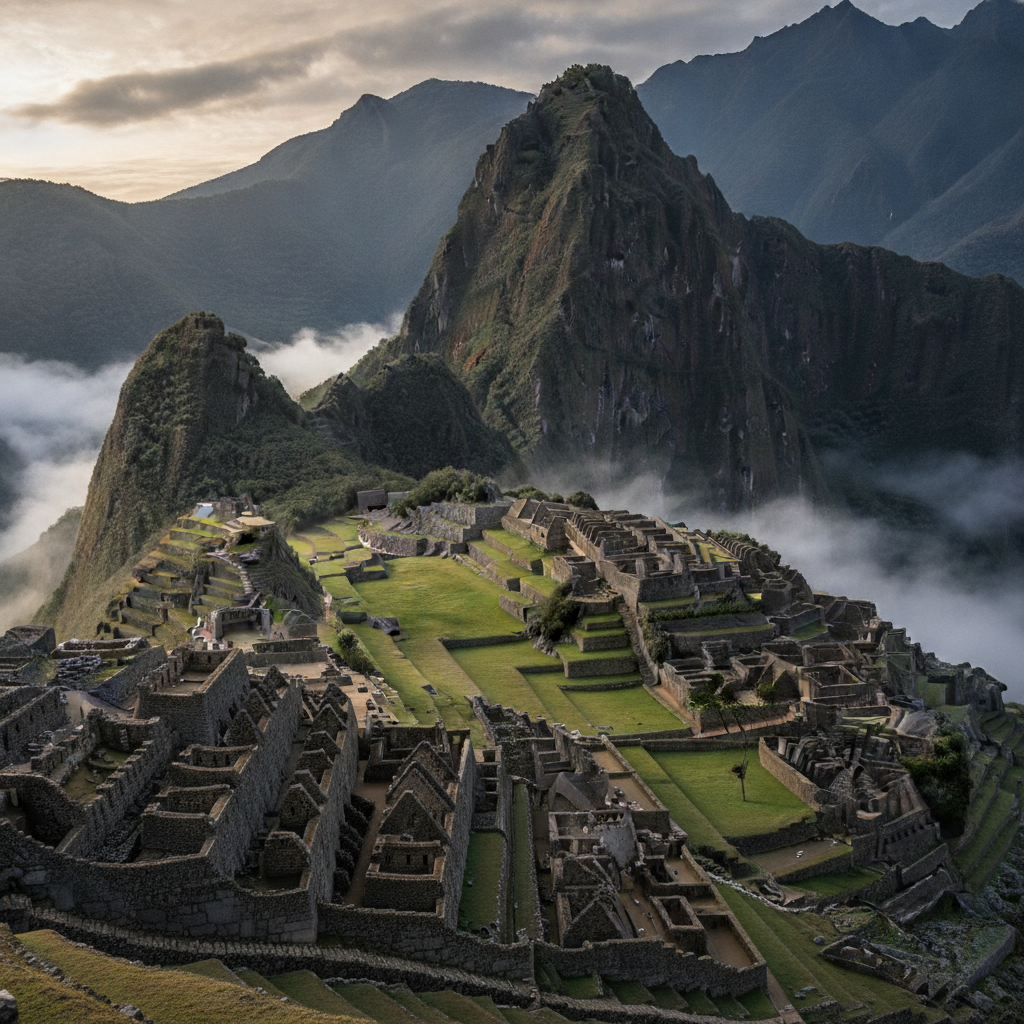
Machu Picchu Archaeology: What We Know and What Remains Uncertain