Machu Picchu Site Circuits: What to See and How to Navigate the Ruins
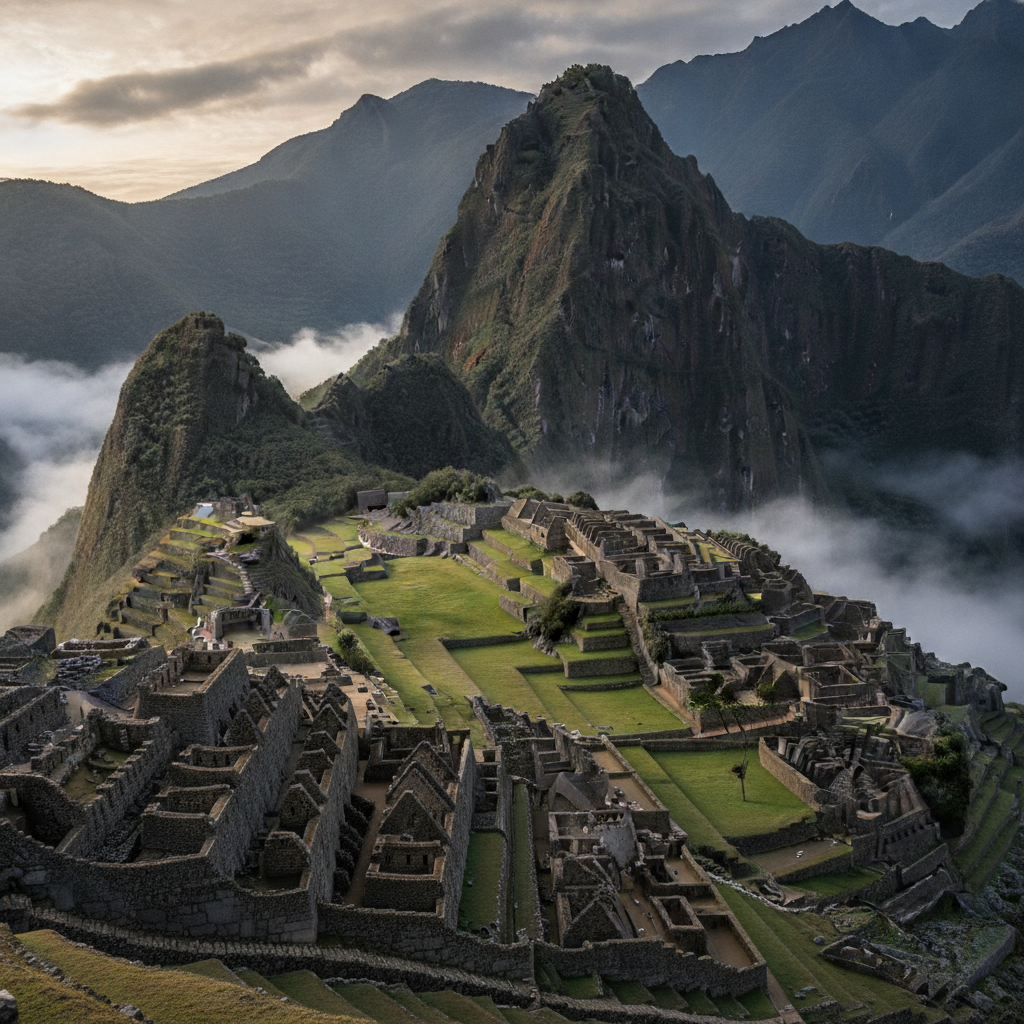
The Machu Picchu site is now organized into numbered circuits that visitors must follow in the designated direction to manage crowd flow and protect the most fragile sections of the stonework from concentrated foot traffic. The two main circuits cover different sections of the site, and visitors must choose at the time of ticket purchase which circuit they will follow. Understanding the layout of the site before arrival allows better decisions about which circuit matches your interests. This route walks through the key architectural and archaeological features of each main section of the ruins.
- 1
The Temple of the Sun: The Most Precisely Built Structure
The Temple of the Sun, a rounded tower built on a projecting granite outcrop near the main gate of the site, contains the finest stonework at Machu Picchu and is one of the most precisely constructed buildings in all of Inca architecture. The curved wall is built with trapezoidal blocks fitted with extraordinary accuracy, the interior windows precisely aligned with the sunrise at the winter solstice and the Pleiades star cluster. The cave beneath the temple, the Royal Tomb, was used for mummified remains and ritual offerings; the carved stone altar within the cave shows tool marks from deliberate shaping rather than natural formation. The building complex around the Temple of the Sun includes what is identified as the Royal Palace, a series of finely finished rooms with double-jamb doorways that indicate high-status occupancy. This section of the site, while visible from the exterior, requires entry on Circuit 1 for interior access.
- 2
The Three Windows Temple and the Main Plaza
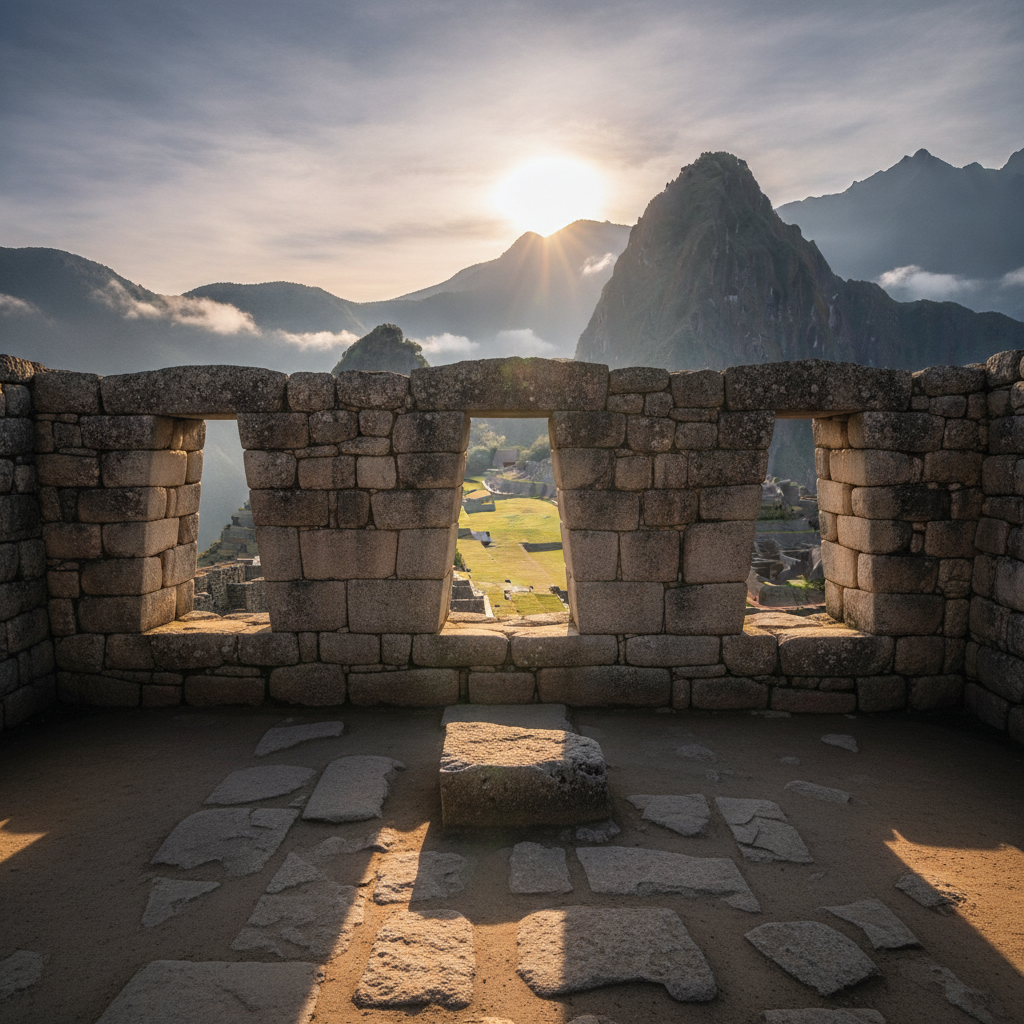
The Temple of the Three Windows, a rectangular building with three large trapezoidal windows opening onto the main plaza, was identified by Bingham as potentially the most ritually significant building at the site based on a passage in the Spanish chronicler Sarmiento de Gamboa describing a temple with three windows in the Inca origin myth. The windows are among the largest single stone lintels in Inca architecture, requiring precise engineering to support the wall above without mortar. The Main Plaza between the ceremonial sector to the west and the residential sector to the east is the largest open space at the site; it was the gathering place for the population of the estate during ceremonies and festivals. The Principal Temple adjacent to the Three Windows Temple has the most massive stone blocks of any building at the site, with individual foundation stones estimated at 10 to 15 tons, and shows evidence of a deliberate unfinished section in the east wall that may reflect the abandonment of the site before construction was complete.
- 3
The Industrial and Residential Sectors: Daily Life at Machu Picchu
The eastern half of the site contains the residential and artisan areas where the non-elite population of the estate lived and worked. The kallanka, long rectangular halls that served as barracks or group housing, are identifiable by their elongated proportions and multiple doorways on one long wall. The mortars quarter, an open area with large stone mortars set into the ground that were used for grinding corn and other food preparation, provides one of the most tangible connections to the daily food production of the estate. The weaving area, identified by the presence of specialized post holes used to secure backstrap looms, is one of several production zones where aqlla women carried out the textile work that was central to the Inca redistribution economy. The funerary rock, a carved outcrop near the cemetery with a flat upper surface and channels for draining liquid, may have been used for preparing mummified bodies.
- 4
The Agricultural Terraces: Twelve Hectares of Highland Farming
The agricultural terracing system at Machu Picchu covers approximately twelve hectares of the steep slopes below and around the main citadel and was the primary productive base of the estate. The terraces range from rough outer terraces on the most exposed slopes to finely finished inner terraces close to the urban sector, suggesting different levels of ceremonial and productive importance. Each terrace wall is built with a slight backward lean to resist the outward pressure of the soil and contained drainage layers of gravel beneath the topsoil. The altitude of 2,430 meters, significantly warmer than the Cusco basin at 3,400 meters, allowed the cultivation of corn, the most ceremonially important Inca crop, on the finest terraces closest to the urban sector. Analysis of plant residues from the terraces has confirmed corn, potato, quinoa, and several types of squash and beans as cultivation crops, representing the complete highland Andean food system.
- 5
The Inca Bridge: The Hidden Defensive Access Route
The Inca Bridge, a retractable log bridge on a mountain path that cuts across a sheer cliff face 30 meters above a precipice on the western side of the site, is accessed by a 30-minute walk along an Inca path that passes through cloud forest from the main gate area. The bridge served as both a secondary access route to the site from the Inca trail network connecting to the Andean road system and as a defensive feature; the logs that formed the bridge surface could be removed to block pursuit, leaving the cliff edge impassable to anyone without the ability to reconstruct the bridge. The current bridge structure is a reconstruction for interpretive purposes; visitors can walk to the cliff edge where the bridge is visible but cannot cross. The path to the bridge is one of the few areas of the site where the surrounding cloud forest is experienced at close range rather than as a background to the ruins.
- 6
Winya Wayna: The Flower Ruins on the Inca Trail
Winya Wayna, whose name means forever young in Quechua after the orchid that flowers on its terraces, is the most significant archaeological site on the classic Inca Trail and one of the finest Inca terracing and construction complexes accessible to visitors. The site is located approximately four kilometers from the Sun Gate and is visited by all classic Inca Trail trekkers on their third day before making camp. The terracing system on the steep hillside above the Urubamba River gorge is considered technically superior to many sections of Machu Picchu, with a water channel system feeding ritual fountains and agricultural terraces in a sequence that mirrors the Machu Picchu fountain system in miniature. The funerary towers above the terraces are unusual architectural forms found at only a few sites. Day hikers from kilometer 104 on the railway can reach Winya Wayna in approximately two hours, making it accessible without the four-day Inca Trail commitment.
Walk this route with audio
Stories play automatically as you reach each stop — no tapping needed.
More in Machu Picchu
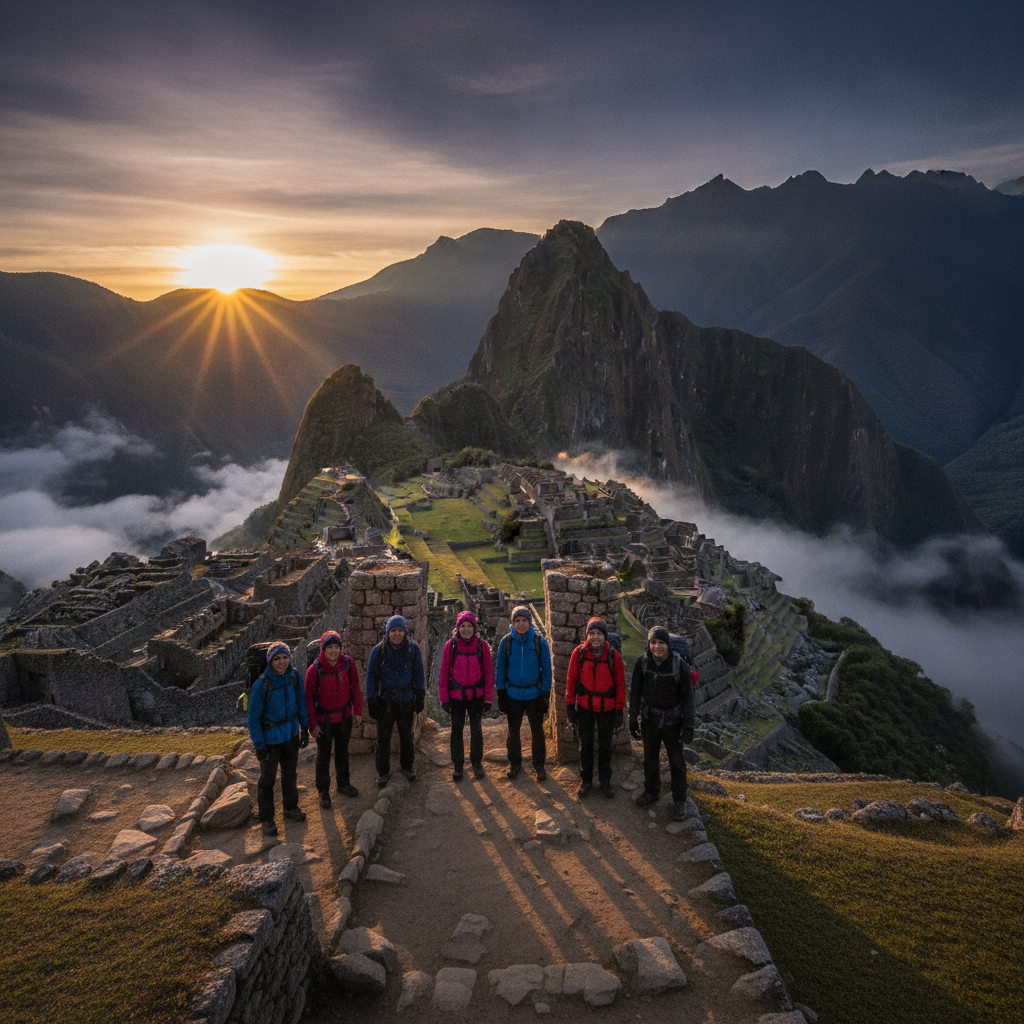
Machu Picchu Approaches: Inca Trail, Salkantay, and the Train Route
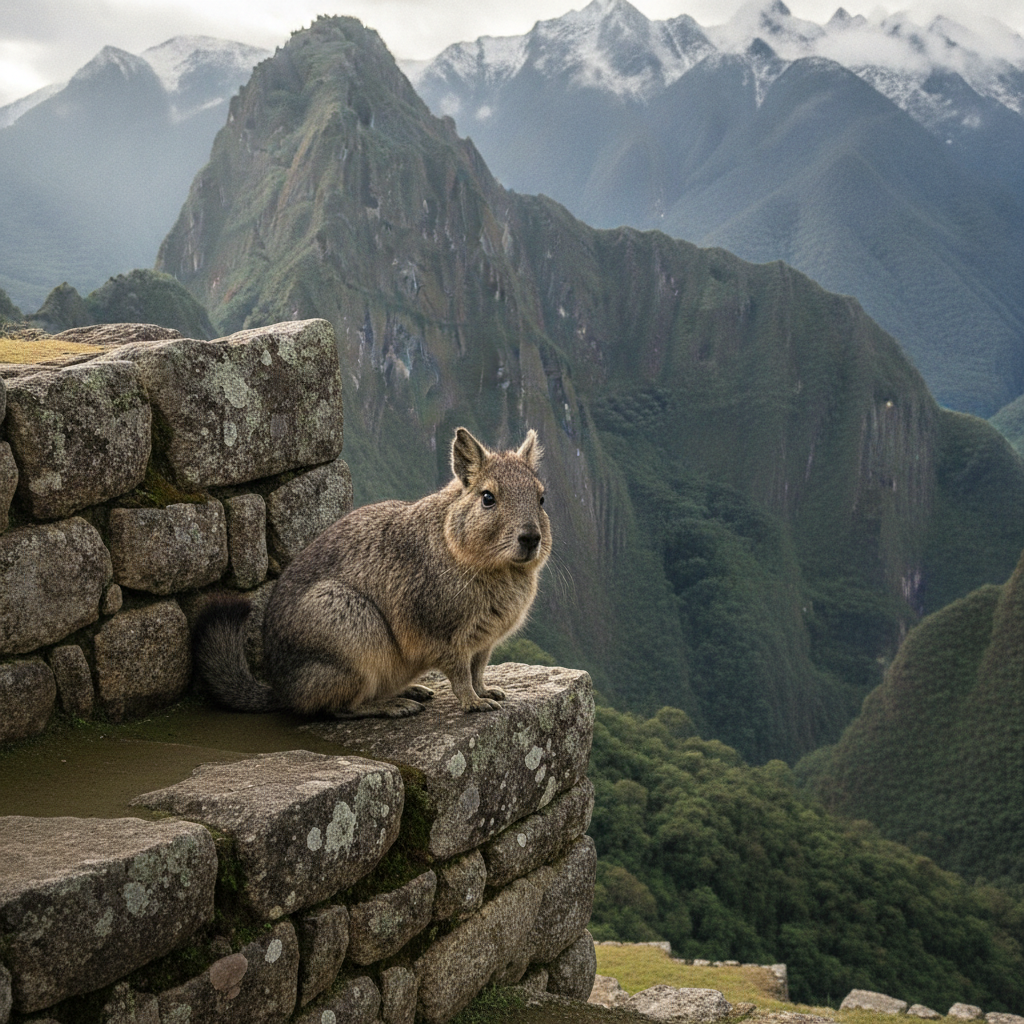
Machu Picchu Wildlife and Cloud Forest Ecology
Machu Picchu: The Cloud City of the Inca and the Most Visited Site in the Americas
Machu Picchu Photography: Light, Viewpoints, and the Best Conditions
Machu Picchu Practical Guide: Tickets, Entry Rules, Costs, and What to Bring