Flamenco & Lavapiés: The Soul of Deep Spain
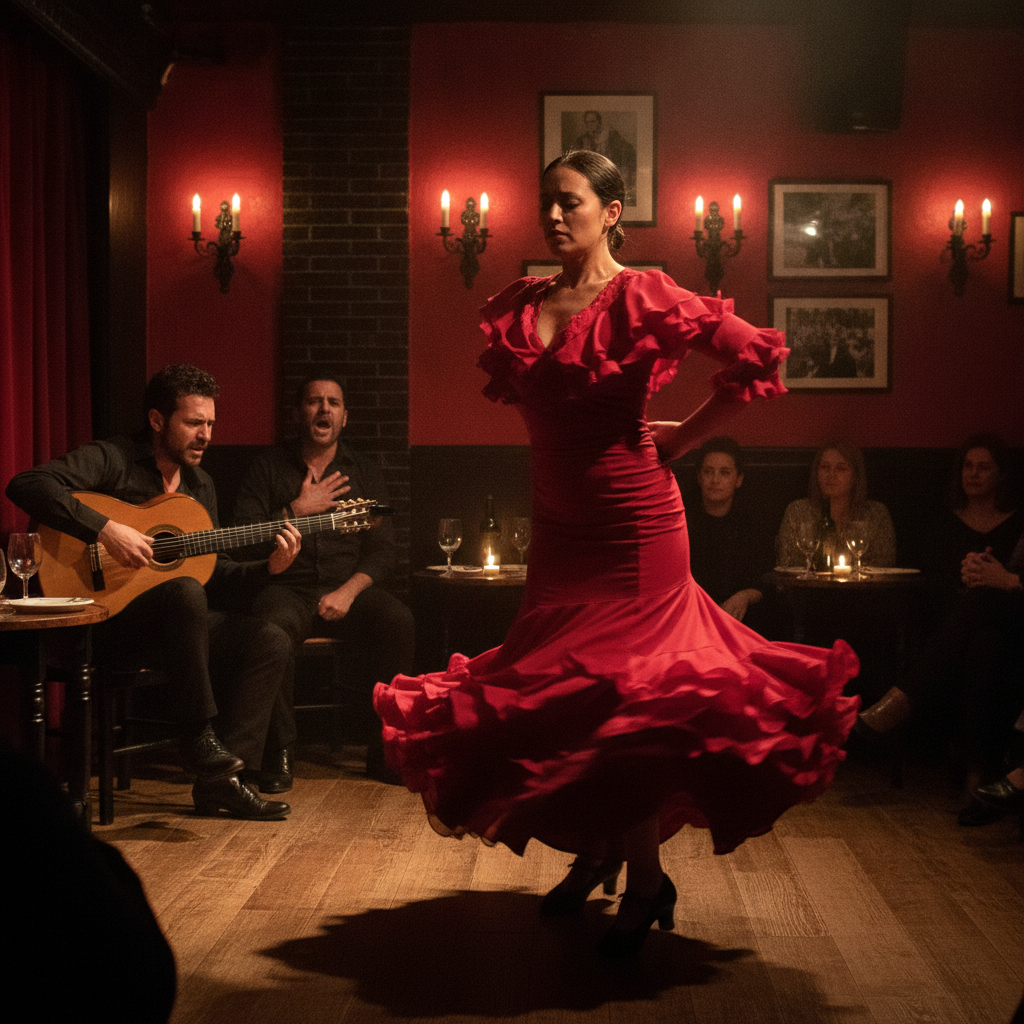
Flamenco is the art form most associated with Spain—yet it is not actually from Madrid. It was born in Andalusia (Seville, Jerez, Cádiz) and came to Madrid in the 19th and 20th centuries with waves of Gitano (Roma) and Andalusian migration. Today Madrid has more professional flamenco performances per night than Seville. The place to understand this in Madrid is Lavapiés—the city's most diverse, working-class, and culturally rich neighbourhood, long the home of the city's Gitano community and now a mosaic of Spanish, Bangladeshi, West African, Chinese and South American communities. This route combines flamenco history, live performance, and the street life of Madrid's most authentic quarter.
1. Centro Flamenco Fosforito — The History Before the Performance
- 1
Centro Flamenco Fosforito — The History Before the Performance
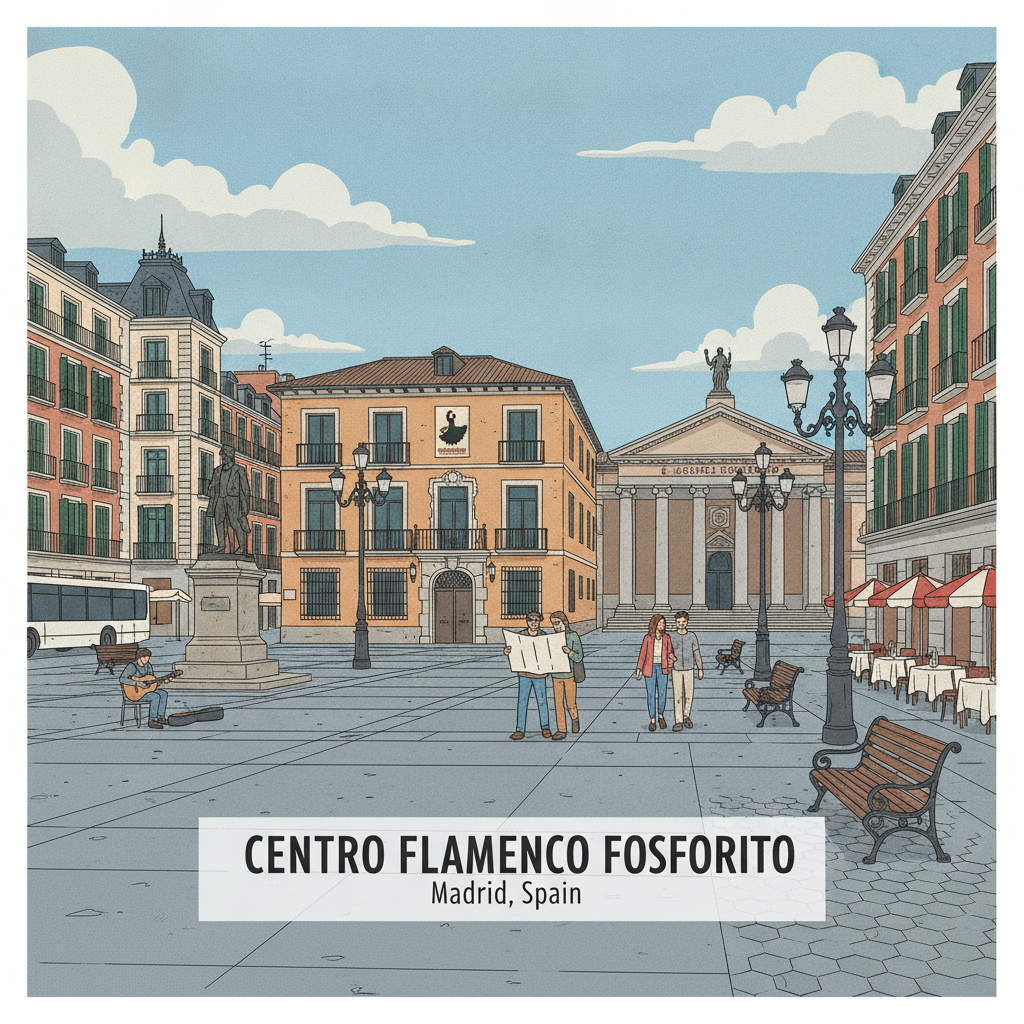
Start at the Centro Flamenco Fosforito in the Casa de las Memorias building near the Plaza de Santa Ana—a free museum dedicated to the history and art of flamenco. Named after Antonio Fernández Díaz 'Fosforito,' the museum covers: the origins of flamenco in Andalusia; the palos (forms) of flamenco—soleá, seguiriya, bulerías, tangos—and what distinguishes them; the concept of duende (the ineffable, almost spiritual quality that separates great flamenco from mere performance); and the great artists of the 20th century, from Camarón de la Isla to Paco de Lucía. Spend an hour here before seeing a live show—the context completely transforms the experience.
- 2
El Rastro — Madrid's Great Sunday Flea Market
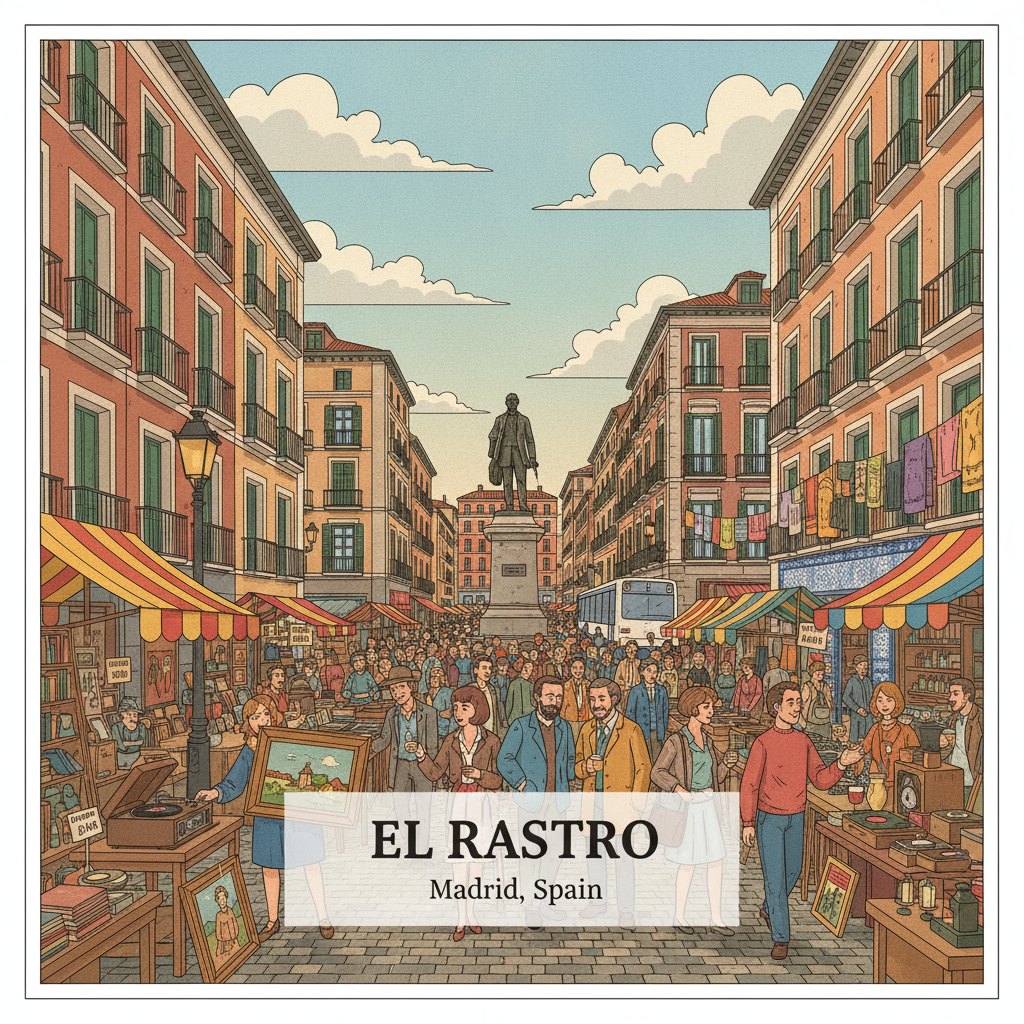
Walk west along the Calle de Embajadores into the El Rastro neighbourhood—home of Madrid's great Sunday flea market, the Rastro, which takes over the entire area from about 9am to 3pm every Sunday. (On other days the area is quiet but the permanent antique shops and vintage stores along the Calle de la Ribera de Curtidores and the surrounding streets are worth browsing.) The Rastro in full swing is one of the great city experiences: 3,500 stalls selling everything from vintage vinyl to military memorabilia, from handmade jewellery to secondhand furniture, from old books to junk. Come hungry—there are excellent cafes and bars in the streets around.
- 3
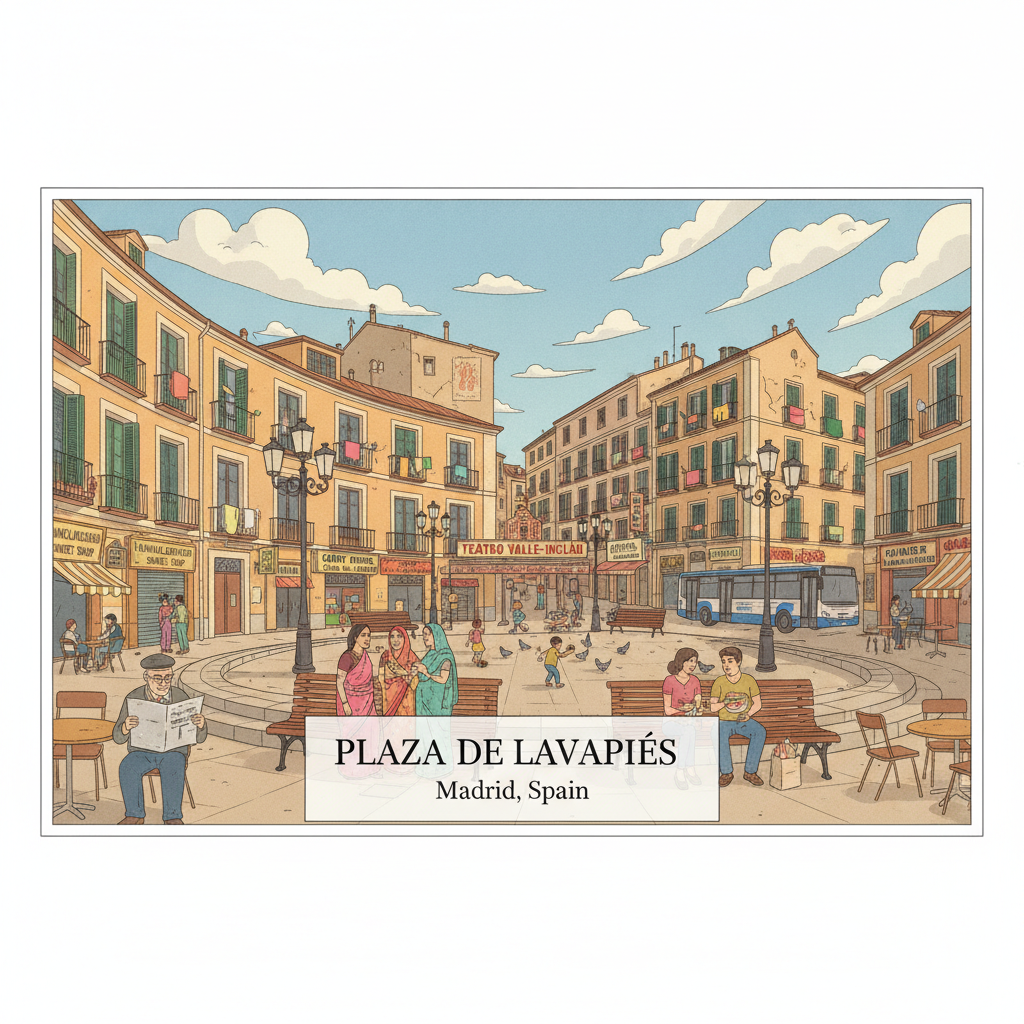
Lavapiés Plaza — The Neighbourhood's Beating Heart
Continue south to the Plaza de Lavapiés—the central square of the neighbourhood that gives it its name. Lavapiés is historically the most working-class district in Madrid, home since the Middle Ages to the city's Jewish population (expelled in 1492), then to the Gitano community that brought flamenco to the capital, and more recently to immigrants from across the world who have transformed its streets with curry houses, Bangladeshi sweet shops, African hair salons and Chinese supermarkets. The plaza is the neighbourhood's living room—everyone sits here. On summer evenings it is magical.
- 4
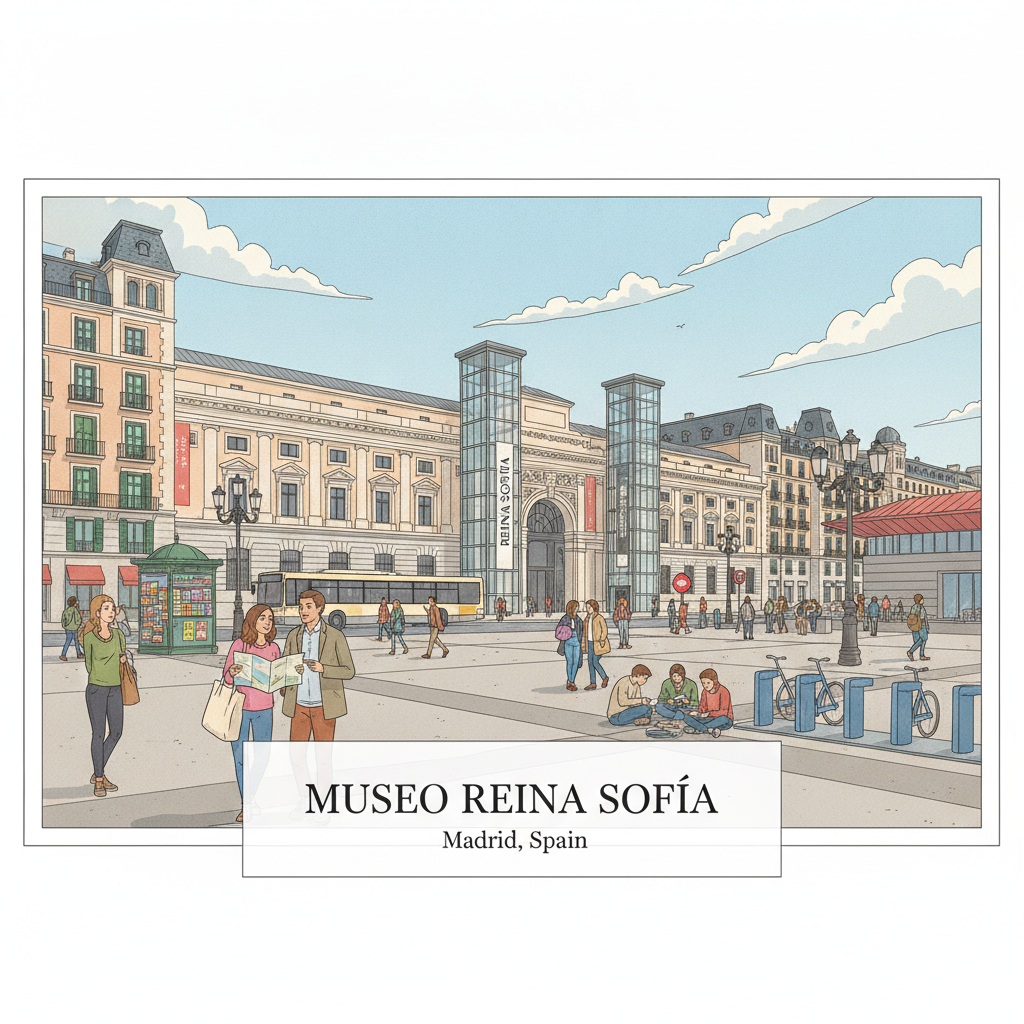
Museo Reina Sofía — Guernica, a Five-Minute Walk Away
The Reina Sofía museum's main entrance is five minutes north of Lavapiés plaza, making this the natural point to combine culture with neighbourhood atmosphere. If you haven't visited it yet on this trip, this is the moment—Picasso's Guernica and the permanent collection of 20th-century Spanish art (Dalí, Miró, Juan Gris) justify several hours. The museum's outdoor space and the ground-floor café/bookshop are free. In the evening the neighbourhood around comes alive—La Escalera de Jacob at Calle de la Lavapíes 11 is a great small arts venue with regular cultural events and a good wine list.
- 5
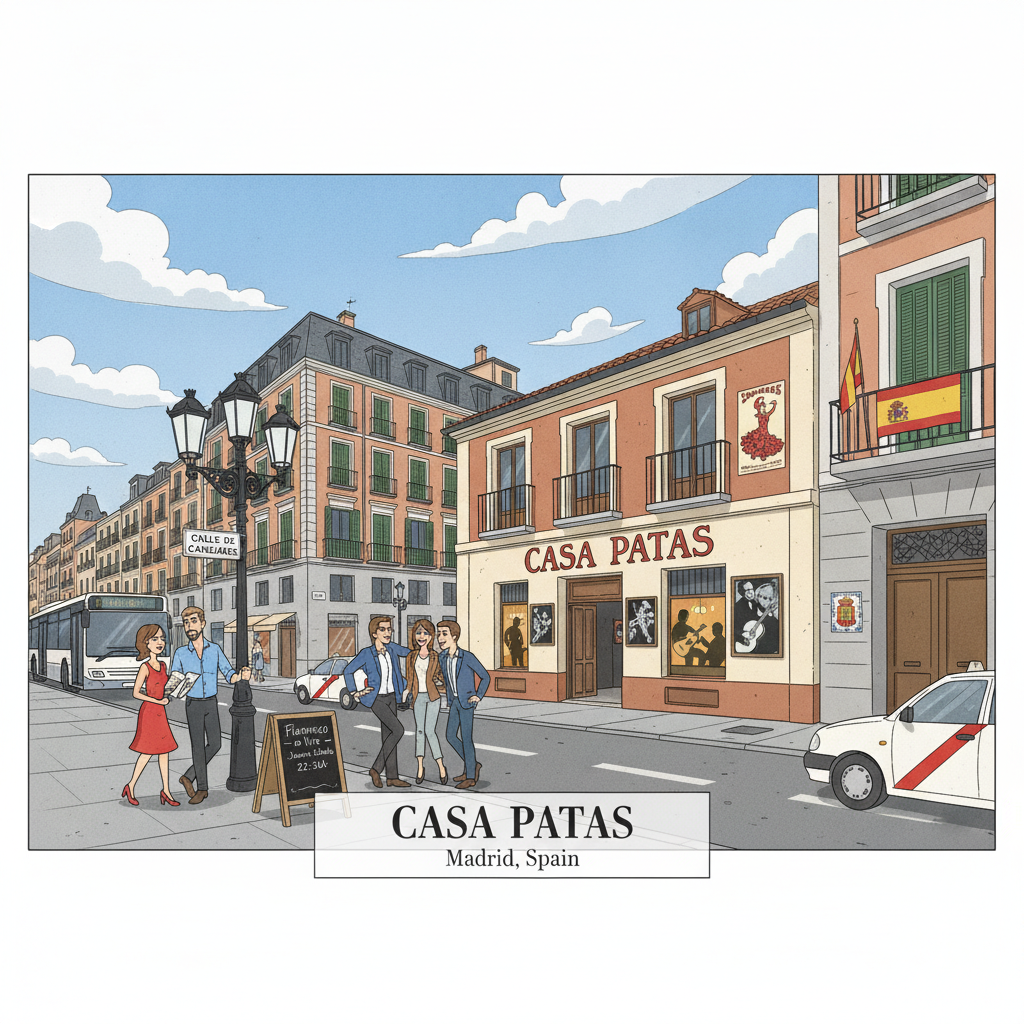
Casa Patas — The Most Authentic Tablao in Madrid
Casa Patas at Calle de Cañizares 10 is Madrid's most respected flamenco tablao—a venue where working professional flamenco artists perform, not a tourist show with watered-down versions of the art. The shows run nightly (Thursday–Saturday usually has the best performances, 10:30pm show). Tickets cost €38–45 including one drink; the venue is small (about 100 seats) so book at least two days in advance. The dining room serves traditional Andalusian food if you want dinner before the show (the rabo de toro—oxtail stew—is excellent). Arrive early: the room fills up and the best seats have a direct sight line to the stage.
- 6
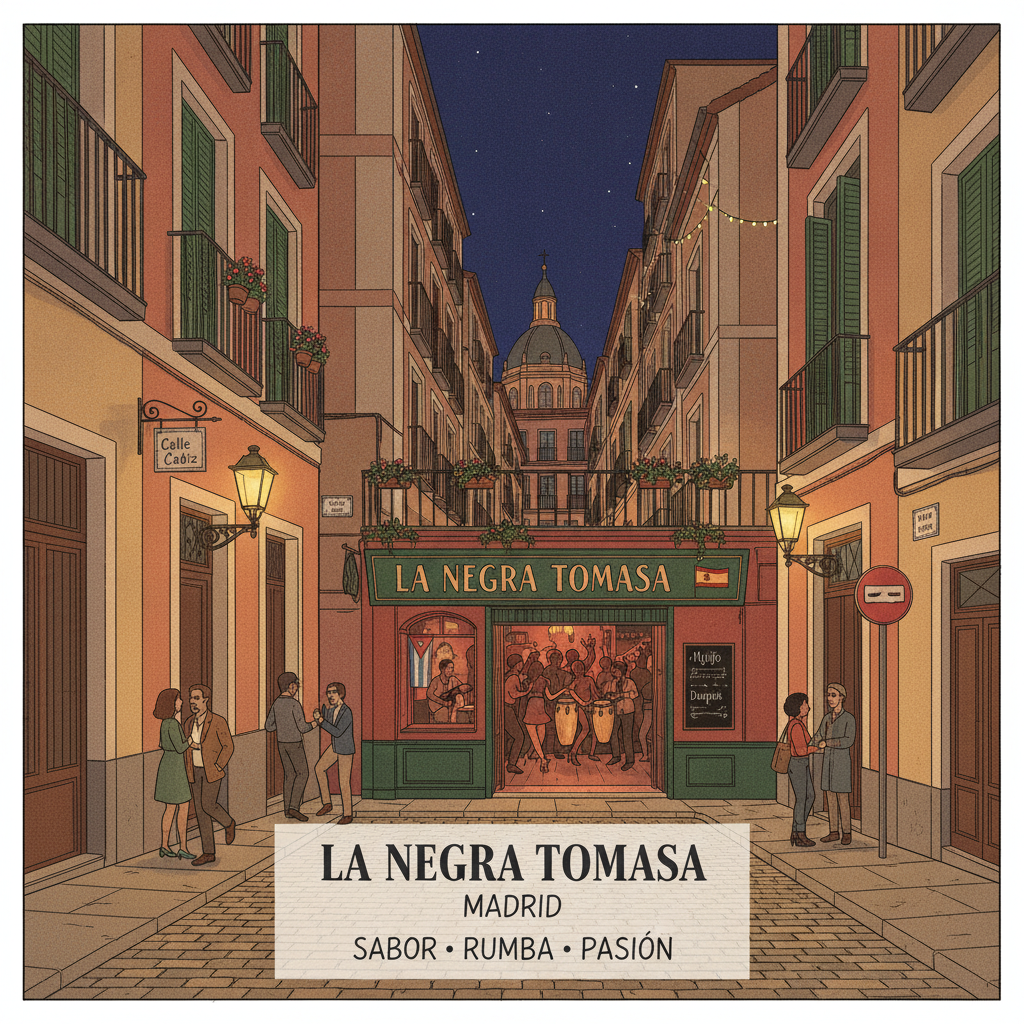
La Negra Tomasa — Cuban-Spanish Late Night
After the flamenco show, end the night at La Negra Tomasa at Calle de Cádiz 9—a legendary Madrid bar that bridges the Afro-Cuban and Spanish musical traditions and stays open until 4am on weekends. The house band plays Cuban son, rumba flamenca and salsa from about midnight; the audience tends to end up dancing in the small space between the tables. Order a mojito or a daiquiri (both made properly here), find a place to stand, and let the music do the rest. This part of central Madrid—around Huertas and Antón Martín—is where Madrileños go for a proper night out that requires no itinerary and no plan.
Walk this route with audio
Stories play automatically as you reach each stop — no tapping needed.
More in madrid
Madrid from Above: Rooftops, Terraces & Miradores
Retiro Park & La Castellana: Madrid's Green Spine
The Football Pilgrimage: Bernabéu, the City & Metropolitano
The Art Golden Triangle: Prado, Thyssen & Reina Sofía
La Movida & Malasaña: Madrid's Cultural Revolution