Amazon Nature Close-Up: Giant Water Lilies, Capybara, Sloths, Brazil Nuts, and Photography in the Tropics
The detailed natural history of the Amazon around Manaus encompasses the giant Victoria amazonica water lily, the capybara and sloth encounters, the Brazil nut forest economy that makes intact forest more valuable than cleared land, and the challenges and rewards of photography in the most biodiverse environment on Earth.
- 1
Floating on the Amazon: The Houseboats
The boia, the wooden motorized houseboat that serves as both home and fishing vessel for the riverside communities of the Amazon floodplain, is the most characteristic vessel of the Amazon river system and can be rented through ecotourism operators in Manaus for multi-night floating excursions on the river and its tributaries. The experience of sleeping on the river, cooking with the catch of the day, and waking to the bird chorus of the Amazon dawn is the most intimate possible encounter with the Amazon river culture.
- 2
Victoria Amazonica: The Giant Water Lily
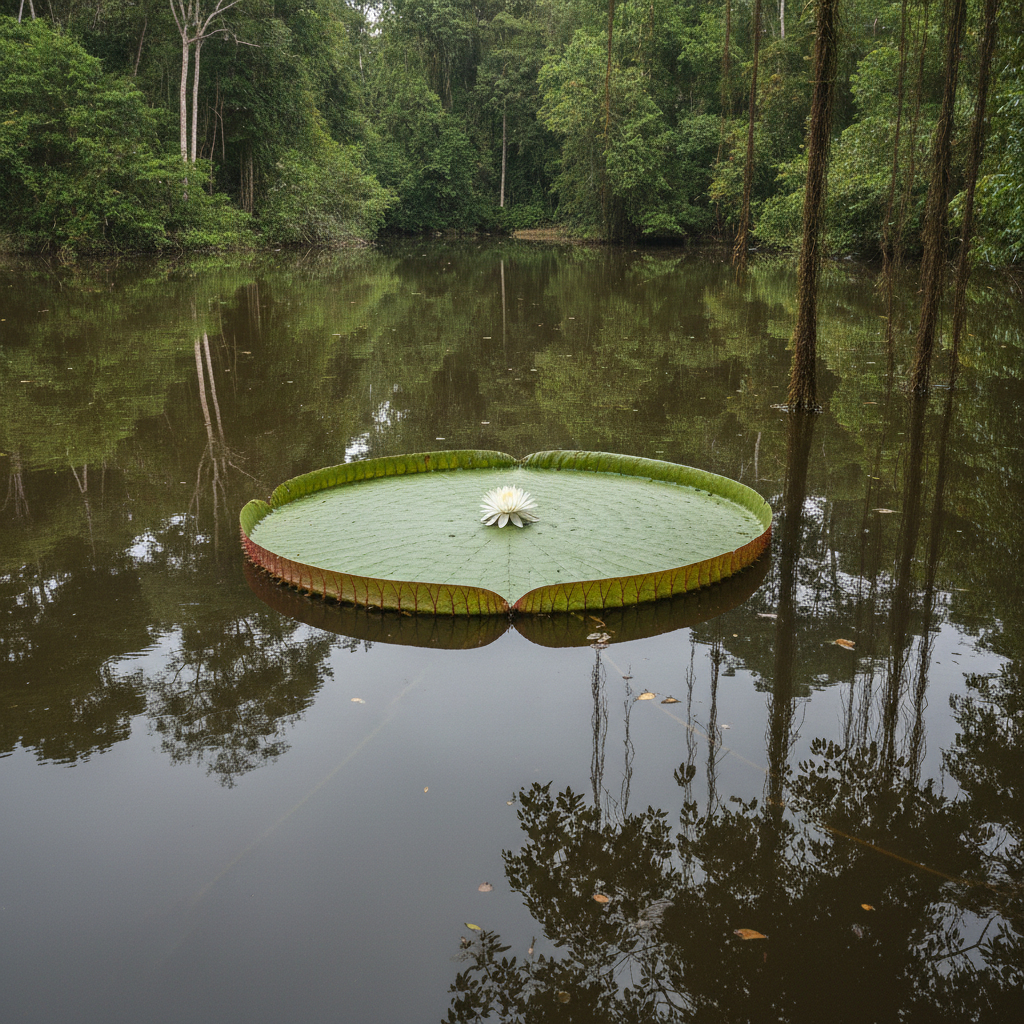
The Victoria amazonica, the giant water lily of the Amazon whose leaves grow up to three meters in diameter and can support the weight of a small child, is the most spectacular botanical specimen of the Amazon floodplain and is found in the lakes and oxbow ponds of the Manaus area where it blooms from November to February. The night-blooming flower changes from white on the first night to pink on the second in a pollination strategy that has fascinated botanists since the species was first described.
- 3
Capybara: The Gentle Giant of the Amazon
The capybara, the world's largest rodent weighing up to 60 kilograms, is abundant throughout the Amazon floodplain and is one of the most commonly observed large mammals from the boats and canoes of the Manaus lake system, where the animals graze on the floating grass islands and rest on the riverbanks in groups. The capybara is the primary large prey species of the jaguar and the anaconda in the Amazon ecosystem.
- 4
Amazon Photography: Working in the Tropics
Photography in the Amazon presents specific challenges from the combination of extreme humidity, the deep shade of the forest interior, the fast-moving river light during sunrise and sunset, and the unpredictability of wildlife encounters; the most successful Amazon photography requires a combination of patience, fast lenses for the forest interior, and the acceptance that the most memorable encounters cannot be anticipated or framed.
- 5
Sloth: The Slowest Mammal
The three-toed sloth, the slowest mammal in the world and one of the most adapted to a single-food diet of cecropia leaves, is present in the secondary forest around Manaus and is one of the most requested wildlife encounters for visitors to the Amazon. The sloth's slow metabolism and the algae that grows in its fur, giving the animal a greenish tint, are adaptations to an environment of abundant but low-nutrition food.
- 6
Brazil Nut: The Forest Economy
The Brazil nut tree, which only reproduces naturally in intact old-growth forest because its pollination depends on a specific bee and its seed dispersal depends on the agouti rodent, is both the most economically significant non-timber forest product of the Amazon and a biological indicator of forest integrity. The Brazil nut economy of the Acre and Amazonas state reserves provides the economic incentive for maintaining the standing forest that makes Brazil nut collection more profitable than clearing for cattle.
Walk this route with audio
Stories play automatically as you reach each stop — no tapping needed.
More in Manaus
Manaus Jungle Guide: Survival Skills, Health Preparation, Responsible Operators, and the Amazon at Risk
Manaus Practical Guide: Airport, Amazon Seasons, Choosing a Jungle Lodge, and the River Cruise to Belem
Manaus History: The Rubber Boom, Fordlandia, Amazon Science, and the Industrial Free Trade Zone
Amazon Conservation and Wildlife: Deforestation, Yanomami Rights, the Flooded Forest, and the Species Kingdom
Manaus Food and Culture: Tacacá, Pirarucu, Guaraná, and the Parintins Boi Bumba Festival