Manaus History: The Rubber Boom, Fordlandia, Amazon Science, and the Industrial Free Trade Zone
The history of Manaus encompasses the extraordinary rubber boom that built an opera house in the rainforest, Henry Ford's catastrophic Amazon industrial experiment, the INPA scientific research institution, and the 1967 free trade zone that made Manaus the unlikely industrial center of the Brazilian Amazon.
- 1
Rubber Boom Manaus: The City that Rubber Built
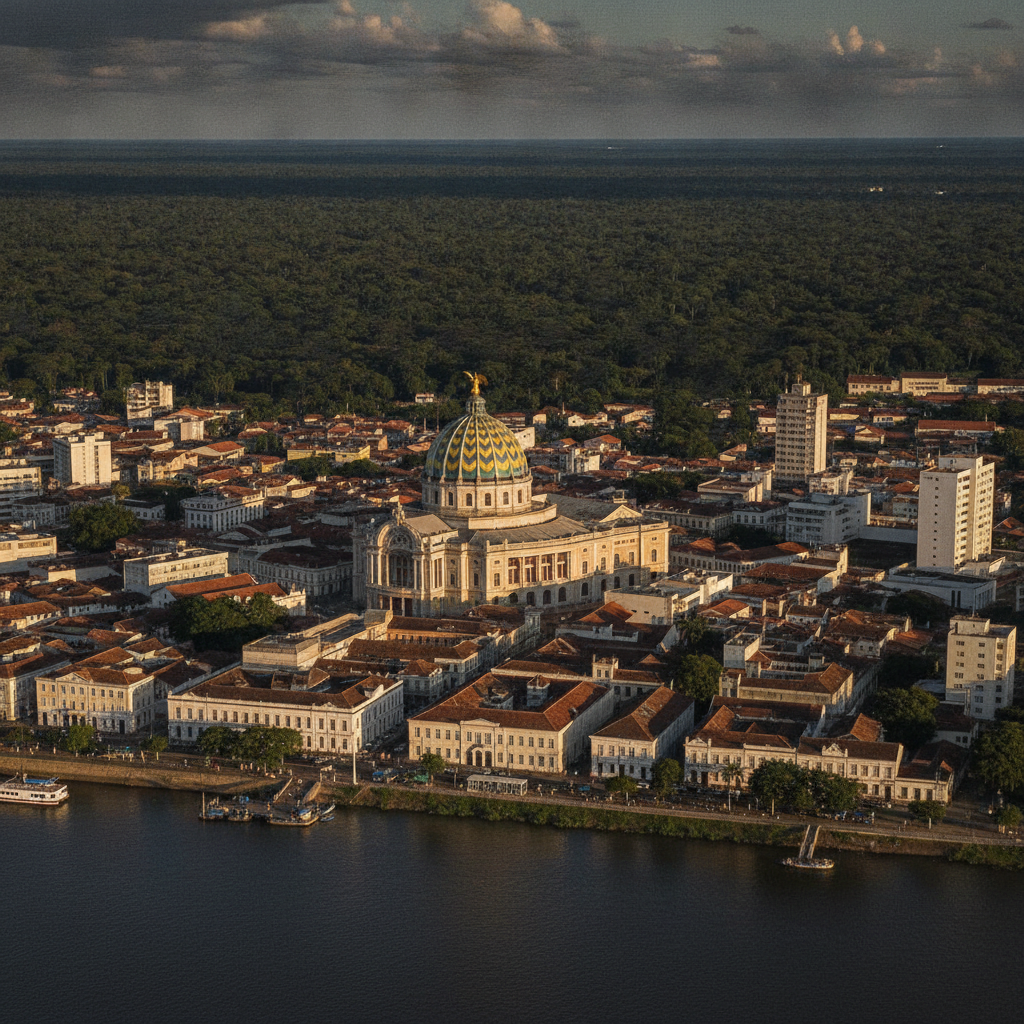
The rubber boom of 1850 to 1912, when the Amazon Basin controlled the global supply of natural rubber before the British-organized Malayan plantation system broke the Brazilian monopoly, transformed Manaus from a small river trading post into one of the wealthiest cities in Latin America, with paved streets, electric tramways, running water, and the Teatro Amazonas built while the contemporary cities of the European hinterland lacked such infrastructure. The bust was as rapid as the boom.
- 2
Fordlandia: Henry Ford's Amazon Failure
Fordlandia, the planned American city built by Henry Ford on the lower Tapajos River in 1928 as a rubber plantation to supply his automotive factories, was one of the most ambitious and most complete industrial failures in history: the monoculture rubber trees were destroyed by leaf blight, the American labor management system was incompatible with the Amazon environment and the Brazilian workers, and the city was abandoned in 1934 before a single tire was produced. The ghost town ruins remain accessible by boat from Santarem.
- 3
INPA: The Amazon Research Institute
The Instituto Nacional de Pesquisas da Amazonia in Manaus, the principal scientific research institution for the Amazon ecosystem, maintains the world's most important freshwater fish aquarium displaying species of the Amazon river system and the Project Dinamic Biological Fragmentation experiment that has studied the consequences of forest fragmentation since 1979. The INPA campus is open to visitors and provides the scientific context for understanding the Amazon ecosystem being consumed by deforestation.
- 4
Jungle Market: The Adolpho Lisboa Market
The Mercado Municipal Adolpho Lisboa, an iron-frame market hall built in 1882 during the rubber boom period and inspired by the Les Halles market in Paris, is the primary food and craft market of Manaus and the source of the Amazon regional products including the tucuma palm fruit, cupuacu, and the dried piraruca fish that define the riverside food culture. The fish section of the market in the early morning, with the enormous pirarucu and the dozens of smaller Amazon river fish laid out for sale, is the most concentrated expression of the Amazon food economy.
- 5
Free Trade Zone: The Polo Industrial
The Zona Franca de Manaus, established in 1967 by the military government to stimulate the Amazon economy, is a free trade zone and industrial hub where major electronics, motorcycle, and consumer goods manufacturers produce for the Brazilian domestic market under tax incentives unavailable elsewhere; the industrial zone has made Manaus the largest industrial center in the Amazon Basin and attracted a population from across the north of Brazil seeking manufacturing employment.
- 6
Amazon Climate: Understanding the Forest-Weather System
The Amazon rainforest generates approximately half of its own rainfall through the evapotranspiration of water from the tree canopy, creating what atmospheric scientists call flying rivers that transport moisture from the Amazon to the south of Brazil and beyond. The destruction of the Amazon forest is not only a biodiversity loss but a disruption of the continental water cycle that sustains agriculture in the cerrado and southern Brazil.
Walk this route with audio
Stories play automatically as you reach each stop — no tapping needed.
More in Manaus
Manaus Jungle Guide: Survival Skills, Health Preparation, Responsible Operators, and the Amazon at Risk
Manaus Practical Guide: Airport, Amazon Seasons, Choosing a Jungle Lodge, and the River Cruise to Belem
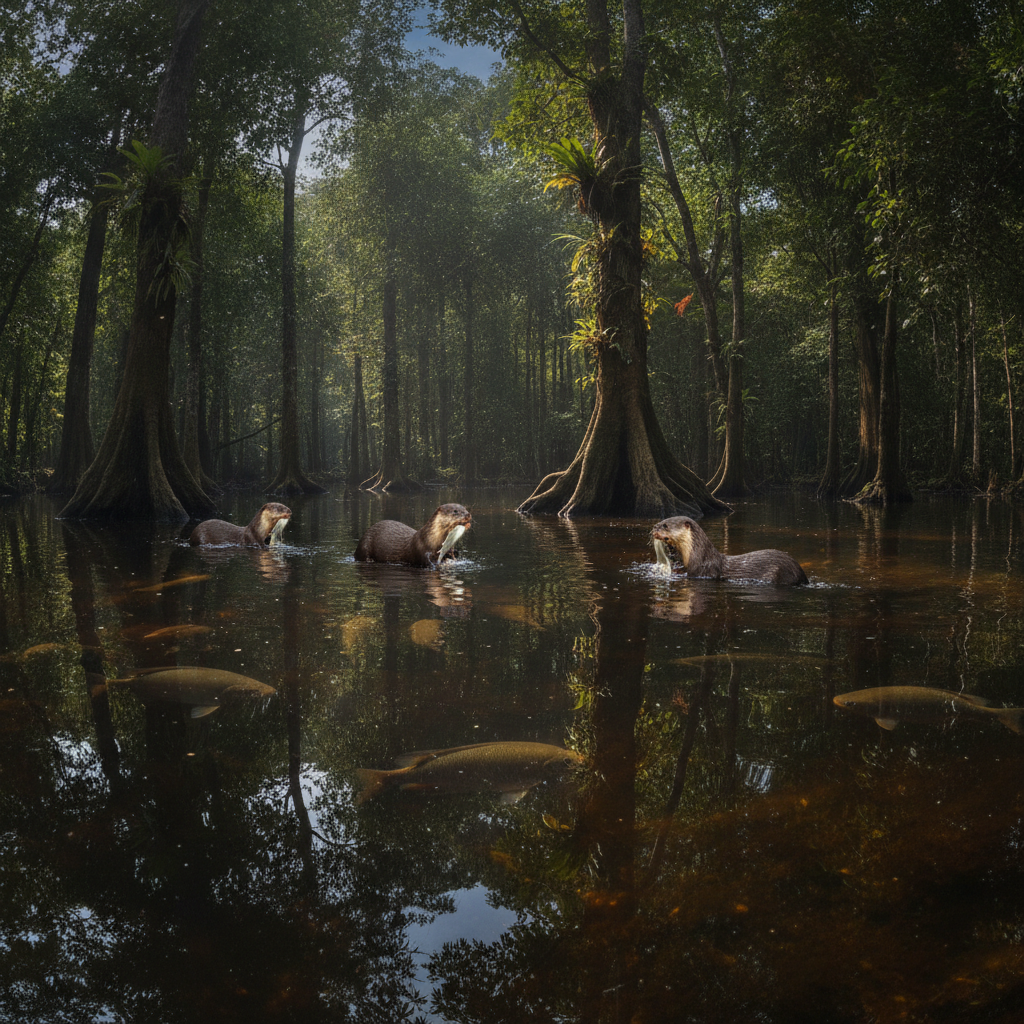
Amazon Conservation and Wildlife: Deforestation, Yanomami Rights, the Flooded Forest, and the Species Kingdom
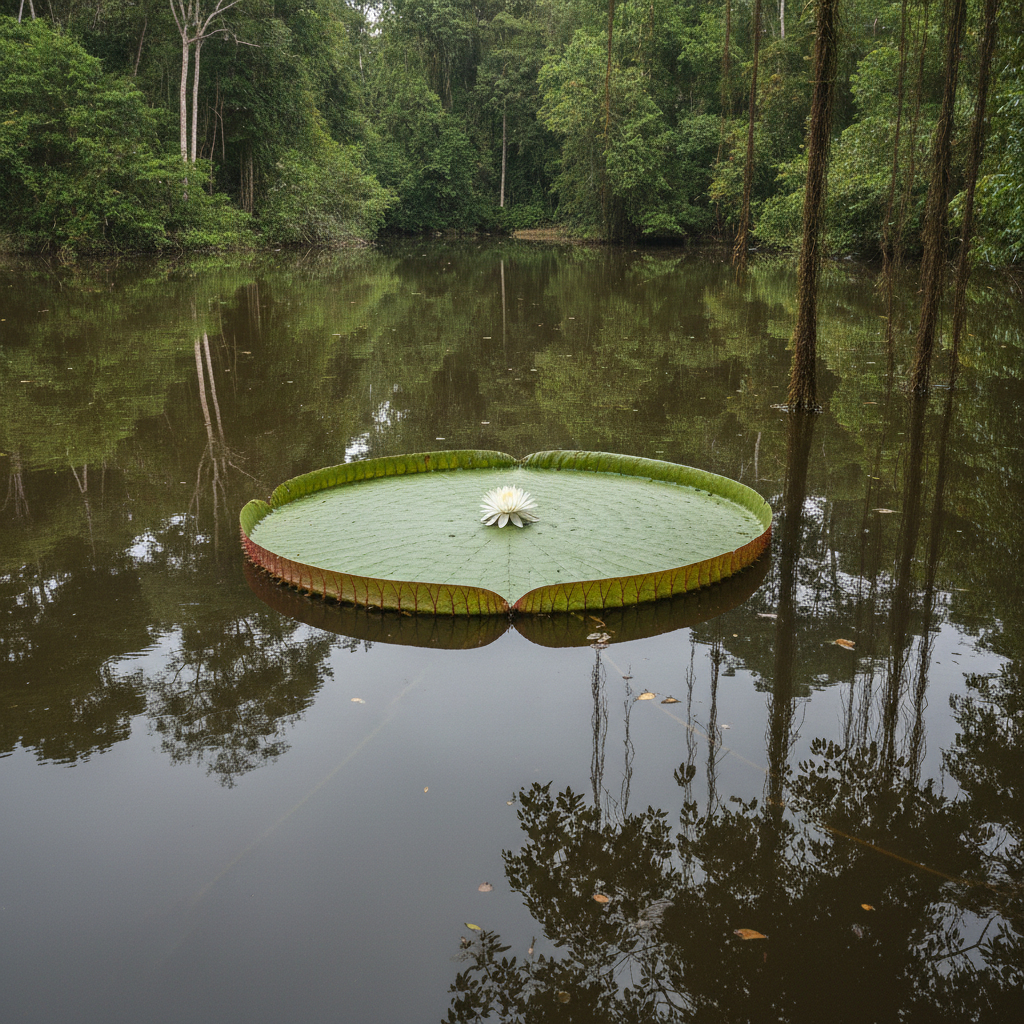
Amazon Nature Close-Up: Giant Water Lilies, Capybara, Sloths, Brazil Nuts, and Photography in the Tropics
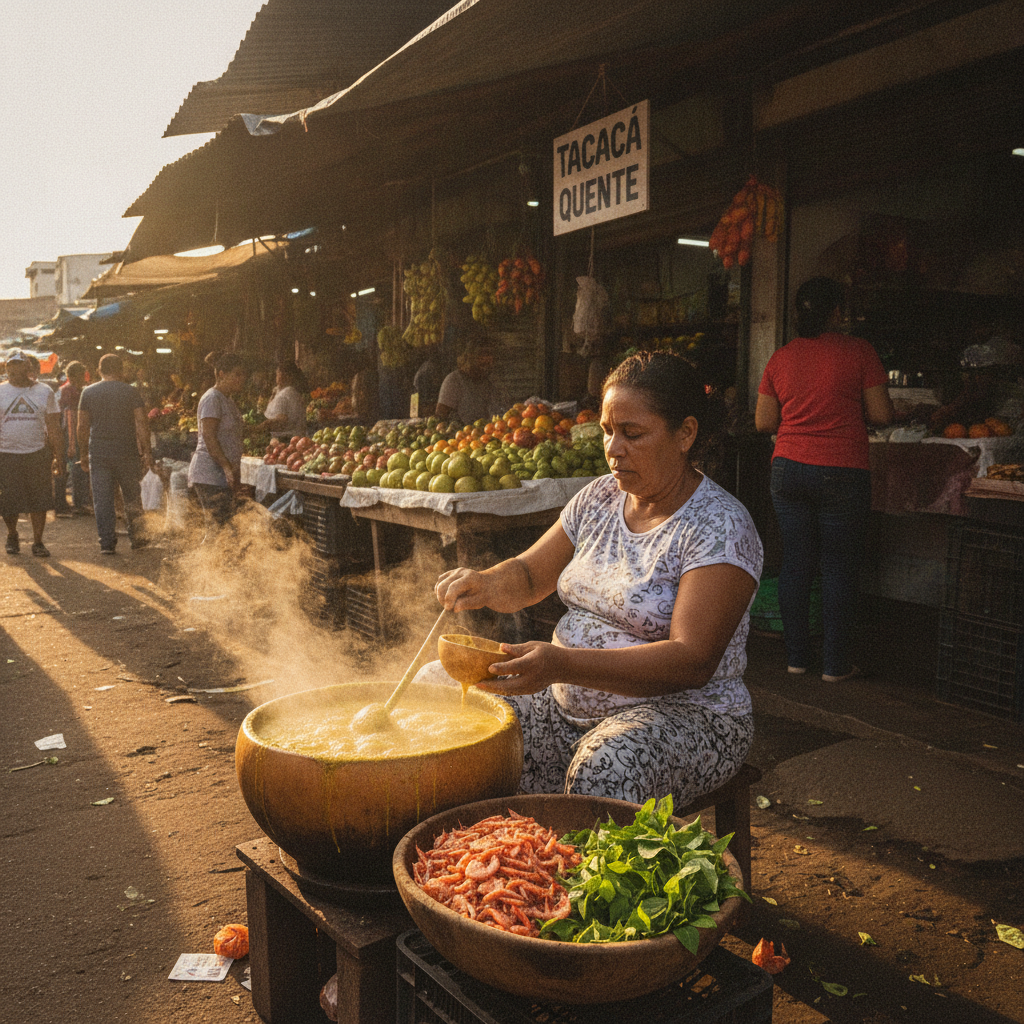
Manaus Food and Culture: Tacacá, Pirarucu, Guaraná, and the Parintins Boi Bumba Festival