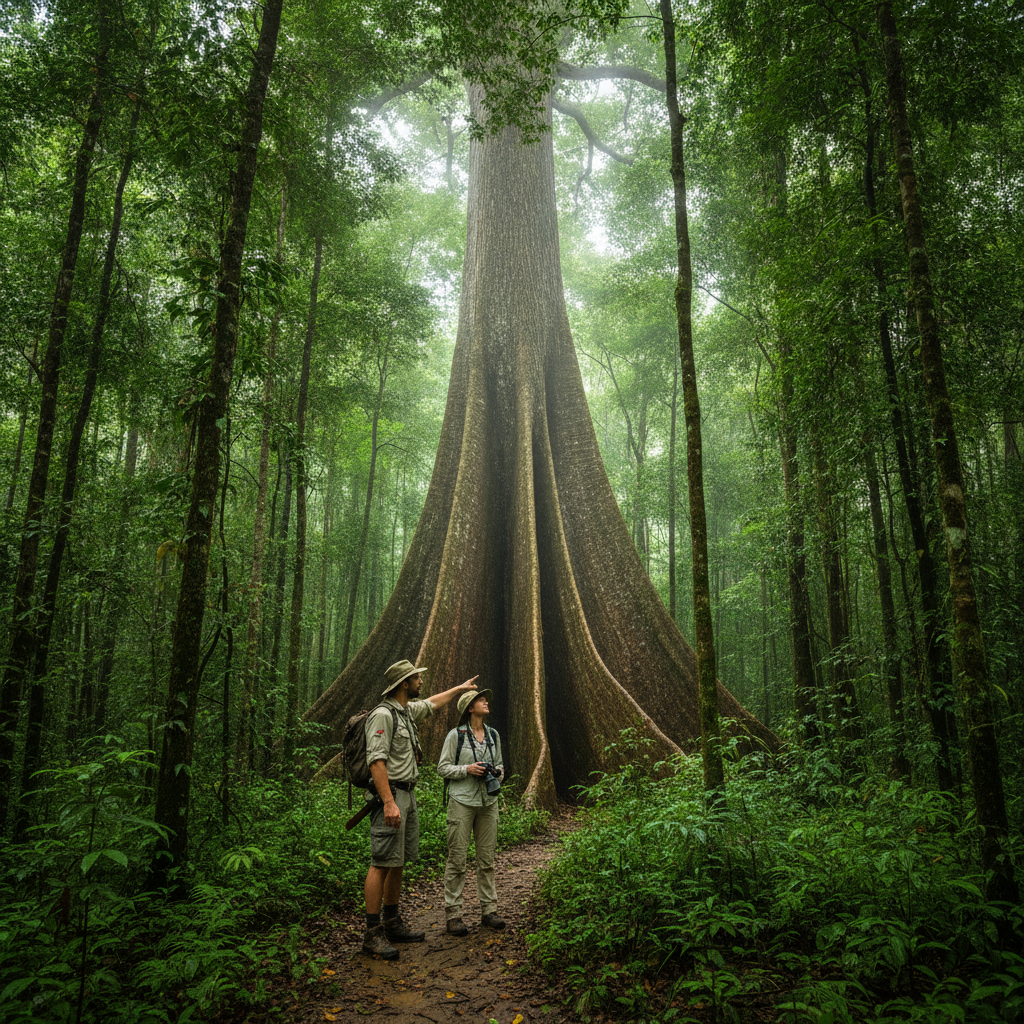
Manaus Jungle Guide: Survival Skills, Health Preparation, Responsible Operators, and the Amazon at Risk
The final practical and conservation dimensions of the Manaus Amazon experience cover the indigenous jungle survival knowledge taught by lodge guides, the health preparation for tropical travel, the selection of responsible certified operators, and the current conservation status of an ecosystem approaching a critical tipping point.
- 1
Jungle Survival Skills: Indigenous Knowledge
The jungle survival knowledge of the Amazonian indigenous peoples, which enables them to navigate by the position of the sun and the patterns of the forest, identify edible and medicinal plants, construct temporary shelter from forest materials, and find water in the forest, is transmitted through lodge-based indigenous guide programs that provide visitors with a practical introduction to the ecological knowledge that makes forest life possible. The knowledge is both practically useful and culturally profound.
- 2
Mosquitoes and Tropical Health: Preparation for the Amazon
The health preparation for an Amazon visit includes malaria prophylaxis for travel in endemic areas outside the Manaus urban center, yellow fever vaccination, dengue fever awareness, and the protection against the aggressive biting insects of the forest through long-sleeved clothing and repellent. The risk level varies significantly between the urban environment of Manaus and the forest lodges in the primary forest where malaria transmission is possible.
- 3
Eco-certification: Choosing Responsible Operators
The quality and environmental responsibility of jungle lodge and tour operators in Manaus varies widely; the Ministerio do Turismo certification and the ABETA adventure travel operators association membership are the most reliable indicators of operator quality and environmental compliance. Choosing a certified operator directly supports the conservation of the Amazon through the sustainable tourism economy.
- 4
Languages of the Amazon: The Indigenous Diversity
The approximately 160 indigenous languages still spoken in the Brazilian Amazon, belonging to more than 20 distinct language families, constitute one of the most extraordinary concentrations of linguistic diversity on Earth and are at various stages of endangerment from the pressure of Portuguese language education and the migration of young people from indigenous communities to the cities. The documentation of Amazon indigenous languages is a race against the time as monolingual speakers of the smaller languages age.
- 5
Amazon at Risk: Current Status
The Amazon deforestation rate reached a historic low during the Lula administration of 2003 to 2010 and then increased dramatically during the subsequent decade; the current trajectory of deforestation, mining, and dam construction in the Amazon puts the ecosystem on a potential tipping point where the loss of forest cover could trigger a savannification process that converts large areas of the wet rainforest to a dry cerrado-type ecosystem with catastrophic consequences for the global climate system.
- 6
Returning to Manaus: The Sensory Transition
The return to Manaus from a jungle lodge experience involves a sensory transition from the forest world of constant biological sound, dim green light, high humidity, and physical discomfort from insects and heat to the air-conditioned urban environment of the Brazilian Amazon city that is simultaneously a relief and a loss. The forest experience, even of two or three days, recalibrates the perception of what a living environment feels and sounds like.
Walk this route with audio
Stories play automatically as you reach each stop — no tapping needed.
More in Manaus
Manaus Practical Guide: Airport, Amazon Seasons, Choosing a Jungle Lodge, and the River Cruise to Belem
Manaus History: The Rubber Boom, Fordlandia, Amazon Science, and the Industrial Free Trade Zone
Amazon Conservation and Wildlife: Deforestation, Yanomami Rights, the Flooded Forest, and the Species Kingdom
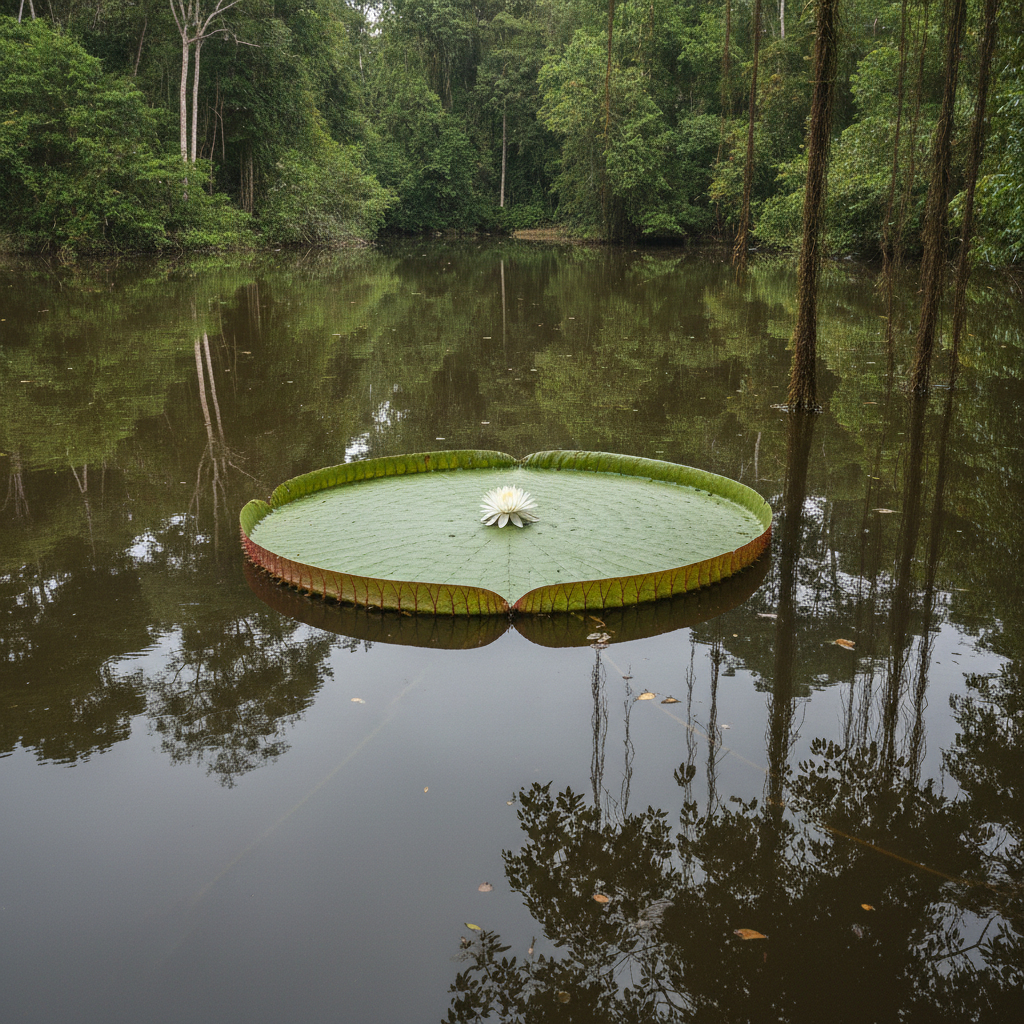
Amazon Nature Close-Up: Giant Water Lilies, Capybara, Sloths, Brazil Nuts, and Photography in the Tropics
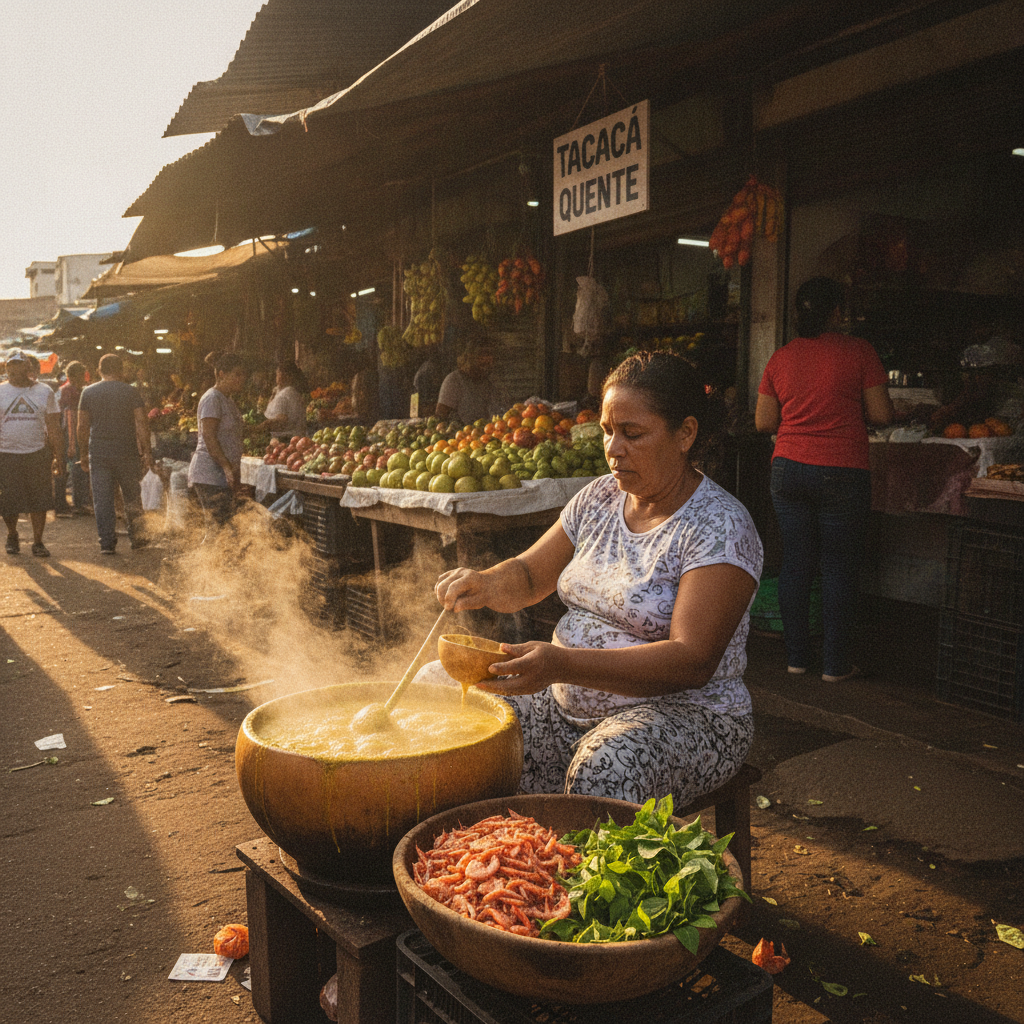
Manaus Food and Culture: Tacacá, Pirarucu, Guaraná, and the Parintins Boi Bumba Festival