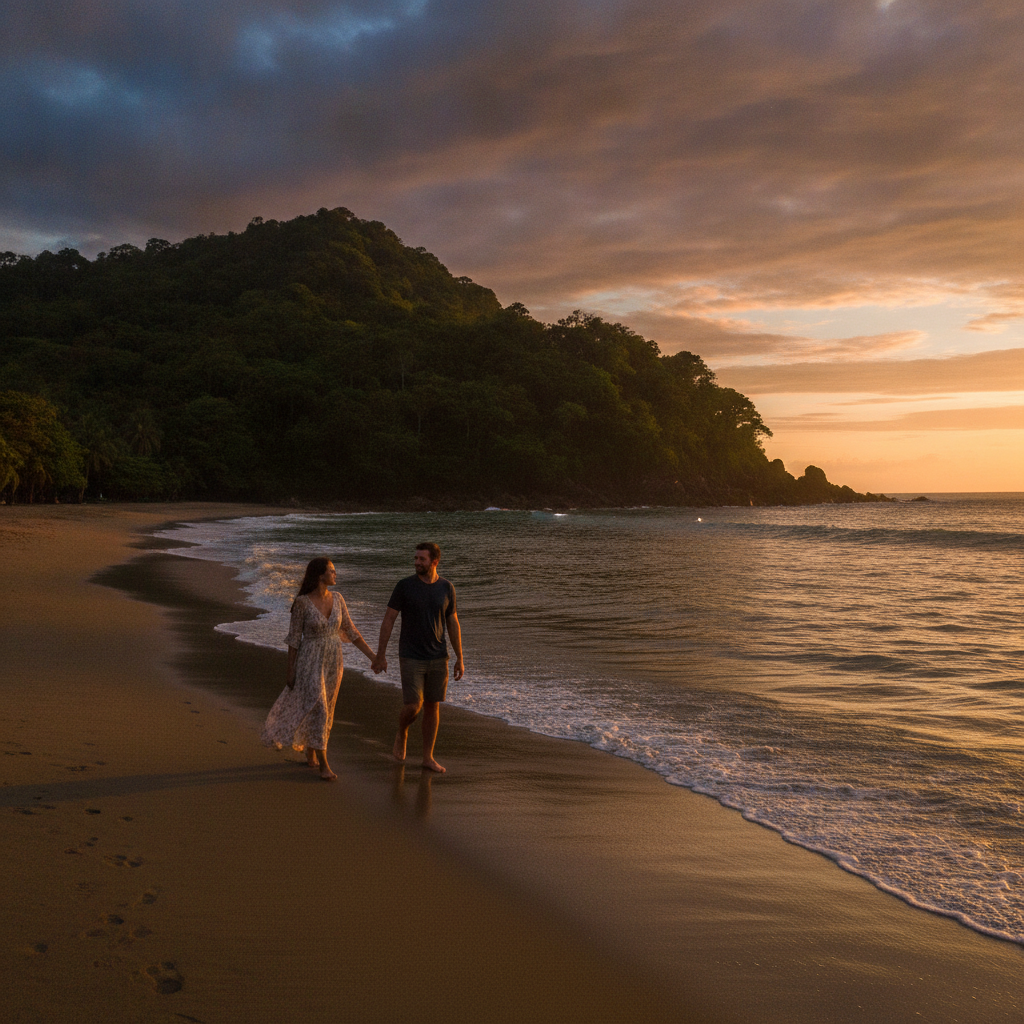
LGBTQ+ Travel in Manuel Antonio and the Costa Rica Context
Manuel Antonio has developed one of the most visible and welcoming LGBTQ+ tourism environments in Central America. The combination of relatively progressive Costa Rican civil rights law, a large international tourist base that normalizes public same-sex affection, and a cluster of gay-owned and gay-friendly hotels and bars on the hillside has made the destination specifically marketed to LGBTQ+ travelers from North America and Europe. This route examines the social geography of LGBTQ+ life in Manuel Antonio, the legal context in Costa Rica, and the economics of the niche tourism market.
- 1
Costa Rica Legal Framework: Marriage Equality and Regional Context
Costa Rica became the first country in Central America to legalize same-sex marriage, which took effect in May 2020 following a Constitutional Chamber ruling. The milestone placed Costa Rica significantly ahead of its neighbors: same-sex relationships remain criminalized in parts of the Caribbean, and legal protections are minimal throughout most of Central America. The Costa Rican advancement reflected a combination of judicial activism, a younger generation with more liberal social views, and the political isolation of strongly conservative religious opposition. Manuel Antonio preceded the legal change in terms of social practice, having developed an openly LGBTQ+-welcoming environment through the 2000s and 2010s as the tourism market shaped local norms faster than the national legal timeline.
- 2
La Cantina and the Gay Bar Geography of Quepos
The Quepos and Manuel Antonio bar scene includes several specifically LGBTQ+-oriented venues. La Cantina in Quepos is the longest-established gay bar on the Central Pacific coast, operating for over a decade and serving as a social hub for the local gay community and visiting tourists. The hillside hotel strip has several gay-owned boutique properties that maintain active guest social programs including pool parties and excursion groups. The concentration is small by comparison with San Jose's more developed gay bar scene in Barrio Escalante and around the university, but the combination of beach access and the park makes the Manuel Antonio environment more attractive to the tourism demographic.
- 3
Gay-Owned Hotels and the Boutique Economy
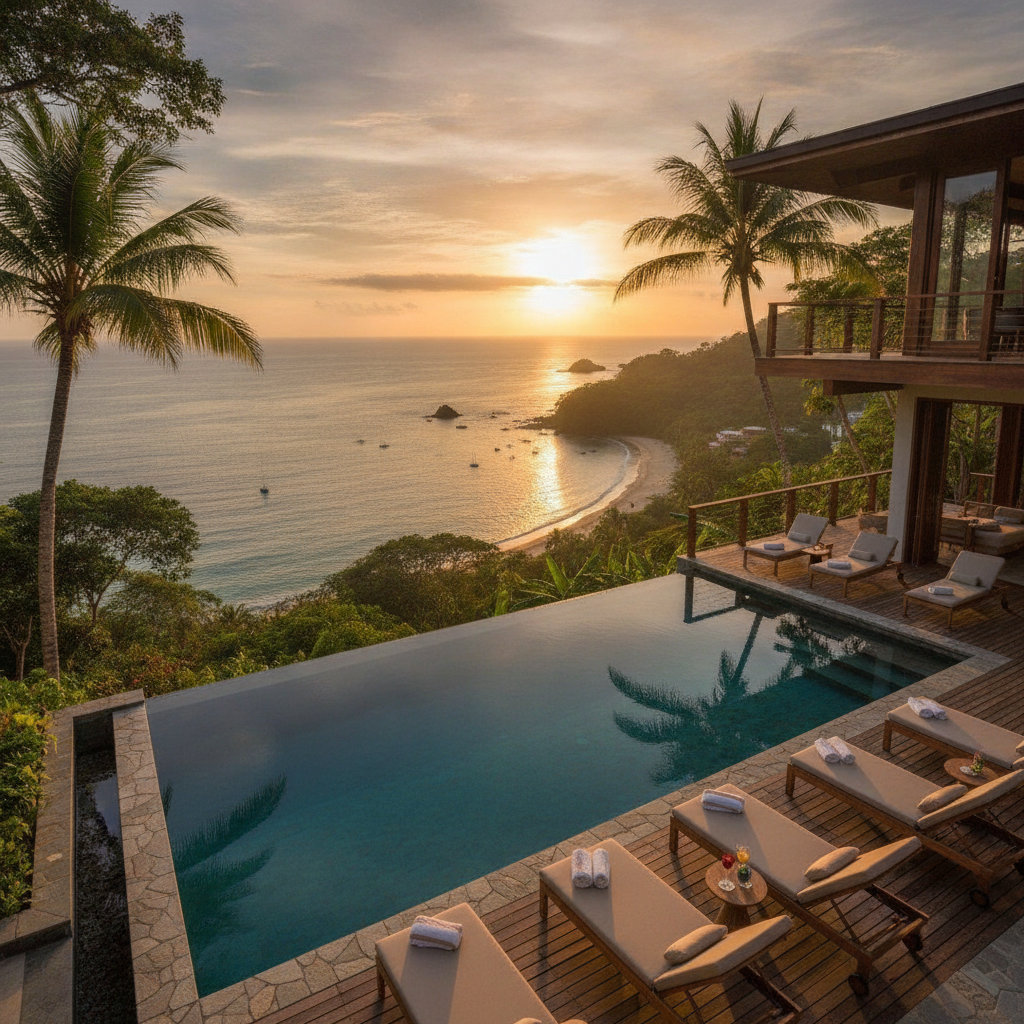
Several of the boutique hotels on the hillside above Manuel Antonio are gay-owned or explicitly gay-friendly, a positioning that emerged in the early 2000s when the destination began appearing in LGBTQ+-specific travel media. Properties like Gaia Hotel and Reserve have marketed internationally to this demographic. The hillside boutique model with its small capacity, high price point, and social programming around shared pool and bar spaces suits the LGBTQ+ travel market well: it provides a social environment without requiring guests to navigate the mainstream bar scene. The economic model has proven durable, and the gay-friendly hotel cluster has maintained its positioning through twenty years of the destination's broader commercialization.
- 4
Manuel Antonio Beach: Informal Social Geography
The beaches inside the national park have developed informal social zones recognizable to repeat visitors. Playa Manuel Antonio, the most sheltered and photogenic of the park beaches, has a section at its northern end that functions as an informal gathering point for gay and lesbian visitors. The beach geography provides a social space that requires no cover charge or bar minimum, accessible to the budget end of the LGBTQ+ tourist market. The informal zoning reflects the same process observable on beaches worldwide where communities self-organize visible social spaces without formal designation. The park management is aware of the pattern and has not interfered with it.
- 5
San Jose Gay Scene: Bars, Pride, and the Urban LGBTQ+ Community
San Jose has the most developed LGBTQ+ urban scene in Central America, concentrated around Barrio Escalante and the university zone. The annual Pride parade has grown to tens of thousands of participants. Several dedicated gay bars and clubs operate in the central neighborhoods, and the cafe culture of Barrio Escalante is generally very welcoming. The Costa Rican LGBTQ+ community includes a strong indigenous and Afro-Caribbean component from the Caribbean coast, where the legal protections exist on paper but social acceptance varies significantly from the Central Valley urban environment. San Jose Pride and Manuel Antonio beach culture represent the two poles of the LGBTQ+ travel experience in the country.
- 6
Practical LGBTQ+ Travel Guide for Manuel Antonio
Manuel Antonio is genuinely welcoming to LGBTQ+ couples and solo travelers in the tourist zone and park environment. Public same-sex affection is unremarkable on the beach and in the hotel strip. The situation in Quepos town and in rural areas inland is more variable: Costa Rica is broadly tolerant but not universally so, and the rural interior maintains more conservative social norms. The IGLTA-affiliated hotels on the hillside offer the most predictably welcoming environments. The combination of Costa Rica's legal protections, the Manuel Antonio social environment, and the beach and wildlife access makes this one of the strongest LGBTQ+ travel propositions in Latin America, particularly for travelers who prioritize nature over urban nightlife.
Walk this route with audio
Stories play automatically as you reach each stop — no tapping needed.
More in Manuel Antonio
Osa Peninsula and Corcovado: The Most Biodiverse Place on Earth
Manuel Antonio Practical Guide: Park Access, Accommodation Budget, and Seasonal Planning
Manuel Antonio: National Park, Wildlife, and the Pacific Coast Beach Experience
Jaco Beach, Dominical, and the Central Pacific Coast Circuit
Manuel Antonio Food, Nightlife, and the Hillside Hotel Scene
