Manuel Antonio Practical Guide: Park Access, Accommodation Budget, and Seasonal Planning
Manuel Antonio is one of the easiest national parks in Costa Rica to visit independently but requires specific advance planning that catches many first-time visitors off guard. Park tickets sell out, accommodation prices vary dramatically by season, and the weather creates genuinely different experiences at different times of year. This route provides the practical framework for planning a Manuel Antonio visit from San Jose, covering the reservation system, accommodation zones and price ranges, transport options, and the month-by-month seasonal guide.
- 1
Park Ticket Reservation: The SINAC System and Avoiding Sellouts
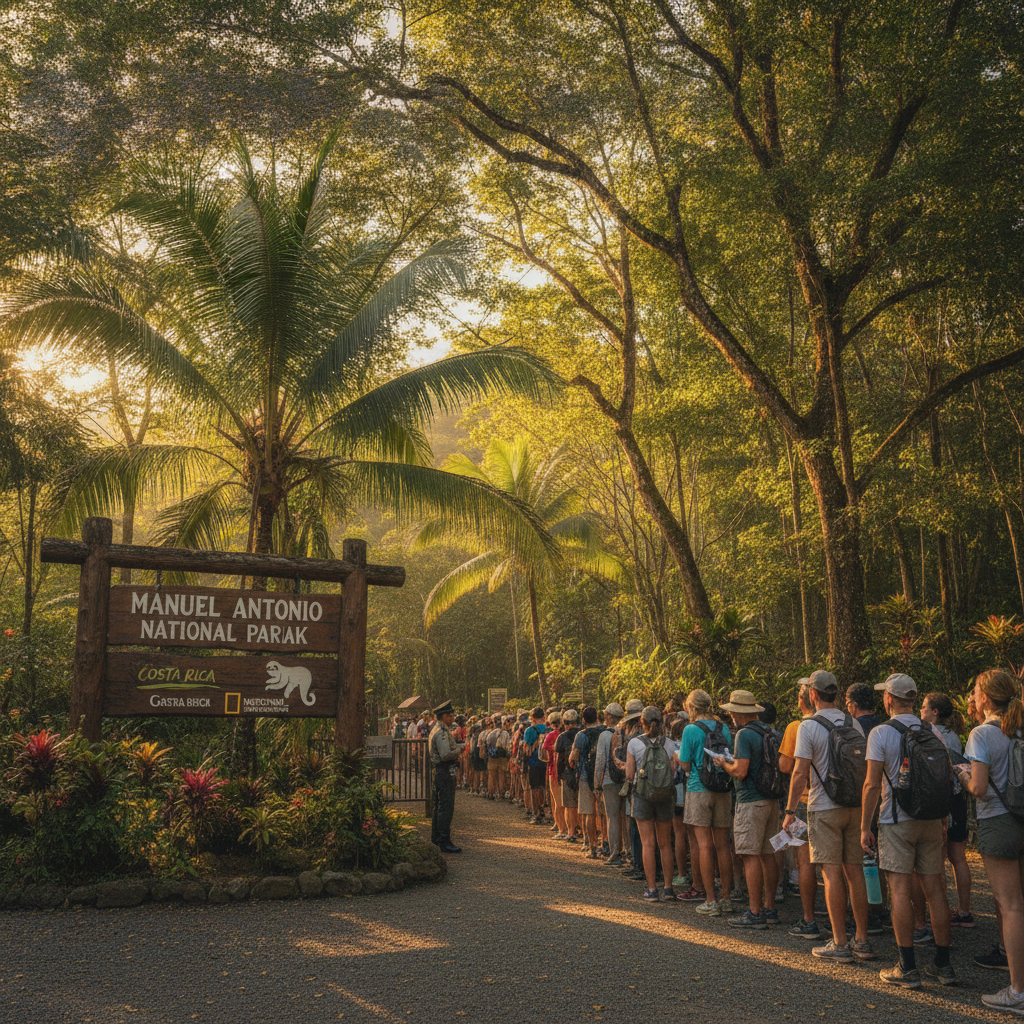
Manuel Antonio National Park limits daily visitors to 600 and requires advance ticket purchase through the SINAC online reservation system. During peak season from late December through April, tickets sell out one to two weeks in advance. The park is closed every Tuesday. Tickets must be purchased with a credit card on the SINAC website, and the confirmation email serves as the ticket for entry. Attempting to arrive without a pre-purchased ticket during high season guarantees no entry. The reservation system was introduced to manage visitor pressure after crowding was documented to affect wildlife behavior; the capuchin monkey habituation and food-begging problem was exacerbated by uncontrolled visitor numbers before the cap was implemented.
- 2
Accommodation Zones and Price Ranges
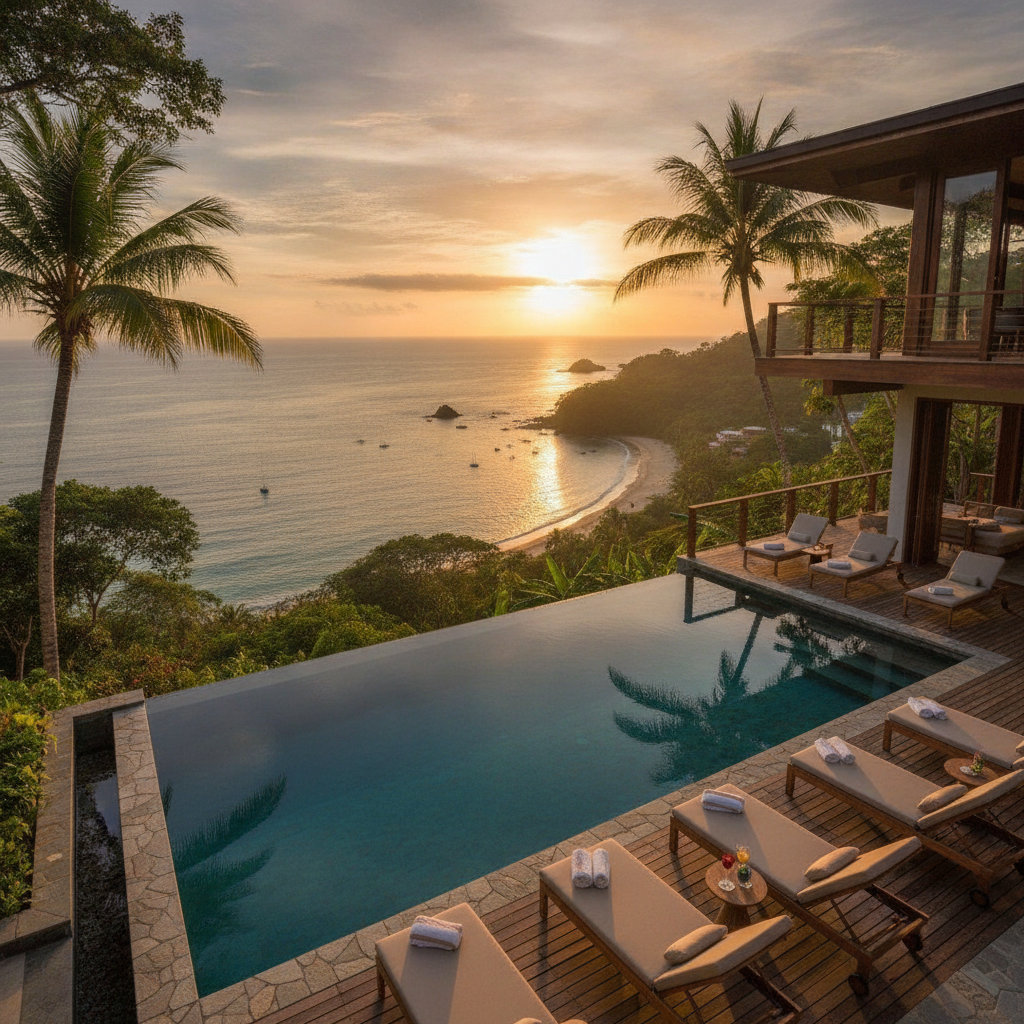
Accommodation clusters in three zones. The hillside boutique hotel strip between Quepos and the park entrance charges 150 to 500 USD per night for properties with Pacific views, pools, and restaurant service targeting the mid-to-high market. Quepos town offers hostels from 15 USD per night, budget hotels from 50 USD, and a few mid-range properties from 80 USD, all without sea views but within ten minutes of the park entrance by bus or taxi. The Playa Espadilla public beach area has a handful of beachfront hotels at mid-range prices. Airbnb and vacation rentals have expanded in all zones and can offer better value for groups. The price differential between Quepos and the hillside for equivalent quality is roughly 40 to 60 percent.
- 3
Transport from San Jose: Bus, Shuttle, and Rental Car Compared
The Transporte Morales express bus from San Jose Coca-Cola terminal to Quepos takes three hours and costs under 5 USD, running multiple times daily with reserved seating. Shared shuttles from San Jose hotel zones take two and a half hours and cost 40 to 60 USD per person, dropping off directly at hotels. Rental cars from San Jose provide the most flexibility for centering a trip on the Quepos area but require comfort with the mountain highway and the hillside hotel access roads which are steep and occasionally unpaved. Parking in Quepos town is easier than on the hillside where most hotels have limited parking. The local Quepos to park bus runs frequently and costs under 1 USD for the five-kilometer journey.
- 4
High Season vs. Green Season: What Actually Changes
The dry season from December through April brings reliable sunshine, the lowest humidity, and the peak of North American and European tourism. The park and hillside hotels operate at full capacity, prices peak at Christmas and Easter, and advance booking is essential for both accommodation and park tickets. The green season from May through November sees afternoon rain typically from 2 to 5 PM, lower humidity in the mornings, dramatically lower hotel prices (30 to 50 percent reduction), and fewer crowds in the park. Wildlife is generally more active after rain, vegetation is intensely green, waterfalls are at full volume, and river-based activities become possible. The sloths, monkeys, and birds are present year-round; the weather pattern is the primary variable.
- 5
Packing and Health Considerations
The equatorial lowland climate at Manuel Antonio requires sun protection, insect repellent, and hydration management that visitors from temperate climates underestimate. The sand flies (purrujas) on the beach at dusk and dawn are more bothersome than mosquitoes for most visitors; long sleeves and DEET repellent address them effectively. The park trails involve some scrambling on rocky sections and can be muddy in the wet season; closed-toe shoes are recommended over sandals for all but the main beach path. The water in Quepos and the hotel zone is municipally treated and generally safe to drink. Pharmacy supplies in Quepos are adequate for minor medical needs; the nearest hospital is in San Jose.
- 6
Day Trip vs. Overnight Stay: Making the Most of Limited Time
Manuel Antonio is sold as a day trip from San Jose in tour packages but a single day does not allow adequate time for the park experience plus a beach afternoon. A two-night minimum stay allows: one morning at the park for the wildlife hours from 7 to 10 AM, an afternoon at the public Espadilla beach, a second morning for a specific activity such as rafting or mangrove kayaking, and a final afternoon at leisure before the return. Three nights allows the addition of a boat tour to the Damas mangrove or a day trip toward the Nauyaca waterfalls. Four nights brings Corcovado into practical range as an overnight extension. The compressed-day-trip model produces a memorable monkey encounter but misses the layered experience that justifies the travel time from San Jose.
Walk this route with audio
Stories play automatically as you reach each stop — no tapping needed.
More in Manuel Antonio
LGBTQ+ Travel in Manuel Antonio and the Costa Rica Context

Osa Peninsula and Corcovado: The Most Biodiverse Place on Earth
Manuel Antonio: National Park, Wildlife, and the Pacific Coast Beach Experience
Jaco Beach, Dominical, and the Central Pacific Coast Circuit
Manuel Antonio Food, Nightlife, and the Hillside Hotel Scene
