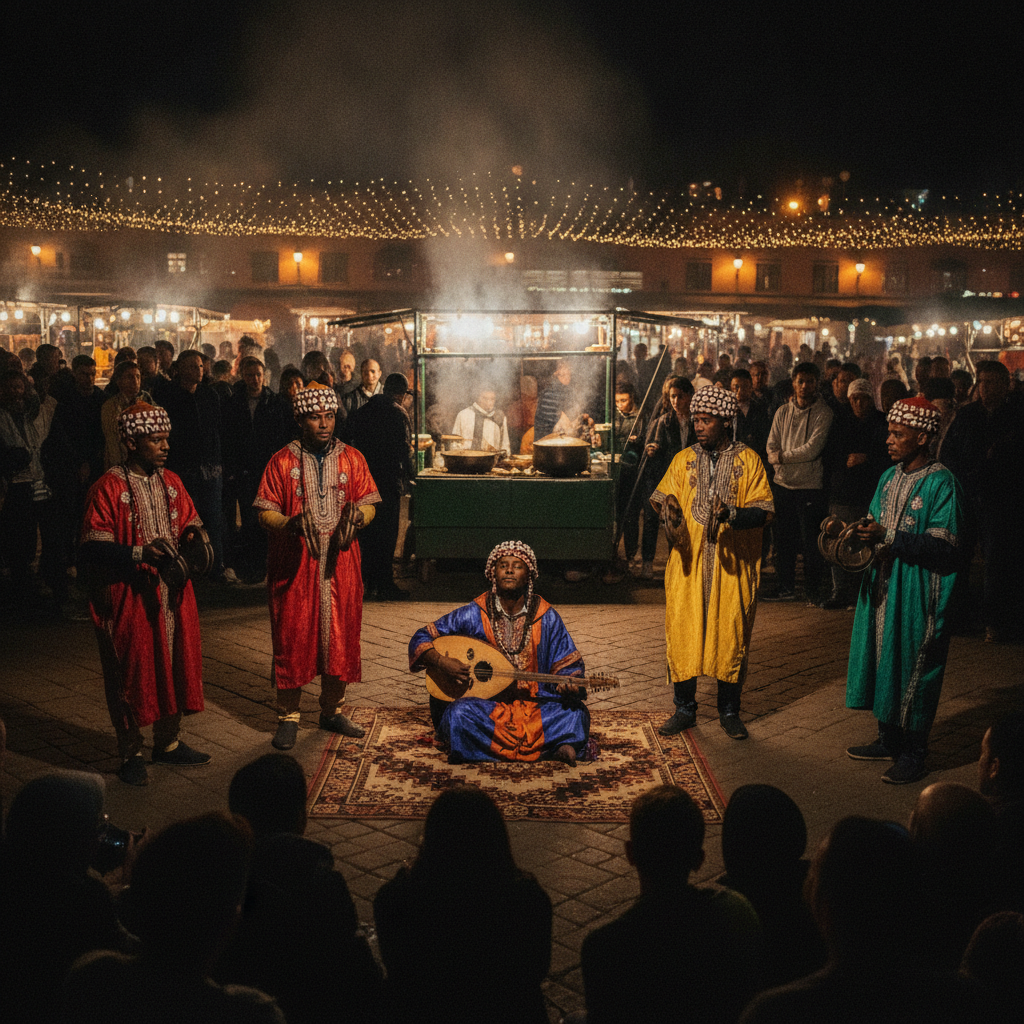
Gnawa Music, Sufi Culture & the Spiritual Heart of Marrakech
Marrakech is the spiritual capital of Moroccan musical culture, the city where the Gnawa tradition (the music of the descendants of sub-Saharan African enslaved people, recognized by UNESCO as an Intangible Cultural Heritage in 2019) is most alive, and where Sufi brotherhoods (tariqas) continue the devotional musical traditions of the Islamic world.
- 1
Gnawa Music — UNESCO Intangible Heritage
Gnawa music (the musical and spiritual tradition of the Gnawa people of Morocco — the descendants of enslaved sub-Saharan Africans (from West Africa and the Sudan) who were brought to Morocco from the 10th century onward and who developed a unique musical and spiritual tradition blending Islamic Sufi practice with sub-Saharan African animist religious ritual — recognized by UNESCO as an Intangible Cultural Heritage of Humanity in 2019): the Gnawa musical tradition is centred on the lila (the all-night healing ceremony — the name means 'night' in Arabic), in which the maalem (the Gnawa master musician and spiritual healer) leads a sequence of musical phases, each associated with a specific mluk (spirit or saint), colour, incense, and emotional state, to induce trance states in participants and effect spiritual healing; the instruments are the guembri (the three-stringed bass lute with a camel-skin body and resonator — the maalem's primary instrument) and the qraqeb (the large metal castanets played in pairs, producing the characteristic hypnotic clanging rhythm); the most accessible encounter with Gnawa music for visitors is the nightly performances in Djemaa el-Fna.
- 2
Marrakech Sufi Brotherhoods — The Living Mystical Tradition
The Sufi brotherhoods (tariqas) of Marrakech (the mystical Islamic orders that practice devotional music, chanting, and movement as a path to spiritual union with God — the most important spiritual institutions in traditional Moroccan Islam): the major Sufi brotherhoods of Marrakech include the Qadiriyya (followers of the 12th-century Baghdad mystic Abd al-Qadir al-Jilani), the Tijaniyya (founded in Fez in 1782 by Ahmad al-Tijani, the largest Sufi order in West Africa and Morocco), and the Aissawa (founded in Meknes in the early 16th century, known for their spectacular hadra (devotional ceremony) which involves ecstatic group chanting and movement); the weekly hadra ceremonies of the Sufi brotherhoods (typically held in their respective zawiyas (lodges) after Friday prayers) are the most authentic expression of traditional Moroccan spiritual life.
- 3
The Seven Saints of Marrakech — The Spiritual Pilgrimage Circuit
The Seven Saints of Marrakech (the Saba Rijal — the seven holy men whose tombs (zawiyas) are distributed around the Marrakech medina, forming a traditional pilgrimage circuit that Marrakchis complete in a single day — one of the most important local religious practices in Morocco): the seven saints are: Sidi Youssef ibn Ali (the patron saint of Marrakech, the 12th-century mystic whose zawiya is in the southern medina), Sidi Bel Abbas (the most important saint of Marrakech, the 12th-century Sufi whose large zawiya and mosque complex in the northern medina remains the most active pilgrimage site in the city), Sidi Ben Slimane al-Jazouli (16th-century mystic and poet), Sidi Abdel Aziz al-Tabba (the 13th-century saint buried near the Bab Doukkala gate), Sidi Moul el-Ksour (near Bab Taghzout), Cadi Ayad (the great 12th-century Islamic scholar and judge), and Sidi Youssef ibn Ali (in the southern medina — his zawiya containing the sacred tomb).
- 4
Gnaoua World Music Festival — June in Essaouira
Gnaoua World Music Festival (the annual music festival in Essaouira, held each June (4 days), which has become the most important world music festival in Africa and one of the most significant music festivals on the continent since its founding in 1998): the festival brings together the leading Gnawa maalem musicians of Morocco in collaboration with international musicians (jazz, blues, reggae, electronic music, flamenco) for outdoor concerts on the Essaouira seafront ramparts and the Place Moulay Hassan — the most spectacular outdoor concert setting in Morocco; the collaboration between Gnawa music and international jazz (the Gnawa music's pentatonic scales, hypnotic rhythms, and spiritual intensity make it naturally compatible with jazz improvisation) has produced some of the most innovative world music recordings of the past 20 years; the festival (approximately 500,000 attendees over 4 days) makes the June visit to Essaouira (2.5 hours from Marrakech) a musical pilgrimage.
- 5
Moulay Brahim & Atlas Mountain Shrines
Moulay Brahim (the mountain shrine town in the High Atlas foothills, approximately 35 km south of Marrakech, at the entrance to the Asni valley (the approach to Jbel Toubkal)) — the most important pilgrimage site in the Marrakech region: the shrine of Moulay Brahim (the local saint venerated for his powers of healing, particularly the healing of those possessed by spirits (jnun — the djinn of Moroccan popular belief)) is visited year-round but most intensely during the annual moussem (the saints' festival — the annual pilgrimage fair that takes place in the week following Eid al-Adha (the festival of sacrifice), drawing tens of thousands of pilgrims from across the Marrakech region); the moussem (the pilgrim festival) at Moulay Brahim and at the many other shrines of the High Atlas (Lalla Aziza at Ouirgane, Sidi Chamharouch at the Toubkal base camp (the mountain saint whose shrine is built around a massive boulder at 2,310 metres, the highest sacred site in Morocco)) represents the living practice of Moroccan popular Islam.
- 6
Moroccan Music Venues & Nightlife in Marrakech
Marrakech's contemporary music and nightlife scene (the city's live music venues, rooftop bars, and clubs, which blend traditional Moroccan music with international trends): the most important live music venues in Marrakech include the Café Arabe (the rooftop bar and Italian-Moroccan restaurant in the Mouassine quarter, one of the first and most established rooftop venues in the medina), the Grand Café de la Poste (the Art Deco café-restaurant in Guéliz, established in 1925 in the historic French post office building — the most atmospheric café in the ville nouvelle), the Comptoir Darna (the legendary restaurant and belly dance venue in Guéliz — the most theatrical dinner experience in Marrakech), and the outdoor concert venues at the Palais el Badi (the El Badi Palace ruins occasionally host concerts and cultural events), the open-air stage of the Marrakech International Film Festival (the annual November film festival, one of the most important film festivals in Africa), and the rooftop terraces of the major riad hotels (Riad Yima, Riad Kniza, Dar Zitoun) for evening drinks with medina views.
Walk this route with audio
Stories play automatically as you reach each stop — no tapping needed.
More in marrakech
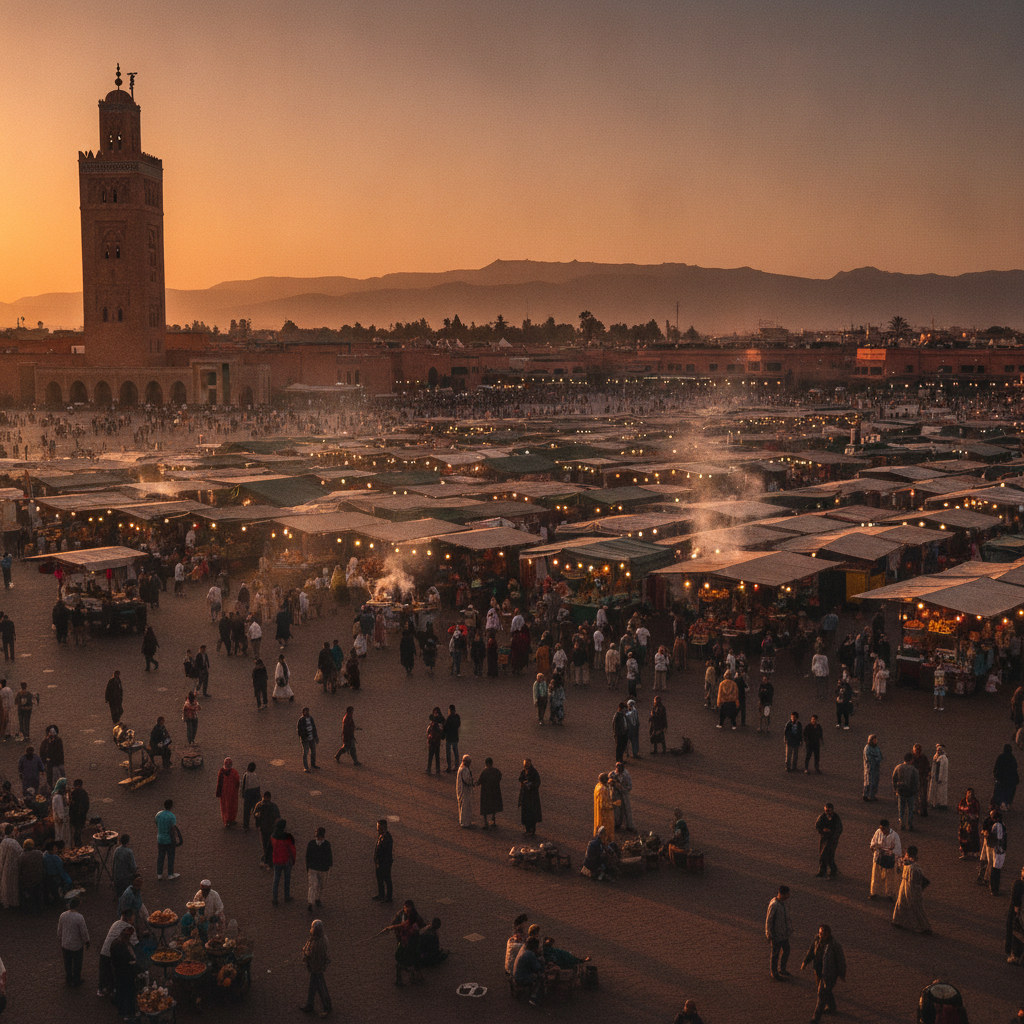
Djemaa el-Fna, the Medina & the Souks — Marrakech's Living UNESCO Heritage
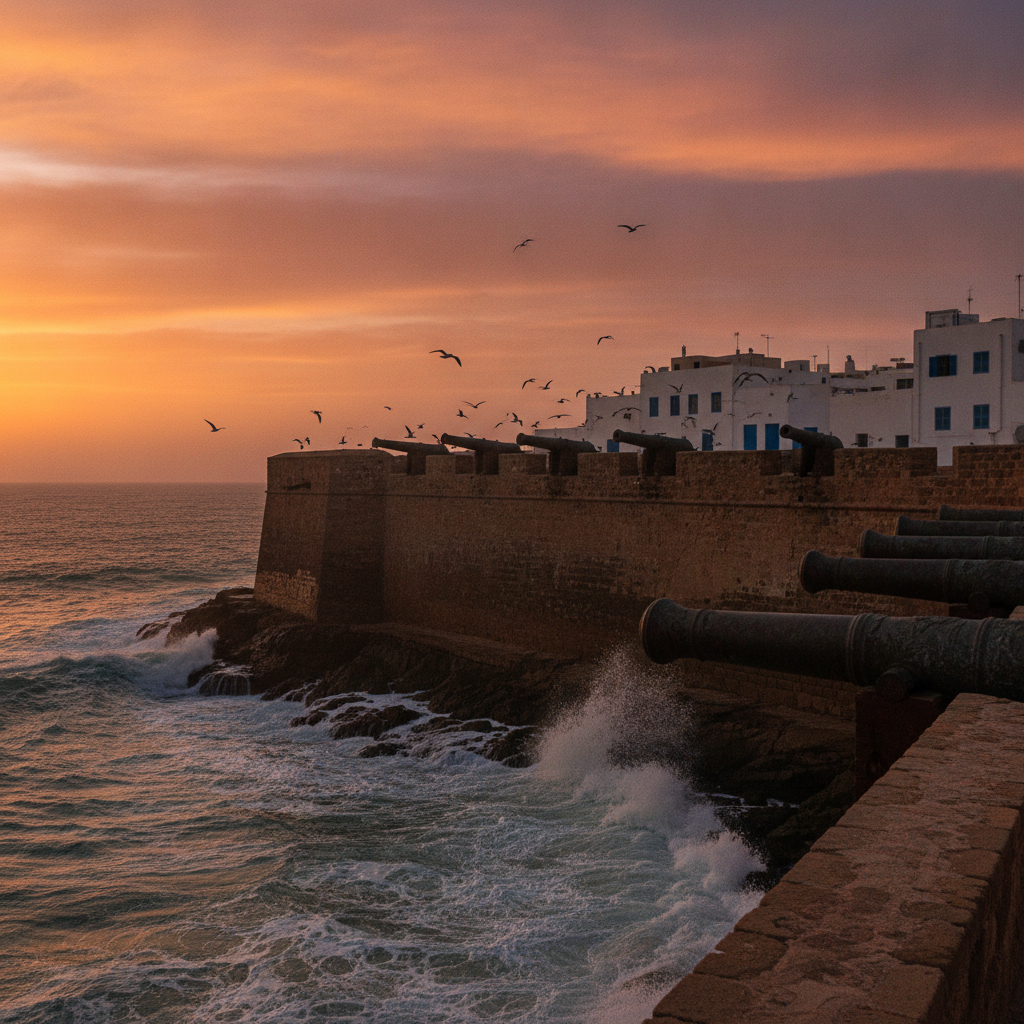
Essaouira — Marrakech's Atlantic Escape
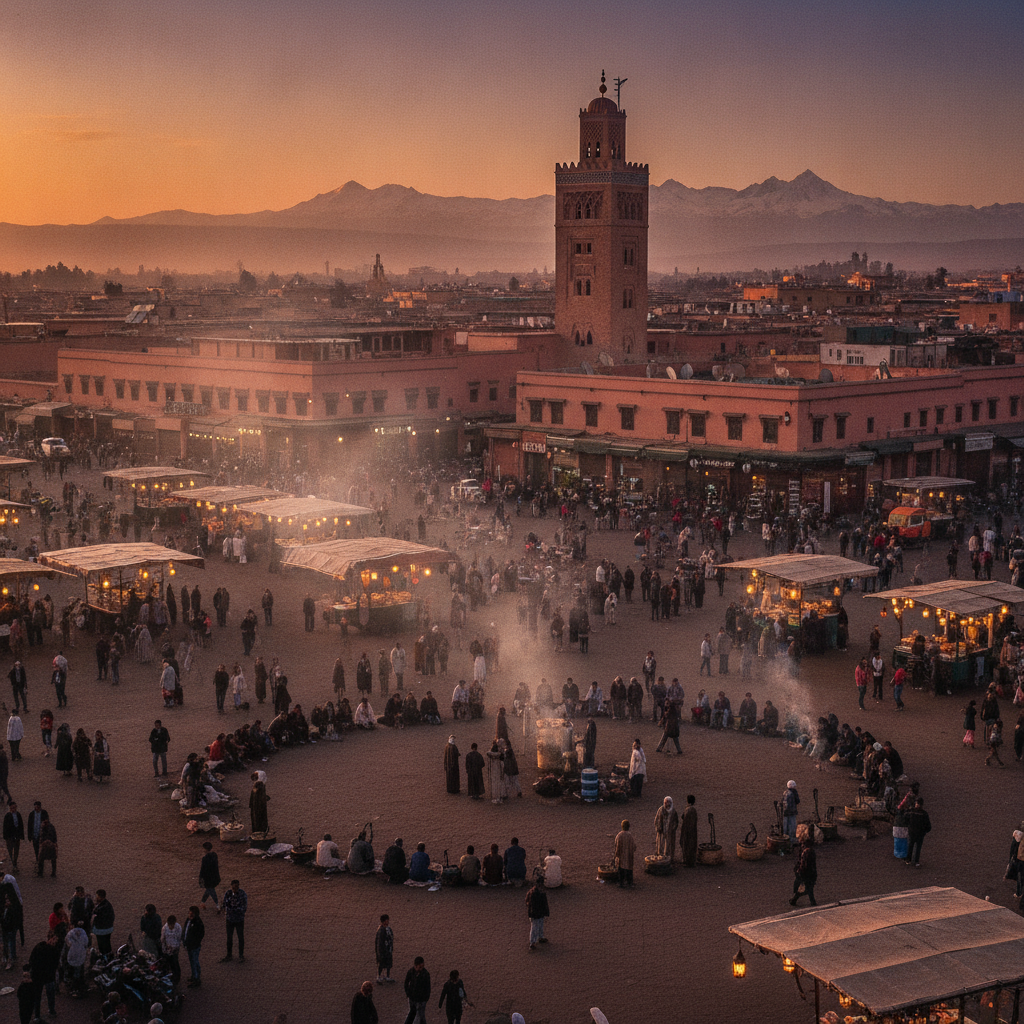
Marrakech Essential: Djemaa el-Fna the Living Square, the Medina Souks, the Koutoubia Mosque, the Bahia Palace, the Saadian Tombs, and the Pink City Character
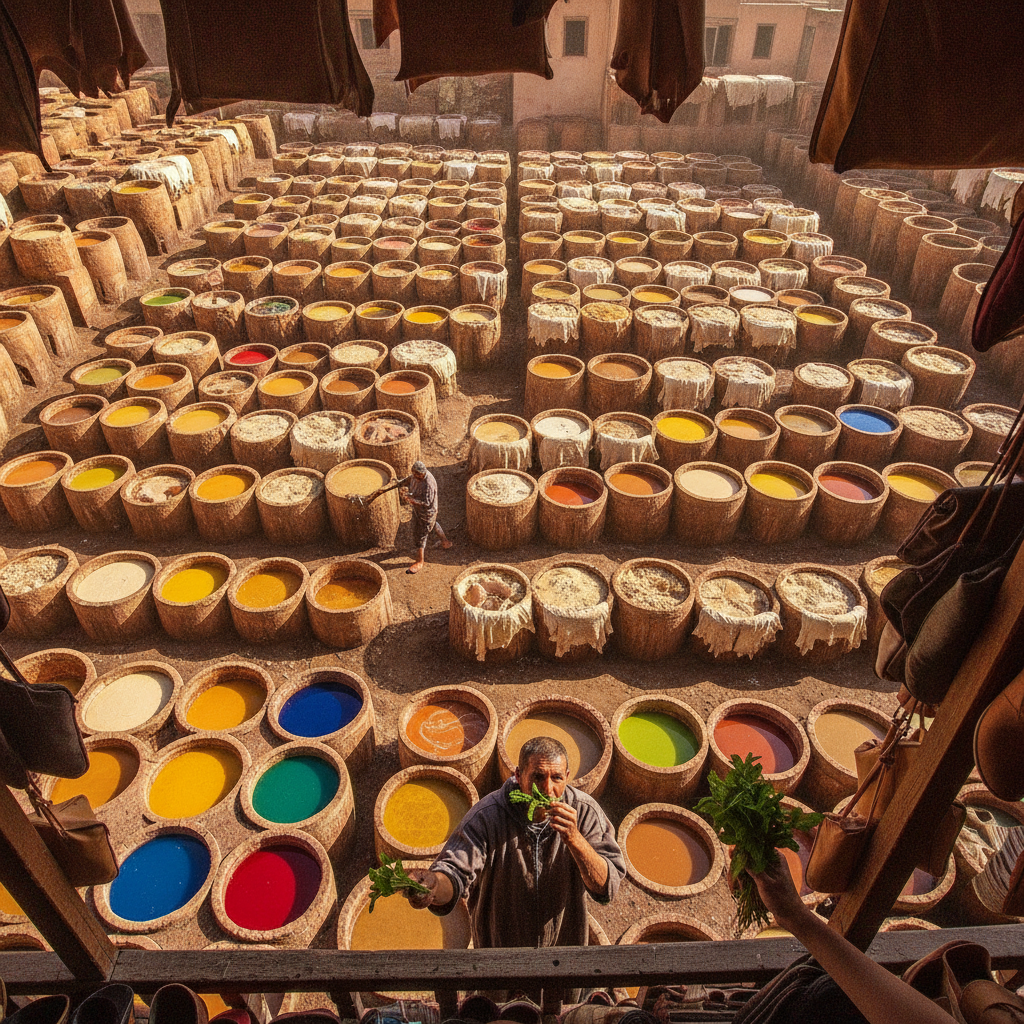
Moroccan Crafts — Leather Tanneries, Pottery & Artisans

Marrakech Wellness: The Hammam Ritual Bathing, the Riad Spa Culture, Argan Oil Beauty Tradition, the Moroccan Hospitality Ritual, the Henna Art, and the Wellness Tourism
