Maui: World Largest Solar Telescope, Hawaiian Cowboys Who Learned from Mexican Vaqueros and 98% of Lanai Owned by Oracle
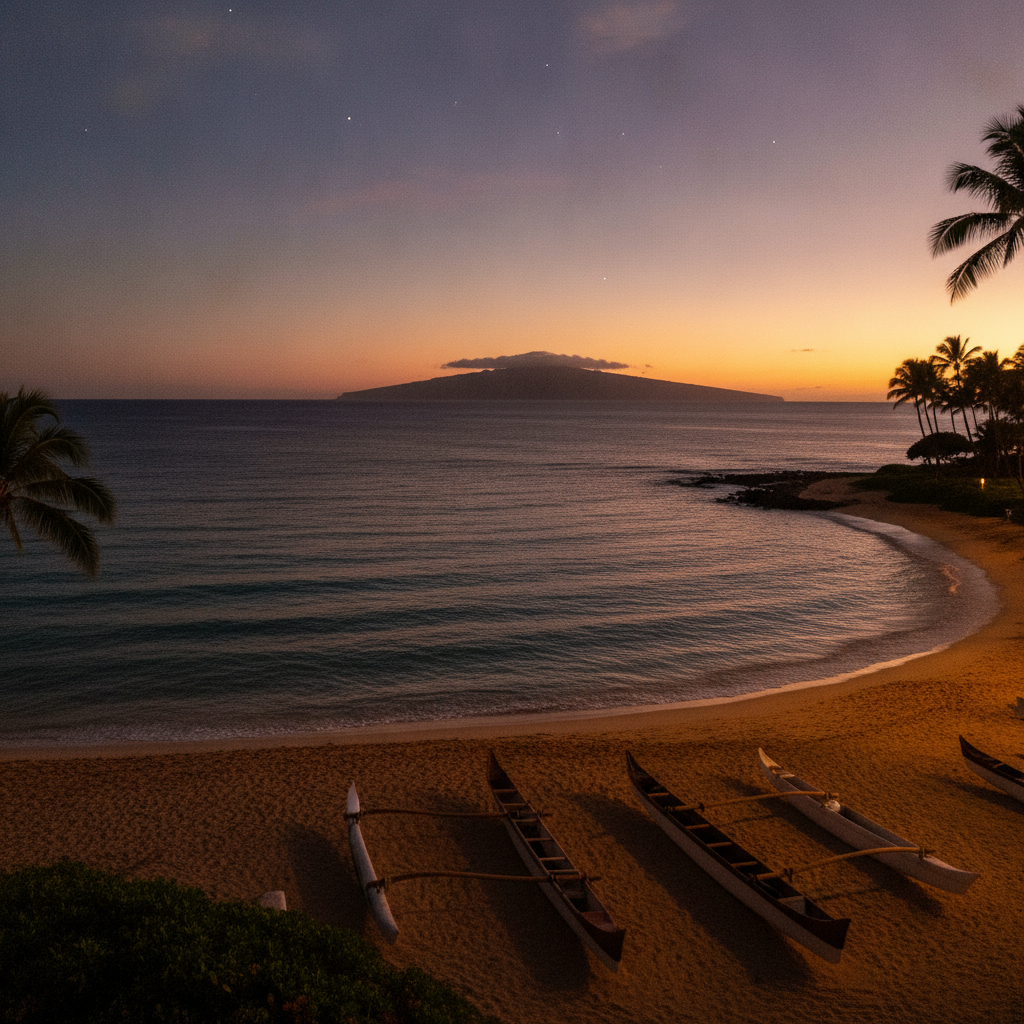
Visit the Daniel Inouye Solar Telescope on Haleakala summit producing the highest-resolution solar images ever made and join ranger stargazing above 40 percent of the atmosphere, walk the otherworldly cinder cone floor of the 3000-foot deep Haleakala crater basin, see hammerhead sharks and eagle rays in the 750000-gallon open ocean tunnel at Maui Ocean Center, taste pineapple wine at Ulupalakua Ranch where paniolo cowboys have roped cattle since 1850, walk the Garden of Eden jungle arboretum above a 200-foot waterfall on the Hana Highway, and take the ferry to Lanai where Oracle owns 98 percent of the island and Hulopoe Beach is rated among Hawaii best.
- 1
Haleakala Summit Astronomy
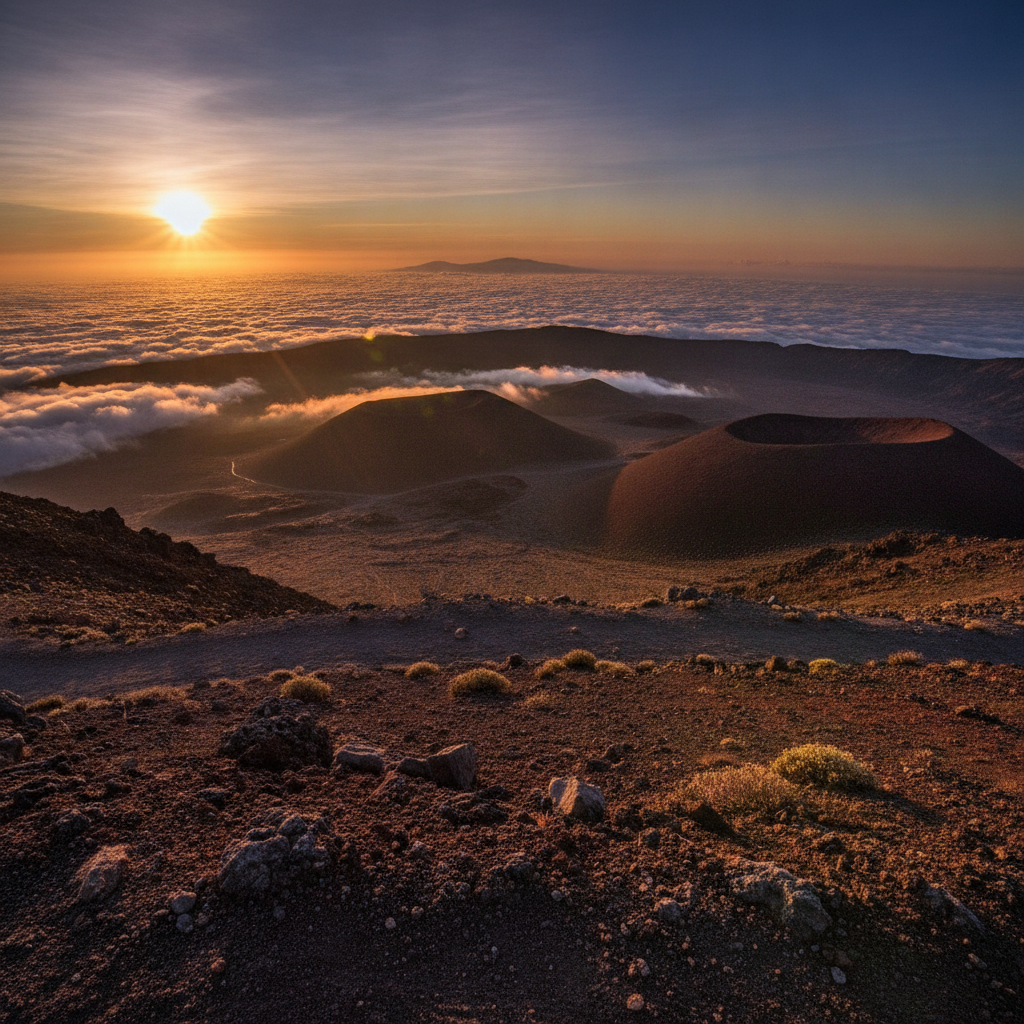
Haleakala summit at 10,023 feet, above 40 percent of the atmosphere and in the clearest skies in the Northern Hemisphere due to its central Pacific location far from continental light pollution, is one of the premier astronomical observing sites on earth. The Haleakala High Altitude Observatory site hosts telescopes operated by the University of Hawaii, the Air Force Research Laboratory, the Mees Solar Observatory, and the Daniel K. Inouye Solar Telescope, opened in 2020 as the world largest solar telescope with a 13-foot primary mirror producing the highest-resolution images of the solar surface ever obtained. The summit is cold, at temperatures 30 degrees cooler than the coast with wind chill that can approach freezing even in summer, requiring warm clothing for sunrise visitors who wear shorts off the beach. Ranger-led stargazing programs at the summit visitor center on selected evenings are among the most accessible high-altitude astronomy experiences open to the public.
- 2
Maui Nui Geological History
Maui Nui was the name for the large island that existed approximately 1.2 million years ago when the current islands of Maui, Molokai, Lanai, and Kahoolawe were connected by dry land because sea level was significantly lower. The West Maui Volcano is approximately 1.3 million years older than the Haleakala shield volcano, which explains the dramatically different landscape on each side of the isthmus. The undersea Hana Ridge extending northeast from Maui is a chain of submarine volcanoes representing older hotspot volcanic activity now submerged. Haleakala last erupted between 1480 and 1600 CE, making it active in geological terms, and the US Geological Survey Hawaiian Volcano Observatory monitors it for signs of future activity. The cinder cone landscape of the Haleakala crater floor, accessible on trails descending into the 3,000-foot-deep crater basin, is among the most otherworldly terrestrial landscapes in the United States.
- 3
Maui Ocean Center Aquarium
The Maui Ocean Center at Maalaea Harbor, the largest tropical aquarium in the United States, focuses entirely on Hawaiian marine life in a series of exhibits organized around the coral reef ecosystem, open ocean, and deep-water environments. The open ocean tank, a 750,000-gallon circular exhibit with a walk-through acrylic tunnel, houses hammerhead sharks, eagle rays, and schooling fish representing the open Pacific. The Hawaiian monk seal, whale exhibit, and the Living Reef galleries are among the strongest in Hawaiian marine interpretation. The center operates a sunrise whale watch program in winter months and a whale tale educational program. The aquarium is connected to research programs through the Maui Ocean Center Marine Institute. The Maalaea Harbor Small Boat Basin adjacent to the aquarium is the departure point for Molokini snorkel tours.
- 4
Maui Paniolo Cattle Heritage
The paniolo, Hawaiian cowboys who developed a distinctive ranching tradition from the 1830s when King Kamehameha III imported Mexican vaqueros to train Hawaiians in cattle handling, represent a unique cultural heritage connecting Hawaii to the broader American West through cattle ranching. The paniolo culture developed its own music incorporating Spanish guitar and falsetto singing that influenced Hawaiian music broadly. Ulupalakua Ranch on the slopes of Haleakala at 2,000 feet is a working cattle ranch that has operated continuously since the 1850s and now also produces wine at the Maui Winery from grapes and pineapple. The Tedeschi Winery at Ulupalakua, founded in 1974, is the oldest winery in Hawaii. The upcountry rodeo held annually in Makawao on July 4 weekend is the oldest continuously running rodeo in Hawaii and one of the most authentic paniolo cultural events accessible to visitors.
- 5
Maui Garden of Eden and Botany
The Garden of Eden Arboretum and Botanical Garden at mile marker 10 on the Hana Highway, a private botanical garden in a jungle valley above the north shore coastline, was developed by Alan Bradbury over 30 years and contains labeled specimens of Hawaiian and tropical plants in a landscape designed for both botanical education and scenic enjoyment. Puohokamoa Falls, a 200-foot waterfall visible from the garden, drops into a pool at the base of a lava cliff. The Kahanu Garden near Hana, a National Tropical Botanical Garden unit containing the Piilanihale Heiau, the largest ancient Hawaiian temple ever built, preserves both cultural heritage and native Hawaiian plant collections including the most comprehensive breadfruit collection in the world. The Piilani Trail along the southeast coast of Maui beyond Hana passes through the remote Kanaio Natural Area Reserve where native dryland forest survives.
- 6
Maui Lanai Day Trip
Lanai, the smallest publicly accessible island in Hawaii at 140 square miles, is accessible from Maui via Expeditions Ferry from Lahaina or by small aircraft from Kahului, and offers a dramatically different experience from the resort Maui environment. Lanai City, the single pineapple plantation town built by Dole Company and now largely owned by Oracle founder Larry Ellison, who purchased 98 percent of the island in 2012, is a grid of plantation-era houses around Dole Park at 1,600 feet elevation. Hulopoe Beach on the south shore is consistently rated among the best beaches in Hawaii, with a marine life conservation district providing excellent snorkeling in a sheltered bay. The Garden of the Gods, a landscape of eroded red and orange lava formations in the island interior, is accessible by four-wheel-drive vehicle. Lanai has fewer than 3,200 permanent residents and minimal tourist infrastructure outside the Four Seasons resorts.
Walk this route with audio
Stories play automatically as you reach each stop — no tapping needed.
More in Maui
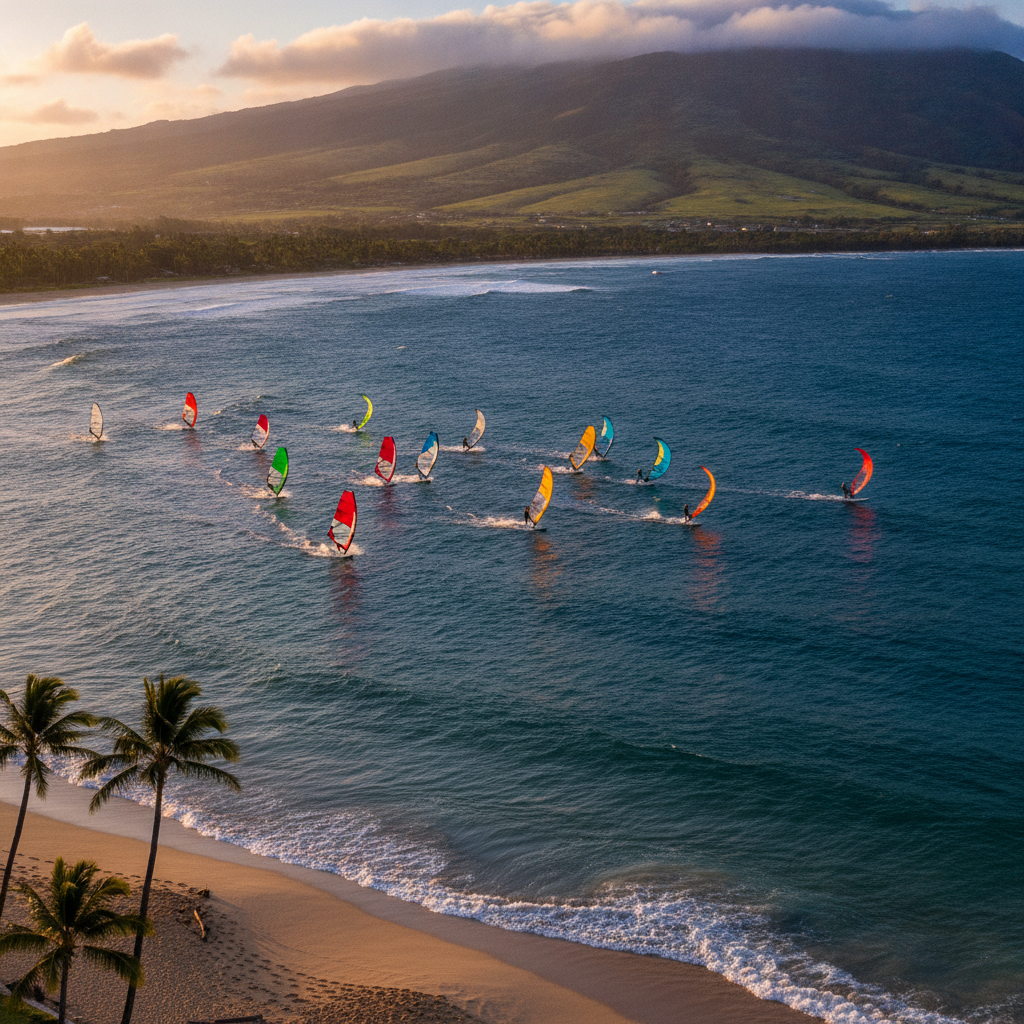
Maui: Iao Valley State Monument and Battle of Kepaniwai (1790), Kaanapali Beach and Whaling History (cliff diving Black Rock), Maui Ocean Center (humpback whales, Hawaiian reef species), Maui Farm-to-Table Food Scene, Paia North Shore and Hookipa Windsurfing Capital, and Practical Guide (Kahului Airport, rental cars, accommodation zones)
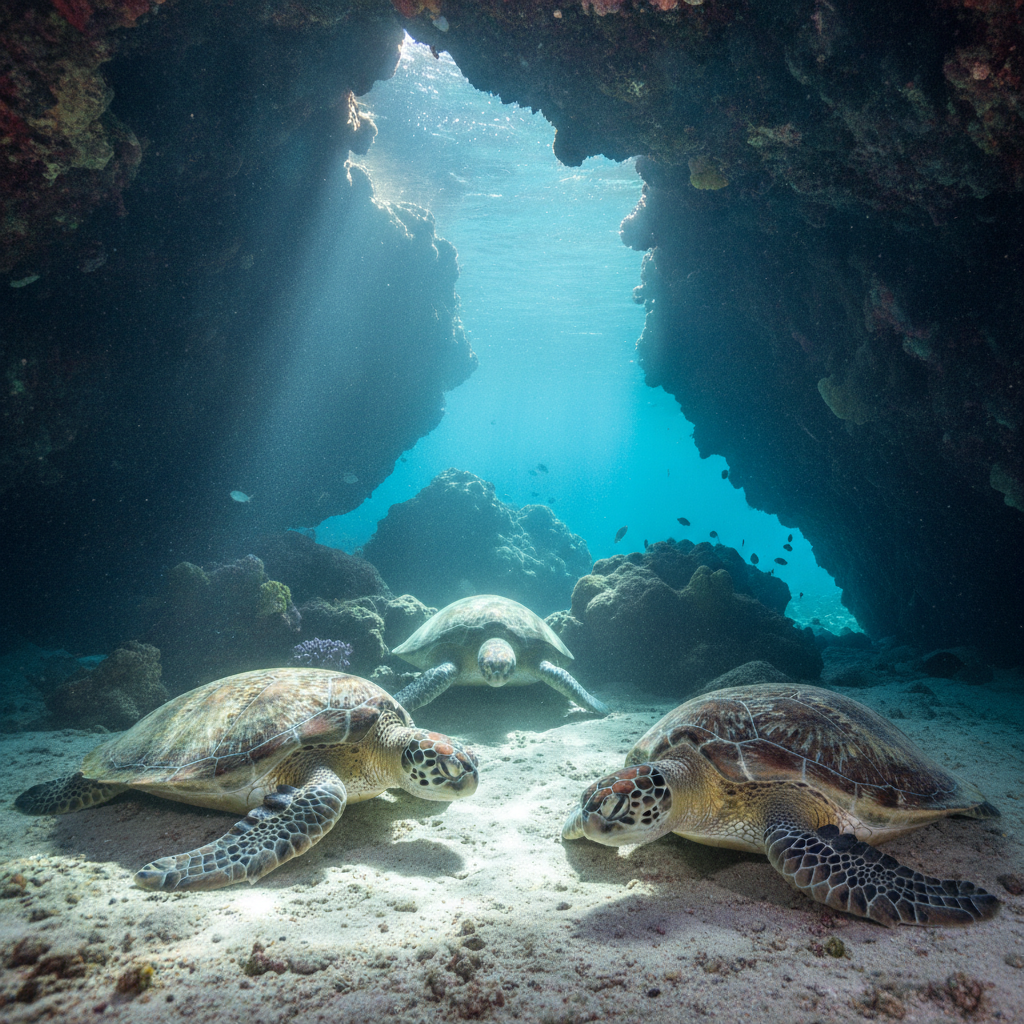
Maui: Nene Goose Back from 30 Birds, Lindbergh Grave Under a Mango Tree and the First Planned Resort in America
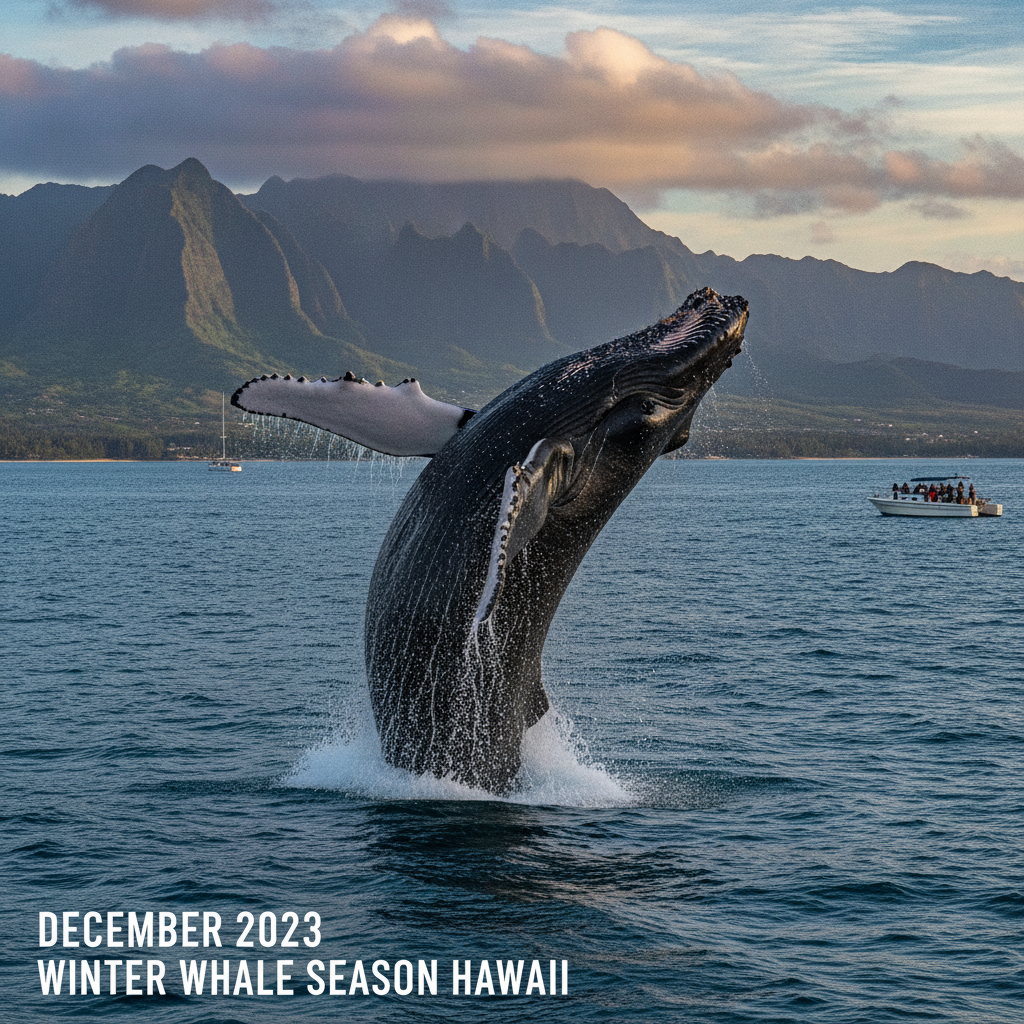
Maui: 10000 Humpbacks Winter Here, Big Beach Sunday Fire Spinners and the Wildfire That Changed Everything
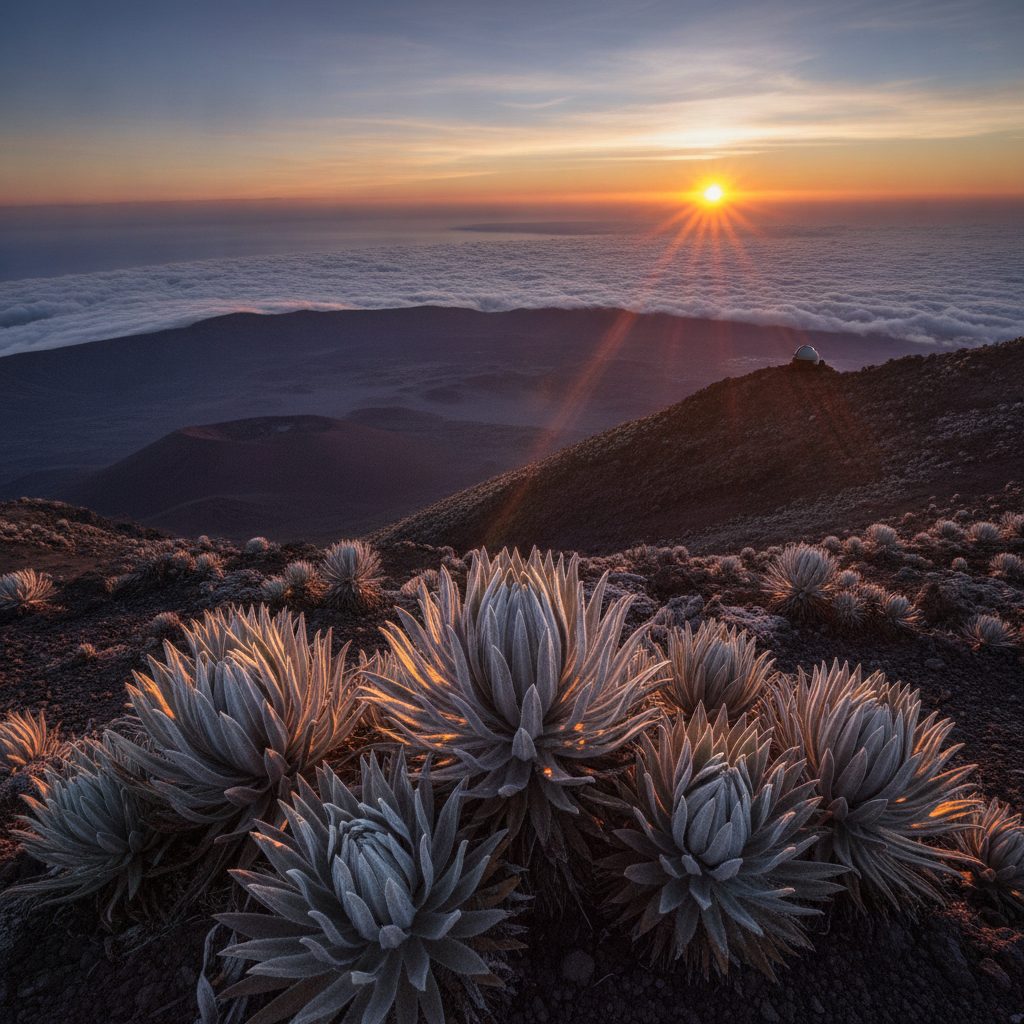
Maui: Haleakala Sunrise Above the Clouds (3055m crater, silversword, nene goose), Road to Hana (64km, 59 bridges, Waianapanapa black sand beach, Lindbergh grave), Lahaina Historic Town and 2023 Wildfire Recovery, Makena Big Beach and Molokini Snorkeling (humpback whale season), and Upcountry Maui Lavender Farms and Paniolo Culture
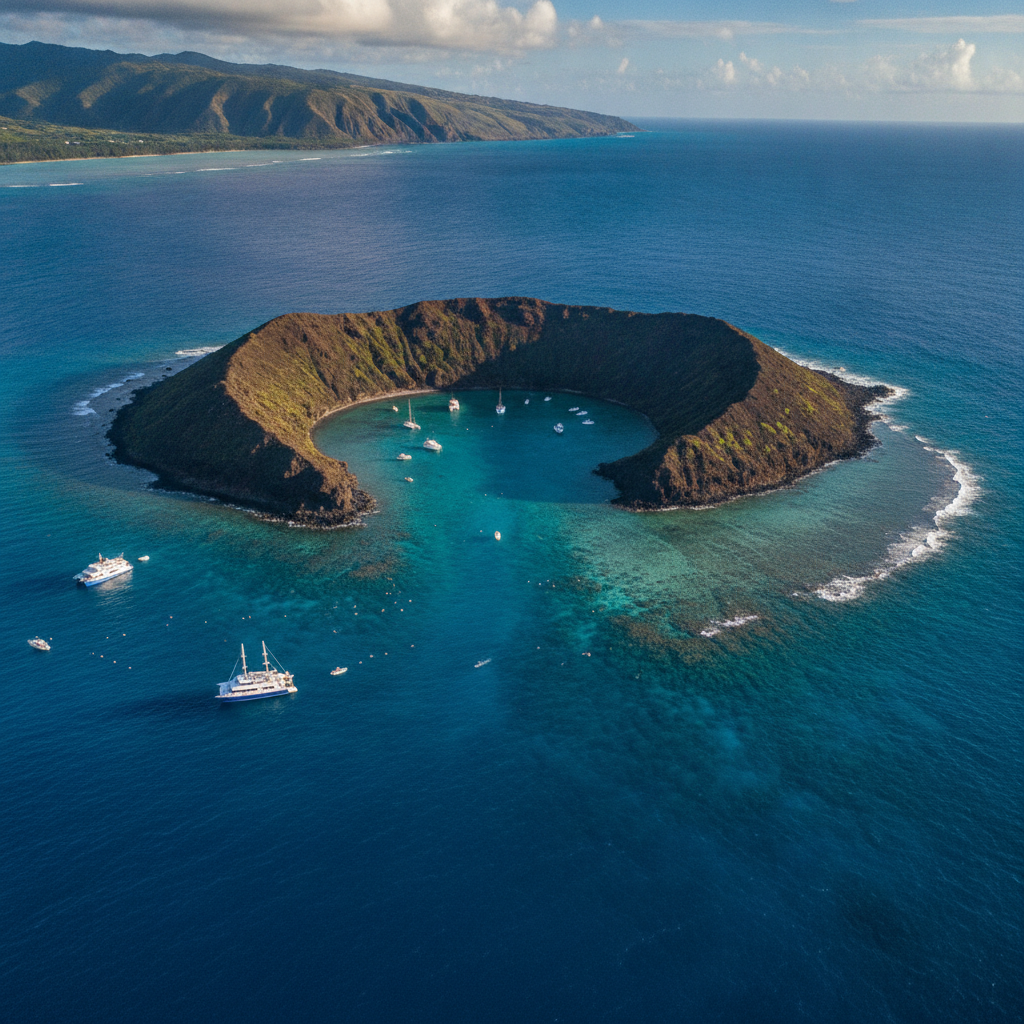
Maui: 150-Foot Visibility Crater Snorkel, 60-Foot Jaws Waves and How Windsurfing Was Invented at Hookipa