Maui: Iao Valley State Monument and Battle of Kepaniwai (1790), Kaanapali Beach and Whaling History (cliff diving Black Rock), Maui Ocean Center (humpback whales, Hawaiian reef species), Maui Farm-to-Table Food Scene, Paia North Shore and Hookipa Windsurfing Capital, and Practical Guide (Kahului Airport, rental cars, accommodation zones)
Maui deeper exploration: Iao Valley (Iao Needle, Battle of Kepaniwai 1790, Kamehameha conquest), Kaanapali Beach resort zone and Lahaina whaling era (Pacific whaling capital 1820s-1860s), Maui Ocean Center at Ma-alaea (largest tropical aquarium in US, humpback whale exhibits), Maui food scene (Paia Fish Market, Star Noodle, Maui Brewing, Maui Swap Meet), Paia town and Hookipa windsurfing capital, and Maui practical (Kahului Airport, rental cars essential, accommodation zones, best seasons).
- 1
Iao Valley State Monument and West Maui Mountains
The Iao Valley State Monument (at the heart of the West Maui Mountains, 5 km west of Wahiku town): a dramatic valley carved by the Iao Stream into the ancient West Maui volcano. The Iao Needle (Kukaemoku): the 365 m basalt remnant rising above the valley floor, one of the most distinctive landmarks in Hawaii. The Battle of Kepaniwai (1790): the decisive battle in the Iao Valley in which Kamehameha I defeated the Maui army under Chief Kalanikupule (who had also been defeated at Nuuanu on Oahu in 1795). The battle was so bloody that the bodies of the Maui dead dammed the Iao Stream (kepaniwai means the damming of the waters). The Kepaniwai Heritage Gardens (at the valley entrance): the park honoring the different ethnic groups that settled Maui, with Hawaiian, Japanese, Chinese, Portuguese, Filipino, and Korean pavilions and cultural plantings. The West Maui Mountains ecology: the deep valleys of the West Maui Mountains (Mauna Kahalawai) receive over 10,000 mm of rainfall per year at the summit (Puu Kukui, 1,764 m), making them among the wettest places on earth. The endemic plant species in the valley include the native ohia lehua, the hala (pandanus), and multiple species of native fern. The Iao Valley hike: the paved trail leads from the parking area to the main Iao Needle viewpoint in approximately 0.6 km; longer unpaved trails continue up the valley.
- 2
Kaanapali Beach and the Whaling History of West Maui
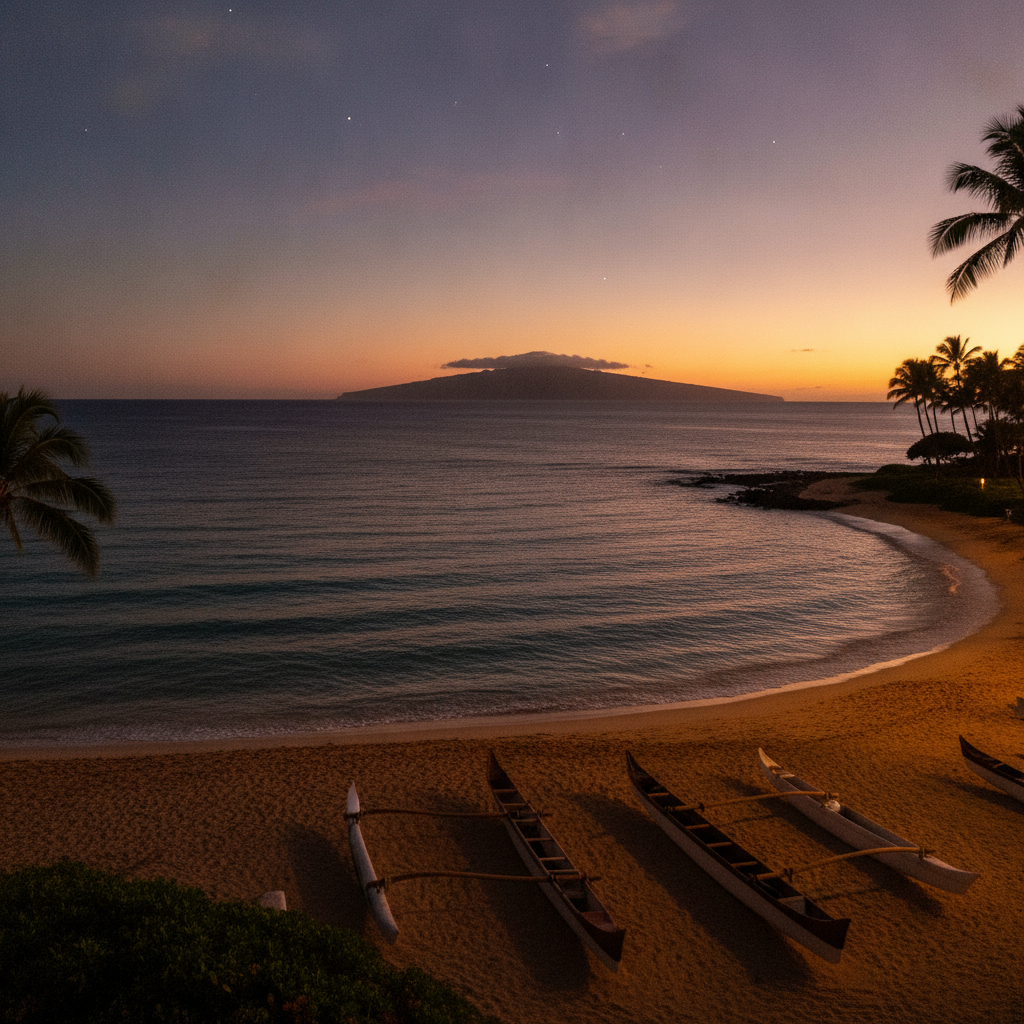
Kaanapali Beach (on the west coast of Maui, 5 km north of Lahaina): the premier resort beach on Maui, a 5 km crescent of golden sand fronted by the largest concentration of resort hotels on the island (the Westin Maui, the Marriott, the Royal Lahaina, the Sheraton, the Hyatt Regency Maui, and others). Kaanapali was developed as a planned resort community in the early 1960s, among the first planned resort destinations in the United States. Black Rock (Puu Kekaa, the volcanic promontory at the north end of Kaanapali Beach): the daily cliff diving ceremony at sunset, where a diver carrying a torch reenacts the legendary leap of the great chief Kahekili (the last independent chief of Maui before Kamehameha conquest), who leapt from the cliff to demonstrate his fearlessness. The Whalers Village Museum (at the Whalers Village shopping center at Kaanapali): the free museum on the Lahaina whaling era, with a full-size sperm whale skeleton, harpoons, scrimshaw, and the story of the ships that made Lahaina the Pacific whaling capital from the 1820s to the 1860s. The whaling industry at Lahaina: at the peak in the 1840s-1860s, the whaling industry employed over 70,000 Americans and generated over USD 10 million annually (the largest US industry after agriculture). The decline of the Lahaina whale fishery: the discovery of petroleum in Pennsylvania in 1859 (the Drake Well) began the replacement of whale oil (used for lamp fuel, lubrication, and soap) with petroleum products, beginning the end of the whaling era.
- 3
Maui Ocean Center and Hawaiian Marine Life
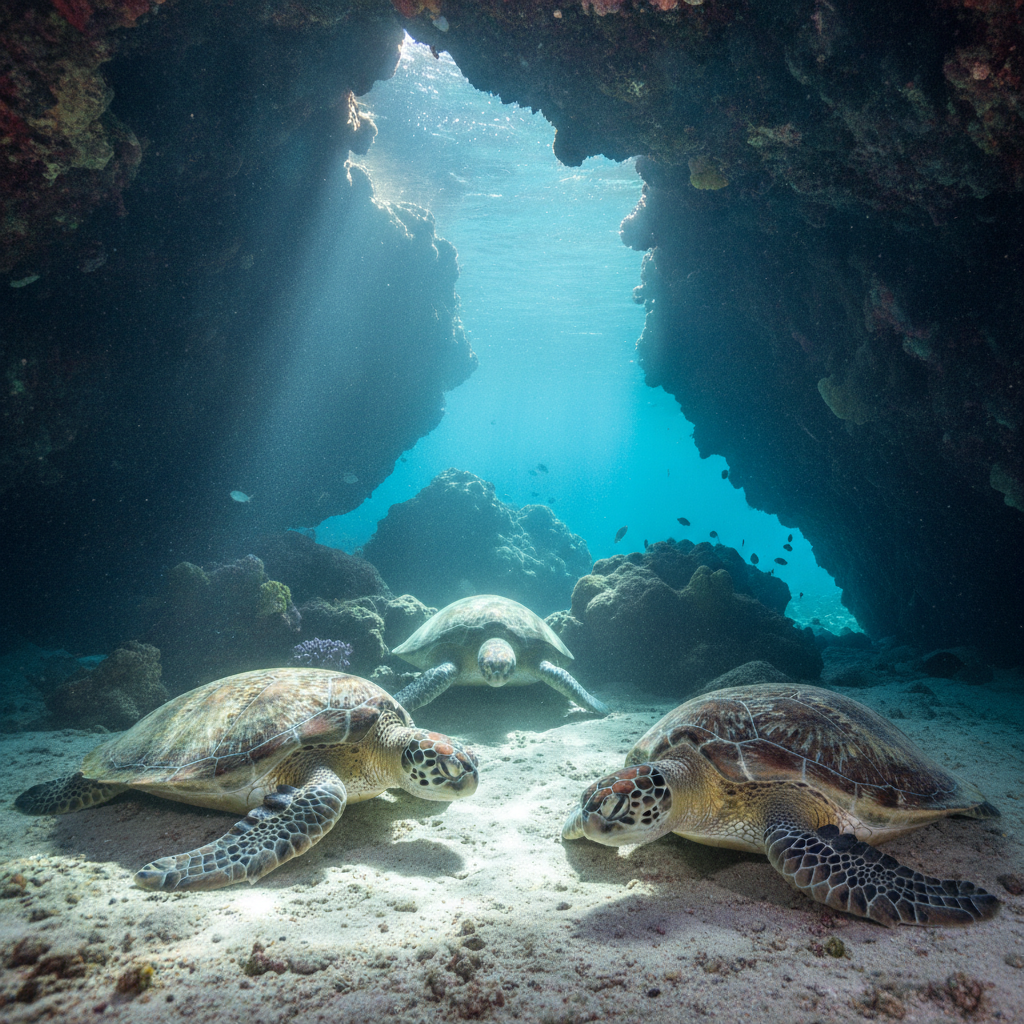
The Maui Ocean Center (at Ma-alaea Harbor, on the south coast of Maui, 14 km southeast of Kahului): the largest tropical aquarium in the United States and the premier ocean life museum in Hawaii. The center focuses exclusively on Hawaiian marine species and ecosystems. The Open Ocean exhibit (the 750,000-liter main tank with the acrylic tunnel, allowing visitors to walk through a 3D environment of reef sharks, rays, hammerheads, and open-ocean fish): the signature exhibit of the Maui Ocean Center, with the largest collection of living Hawaiian reef species in the world. The humpback whale exhibit (including the whale skeleton, whale song recordings, and the interactive exhibits on humpback whale biology and the North Pacific humpback population recovery): humpback whales were listed as endangered in 1970; the North Pacific population has recovered from an estimated low of 1,000-1,500 individuals to approximately 21,000 today. The Hawaiian coral reef (the largest collection of living Hawaiian coral and reef fish in a controlled environment): includes the humuhumunukunukuapua-a (the state fish), the moorish idol, the raccoon butterflyfish, and dozens of other species. The turtle lagoon (the outdoor lagoon with Hawaiian green sea turtles (honu), the Hawaii state symbol of longevity and good luck): the turtles in the lagoon are recovering animals that are not releasable to the wild. Ma-alaea Bay (the bay surrounding the harbor): one of the premier surfing locations on Maui, with the Honolua-Mokuleia Bay producing some of the fastest waves in the world in north swells.
- 4
Maui Food Scene - Farm to Table and Local Markets
The Maui food scene: the most acclaimed local food destination on the Hawaiian Islands, with a strong farm-to-table culture driven by the Upcountry Maui farms and the coastal fishing tradition. The Maui Swap Meet (at the University of Hawaii Maui College, Kahului, Saturday 7am-1pm): the primary local produce and crafts market on Maui, with organic vegetables, fresh flowers, homemade jams, and local crafts. The Star Noodle (at Lahaina, West Maui): the most celebrated Asian-influenced restaurant on Maui, known for the Lanai-style fried rice, the Vietnamese crepe, and the Japanese ramen with Maui ingredients. The Paia Fish Market (in Paia, North Maui): the most popular casual seafood restaurant on the island, with fish tacos, grilled mahimahi plates, and fresh catch. Paia (the small hippie-bohemian town on the North Shore of Maui, 10 km east of Kahului): the local food and alternative culture hub, with health food stores, acai bowl cafes, and surf shops. The Flatbread Company (in Paia): the organic wood-fired pizza restaurant that donates 10% of monthly net sales to local nonprofits. Mama Dings (in Kula, Upcountry): the Upcountry farm stand with fresh Maui vegetables and local fruit. The Maui Brewing Company (at Kihei): the primary craft brewery on Maui, with the Bikini Blonde Lager and the CoCoNut Porter. The fresh fish: Maui ahi tuna (yellowfin and bigeye tuna, caught in the deep offshore waters by small commercial boats and sold fresh at the Kahului Harbor docks).
- 5
Paia Town and the North Shore Windsurfing Capital
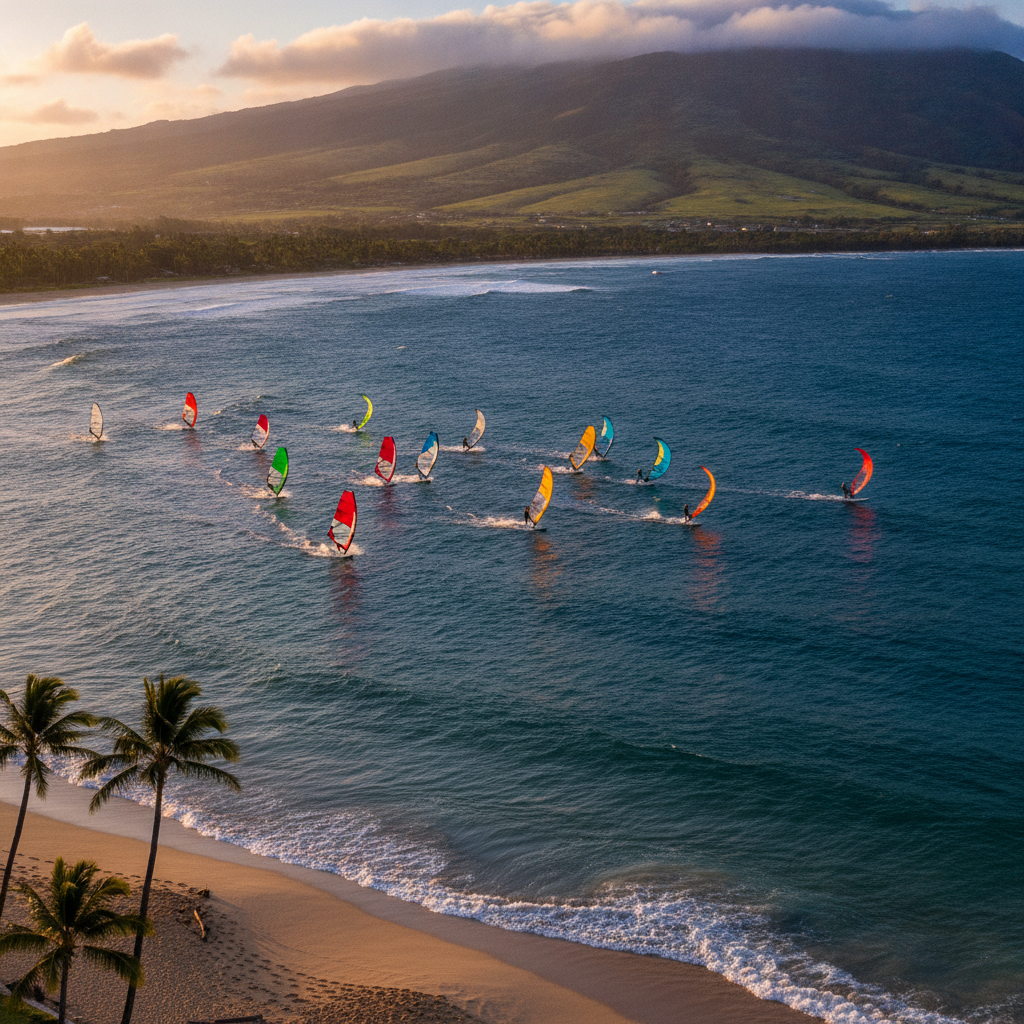
Paia (the small community on the North Shore of Maui, approximately 10 km east of Kahului on the Hana Highway): the historic sugar plantation town that became the center of the Maui windsurfing and kiteboarding culture in the 1980s and remains the global capital of windsurfing. Hookipa Beach Park (2 km east of Paia, on the North Shore): the most famous windsurfing location in the world, where the consistent strong trade winds (typically 25-40 km/h) and the powerful open-ocean swell (typically 1.5-3 m on trade days, 3-6 m in winter north swells) create the ideal combination for advanced windsurfing and kiteboarding. Hookipa hosted the first Aloha Classic (the world windsurfing championship) in 1983, and is regarded as the proving ground for professional windsurfers and kiteboarders worldwide. The Paia Bay (immediately west of the Paia harbor): the primary learn-to-surf spot on the North Shore, with consistent gentle beach break. The Paia town character: the 1930s plantation-era wooden storefronts on Baldwin Avenue house a collection of health food stores, yoga studios, surf shops, galleries, and clothing boutiques with a distinctly alternative-lifestyle character. The Mana Foods (on Baldwin Avenue): the premier natural foods co-op on Maui, with an extensive selection of organic produce, vegan prepared foods, and the most comprehensive natural foods grocery on the island. The Twin Falls (3 km east of Paia on the Hana Highway, at the junction of the Wailua Stream): the first major waterfall stop on the Road to Hana, accessible via a 20-minute flat jungle trail.
- 6
Maui Practical Guide - Getting Around Between Islands
Maui practical information: Kahului Airport (OGG): the primary entry point for Maui, with direct mainland flights from Los Angeles, San Francisco, Seattle, Portland, Denver, Phoenix, Dallas, Chicago, New York, and Vancouver. Hawaiian Airlines connects Kahului to Honolulu (30 min), Hilo (30 min), and Kona (30 min). The inter-island ferry (Expeditions Ferry): the vehicle and passenger ferry from Lahaina to Manele Bay on Lanai (45-minute crossing); Lanai is also accessible by Ohana by Hawaiian Airlines prop plane from Kahului. Ground transportation on Maui: there is no rail or effective public transit system on Maui. Rental cars are essential for any exploration beyond the immediate resort areas; book well in advance (Maui has a chronic rental car shortage, especially in peak season). The Maui Bus (free public bus): connects the main communities (Kahului, Wailuku, Kihei, Wailea, Lahaina, Kaanapali) but with infrequent service and no service to Hana or Haleakala. Accommodation zones: the West Maui resort corridor (Kaanapali, Kapalua, and the rebuilt Lahaina area): the primary resort zone; South Maui (Kihei and Wailea): the second major resort zone, with Wailea being the luxury enclave; Central Maui (Kahului and Wailuku): the local population center; North Shore (Paia, Haiku): the alternative lifestyle zone; Upcountry (Makawao, Kula): the rural farmland zone; East Maui (Hana): the remote jungle coast zone. Best season: April-May and September-October (avoiding both the summer crowd peak and the winter north swell season on the Road to Hana).
Walk this route with audio
Stories play automatically as you reach each stop — no tapping needed.
More in maui
Maui: Nene Goose Back from 30 Birds, Lindbergh Grave Under a Mango Tree and the First Planned Resort in America
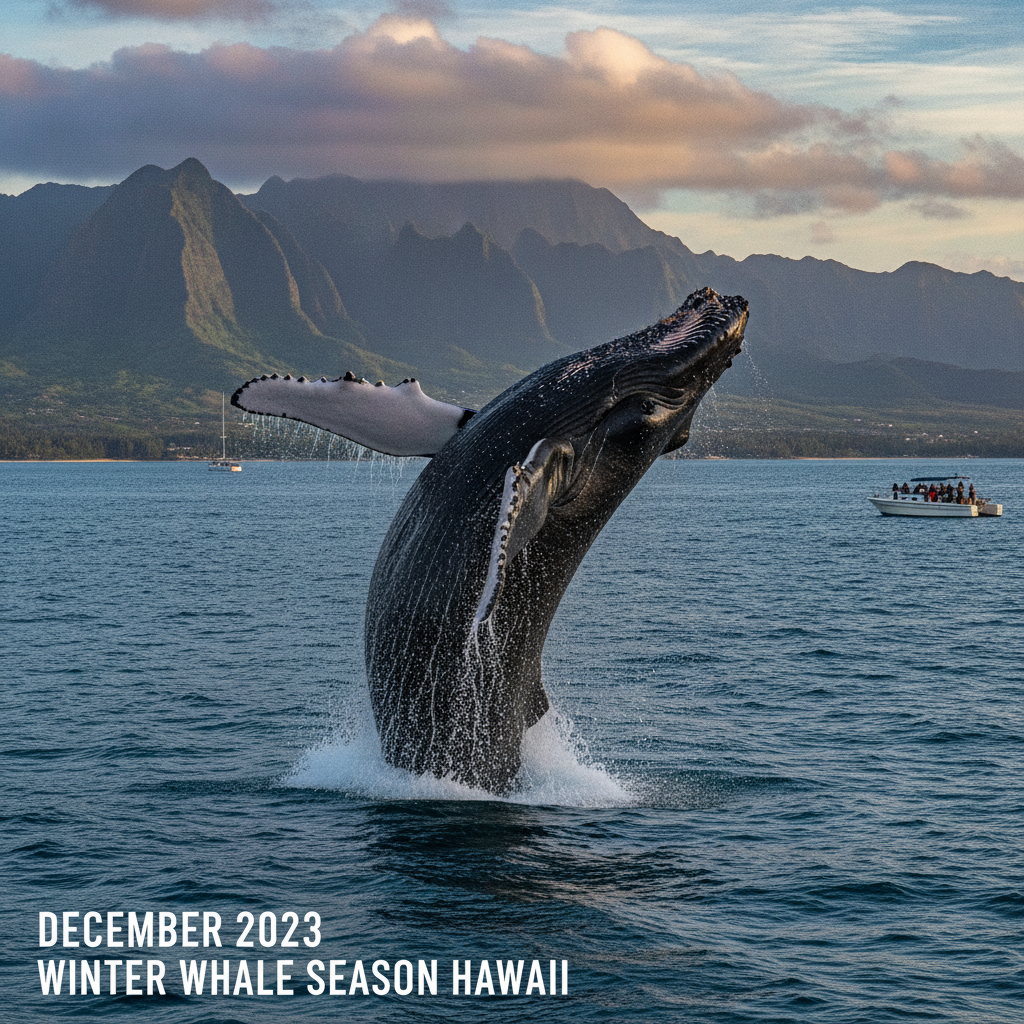
Maui: 10000 Humpbacks Winter Here, Big Beach Sunday Fire Spinners and the Wildfire That Changed Everything
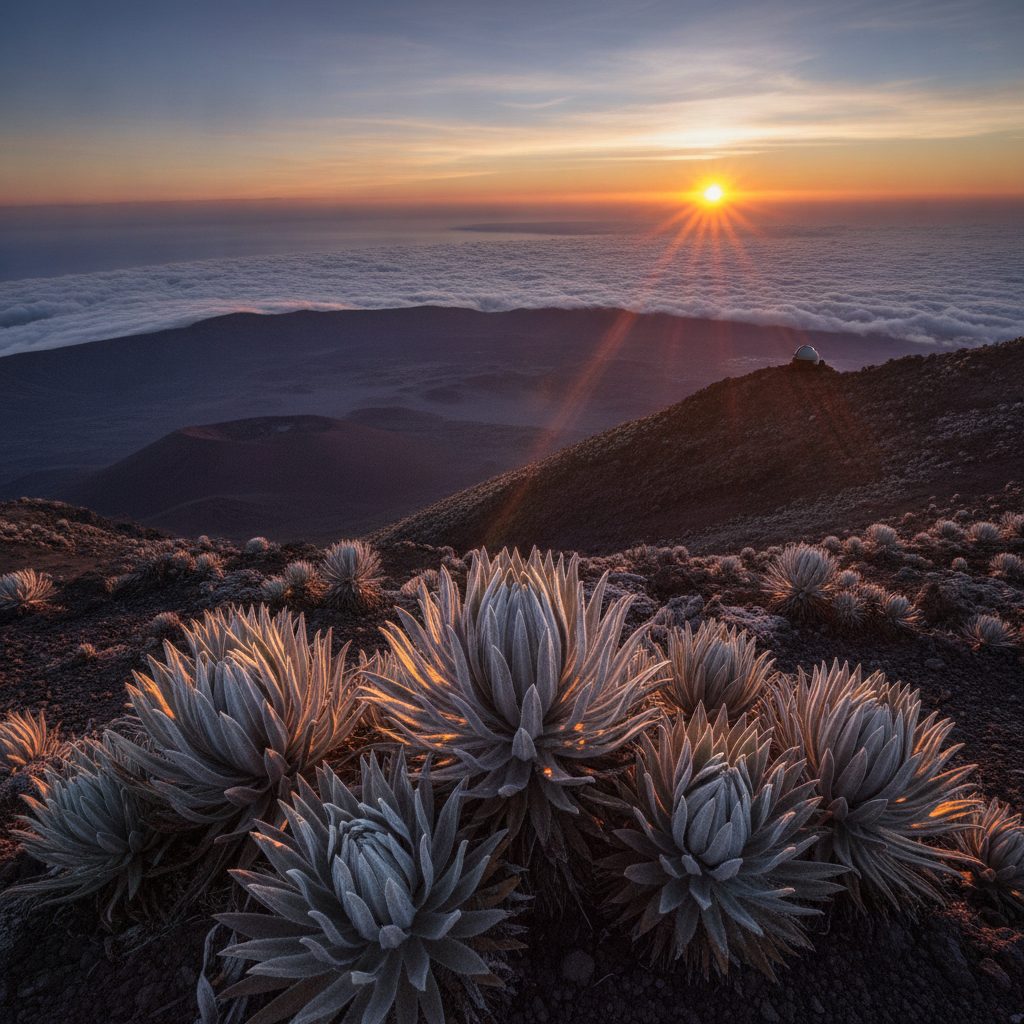
Maui: Haleakala Sunrise Above the Clouds (3055m crater, silversword, nene goose), Road to Hana (64km, 59 bridges, Waianapanapa black sand beach, Lindbergh grave), Lahaina Historic Town and 2023 Wildfire Recovery, Makena Big Beach and Molokini Snorkeling (humpback whale season), and Upcountry Maui Lavender Farms and Paniolo Culture
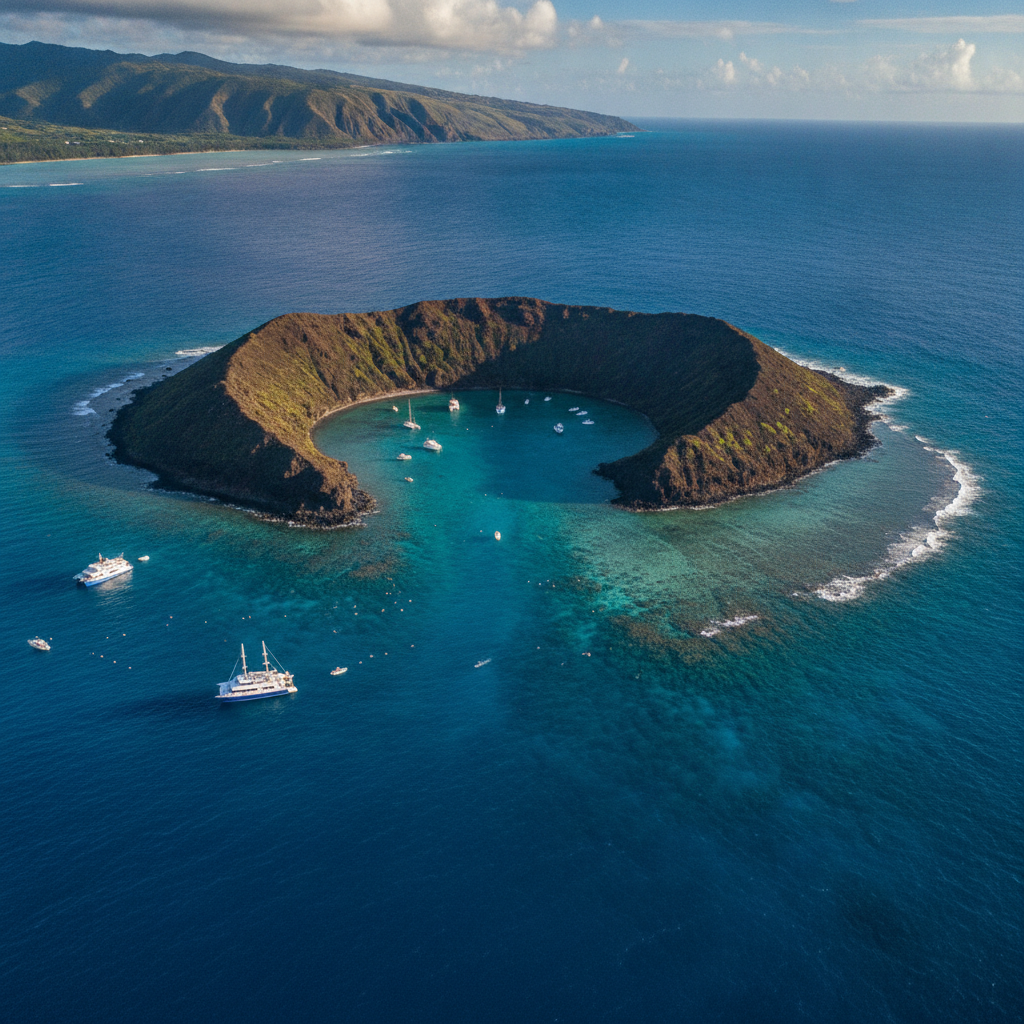
Maui: 150-Foot Visibility Crater Snorkel, 60-Foot Jaws Waves and How Windsurfing Was Invented at Hookipa
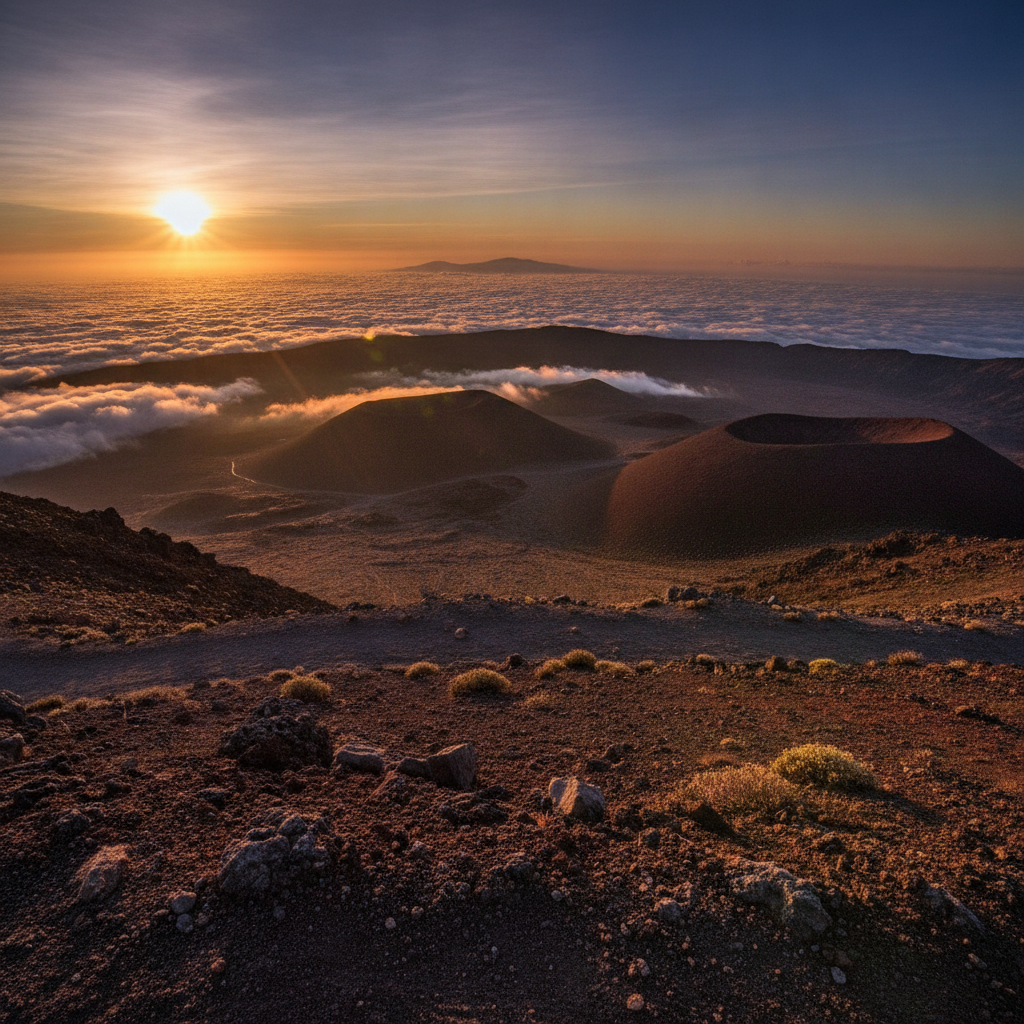
Maui: World Largest Solar Telescope, Hawaiian Cowboys Who Learned from Mexican Vaqueros and 98% of Lanai Owned by Oracle