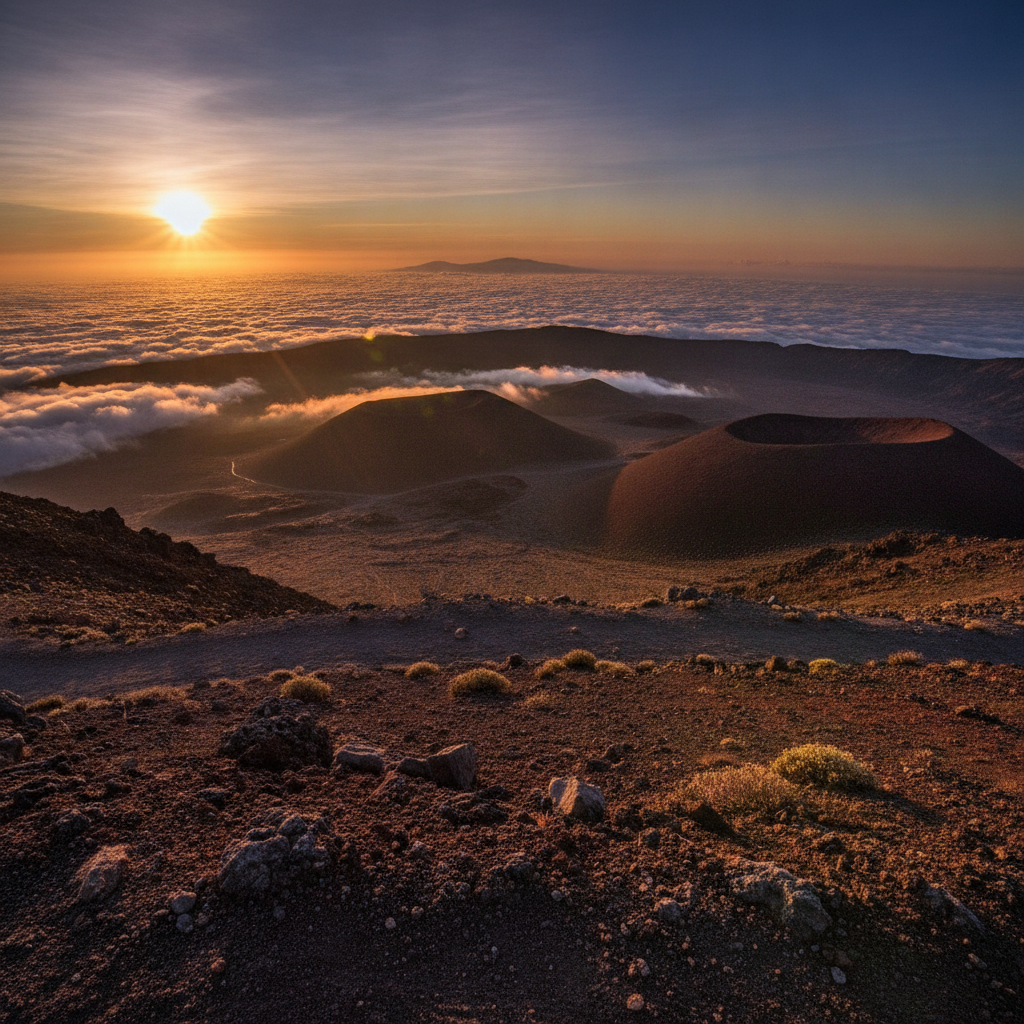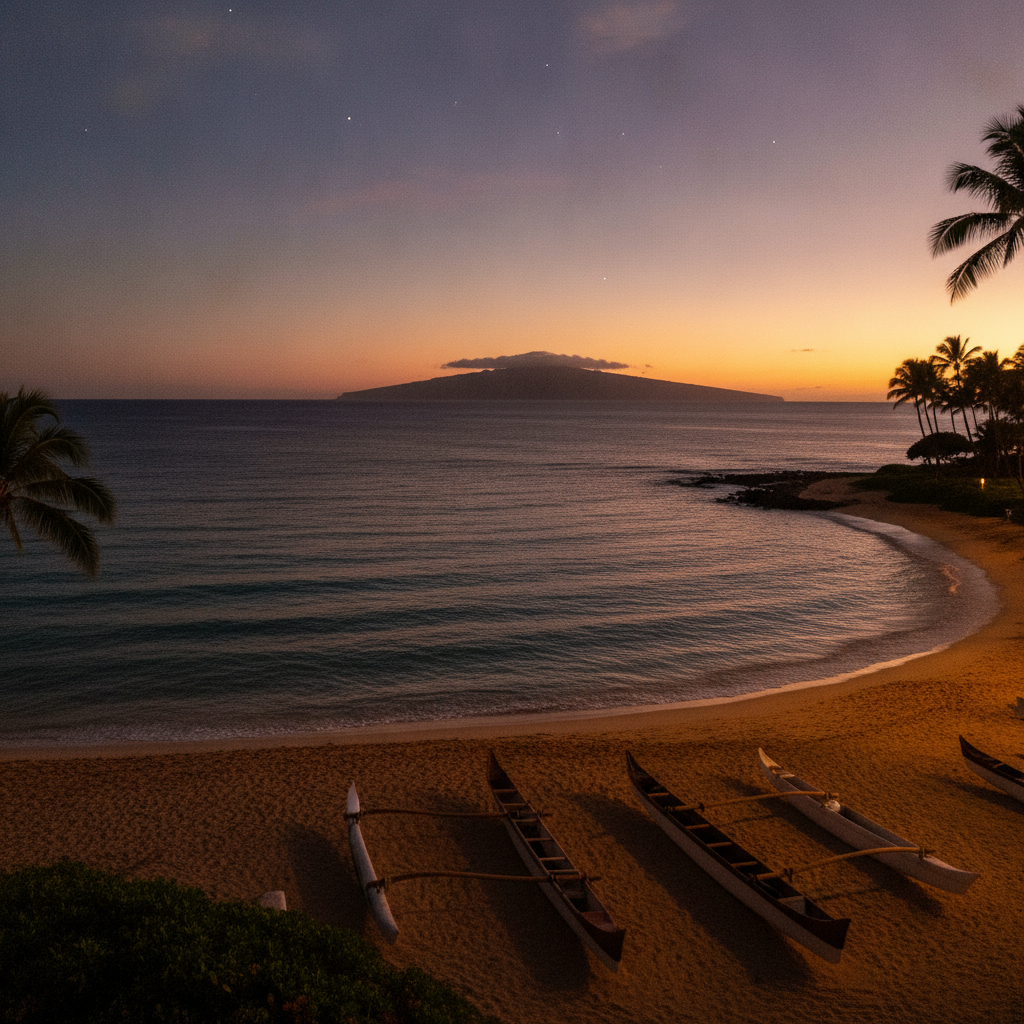
Maui: Kapalua and Napili Bay (luxury northwest coast, PGA Plantation Course), Wailea and Makena Luxury Resorts (Four Seasons, Grand Wailea, La Perouse Bay 1786), Molokai Day Trip (Kalaupapa leprosy settlement, Father Damien, world highest sea cliffs) and Lanai (Larry Ellison, Four Seasons), Maui Arts Scene, Botanical Gardens (Garden of Eden Road to Hana), and Underwater Maui (Turtle Town, Honolua Bay, Five Graves dive)
Maui beyond the basics: Kapalua northwest coast (Ritz-Carlton, Montage, PGA Plantation Course, Napili Bay), Wailea luxury resort enclave (Four Seasons, Grand Wailea art collection, coastal walk), Molokai day trip (world highest sea cliffs 1,010m, Kalaupapa leprosy colony, Father Damien saint 2009) and Lanai (Larry Ellison ownership, two Four Seasons, former Dole plantation), Maui Arts and Cultural Center and events, botanical gardens (Kula, Garden of Eden, Maui Nui native plants), and ocean adventures (Molokini, Turtle Town, Honolua Bay snorkeling, wreck diving).
- 1
Kapalua and Napili Bay - Luxury North West Maui Coast
Kapalua (at the northwest tip of Maui, 10 km north of Kaanapali): the luxury resort enclave with the Ritz-Carlton Kapalua, the Montage Kapalua Bay, and two PGA-level golf courses (the Plantation Course and the Bay Course). The PGA Tour Sentry Tournament of Champions (held annually in January at the Kapalua Plantation Course): the first PGA Tour event of the year, with the field limited to the winners of PGA Tour events from the previous season. The Plantation Course (designed by Ben Crenshaw and Bill Coore, opened 1991): plays along the steep hillside above the Kapalua Bay, with elevation changes of over 250 m between the highest and lowest holes, and views of Molokai and Lanai across the channel. Napili Bay (the crescent beach at the south edge of Kapalua): widely considered one of the most beautiful beaches on Maui, with calm clear water (protected by headlands from the north swell in summer), excellent snorkeling on the south reef, and the Napili Kai Beach Resort fronting the sand. Kapalua Bay (the sheltered bay at the resort core): the most protected swimming beach in West Maui, with a fringing coral reef along the southern headland. The Kapalua Coastal Trail (the 9 km paved trail from Kapalua to Lahaina, running above the coastal bluffs): the most scenic coastal walk on Maui.
- 2
Wailea and Makena - South Maui Luxury Resorts
Wailea (the luxury resort enclave on the south coast of Maui, approximately 20 km south of Kahului): the most upscale resort destination on Maui, with the Four Seasons Maui at Wailea (consistently ranked among the best resorts in the world), the Grand Wailea (the largest and most elaborate resort in Hawaii, with the water park, the Spa Grande, and the 2,000-piece art collection), the Andaz Maui (the boutique luxury resort at Wailea Beach), and the Fairmont Kea Lani. The Wailea Beach Walk (the 2.4 km paved coastal path connecting the Wailea resorts): the most pleasant morning walk on Maui, passing five white sand beaches (Mokapu, Ulua, Wailea, Polo, and Palauea) with views of Molokini Crater, Kahoolawe, and Lanai. The Shops at Wailea (the luxury retail and restaurant center): the Blue Restaurant by Harold Silberstein, and the Monkeypod Kitchen (the most popular local-ingredient restaurant in Wailea, with a focus on seasonal Maui produce and a long list of craft cocktails and local beers). Makena (Big Beach): see R1 for the detailed description of Makena Beach State Park. The Ahihi-Kinau Natural Area Reserve (the marine and land reserve extending south from Makena into the 1790 lava flow area): the most recent land on Maui, with the youngest lava rock surface; the adjacent Ahihi Bay has excellent snorkeling on the protected reef. La Perouse Bay (at the end of the road, the bay within the 1790 lava flow): the site of the French explorer La Perouse landing in 1786, the first European to land on Maui.
- 3
Molokai and Lanai Day Trips from Maui
Molokai (the fifth largest Hawaiian island, 60 km northwest of Maui, population approximately 7,200): the most Hawaiian island in terms of percentage of Native Hawaiian residents (approximately 60%) and the least developed of the main Hawaiian islands, with no traffic lights, no buildings taller than a coconut palm (a local ordinance), and the highest cliffs in the world (the sea cliffs of the north coast, at 1,010 m, the highest in the world). The Kalaupapa National Historical Park (on the Kalaupapa Peninsula, accessible only by air, mule, or the 3.5 km Kalaupapa Trail with 26 switchbacks descending 610 m of cliff): the former leprosy (Hansen disease) settlement where approximately 8,000 patients were forcibly exiled between 1866 and 1969. Father Damien de Veuster (1840-1889): the Belgian Catholic priest who volunteered to minister to the Kalaupapa patients in 1873, contracted leprosy himself, and died at Kalaupapa in 1889; he was canonized as a saint by Pope Benedict XVI in 2009. Lanai (the sixth largest Hawaiian island, 13 km from Lahaina, accessible by Expeditions Ferry or plane, population approximately 3,100): owned 98% by Larry Ellison (the Oracle founder, who purchased the island in 2012 for approximately USD 300 million). Lanai has two Four Seasons resorts (the Four Seasons Lanai at Manele Bay, and the Four Seasons Lodge at Koele in the highlands): the most exclusive resort destination in Hawaii. The Lanai City (the former pineapple plantation town at 550 m elevation): the central square with the Hotel Lanai and the remains of the Dole pineapple plantation era.
- 4
Maui Arts and Cultural Center and Local Events
The Maui Arts and Cultural Center (MACC, at the Kahului harbor area, 1 Cameron Way): the primary performing arts venue on Maui, with the Castle Theater (1,200 seats), the McCoy Studio Theater (230 seats), and the outdoor Amphitheater (5,000 capacity). The MACC hosts the Maui Film Festival (annual in June, with the Celestial Cinema outdoor screening under the stars at the Wailea Golf Club), the Maui Ukulele Festival (October), and year-round touring performances. The Lahaina Arts Society (at the Baldwin Home complex in Lahaina, currently in recovery post-wildfire): the primary fine arts gallery in West Maui, with exhibitions of Maui artists. The Hui Noeau Visual Arts Center (at Kaluanui Estate, Makawao, a 1917 Mediterranean-style estate): the primary visual arts center in Upcountry Maui, with gallery exhibitions, classes, and workshops. The Maui County Fair (annual in October at the War Memorial Complex in Wailuku): the islands oldest and largest county fair, with carnival rides, local food, entertainment, and 4-H and FFA agricultural exhibitions. The Maui Invitational Basketball Tournament (annual in November at the Lahaina Civic Center, pre-wildfire; location being rebuilt post-2023): the premier early-season college basketball tournament, held in Maui since 1984, with field including the top programs from the major conferences. The Drake Lane Antique and Fine Arts Fair (annual in the Iao Valley area): antiques and fine arts from dealers across Hawaii and the mainland.
- 5
Garden of Eden and the Botanical Gardens of Maui
Maui botanical gardens and the horticultural heritage of the island: the Maui Nui Botanical Garden (at Kahului, adjacent to the MACC): the only botanical garden in Hawaii focused exclusively on native Hawaiian plants and traditional Hawaiian cultivated plants (the canoe plants: the 27 plants brought to Hawaii by the original Polynesian settlers, including taro, sweet potato, breadfruit, ti, banana, coconut, sugarcane, and paper mulberry). The Kula Botanical Garden (at 638 Kekaulike Avenue, Kula, Upcountry Maui, 900 m elevation): the 8-acre private garden established 1968, with collections of native Hawaiian plants, hydrangeas, orchids, proteas, and bromeliads in the cool Upcountry climate. The Protea Farm (at Sunrise Protea Farm, Kula): the protea flower industry is a significant Upcountry Maui agricultural sector, with the cool Haleakala slopes producing proteas, king proteas, banksia, and leucadendron for export. The Garden of Eden Arboretum (at 10600 Hana Highway, approximately 17 km east of Kahului on the Road to Hana): the 26-acre private arboretum with over 700 labeled exotic and native tropical plant species, and the viewpoint over the Puohokamoa Stream and the dramatic north Maui coastline. The Ke Anae Arboretum (at Ke Anae, on the Road to Hana): a free Hawaii state park arboretum with labeled specimens of native Hawaiian forest species, introduced tropical species, and the traditional Hawaiian cultivated plants, within a few meters of the taro paddies of the Ke Anae Peninsula.
- 6
Maui Snorkeling Diving and Ocean Adventures
Maui underwater world and ocean activities: the best snorkeling sites on Maui are at Molokini Crater (reached by catamaran, 4 km offshore), Turtle Town (the Maluaka Beach reef south of Makena, accessible by kayak or snorkel tour), the Honolua Bay Marine Life Conservation District (at the northwest tip of Maui, 8 km north of Kaanapali, no boats allowed inside the bay, snorkel from the rocky entry): Honolua Bay is protected, with abundant reef fish and frequent sea turtle and spinner dolphin sightings. The Five Graves dive site (Makena, South Maui): an advanced scuba site famous for the large resident population of green sea turtles, schools of spinner dolphins, and the lava tube formations at 18-24 m depth. The Carthaginian II (the replica brig sunk as an artificial reef off Lahaina in 2005 at 30 m depth): one of the most popular wreck dives on Maui. Whale shark sightings: occasional whale sharks (Rhincodon typus, the largest fish on earth, up to 18 m) are reported around Maui, typically in the summer months. The First Light Maui (surf school at Kaanapali Beach): the most-reviewed surf school on Maui, offering 2-hour lessons in the gentle beach break at Kaanapali. The outrigger canoe paddle tours: the traditional Hawaiian canoe (the six-person outrigger canoe) tours from Kaanapali and Wailea, with narration on Hawaiian canoe culture and the Polynesian navigation tradition that first brought humans to Hawaii from Tahiti approximately 1,000 years ago.
Walk this route with audio
Stories play automatically as you reach each stop — no tapping needed.
More in maui
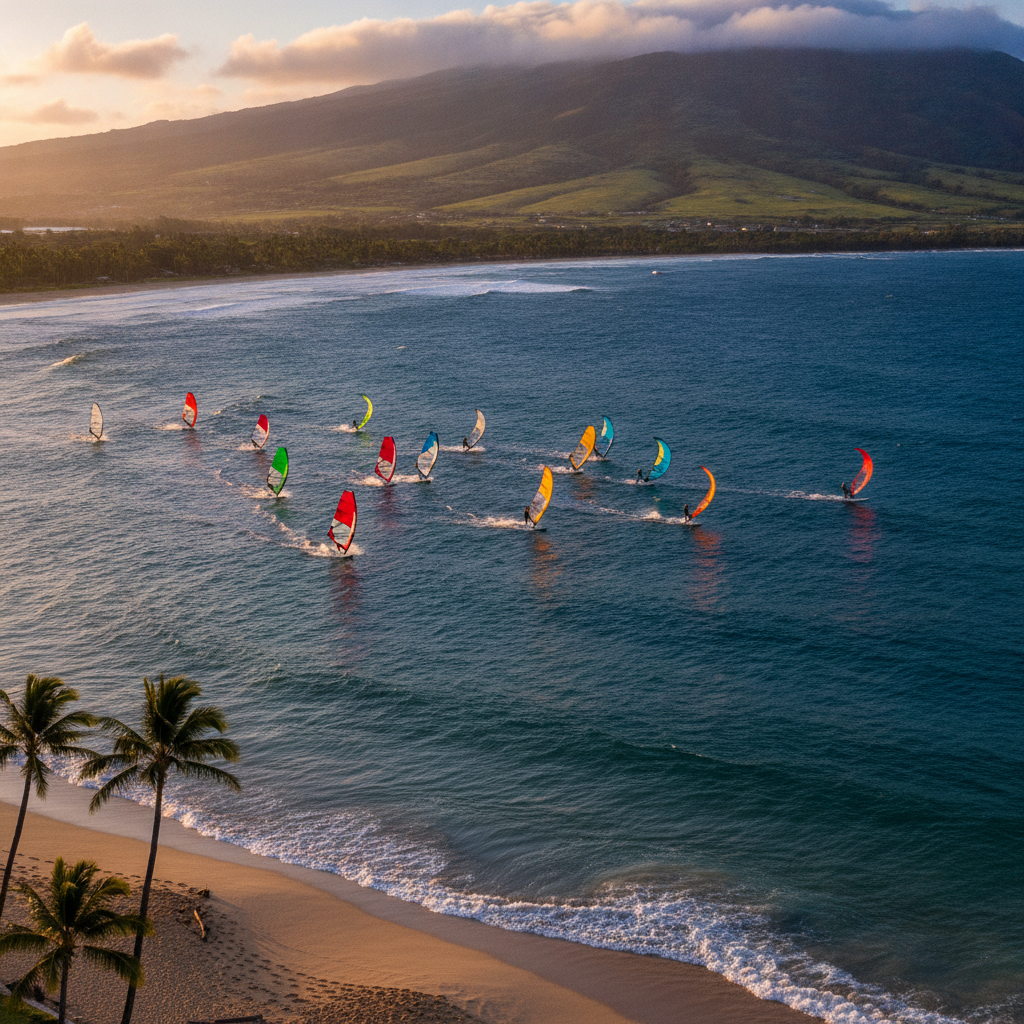
Maui: Iao Valley State Monument and Battle of Kepaniwai (1790), Kaanapali Beach and Whaling History (cliff diving Black Rock), Maui Ocean Center (humpback whales, Hawaiian reef species), Maui Farm-to-Table Food Scene, Paia North Shore and Hookipa Windsurfing Capital, and Practical Guide (Kahului Airport, rental cars, accommodation zones)
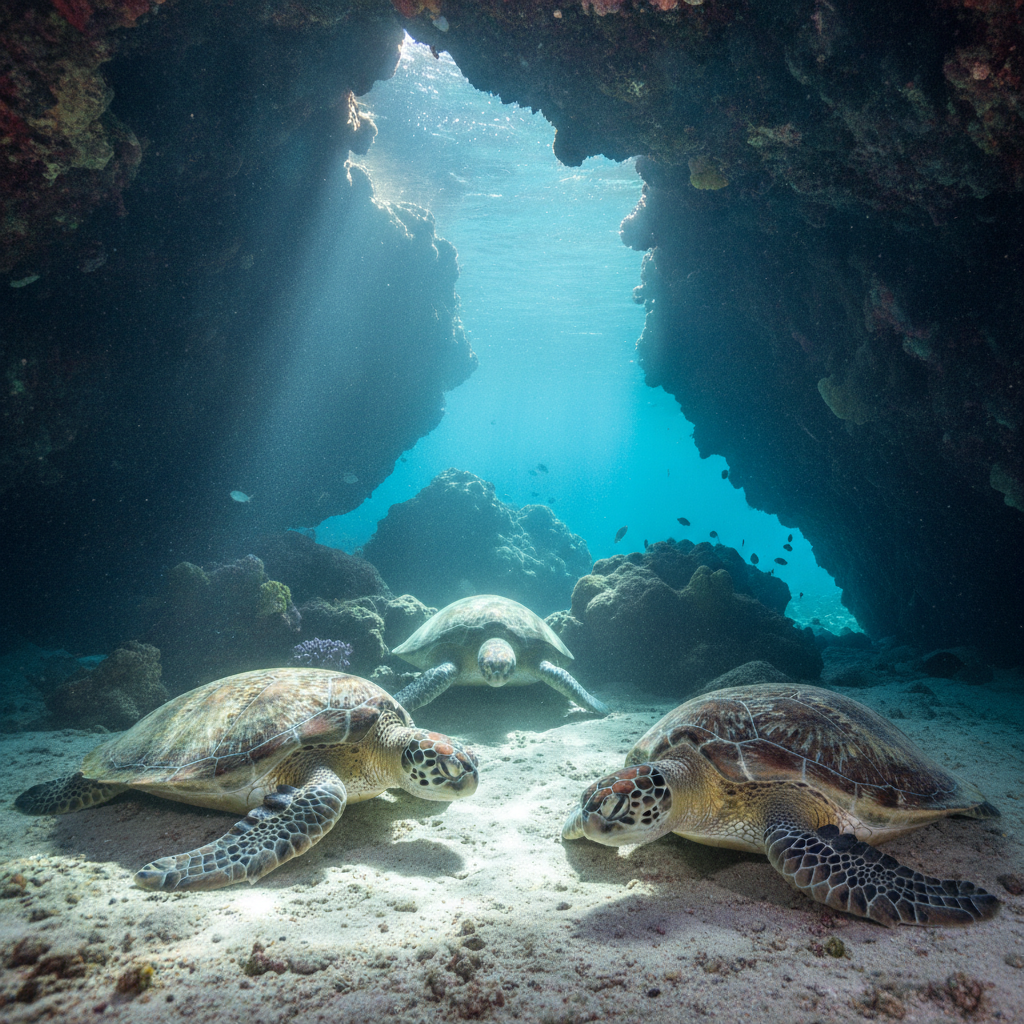
Maui: Nene Goose Back from 30 Birds, Lindbergh Grave Under a Mango Tree and the First Planned Resort in America
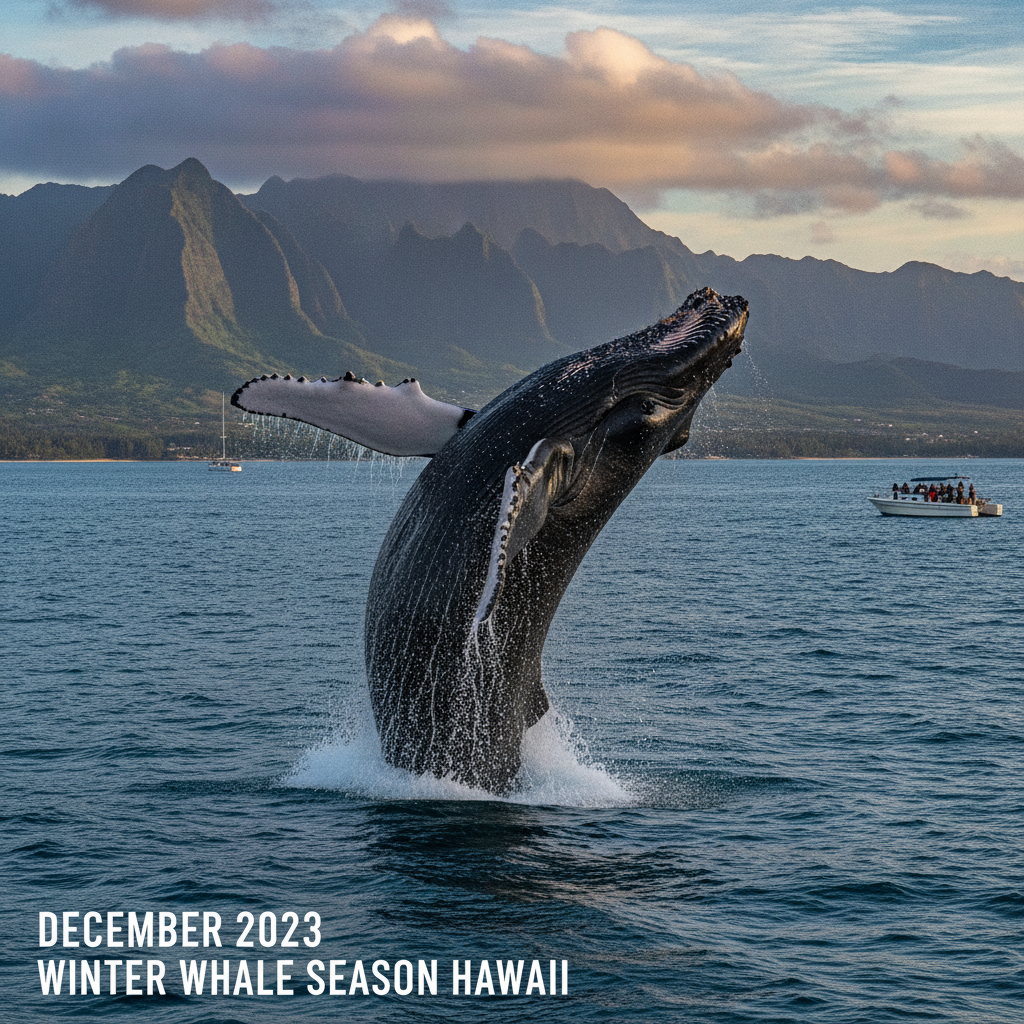
Maui: 10000 Humpbacks Winter Here, Big Beach Sunday Fire Spinners and the Wildfire That Changed Everything
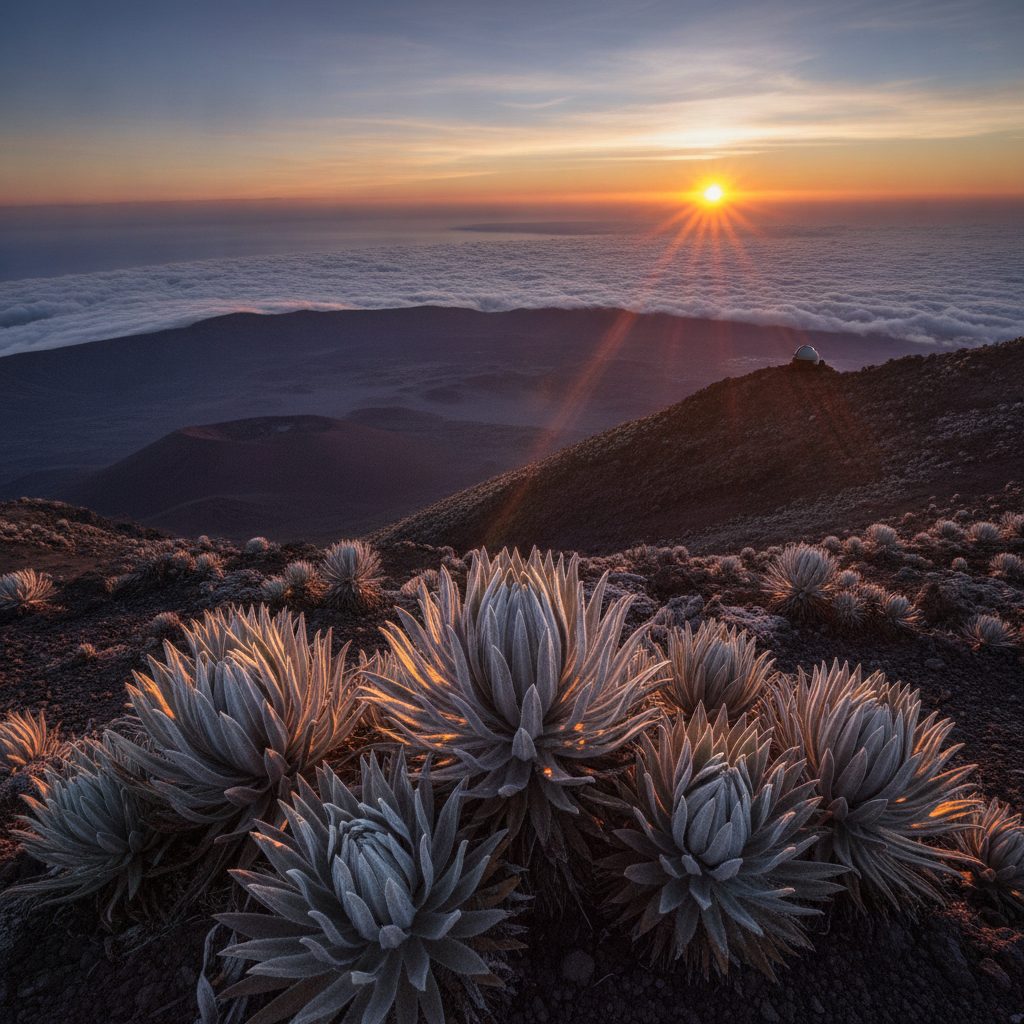
Maui: Haleakala Sunrise Above the Clouds (3055m crater, silversword, nene goose), Road to Hana (64km, 59 bridges, Waianapanapa black sand beach, Lindbergh grave), Lahaina Historic Town and 2023 Wildfire Recovery, Makena Big Beach and Molokini Snorkeling (humpback whale season), and Upcountry Maui Lavender Farms and Paniolo Culture
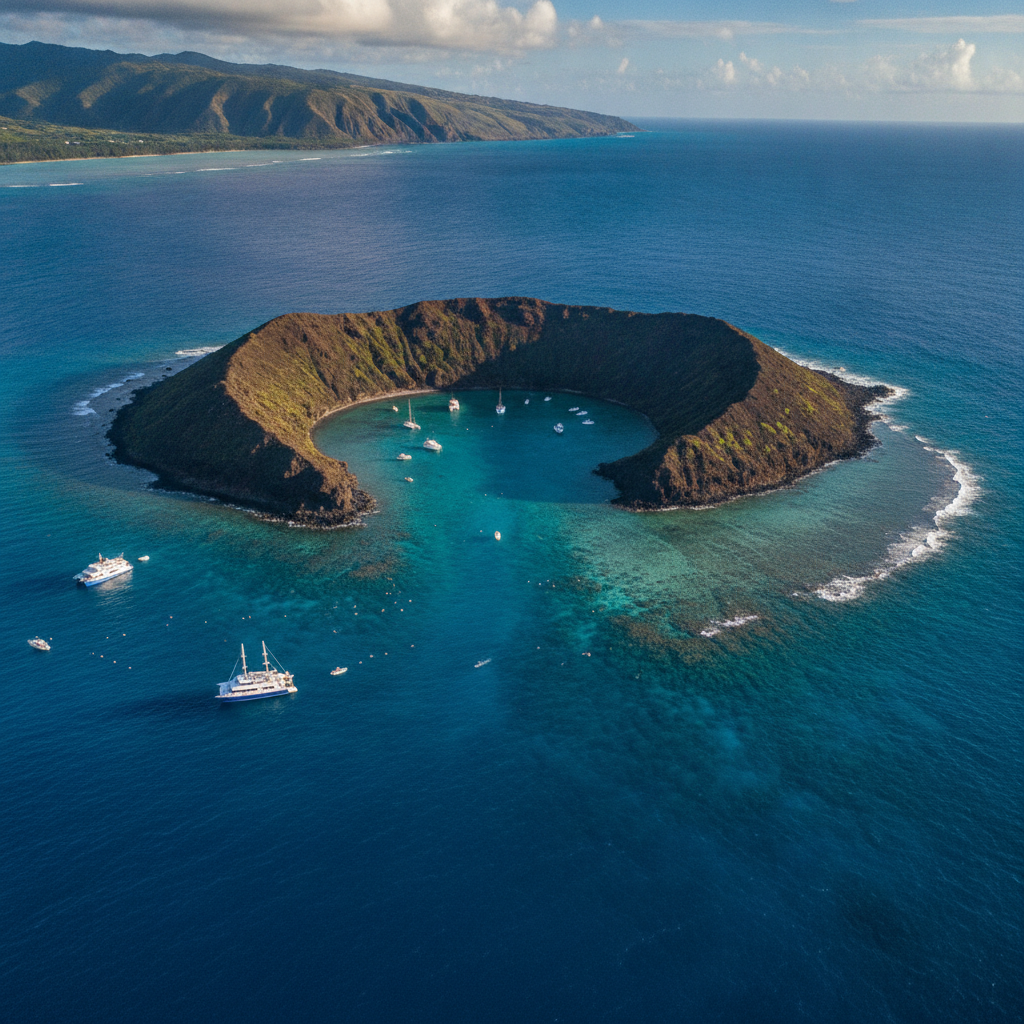
Maui: 150-Foot Visibility Crater Snorkel, 60-Foot Jaws Waves and How Windsurfing Was Invented at Hookipa