Maui: 150-Foot Visibility Crater Snorkel, 60-Foot Jaws Waves and How Windsurfing Was Invented at Hookipa
Depart Maalaea Harbor at dawn for Molokini Crater 150-foot visibility snorkel before afternoon winds arrive, drive into Wailuku historic county seat past Bailey House museum to the Iao Needle basalt spire above the valley where Kamehameha won Maui, follow 620 curves and 59 bridges of the Hana Highway through bamboo forest to Waimoku 400-foot waterfall, understand how Robby Naish and Laird Hamilton invented competitive windsurfing and tow-in surfing at Hookipa and Jaws, attend a Hawaiian music performance at the Maui Arts and Cultural Center, and book rental car before hotel since Maui has no transit system.
- 1
Maui Snorkeling and Molokini Crater
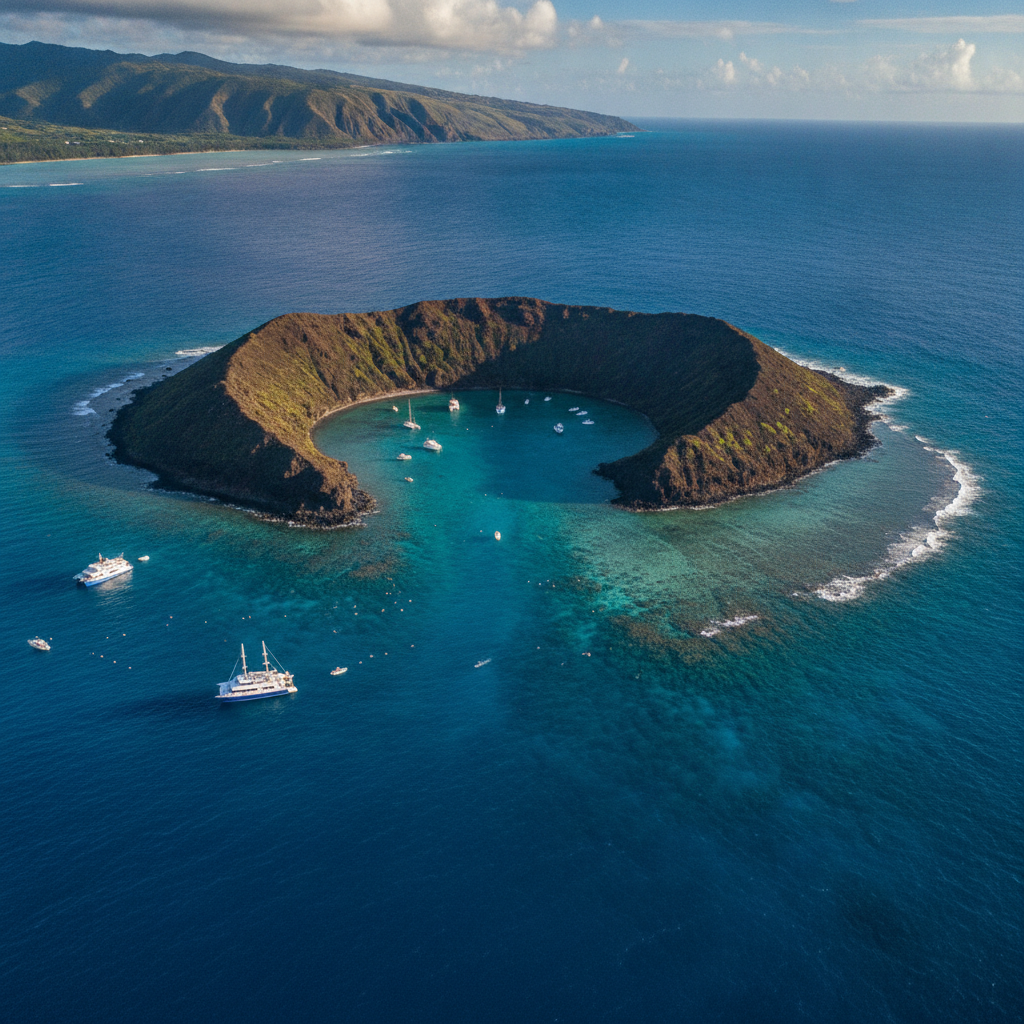
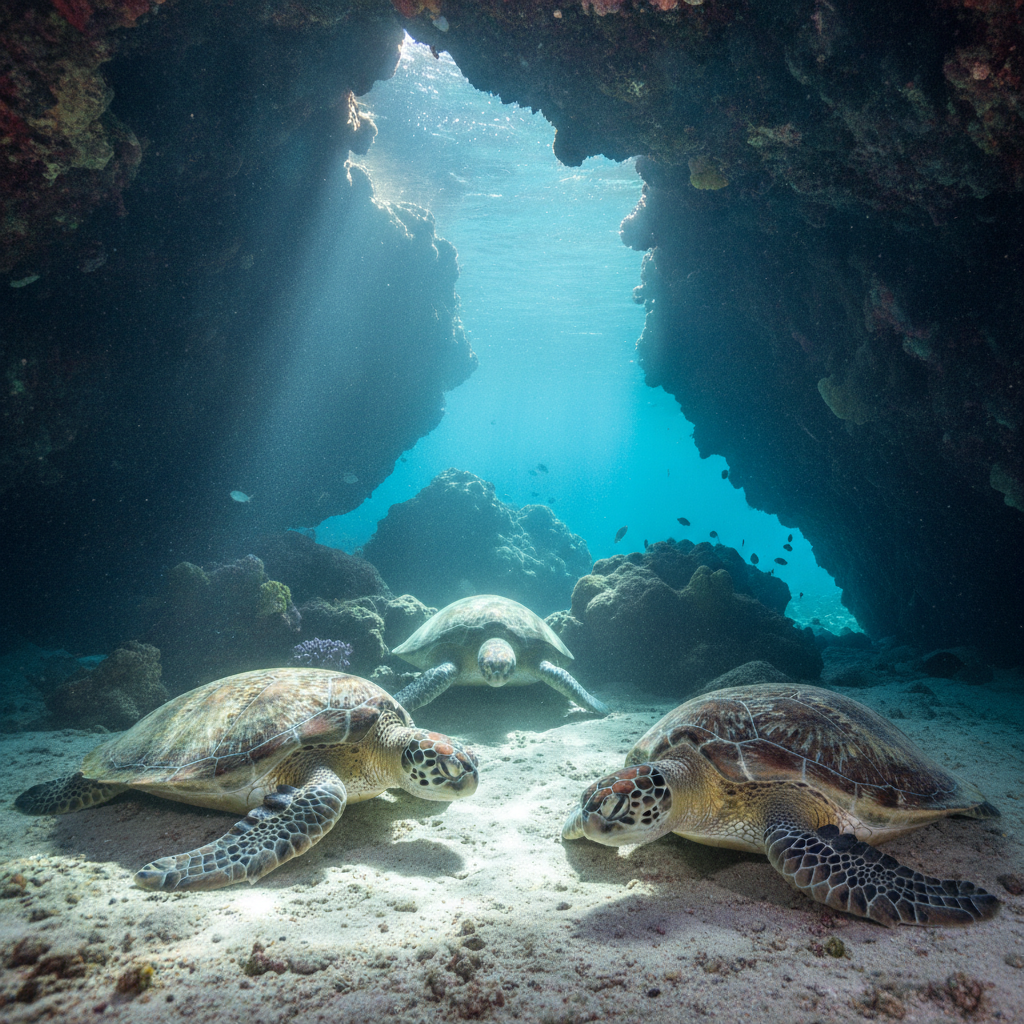
Molokini Crater, a crescent-shaped partially submerged volcanic cone 3 miles off the Makena coast, is the most visited snorkel and dive site in Hawaii, offering visibility up to 150 feet in calm conditions, a sheer outer wall descending 300 feet, and a resident population of reef fish, green sea turtles, and occasional hammerhead sharks. Early morning departure from Maalaea Harbor on catamaran tours reaches Molokini before afternoon winds chop the water. Turtle Town between Molokini and Makena is a series of lava ledges where Hawaiian green sea turtles rest and graze on limu algae. Honolua Bay on the northwest corner of Maui near Kapalua is a marine life conservation district with exceptional coral reef diversity and, in winter, world-class surfing waves that attract professional surfers for competitions. The bay is accessible only by a 10-minute trail from the highway.
- 2
Kahului and Wailuku Historic Town
Wailuku, the historic county seat of Maui County on the isthmus between the West Maui Mountains and Haleakala, retains its plantation-era main street of Market Street and Main Street with antique shops, restaurants, and local businesses in a character largely unaffected by resort tourism. The Bailey House Museum in the 1833 Bailey family missionary home documents Maui history from pre-contact through the plantation era. The Iao Valley State Monument 3 miles above Wailuku preserves the narrow valley where Kamehameha defeated Maui forces in the 1790 Battle of Kepaniwai, and where the Iao Needle, a 1,200-foot basalt spire, rises above the valley floor. The Maui Tropical Plantation in Waikapu south of Wailuku offers agricultural tours through working fields of pineapple, sugar cane remnants, papaya, and other crops with a tram tour and zipline.
- 3
Hana Highway Waterfalls and Pools
The Road to Hana, Highway 360, makes 620 curves and crosses 59 bridges in 65 miles from Paia to Hana, passing dozens of waterfalls, swimming holes, bamboo forests, and coastal overlooks in one of the most celebrated scenic drives in the United States. Wailua Falls, Twin Falls, and Puohokamoa Falls are accessible from roadside pullouts. The Garden of Eden arboretum provides organized access to the jungle landscape. Wai anapanapa State Park at the edge of Hana contains a black sand beach, lava arch, blowhole, and hiking trails along the coast. The Pipiwai Trail in the Kipahulu District of Haleakala National Park, accessible only by continuing past Hana to Oheo Gulch, passes through a massive bamboo forest to Waimoku Falls, a 400-foot waterfall at the end of a 4-mile round trip considered one of the finest waterfall hikes in Hawaii.
- 4
Surfing History and Maui Windsports
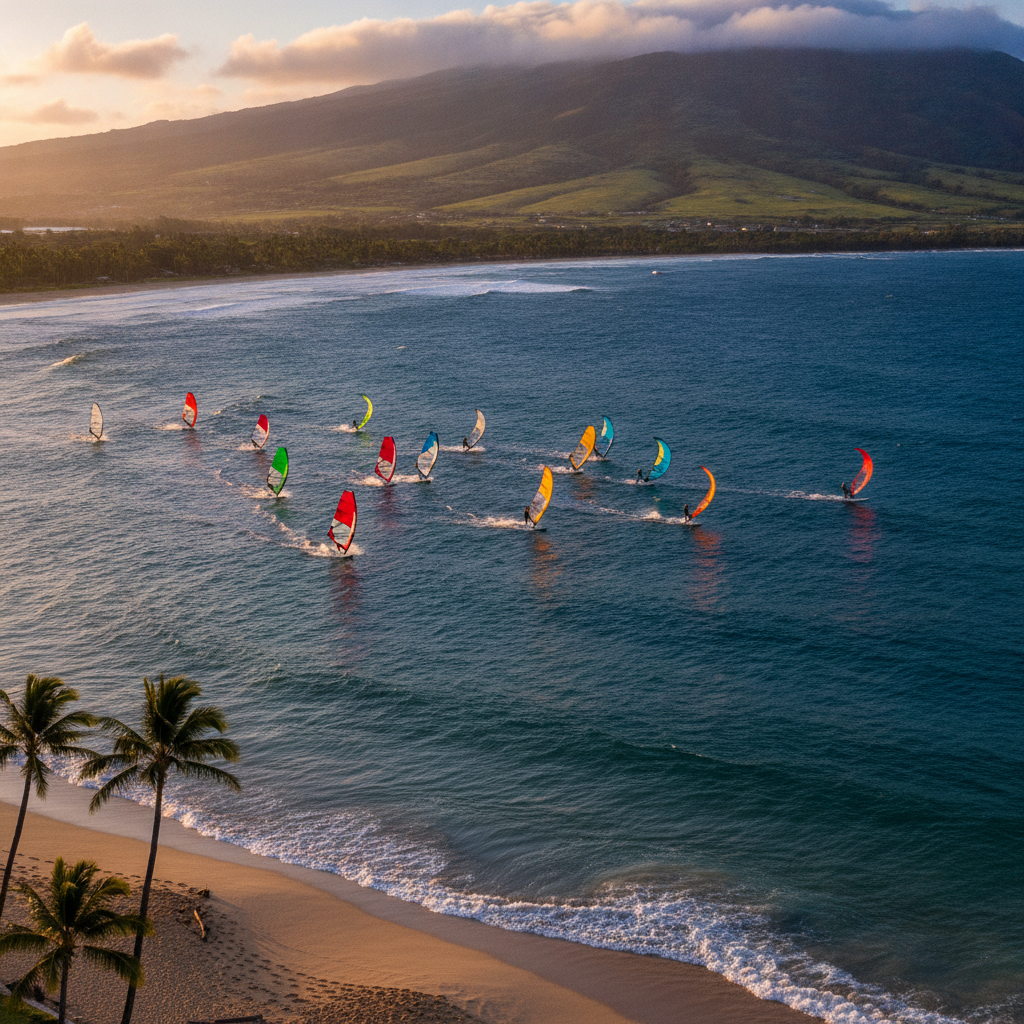
Maui has been the global center of windsurfing and kiteboarding since the 1980s when the consistent trade winds at Hookipa Beach attracted innovators who transformed ocean wind sports. Robby Naish, who won 24 world windsurfing championships, began his career at Hookipa. The development of directional boards, harness systems, and high-performance sails at Maui by a community of surfers-turned-windsurfers created the sport as it is now practiced globally. Kiteboarding, which emerged from windsurfing culture, has its primary competition circuit at Kite Beach in Kanaha near Kahului Airport. Peahi, known as Jaws, on the north shore of Maui receives winter swells that produce waves reaching 60 to 80 feet, the largest regularly surfed waves in the world, where tow-in surfing, pioneered by Laird Hamilton and Darrick Doerner at Maui in the 1990s, was developed as the only method to catch these waves.
- 5
Maui Arts and Cultural Center
The Maui Arts and Cultural Center in Kahului, opened in 1994, is the primary performing arts venue on Maui and presents a full season of theater, dance, concerts, and film. The center has hosted international touring artists and local Hawaiian music and hula performances. The Maui Film Festival, held annually in Wailea in June, presents outdoor screenings of films under the stars alongside indoor screenings and celebrity conversations. The Hui No eau Visual Arts Center in a 1917 Mediterranean-style estate in Makawao Upcountry is the primary visual arts organization on Maui, offering classes and gallery exhibitions. The Seabury Hall arts program and the Baldwin High School programs produce a pipeline of young Maui artists. The Lahaina Arts Society and galleries that operated on Front Street before the 2023 fire were among the most active small-town gallery scenes in Hawaii.
- 6
Maui Practical Guide and Airports
Kahului Airport on the Maui isthmus is the primary airport, receiving direct mainland flights from Los Angeles, San Francisco, Seattle, Phoenix, Denver, Chicago, and other cities. Hana Airport receives small interisland aircraft. Maui has no public transit system adequate for visitor exploration; a rental car is essential. Traffic on the Hana Highway and around the resorts can be severe during peak periods. Summer June through August and the winter holiday periods are highest-occupancy. Spring and fall have more availability at lower rates. Maui hotel and resort prices are among the highest in the United States outside of Manhattan and certain California markets. The South Maui Kihei area has the most concentration of condominium vacation rental inventory at prices below the Wailea luxury resort corridor. The post-2023 fire Maui economy is recovering with Kaanapali and other West Maui areas outside the burn zone fully operational.
Walk this route with audio
Stories play automatically as you reach each stop — no tapping needed.
More in Maui
Maui: Iao Valley State Monument and Battle of Kepaniwai (1790), Kaanapali Beach and Whaling History (cliff diving Black Rock), Maui Ocean Center (humpback whales, Hawaiian reef species), Maui Farm-to-Table Food Scene, Paia North Shore and Hookipa Windsurfing Capital, and Practical Guide (Kahului Airport, rental cars, accommodation zones)
Maui: Nene Goose Back from 30 Birds, Lindbergh Grave Under a Mango Tree and the First Planned Resort in America
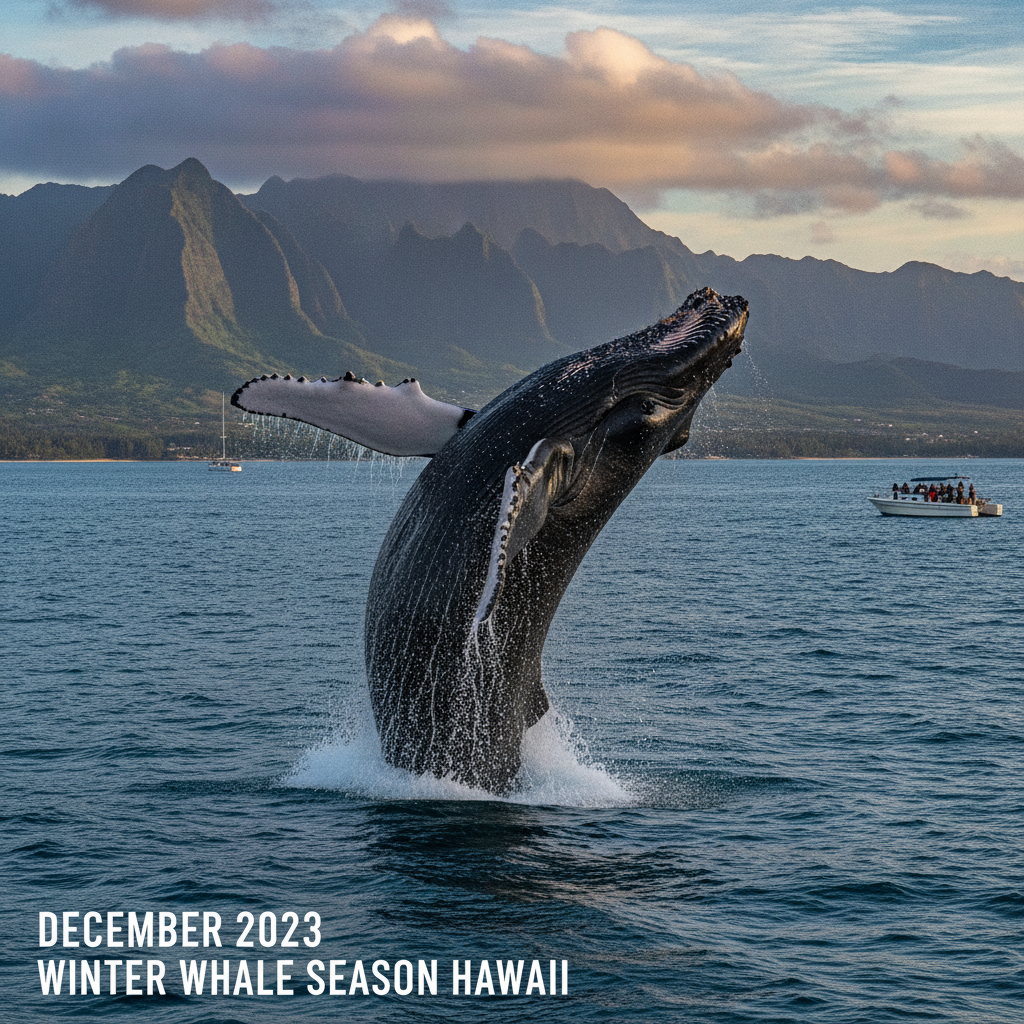
Maui: 10000 Humpbacks Winter Here, Big Beach Sunday Fire Spinners and the Wildfire That Changed Everything
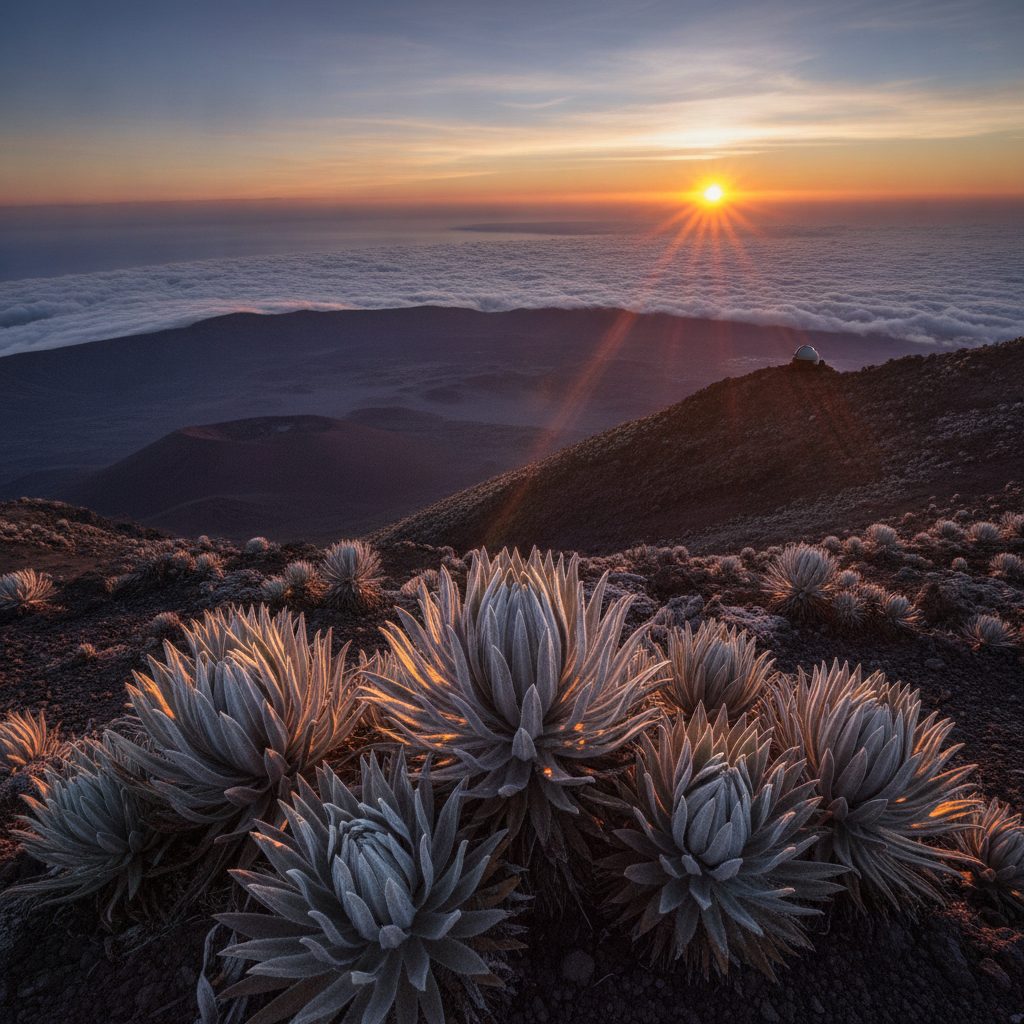
Maui: Haleakala Sunrise Above the Clouds (3055m crater, silversword, nene goose), Road to Hana (64km, 59 bridges, Waianapanapa black sand beach, Lindbergh grave), Lahaina Historic Town and 2023 Wildfire Recovery, Makena Big Beach and Molokini Snorkeling (humpback whale season), and Upcountry Maui Lavender Farms and Paniolo Culture
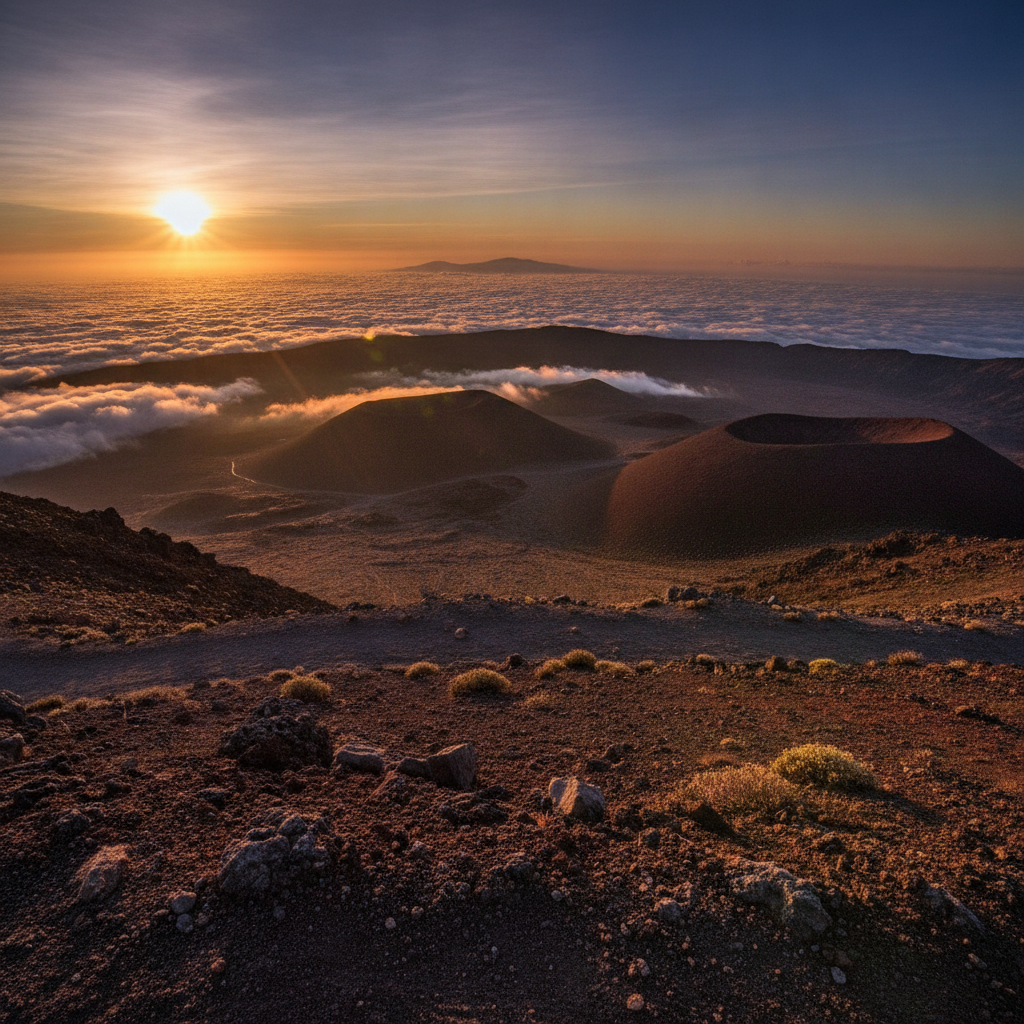
Maui: World Largest Solar Telescope, Hawaiian Cowboys Who Learned from Mexican Vaqueros and 98% of Lanai Owned by Oracle