Maui: Native Hawaiian Land Rights (OHA, Hawaiian Homes Act, post-wildfire displacement), Kipahulu District (Oheo Gulch, Pipiwai bamboo trail and 120m Waimoku Falls, Lindbergh grave), Maui in Film (The Descendants, Blue Hawaii, Indiana Jones, Maui Film Festival), Humpback Whale Science (Pacific Whale Foundation, 10000 winter whales in Maui Nui), Kahului and Wailuku Local Life, and Helicopter Tour Perspectives
Maui in depth: Native Hawaiian sovereignty and land rights (OHA, 28,000-person homelands waiting list, 2023 fire displacement crisis), Kipahulu Haleakala (Oheo Gulch pools, Pipiwai bamboo forest hike to Waimoku Falls, Charles Lindbergh grave), Maui film connections (The Descendants, Blue Hawaii, USD 500M annual film economy, Celestial Cinema), humpback whale science (8,000-10,000 winter whales, whale song biology, Pacific Whale Foundation research), Kahului and Wailuku real Maui (housing crisis, plantation-era Wailuku), and helicopter tour aerial perspectives.
- 1
Maui Native Hawaiian Culture and Land Rights
Native Hawaiian culture and sovereignty context: the Native Hawaiian population (people of Hawaiian ancestry) constitutes approximately 21% of the Hawaii state population (approximately 289,000 people), but this figure includes people with any Hawaiian blood; full-blood Native Hawaiians number considerably fewer. The Office of Hawaiian Affairs (OHA, established 1978 by state constitutional amendment): the semi-autonomous state agency responsible for improving conditions for Native Hawaiians, managing Hawaiian homelands, and advocating for Hawaiian sovereignty. The Hawaiian Homes Commission Act (1920): the federal law setting aside approximately 200,000 acres of land in Hawaii for homesteading by Native Hawaiians (defined as having at least 50% Hawaiian blood); the waiting list for Hawaiian home leases currently exceeds 28,000 applicants, with average wait times of 20-40 years. The Maui land question: the 2023 Lahaina fire brought to the surface the long-standing tension between Native Hawaiian land rights and the pressures of development and tourism in Maui. Many Lahaina fire survivors were unable to afford post-fire rental prices (median Maui rent exceeds USD 3,000 per month) and have been displaced from their ancestral communities. The movement for Hawaiian sovereignty ranges from restoration of the Hawaiian monarchy to federal recognition (similar to Native American tribal recognition) to full independence. The Maui cultural practices: taro farming in the Ke Anae Valley, traditional net fishing at the fishponds, and hula halau (hula schools) throughout the island maintain the living connection to precontact Hawaiian culture.
- 2
Haleakala National Park Kipahulu District and Oheo Gulch
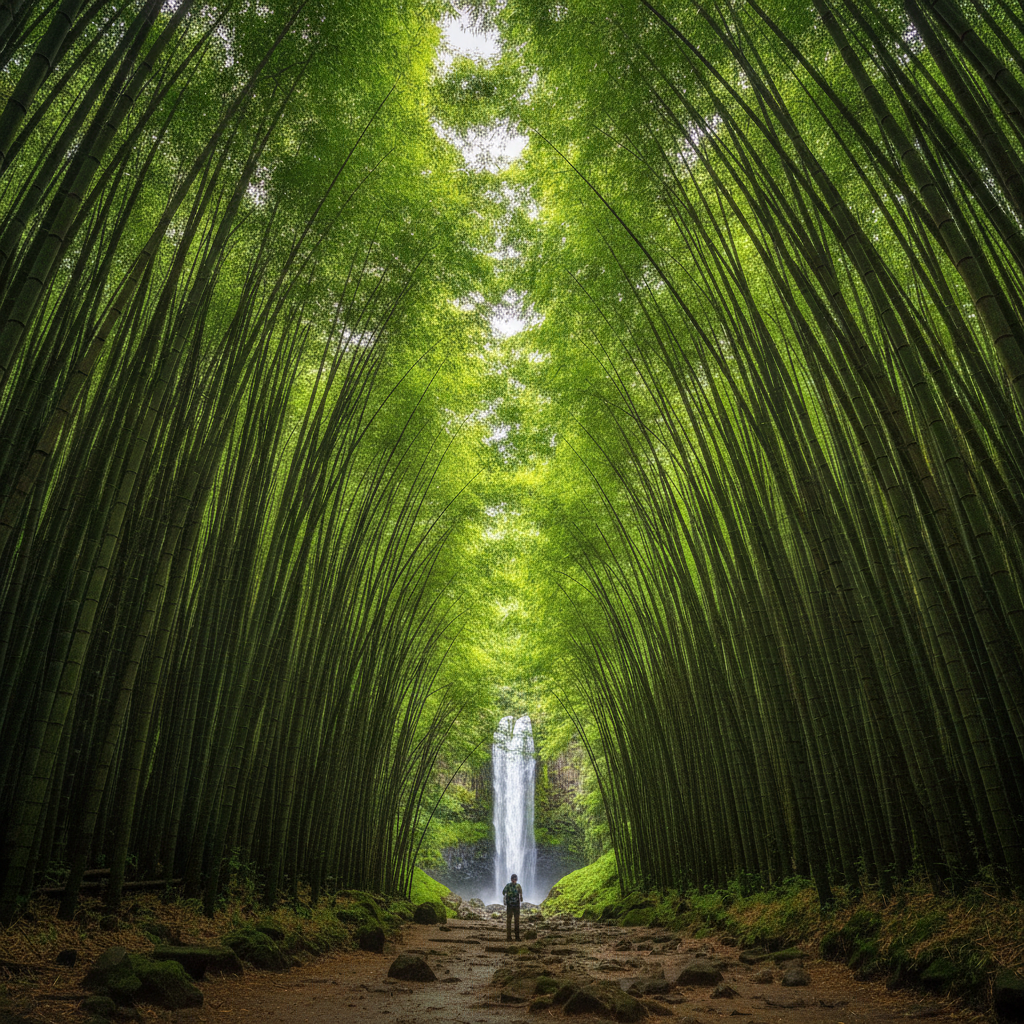
The Kipahulu District of Haleakala National Park (on the remote southeast coast of Maui, at the end of the Road to Hana, 13 km south of Hana town): the coastal and lower forest section of Haleakala National Park, separated from the summit crater district by private land and accessible only from the Hana Highway. The Oheo Gulch (the Seven Sacred Pools): the series of large freshwater pools on the Pipiwai Stream, descending from the Haleakala slopes to the ocean at Kipahulu. The pools (which actually number over 24, not seven, and were never actually sacred): the lower pools are accessible by a short 0.4 km trail from the Kipahulu Visitor Center; swimming in the lower pools has been intermittently prohibited due to dangerous flash flooding from the upstream watershed. The Pipiwai Trail (the 6.4 km round-trip trail from the Oheo Gulch through the bamboo forest to the 120 m Waimoku Falls): the most spectacular inland hike in Maui, passing through a dense bamboo forest (the bamboo stalks grow up to 18 m tall and create a cathedral-like light and sound environment) before reaching the dramatic Waimoku Falls. The grave of Charles Lindbergh (at the Palapala Hoomau Congregational Church, 3 km south of the Kipahulu Visitor Center): Charles Lindbergh (the first solo transatlantic aviator, 1927) fell in love with Maui during a 1967 visit and returned to die there in 1974; his simple grave is marked with a stone inscribed with a verse from Psalm 139.
- 3
Maui Film History and the Hollywood Connection
Maui and Hawaii film production history: Hawaii has hosted major film and television productions since the 1930s due to its tropical landscapes, year-round filming weather, and the state film production tax credit (of up to 20-25% on qualified production costs). Major Maui film locations: the Road to Hana and the Hana area were used for Jurassic World (2015), Indiana Jones Raiders of the Lost Ark (1981), Pirates of the Caribbean: On Stranger Tides (2011), and The Descendants (2011, directed by Alexander Payne, set entirely on Oahu and Kauai but representing a broader Hawaii story of a family facing a dying matriarch and land inheritance). Maui specific films and TV: Blue Hawaii (1961, Elvis Presley): filmed primarily on Oahu, with some Maui locations; established the global image of Hawaii as a paradise tourism destination. Gilligan Island (1964-1967, the CBS TV comedy): filmed at the CBS Studios in Hollywood, but the island sequences used Honolulu locations. The Descendants (2011): George Clooney plays a Honolulu lawyer managing the sale of ancestral family land in Hawaii; won the Academy Award for Best Adapted Screenplay (Alexander Payne and Nat Faxon and Jim Rash). The state film commission estimates that the annual economic impact of film and TV production in Hawaii exceeds USD 500 million. The Maui Film Festival (established 1999): the annual festival at Wailea hosts approximately 30,000 attendees across indoor screenings and the outdoor Celestial Cinema under the stars.
- 4
Maui Whale Season and Marine Research
Humpback whale science and the Hawaiian Islands Humpback Whale National Marine Sanctuary: the sanctuary (designated 1992 by Congress) encompasses the waters of the Maui Nui basin (the four-island area of Maui, Molokai, Lanai, and Kahoolawe) and protects the primary winter breeding grounds of the North Pacific humpback whale population. The humpback whale (Megaptera novaeangliae, meaning big-winged New Englander in Greek/Latin): the most acrobatic of the great whales, known for the spectacular surface behaviors (the breach, the fluke-up dive, the spy-hop, the pec slap) and the complex songs sung by the males during the breeding season. The humpback whale song: the male humpback produces the longest, most complex vocalizations of any non-human animal, with songs lasting up to 20 minutes and repeated continuously for hours; all males in a given ocean basin sing the same song at any given time, with the song slowly changing over the season. The Pacific Whale Foundation research (headquartered in Kihei): founded 1980, with a long-term photo-identification database of over 5,000 individual North Pacific humpback whales identified by the unique pattern of the underside of the flukes. The Hawaii Whale Research Foundation (also based in Maui): long-term acoustic monitoring of the humpback whale song and behavioral research from vessels and drones. The winter population in Maui Nui waters at peak (February): an estimated 8,000-10,000 individual humpback whales, with sightings guaranteed on any ocean activity from December through April.
- 5
Kahului and Wailuku - Maui Real Local Life
Kahului (the commercial hub and port city of Maui, on the north coast of the central isthmus, population approximately 26,000): the practical center of Maui, with the main harbor (Kahului Harbor, through which all cargo and cruise ships arrive), the Kahului Airport, the Maui Mall and Queen Kaahumanu Center (the main shopping malls), and the concentration of the local working population. Kahului lacks the resort character of the West Maui and South Maui beach zones and provides the most authentic view of everyday Maui life. Wailuku (the county seat of Maui County, 3 km west of Kahului, population approximately 17,000): the political and historical center of Maui, with the Maui County Building, the old plantation-era commercial district on Market Street (antique shops, vintage clothing stores, plate lunch restaurants, and local coffee shops), and the Kaahumanu Church (built 1876, the oldest continuously active Protestant church on Maui, named after the powerful chiefess Kaahumanu). The Maui Preparatory Academy (at Napili): the private school on the North Shore. The cost of living on Maui: median home prices on Maui exceed USD 1.2 million (making Maui one of the most expensive real estate markets in the United States), with the local working population (hotel and resort workers, teachers, government employees) facing a severe housing affordability crisis exacerbated by the 2023 Lahaina fire displacing approximately 12,000 residents.
- 6
Maui Helicopter Tours and Aerial Perspectives
Maui helicopter tours: the aerial perspective is the definitive way to experience the scale and geography of Maui, given that much of the island (the interior of Haleakala, the north coast cliffs, and the remote East Maui wilderness) is inaccessible or impractical to reach on the ground. The primary helicopter operators from Kahului Heliport: Blue Hawaiian Helicopters (the largest helicopter tour operator in Hawaii), Maverick Helicopters, and Air Maui. The standard 45-60 minute Maui circle tour: the flight covers the Haleakala summit and crater, the north Maui coast and the Ke Anae Valley taro paddies, the Road to Hana waterfalls (including the Wailua Falls, visible only from the air), the Hana coast, the Kipahulu Oheo Gulch, the Makena and Wailea coast, and the West Maui Mountains and Iao Valley. The West Maui Mountain interior: the deep valleys of the West Maui Mountains (Waihee, Wailuku, and Iao rivers) are virtually impenetrable on foot due to the dense vegetation and steep terrain; the helicopter provides the only practical view of the remote valley interiors, waterfalls, and ridgelines. The inter-island perspective: from the Haleakala summit on a clear day, all of the main Hawaiian islands except Kauai are visible; the helicopter tour provides a similar panoramic view of the Maui Nui island group (Maui, Molokai, Lanai, and Kahoolawe). Practical: the sunrise and midmorning flights have the best visibility (afternoon trade-wind clouds build over the Haleakala slopes by mid-afternoon).
Walk this route with audio
Stories play automatically as you reach each stop — no tapping needed.
More in maui
Maui: Iao Valley State Monument and Battle of Kepaniwai (1790), Kaanapali Beach and Whaling History (cliff diving Black Rock), Maui Ocean Center (humpback whales, Hawaiian reef species), Maui Farm-to-Table Food Scene, Paia North Shore and Hookipa Windsurfing Capital, and Practical Guide (Kahului Airport, rental cars, accommodation zones)
Maui: Nene Goose Back from 30 Birds, Lindbergh Grave Under a Mango Tree and the First Planned Resort in America
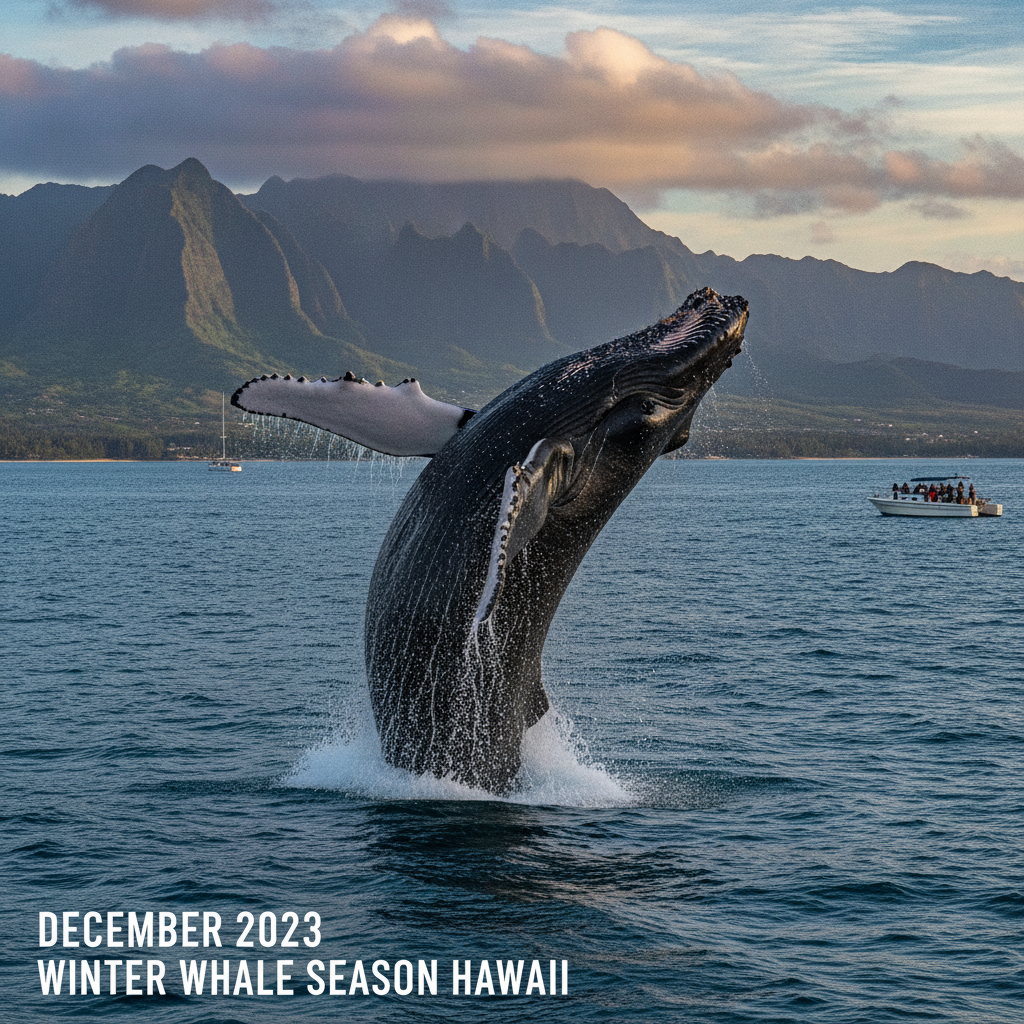
Maui: 10000 Humpbacks Winter Here, Big Beach Sunday Fire Spinners and the Wildfire That Changed Everything
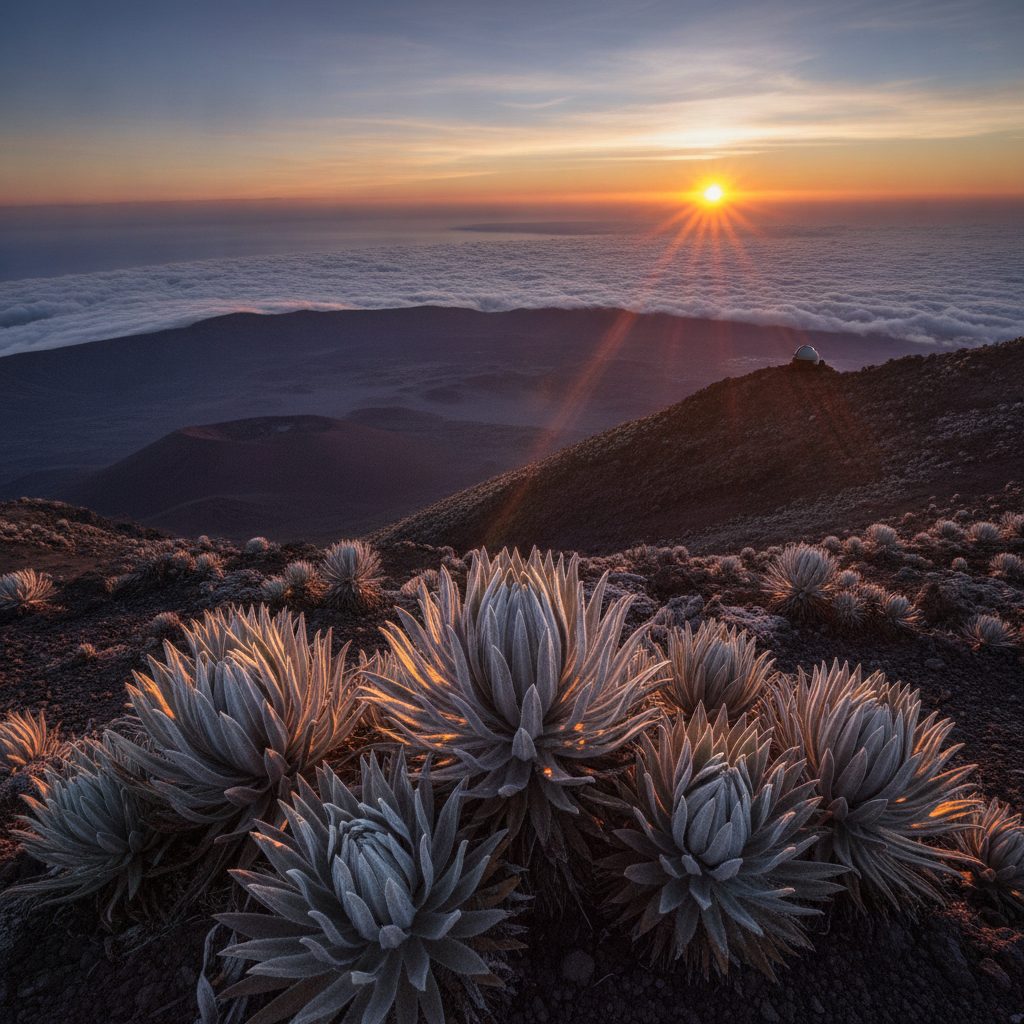
Maui: Haleakala Sunrise Above the Clouds (3055m crater, silversword, nene goose), Road to Hana (64km, 59 bridges, Waianapanapa black sand beach, Lindbergh grave), Lahaina Historic Town and 2023 Wildfire Recovery, Makena Big Beach and Molokini Snorkeling (humpback whale season), and Upcountry Maui Lavender Farms and Paniolo Culture
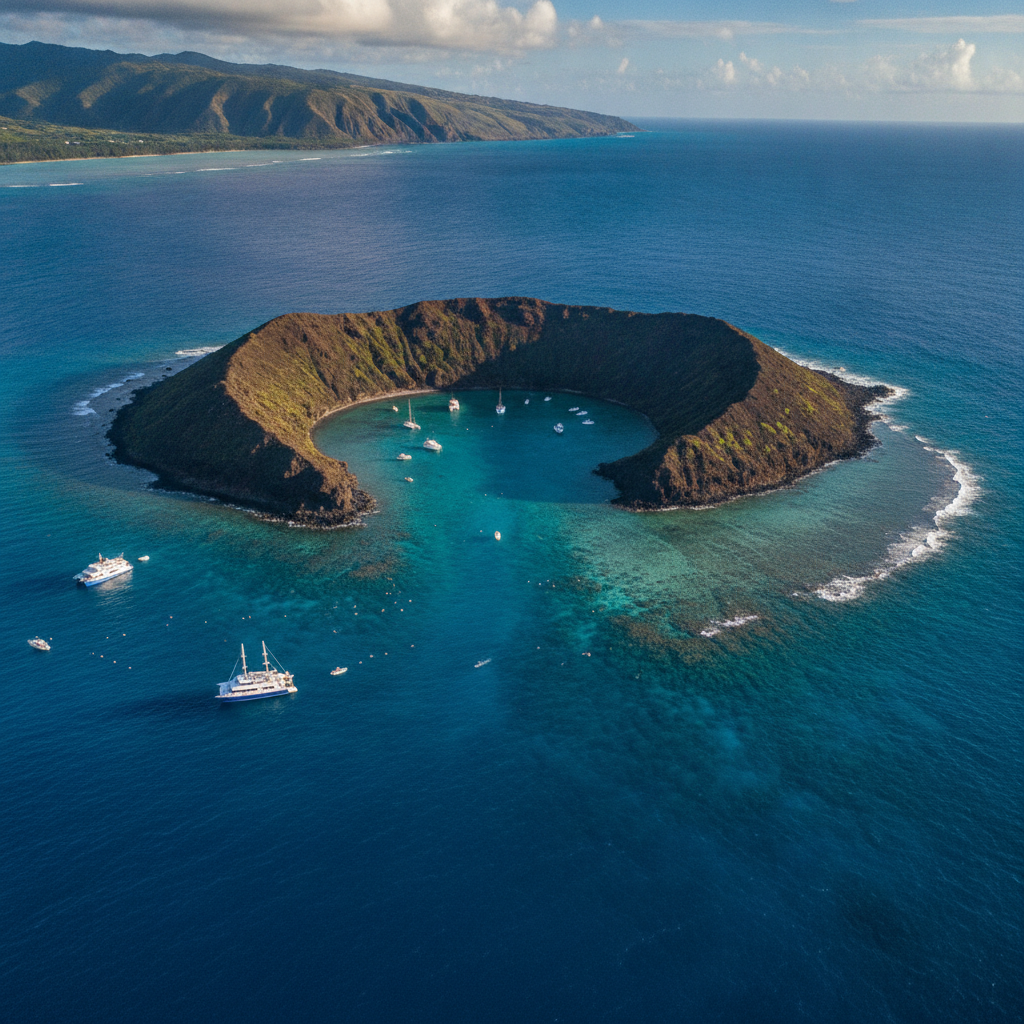
Maui: 150-Foot Visibility Crater Snorkel, 60-Foot Jaws Waves and How Windsurfing Was Invented at Hookipa