Maui: 10000 Humpbacks Winter Here, Big Beach Sunday Fire Spinners and the Wildfire That Changed Everything
Watch humpback whales breach in the Auau Channel winter sanctuary from a vessel keeping the required 100-yard distance, drive Upcountry Maui farm roads to Kula protea nurseries and goat cheese dairy above the resort zone, walk the wide sand of Makena Big Beach and cross the rock to Little Beach Sunday drum circle at sunset, follow windsurfers at world-famous Hookipa Beach in Paia north shore town, taste Maui Brewing craft beer and upcountry farmers market produce, and understand that Lahaina the historic whaling capital was destroyed in August 2023 in the deadliest American wildfire in a century.
- 1
Maui Whale Season and Ocean Activity
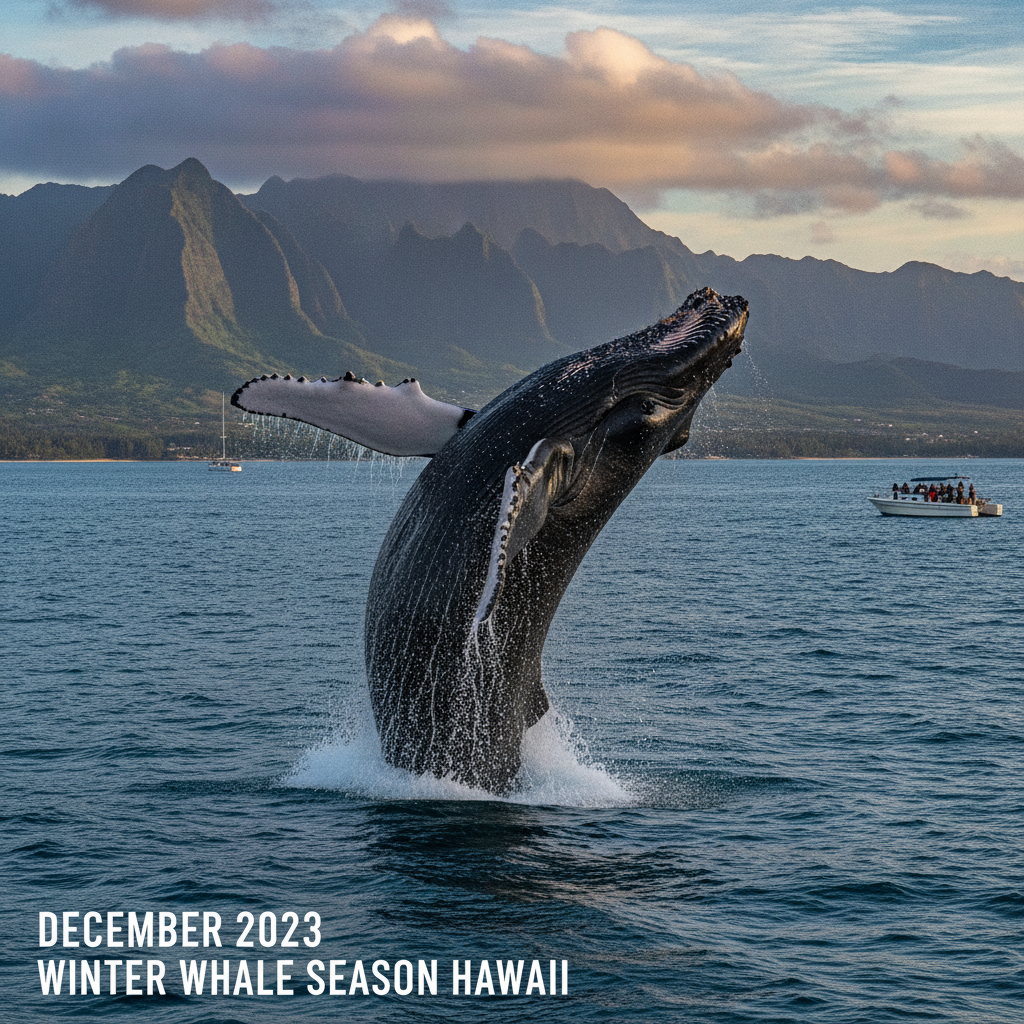
Maui is the winter home of the North Pacific humpback whale population, with over 10,000 humpbacks migrating annually from Alaska feeding grounds to the warm shallow waters of the Auau Channel between Maui, Molokai, and Lanai and the Pailolo Channel north of Molokai to mate, calve, and nurse young from December through April. The Hawaiian Islands Humpback Whale National Marine Sanctuary protects these waters. Whale watching vessels depart Lahaina, Maalaea, and Kihei daily during peak season, and regulations require vessels to maintain 100-yard distance unless whales approach on their own. Humpback whale songs, produced only by males in breeding grounds, were first recorded and publicized by Roger Payne in 1970 and became foundational to the global whale conservation movement. Maui also offers year-round snorkeling at Molokini Crater, a partially submerged volcanic cone 3 miles off the south Maui coast with 150-foot visibility in calm conditions.
- 2
Upcountry Maui and Kula
Upcountry Maui, the agricultural slopes of Haleakala between 1,500 and 4,000 feet elevation, is a landscape of farms, ranches, flower nurseries, and country towns dramatically different from the coastal resort environment. Makawao, the historic paniolo cowboy town at 1,500 feet, has a main street of galleries, boutiques, and restaurants in a plantation-era village character. Kula, the agricultural community above Makawao, produces Maui onions, protea flowers, strawberries, and vegetables in a temperate microclimate cooled by elevation. The Surfing Goat Dairy in Kula produces artisan goat cheese in a small farm setting open for tours and tastings. Ali i Kula Lavender Farm at 4,000 feet is an unusual agricultural destination given the tropical Hawaiian context. The Thompson Ranch at 2,000 feet offers horseback riding through upcountry meadows and eucalyptus forest.
- 3
Makena and South Maui Beaches
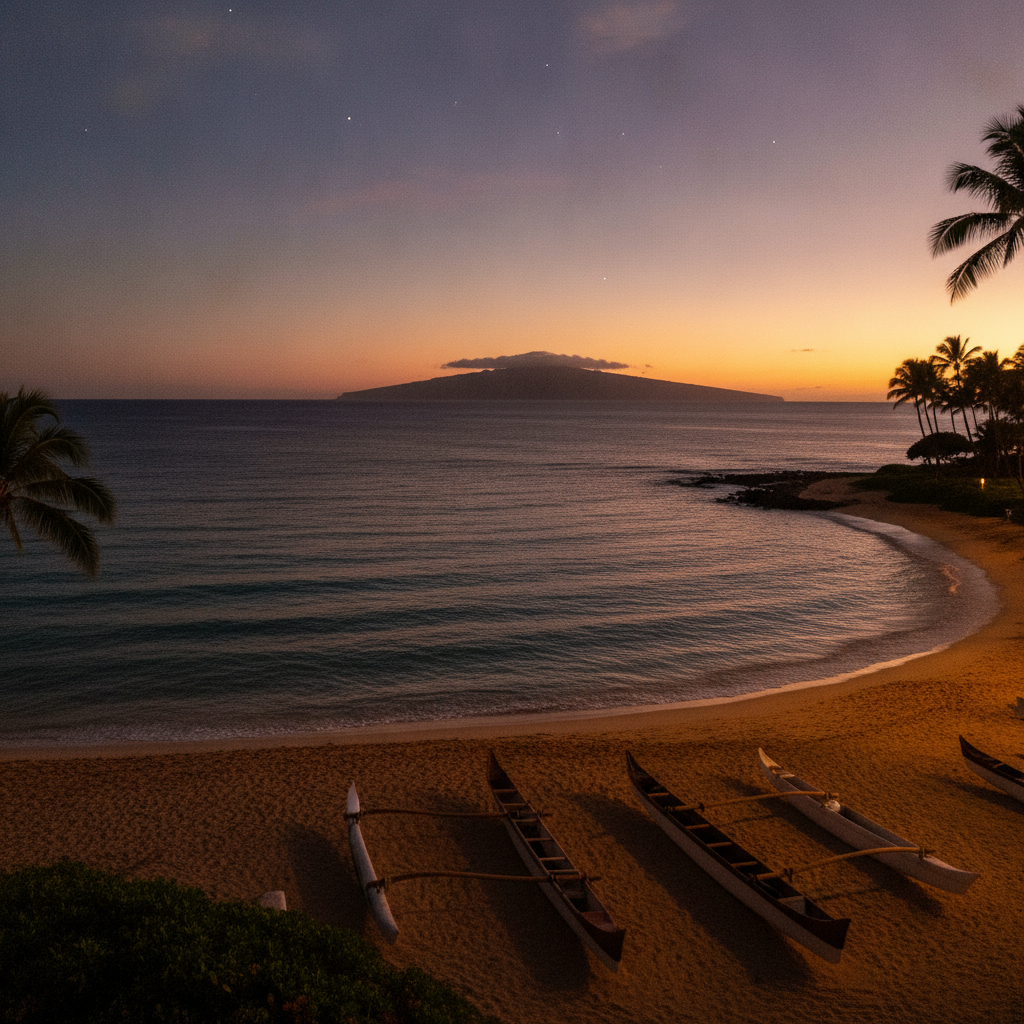
Makena Beach, officially Oneloa Beach but universally called Big Beach, is the largest undeveloped white-sand beach on Maui and one of the most impressive beach landscapes in Hawaii, with 3,000 feet of wide sand backed by the slope of Puu Olai, a 360-foot cinder cone. The shorebreak at Big Beach produces powerful waves that cause frequent injuries to swimmers underestimating the force. Little Beach, a clothing-optional beach accessible over a rock headland from the north end of Big Beach, is the venue for the Sunday drum circle tradition that attracts fire spinners, musicians, and dancers each week at sunset. Wailea to the north of Makena is the most upscale resort corridor on Maui, with the Grand Wailea, Four Seasons, and Andaz occupying a stretch of beach between Ulua and Polo beaches connected by the Wailea Beach Walk promenade.
- 4
Paia Town and North Shore Culture
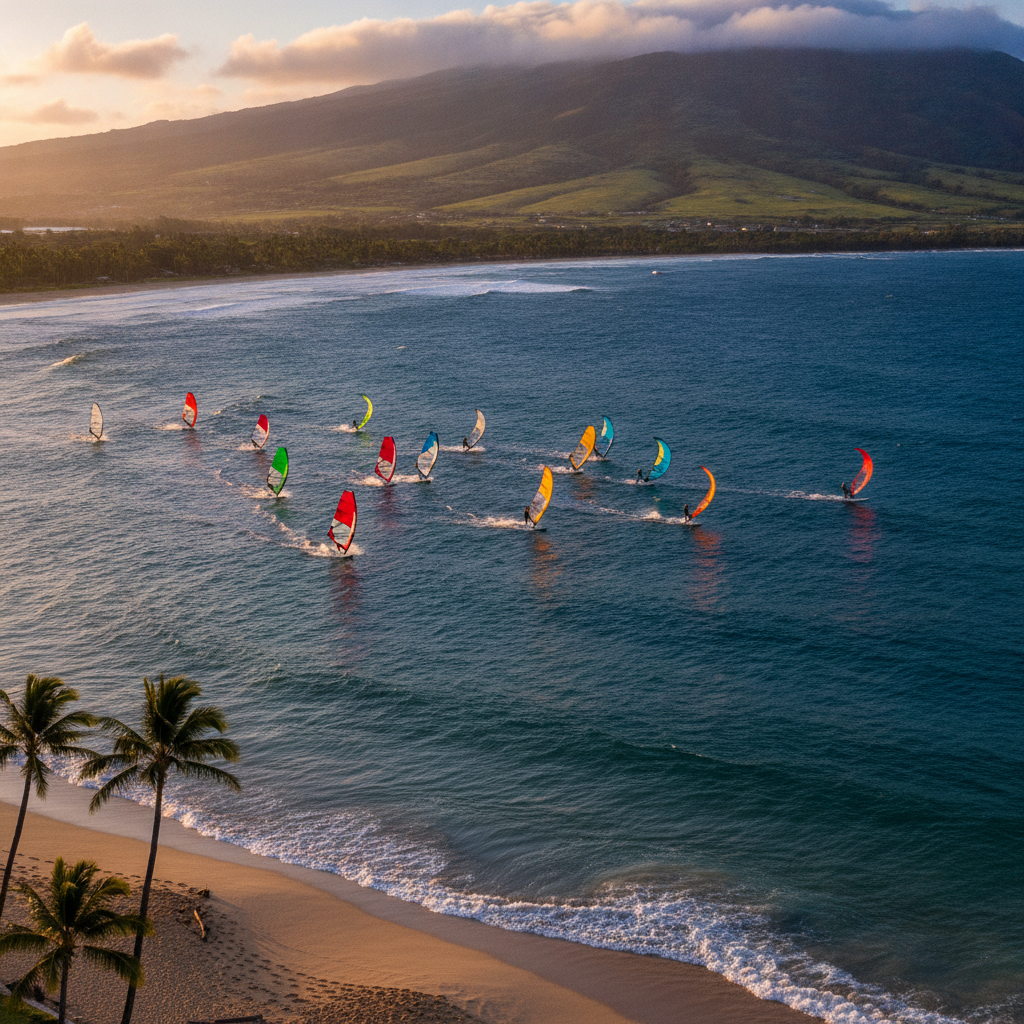
Paia, a small town on the north shore of Maui at the start of the Hana Highway, is one of the most culturally interesting small communities in Hawaii. The town developed as a sugar plantation service community and later became a gathering point for windsurfers attracted to the consistent trades at Hookipa Beach and for counterculture residents seeking affordable land in the 1970s. Hookipa Beach County Park, 2 miles east of Paia, is the most famous windsurfing and kiteboarding location in the world, site of international competitions since the 1980s when windsurfing exploded in popularity. The waves at Hookipa also attract experienced surfers in winter. Paia has a Main Street of independent restaurants, surf shops, yoga studios, and galleries. Mama Fish House restaurant east of Paia at Kuau, open since 1973, is the most celebrated seafood restaurant in Maui and one of the most in Hawaii.
- 5
Maui Brewing and Food Scene
The Maui food and beverage scene has developed substantially since 2010, moving beyond the resort hotel dining that defined Maui gastronomy for decades. Maui Brewing Company, founded in Lahaina in 2005 and now operating a production brewery and restaurant in Kihei, is the most successful craft brewery in Hawaii and has grown into a regional brand. Star Noodle in Lahaina was a gathering point for local chefs before the 2023 wildfire. The post-fire recovery has involved deliberate community conversation about what should replace the lost dining establishments. The Maui Waena area of Kahului and Wailuku have authentic local-food options outside the resort zones. Upcountry Maui farmers markets provide direct access to locally grown produce, flowers, and value-added products. The combination of agricultural diversity at elevation and coastal seafood access gives Maui ingredient quality comparable to any American market.
- 6
Maui Lahaina Wildfire Recovery
The August 8, 2023 wildfire in Lahaina, the deadliest American wildfire in over a century, killed at least 102 people, destroyed over 2,200 structures in the historic waterfront town, and displaced approximately 12,000 residents. The fire spread rapidly in strong Kona winds through dry grass fueled by drought conditions and ignited by downed power lines. The historic Front Street commercial district, the Baldwin Home Museum, and blocks of 19th century buildings were destroyed. The Old Lahaina Luau, one of the most authentic luau in Hawaii, and hundreds of restaurants, galleries, and small businesses were lost. Recovery has been complicated by land ownership complexities, insurance disputes, and debates about the future of the town between former residents wanting to return and outside investors. The fire has transformed the Maui visitor experience, with Lahaina inaccessible and the broader economic and social impact still unfolding as of 2026.
Walk this route with audio
Stories play automatically as you reach each stop — no tapping needed.
More in Maui
Maui: Iao Valley State Monument and Battle of Kepaniwai (1790), Kaanapali Beach and Whaling History (cliff diving Black Rock), Maui Ocean Center (humpback whales, Hawaiian reef species), Maui Farm-to-Table Food Scene, Paia North Shore and Hookipa Windsurfing Capital, and Practical Guide (Kahului Airport, rental cars, accommodation zones)
Maui: Nene Goose Back from 30 Birds, Lindbergh Grave Under a Mango Tree and the First Planned Resort in America
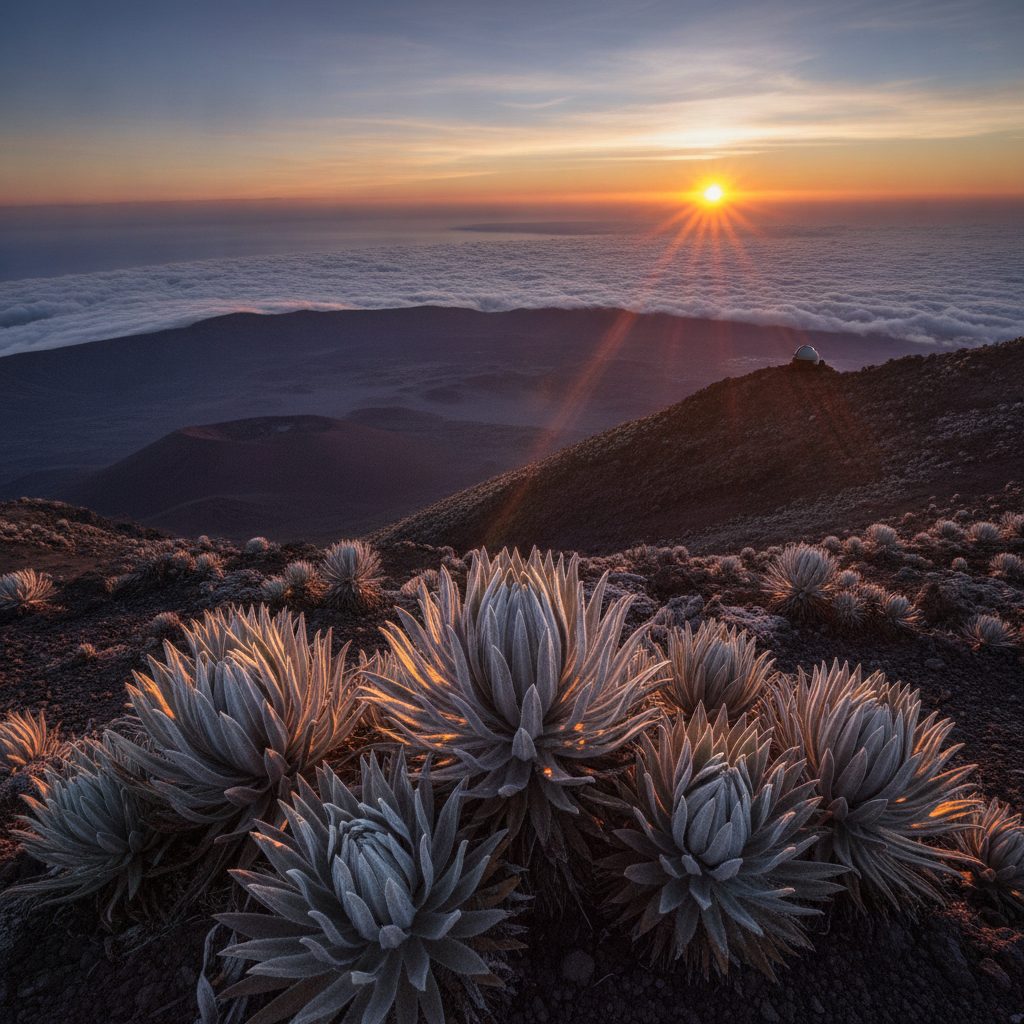
Maui: Haleakala Sunrise Above the Clouds (3055m crater, silversword, nene goose), Road to Hana (64km, 59 bridges, Waianapanapa black sand beach, Lindbergh grave), Lahaina Historic Town and 2023 Wildfire Recovery, Makena Big Beach and Molokini Snorkeling (humpback whale season), and Upcountry Maui Lavender Farms and Paniolo Culture
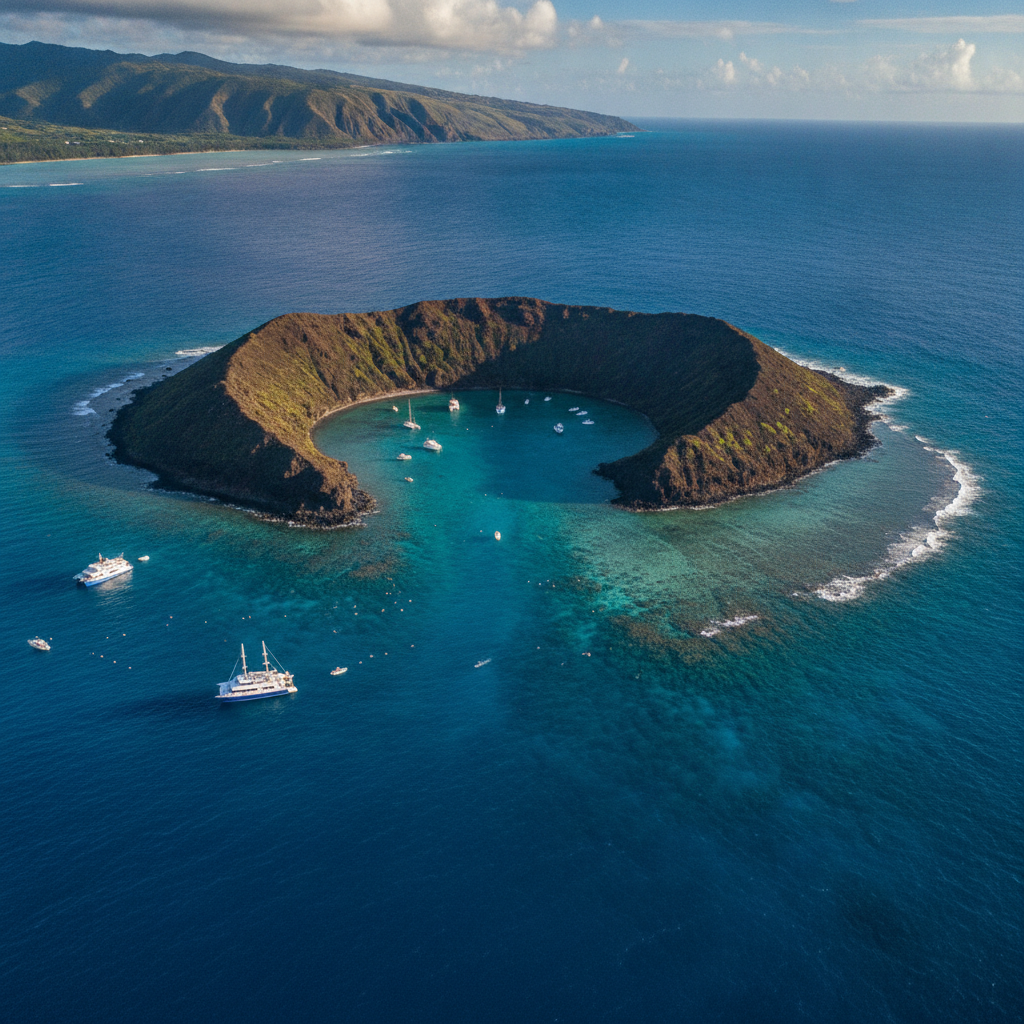
Maui: 150-Foot Visibility Crater Snorkel, 60-Foot Jaws Waves and How Windsurfing Was Invented at Hookipa
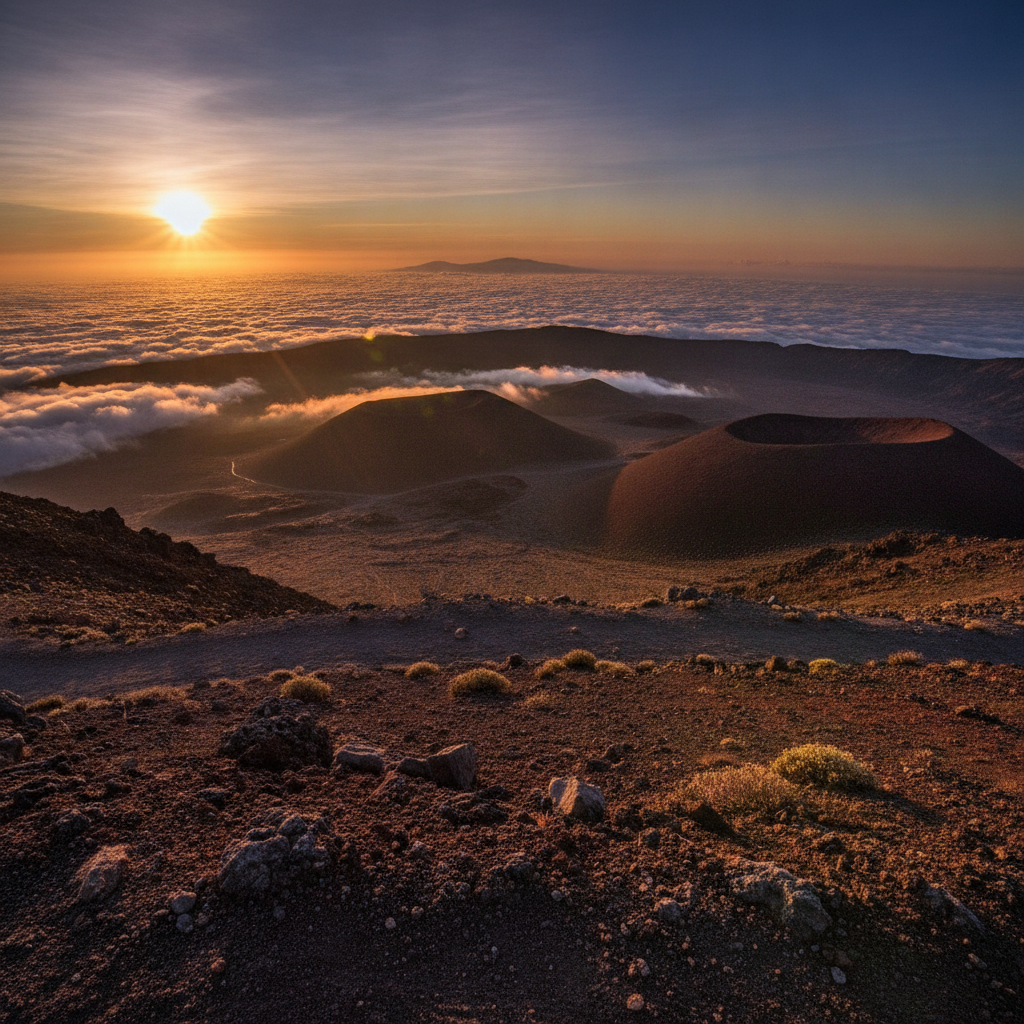
Maui: World Largest Solar Telescope, Hawaiian Cowboys Who Learned from Mexican Vaqueros and 98% of Lanai Owned by Oracle