Malta Islands Complete: Gozo Ggantija Oldest Buildings, the Inquisitor's Palace, Wignacourt Aqueduct Engineering, Peregrine Falcon Migration, Comino Wild Island, and the February Valletta Carnival
The complete Malta islands experience covers the world's oldest freestanding structures at Gozo Ggantija, the best-preserved Inquisition tribunal building, the 17th century Wignacourt hydraulic engineering aqueduct, the BirdLife Malta falcon migration conservation, the wild Comino third island, and the 15th century Valletta Carnival tradition.
- 1
Gozo Ggantija: The Oldest Buildings
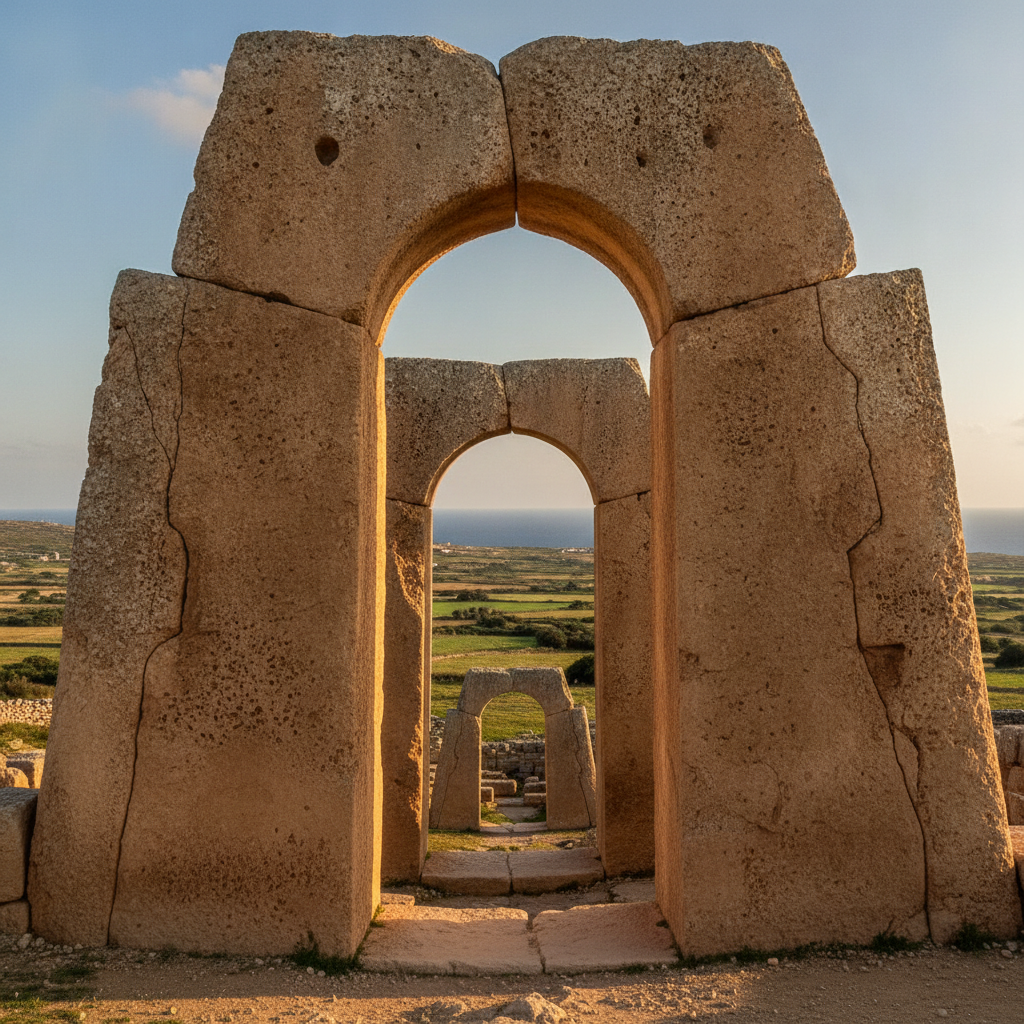
The Ggantija temple complex on Gozo, the two megalithic temples built between 3600 and 3000 BC from the coralline limestone blocks of up to 5 meters in length and 50 tons in weight, are the oldest freestanding structures in the world, predating Stonehenge by 1,000 years and the Egyptian pyramids by 500 years. The name Ggantija, meaning giantess in Maltese, reflects the local folklore that attributed the construction to a giantess who ate nothing but beans and honey and built the temples in a single night while carrying her child. The UNESCO World Heritage inscription acknowledges the unique importance of the Maltese megalithic complex.
- 2
The Inquisitor's Palace: The Justice of Faith
The Inquisitor's Palace in Vittoriosa, the best-preserved Inquisition tribunal building in the world and the venue from which the Malta Inquisition operated from 1574 to 1798, preserves the Tribunal Hall, the Inquisitor's private apartment, and the prison cells in the most complete surviving record of the Inquisition institutional environment outside Italy. The Malta Inquisition, which processed approximately 4,000 cases in 224 years, was notably more lenient than the Spanish Inquisition, with no executions recorded in the Malta record.
- 3
The Wignacourt Aqueduct: The Engineering Legacy
The Wignacourt Aqueduct, built between 1610 and 1614 by Grand Master Alof de Wignacourt of the Knights of St. John to carry fresh water from the Dingli springs to Valletta, surviving for 27 kilometers through the Malta countryside in a series of arches and channels, is the most significant infrastructure legacy of the Knights' period and the finest surviving example of 17th century hydraulic engineering in the Mediterranean. The aqueduct was used until 1969 and sections of the arcade are visible along the Malta central road.
- 4
The Maltese Falcon: The Annual Bird Migration
The Peregrine Falcon nesting on the Malta limestone cliffs and the raptors and migratory songbirds of the Malta bird migration, where the island's position in the central Mediterranean creates a natural concentration of the twice-yearly European bird migration between Africa and Europe, has made Malta one of the most important bird observation points in the Mediterranean. The BirdLife Malta organization has worked to reduce the illegal hunting of migratory birds that has historically occurred on the island during the spring migration season.
- 5
Comino: The Third Island
Comino, the 3.5-square-kilometer island between Malta and Gozo accessible by regular ferry, has a permanent population of approximately 3 people and the St. Mary's Tower of 1618 as the only permanent structure beyond the Comino Hotel. The combination of the Blue Lagoon swimming and snorkeling, the coastal walk of the entire island perimeter in 2 hours, and the complete absence of motorized vehicles creates the most complete wild island experience available within the EU. The Comino saltpans, harvested since Roman times, produce the local sea salt.
- 6
Malta Carnival: The February Festival
Malta Carnival, held in Valletta in the days before Lent, is one of the oldest carnivals in Europe with a documented history from the 15th century, featuring the elaborate papier-mache floats that satirize the political figures of the year, the grotesque mask tradition, and the traditional carnival dances in the Valletta streets. The Malta Carnival is smaller than the major European carnivals but preserves the oldest continuous carnival tradition in the British and Maltese heritage.
Walk this route with audio
Stories play automatically as you reach each stop — no tapping needed.
More in Mdina
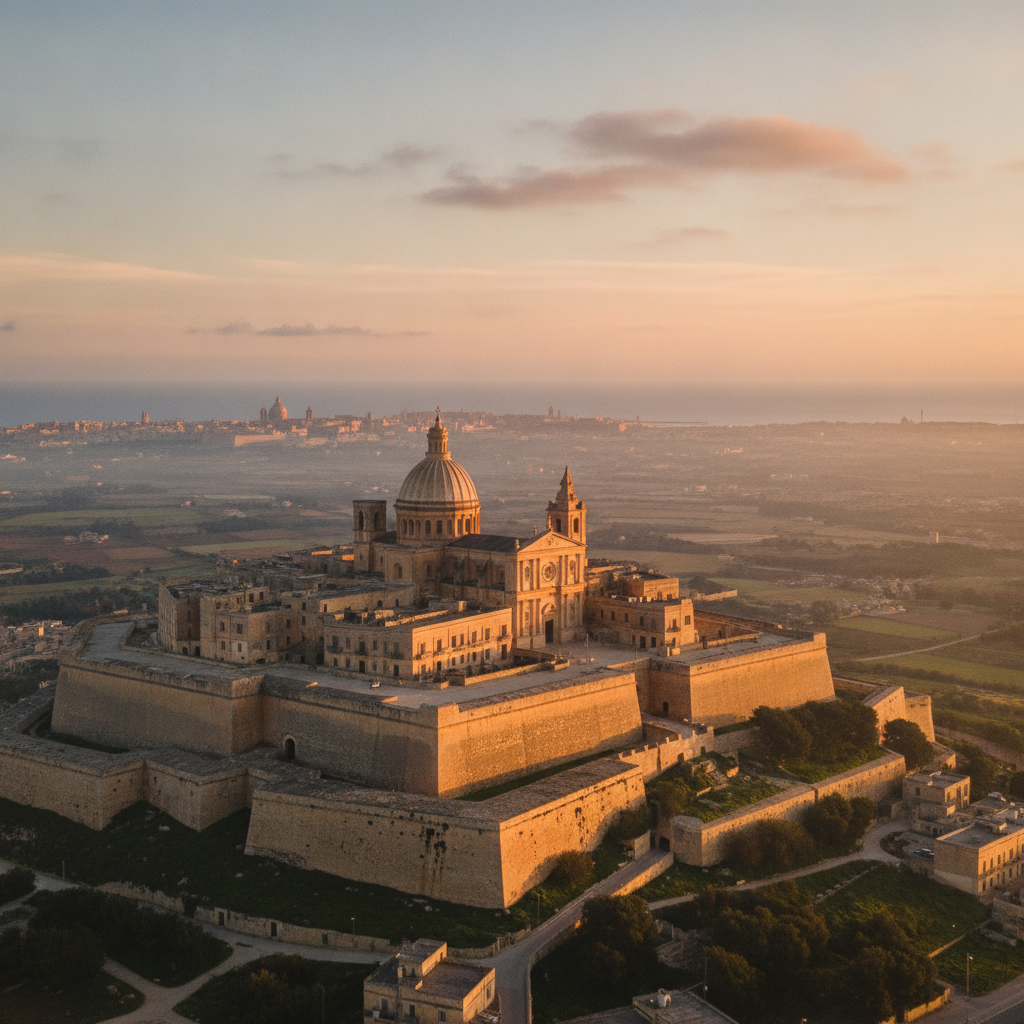
Mdina: The Silent City, St. Paul's Baroque Cathedral, the Civilizations Crossroads, Rabat Catacombs, the Knights of St. John, and Valletta UNESCO Baroque Capital
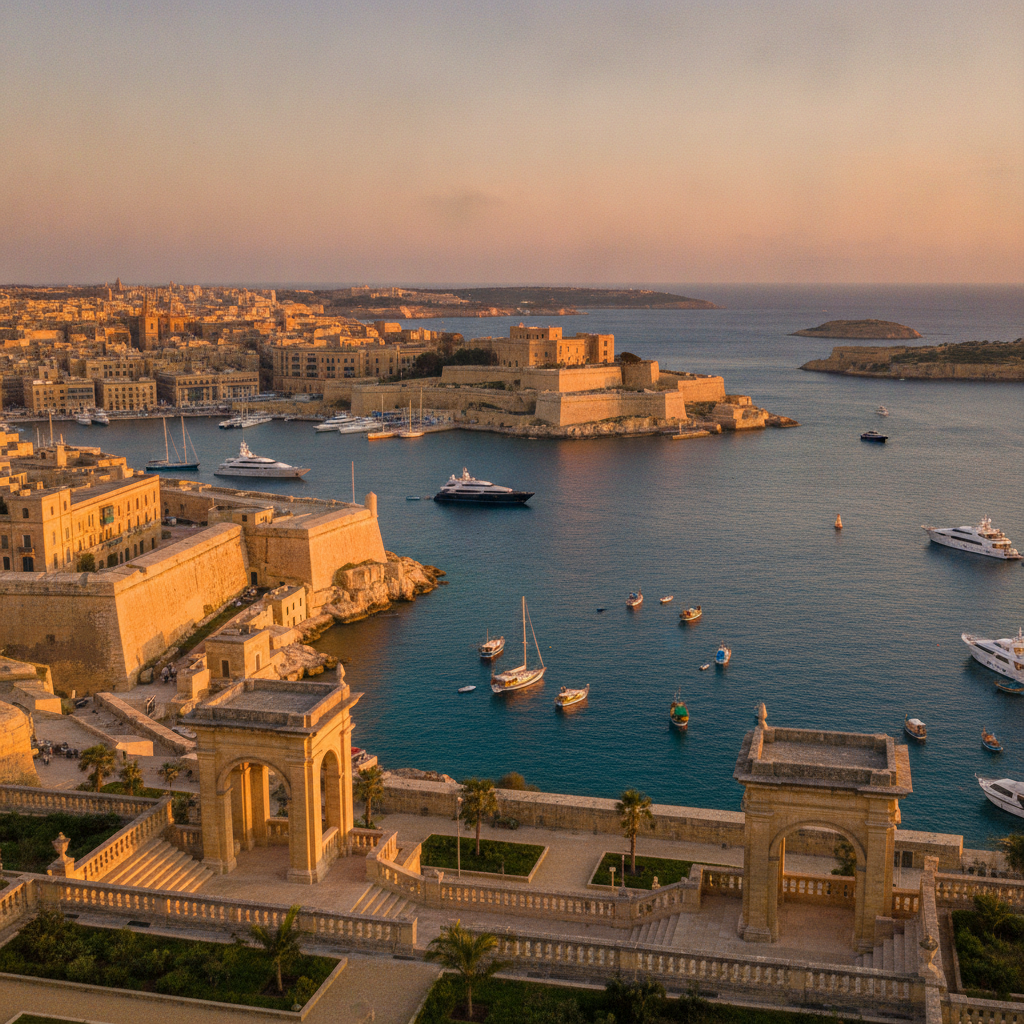
Malta Complete Guide: St. Julian's Resort, Marsaskala Quiet Southeast, the Complete History Circuit, Knights Hospital Humanitarian Law Origin, Xara Palace Hotel, and the Mediterranean History Superlative Summary
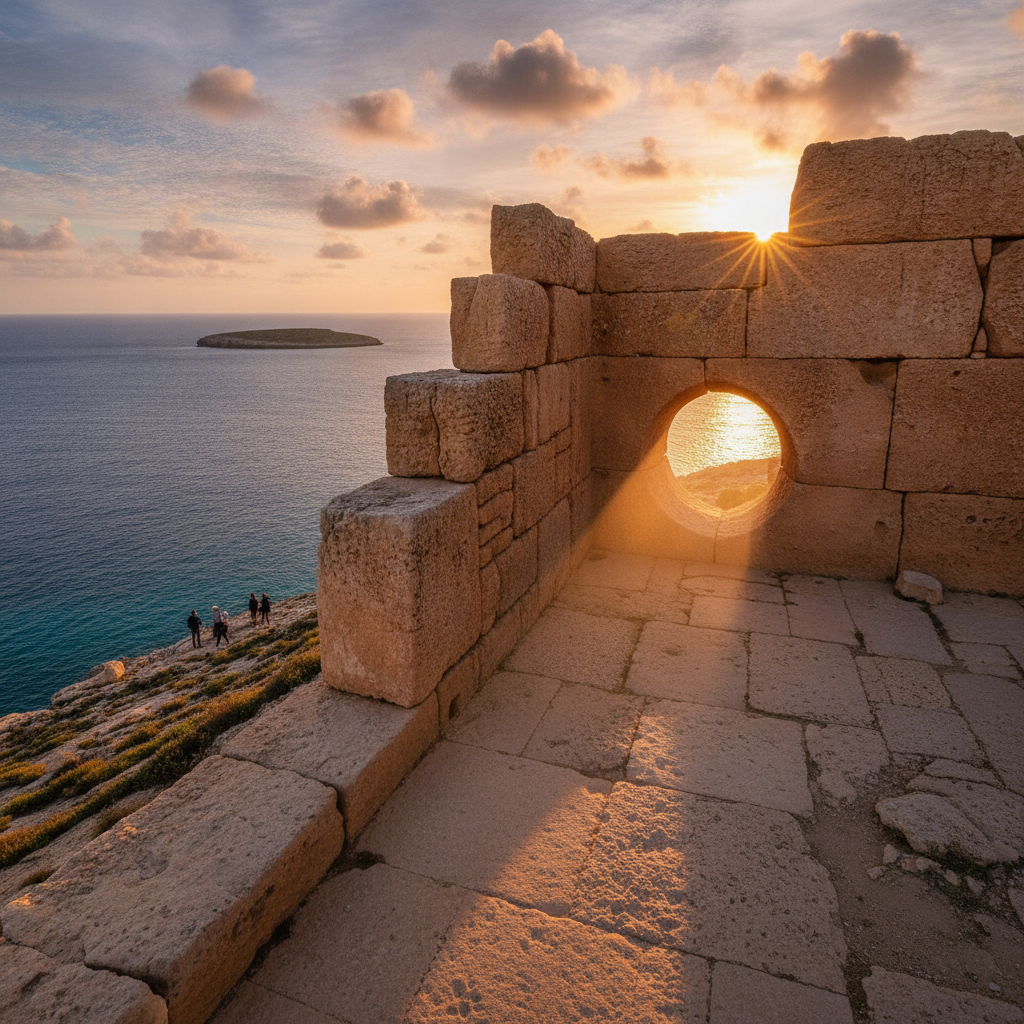
Mdina Heritage and Departure: Hagar Qim Solstice Alignment, the Order of Malta Sovereign Entity Today, Dingli Cliffs Sunset Walk, Malta LGBTQ Progressive Paradox, EU Membership Transformation, and the Mdina Timeless Farewell
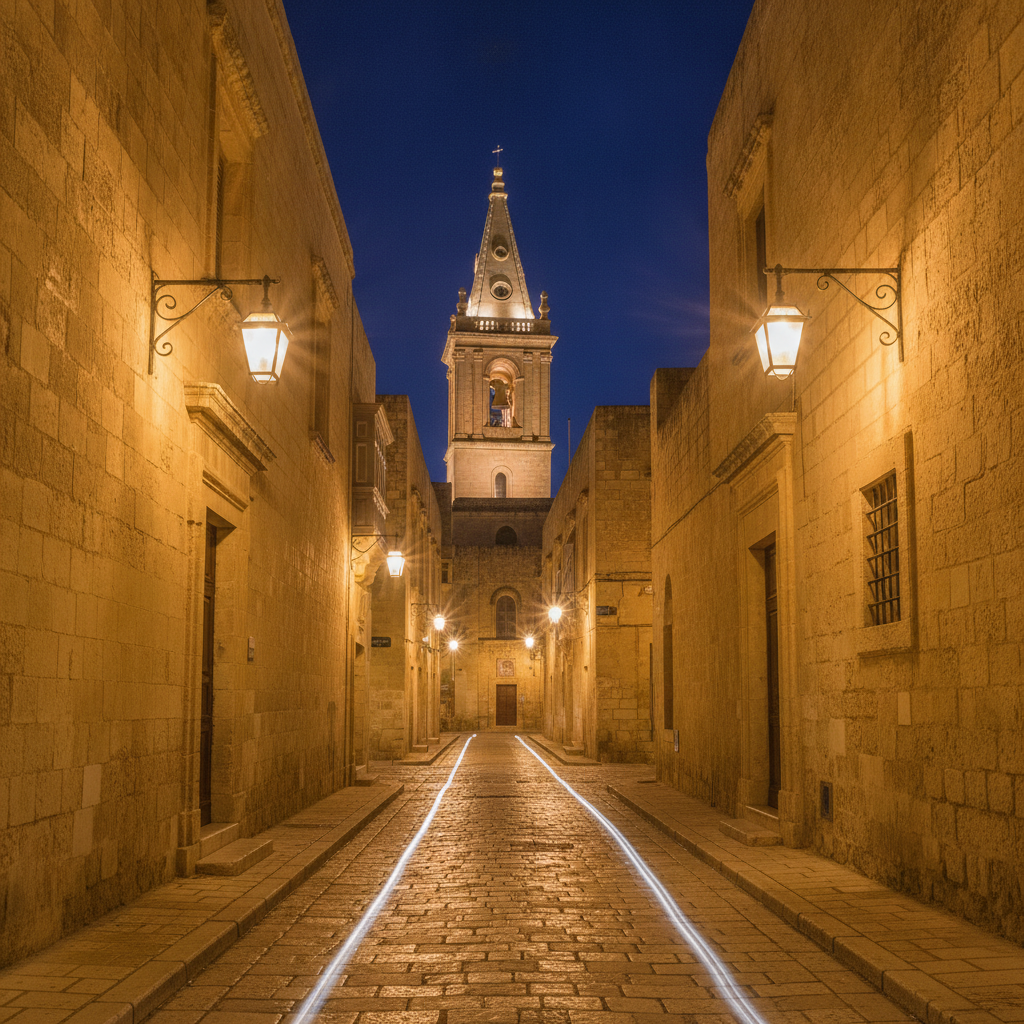
Mdina Night and Film: Silent City After Dark, Palazzo Falson Medieval Museum, Malta as Mediterranean Hollywood, Tarxien Neolithic Sculpture, the Apostolic St. Paul's Bay, and Year-Round Climate Guide
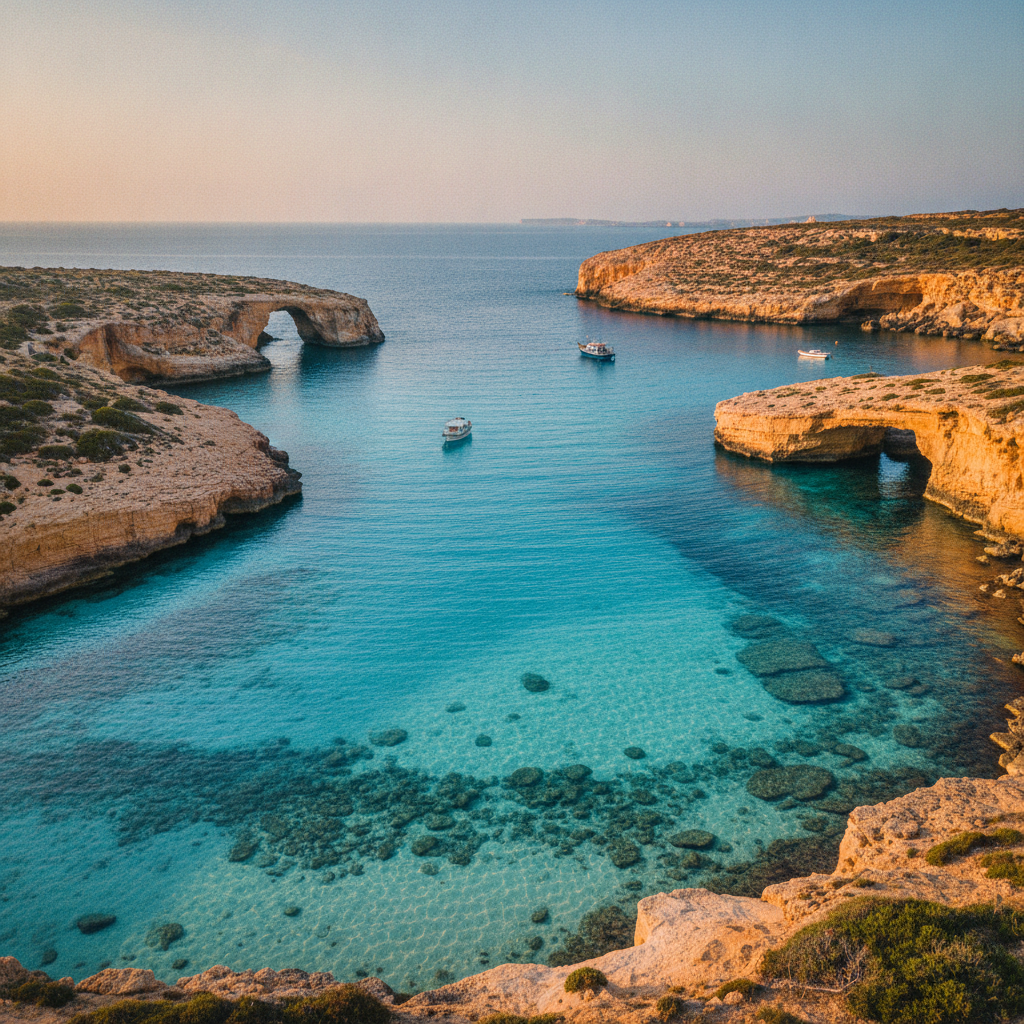
Malta Complete: Blue Lagoon Comino, Gozo Sister Island, the World's Oldest Freestanding Temples, Caravaggio at St. John's, the Three Cities Maritime Quarter, and the Maltese Rabbit National Dish