Mdina Final: Malta Film Commission European Hollywood, Gozo Native Wine Revival, the Maltese Cross Universal Symbol, Ghar Dalam Pleistocene Cave, the Mdina Quality of Stillness, and Malta in Numbers
The final Mdina guide covers the 40-percent rebate Malta Film Commission and the Rinella water tank, the native Gellewza and Ghirgentina Gozo wine revival, the Maltese Cross as the universal humanitarian symbol, the Ghar Dalam dwarf elephant prehistoric cave, the philosophical quality of Mdina's extraordinary dawn stillness, and the honest count of Malta's world-record historical density per square kilometer.
- 1
The Malta Film Commission: Hollywood of the Mediterranean
The Malta Film Commission has facilitated more than 500 international productions since its establishment in 2001, building the reputation of Malta as the Mediterranean's most film-friendly location for its combination of the baroque architecture, the harbor and fortress landscape, the clear Mediterranean light, the English-language production environment, the skilled local film crew, and the generous production rebate system that refunds up to 40 percent of the Malta-qualifying production expenditure. The Rinella Film Facility near Valletta, with its 9-meter deep outdoor seawater tank, is the largest outdoor water tank in Europe.
- 2
Gozo Wine: The Ta Mena Estate
Ta Mena Estate on Gozo, the most established Maltese wine producer operating from the Gozo countryside vineyard with the Gellewza and the Ghirgentina native Maltese grape varieties, is the primary local winemaker for the resurgent Maltese wine industry that has reclaimed the Phoenician viticulture heritage of the archipelago in the terraced limestone vineyards of the Malta and Gozo plateau. The native Maltese grape varieties, almost lost by the mid-20th century, have been recovered and are now producing wines of considerable regional character.
- 3
The Maltese Cross: The Universal Symbol
The Maltese Cross, the eight-pointed cross of the Knights of St. John representing the eight Beatitudes and the eight langues of the Order's international membership, is the most internationally recognized symbol produced by the Maltese culture and the design that has been adopted by the ambulance services, the fire brigades, and the first aid organizations of dozens of countries as the symbol of the humanitarian mission that the Knights defined in their hospital practice in Valletta. The cross appears on the Maltese flag, the Maltese passport, and the Order of Malta's official communications.
- 4
Birzebbuga and the Prehistory: The Ghar Dalam Cave
Ghar Dalam Cave in Birzebbuga on the southeast coast, the cave site where the fossil bones of the dwarf elephants, the dwarf hippos, and the giant dormice of the Pleistocene Malta fauna have been found, documents the extraordinary prehistoric wildlife of the Malta archipelago when the islands were connected to the African and European continental landmasses and supported a megafauna completely different from the contemporary ecology. The cave museum displays the fossil collection that documents the most complete Pleistocene island fauna sequence in the Mediterranean.
- 5
The Mdina Experience: A Personal Reflection on Stillness
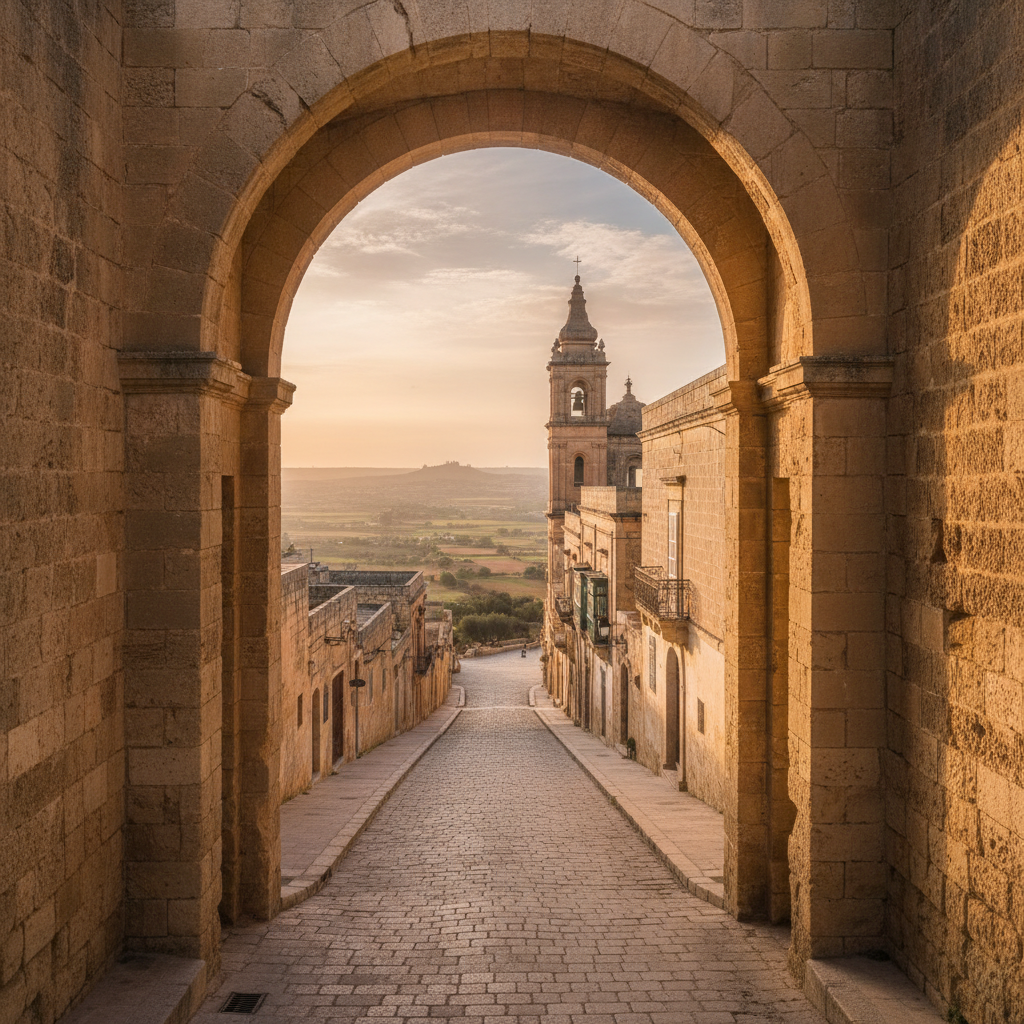
The quality that distinguishes Mdina from all other historic walled cities in the Mediterranean is the stillness, the quality of quiet in the sunlit limestone streets where the footstep and the voice echo without the traffic or the commercial noise that intrudes in all comparably significant historic sites. The visitor who arrives at Mdina at dawn, before the organized tour buses from the Valletta cruise port, experiences the medieval city in the silence that gave it the name the Silent City and that is the single most valuable and most rare quality available in any historic urban environment in Europe.
- 6
Malta in Numbers: The Density of the World's History
Malta, with 316 square kilometers, 540,000 people, 7 UNESCO World Heritage Sites, 9,000 years of continuous human occupation, the world's oldest freestanding structures, the finest baroque European city, the most complete 16th century military fortification, the only Semitic language in the EU, and the most film-friendly Mediterranean island, has the highest concentration of world-record historical and cultural superlatives per unit area of any country in Europe. The density of Malta history rewards the systematic explorer more than any other European destination of comparable size.
Walk this route with audio
Stories play automatically as you reach each stop — no tapping needed.
More in Mdina
Mdina: The Silent City, St. Paul's Baroque Cathedral, the Civilizations Crossroads, Rabat Catacombs, the Knights of St. John, and Valletta UNESCO Baroque Capital
Malta Islands Complete: Gozo Ggantija Oldest Buildings, the Inquisitor's Palace, Wignacourt Aqueduct Engineering, Peregrine Falcon Migration, Comino Wild Island, and the February Valletta Carnival
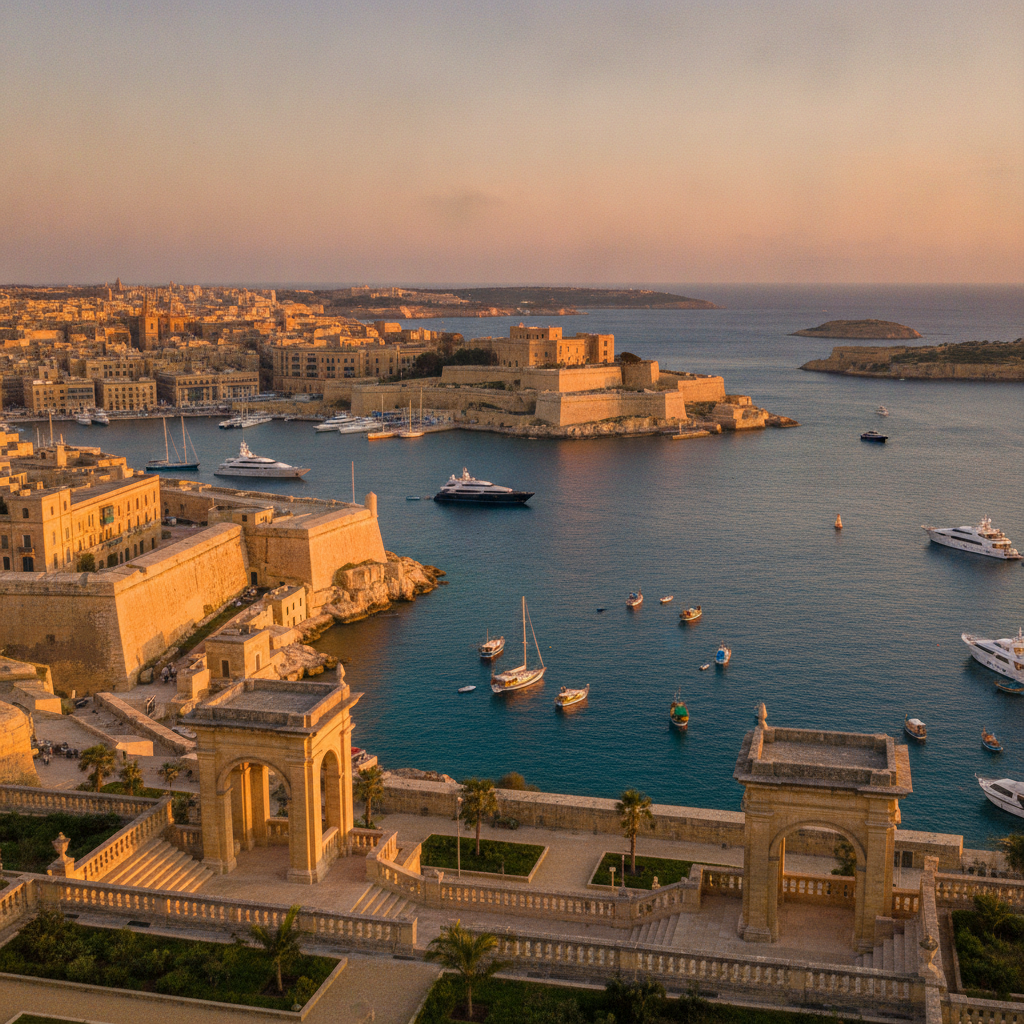
Malta Complete Guide: St. Julian's Resort, Marsaskala Quiet Southeast, the Complete History Circuit, Knights Hospital Humanitarian Law Origin, Xara Palace Hotel, and the Mediterranean History Superlative Summary
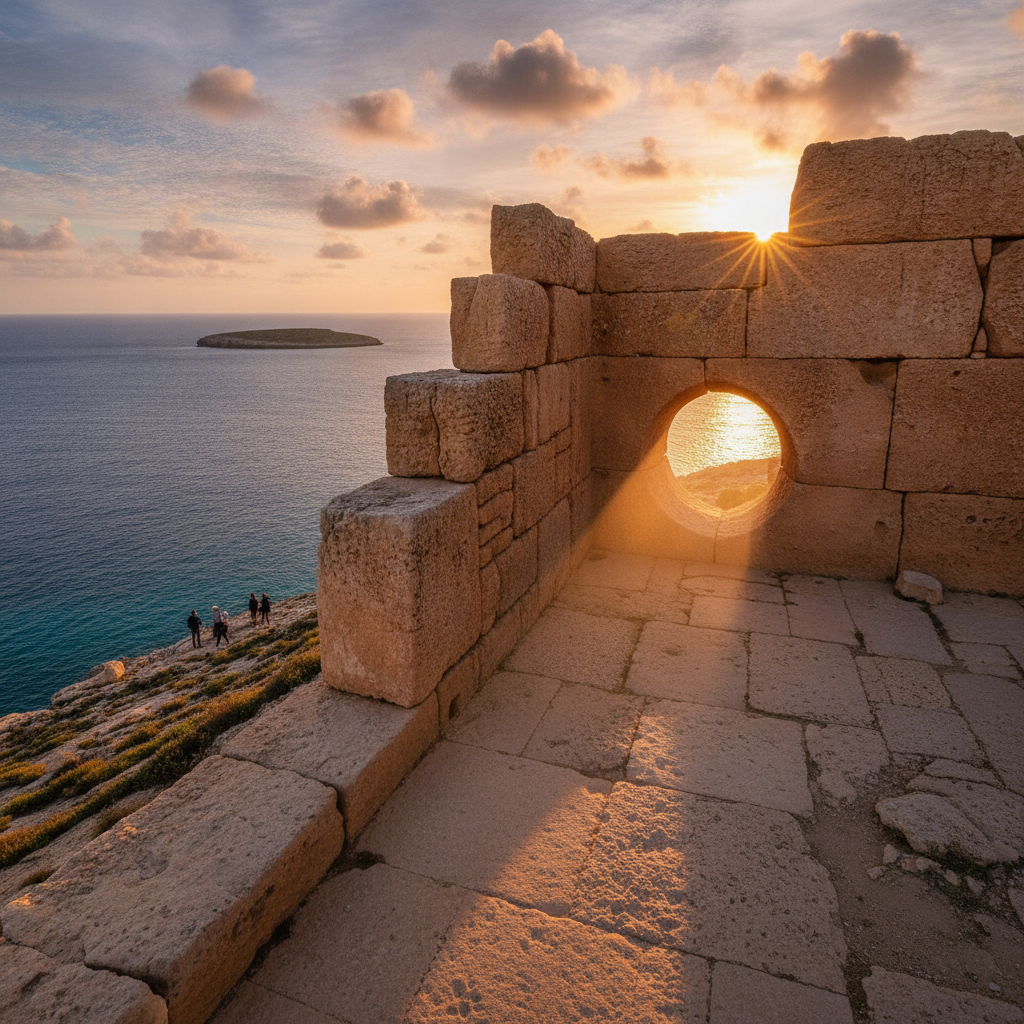
Mdina Heritage and Departure: Hagar Qim Solstice Alignment, the Order of Malta Sovereign Entity Today, Dingli Cliffs Sunset Walk, Malta LGBTQ Progressive Paradox, EU Membership Transformation, and the Mdina Timeless Farewell
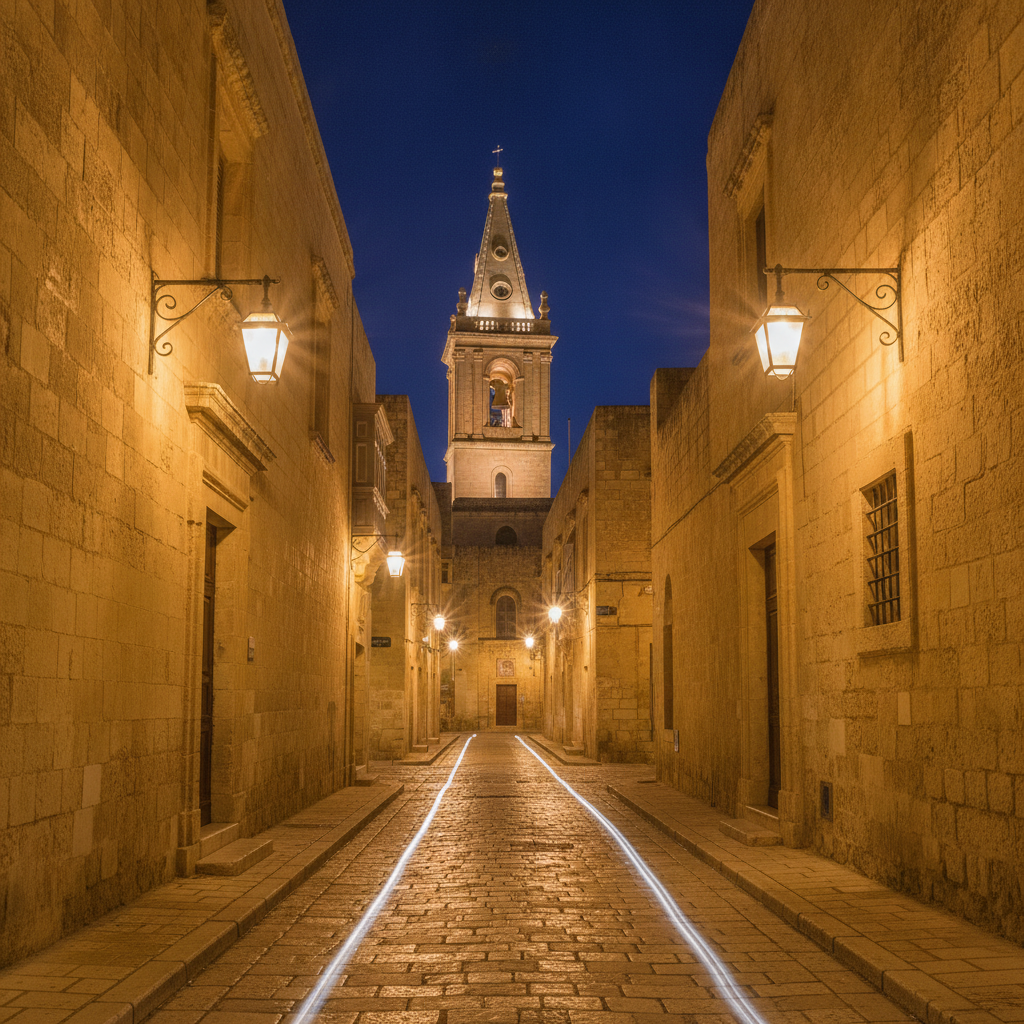
Mdina Night and Film: Silent City After Dark, Palazzo Falson Medieval Museum, Malta as Mediterranean Hollywood, Tarxien Neolithic Sculpture, the Apostolic St. Paul's Bay, and Year-Round Climate Guide