Mdina: The Silent City, St. Paul's Baroque Cathedral, the Civilizations Crossroads, Rabat Catacombs, the Knights of St. John, and Valletta UNESCO Baroque Capital
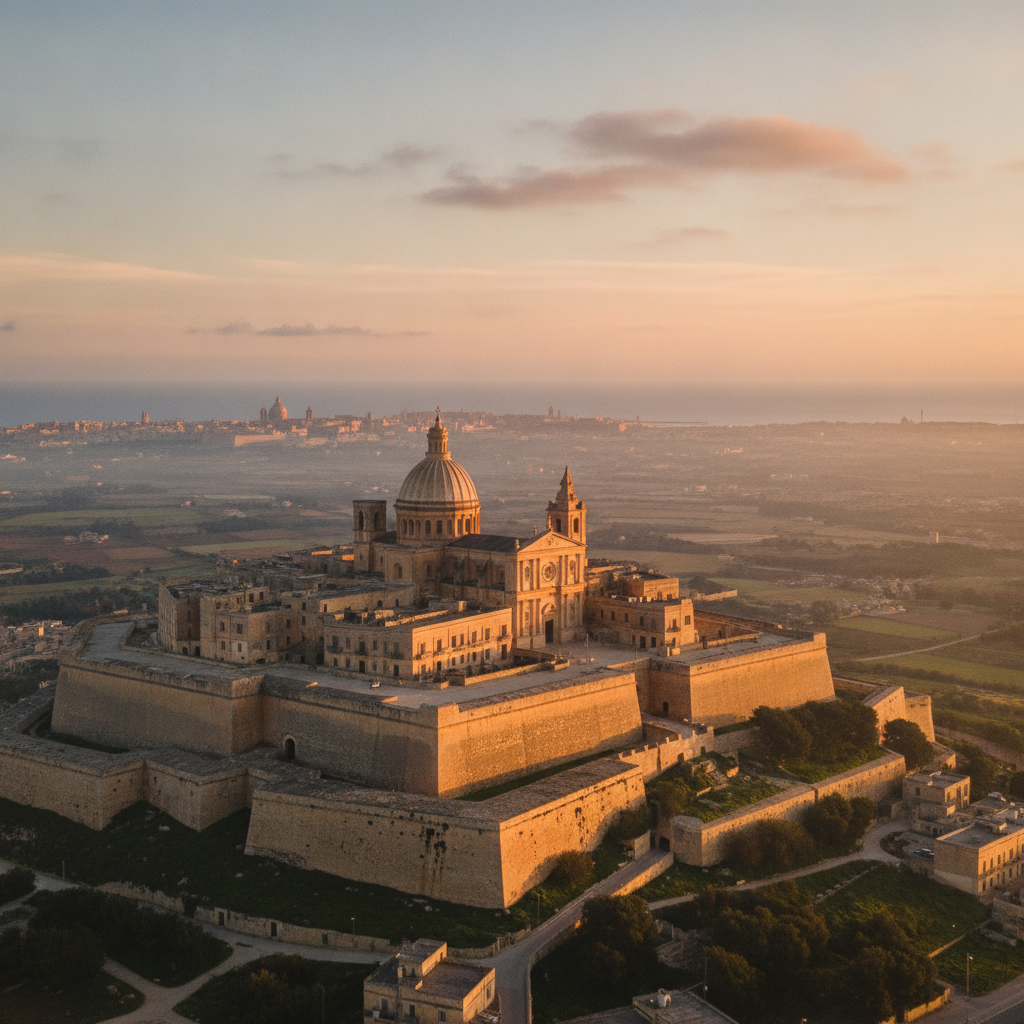
Mdina, the medieval Silent City of Malta on its hilltop above the island's plain, is the most atmospheric walled city in the Mediterranean, combining the baroque cathedral layered on Norman foundations, the underground Roman catacombs at Rabat, the extraordinary history of the Knights Hospitaller, and the nearby UNESCO World Heritage Valletta as the finest baroque planned city in Europe.
- 1
The Silent City: Mdina at Dawn
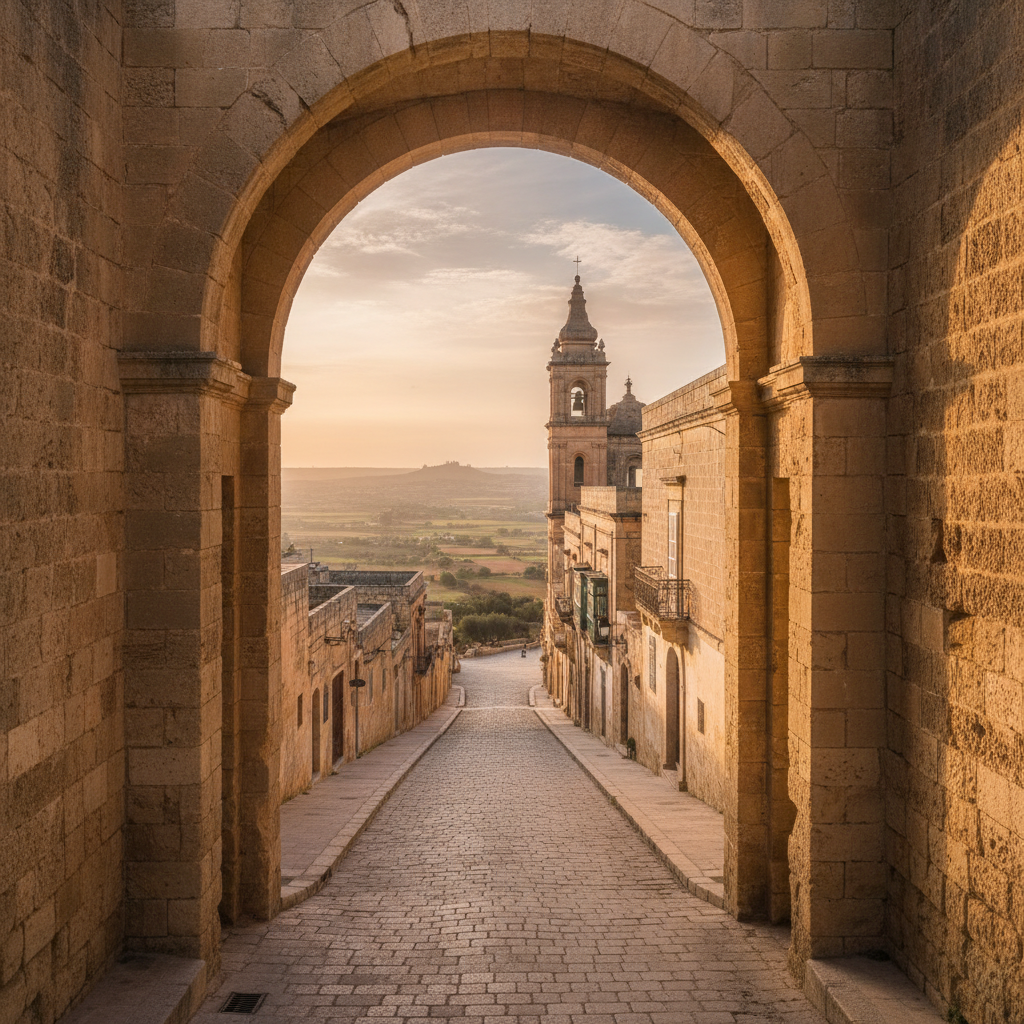
Mdina, the walled citadel city of Malta on the hilltop of the island's spine at 253 meters above the surrounding farmland, is known as the Silent City for the permanent population of fewer than 300 residents within the medieval walls who by regulation cannot keep noisy animals or use vehicles that disturb the medieval quiet. At dawn before the day-trip visitors arrive from the Valletta cruise port, the honey-colored stone lanes, the baroque palaces, and the cathedral square are empty in the most atmospheric medieval city environment in the Mediterranean.
- 2
Mdina Cathedral: The Norman and Baroque Layering
St. Paul's Cathedral in Mdina, built on the site of the palace of the Roman governor Publius who according to tradition became the first Bishop of Malta after St. Paul's shipwreck on the island in 60 AD, combines the Norman foundation of the 12th century with the complete baroque rebuilding of 1702 by Lorenzo Gafa in the most beautiful ecclesiastical interior in Malta. The Mdina Cathedral Museum houses the Albrecht Durer woodcut prints and the Maltese silver collection.
- 3
The Malta Experience: A Crossroads of Civilizations
Malta, the 316-square-kilometer archipelago at the center of the Mediterranean, has been occupied by the Phoenicians, the Romans, the Arabs who gave the Maltese language its Semitic foundation, the Normans, the Knights Hospitaller who made Malta the most formidable Christian fortress in the Mediterranean, the French under Napoleon, and the British until independence in 1964. The layering of these civilizations in the Mdina stone, the Valletta baroque, and the Maltese language that is the only Semitic language written in the Latin alphabet creates the most concentrated historical palimpsest of any Mediterranean island.
- 4
Rabat and the Catacombs: The Underground Malta
Rabat, the town immediately outside the Mdina gate that functioned as the suburb and the working population quarter when the nobility lived within the walls, contains the St. Paul's Catacombs and the St. Agatha's Catacombs, the 4th century AD underground burial chambers cut from the soft globigerina limestone, with the circular table tombs, the canopied agape tables, and the painted chambers of St. Agatha representing the largest catacombs complex in the Mediterranean outside Rome.
- 5
The Knights of St. John: Malta's Most Famous Residents
The Order of St. John, expelled from Jerusalem in 1291 and from Rhodes in 1522, arrived in Malta in 1530 when Holy Roman Emperor Charles V gave the island to the Order as a fief in exchange for the annual tribute of a Maltese falcon. The 268-year rule of the Knights, culminating in the Great Siege of 1565 in which the Knights and the Maltese population withstood the Ottoman attack of 40,000 soldiers, produced the baroque fortification architecture of Valletta, the Mdina expansion, and the hospital tradition that is the origin of the modern humanitarian law.
- 6
Valletta: The Baroque Capital and UNESCO Heritage
Valletta, the Maltese capital built by the Knights of St. John on the Sciberras Peninsula after the Great Siege of 1565 and designated a UNESCO World Heritage City, is the smallest European Union capital at 0.8 square kilometers and the most completely baroque planned city in the world, with the grid street plan, the baroque palaces, and the St. John's Co-Cathedral containing the Caravaggio masterpieces that make it the finest collection of the High Baroque style outside Rome.
Walk this route with audio
Stories play automatically as you reach each stop — no tapping needed.
More in Mdina
Malta Islands Complete: Gozo Ggantija Oldest Buildings, the Inquisitor's Palace, Wignacourt Aqueduct Engineering, Peregrine Falcon Migration, Comino Wild Island, and the February Valletta Carnival
Malta Complete Guide: St. Julian's Resort, Marsaskala Quiet Southeast, the Complete History Circuit, Knights Hospital Humanitarian Law Origin, Xara Palace Hotel, and the Mediterranean History Superlative Summary
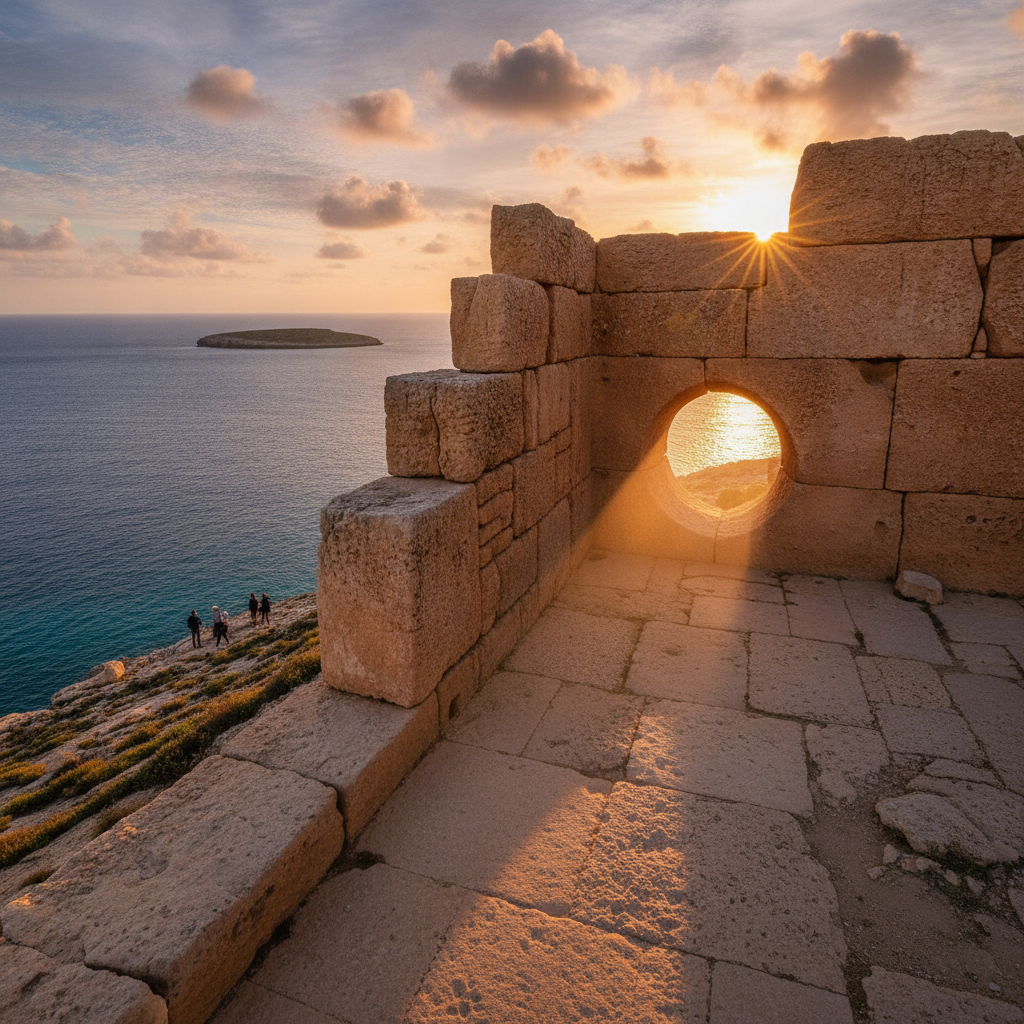
Mdina Heritage and Departure: Hagar Qim Solstice Alignment, the Order of Malta Sovereign Entity Today, Dingli Cliffs Sunset Walk, Malta LGBTQ Progressive Paradox, EU Membership Transformation, and the Mdina Timeless Farewell
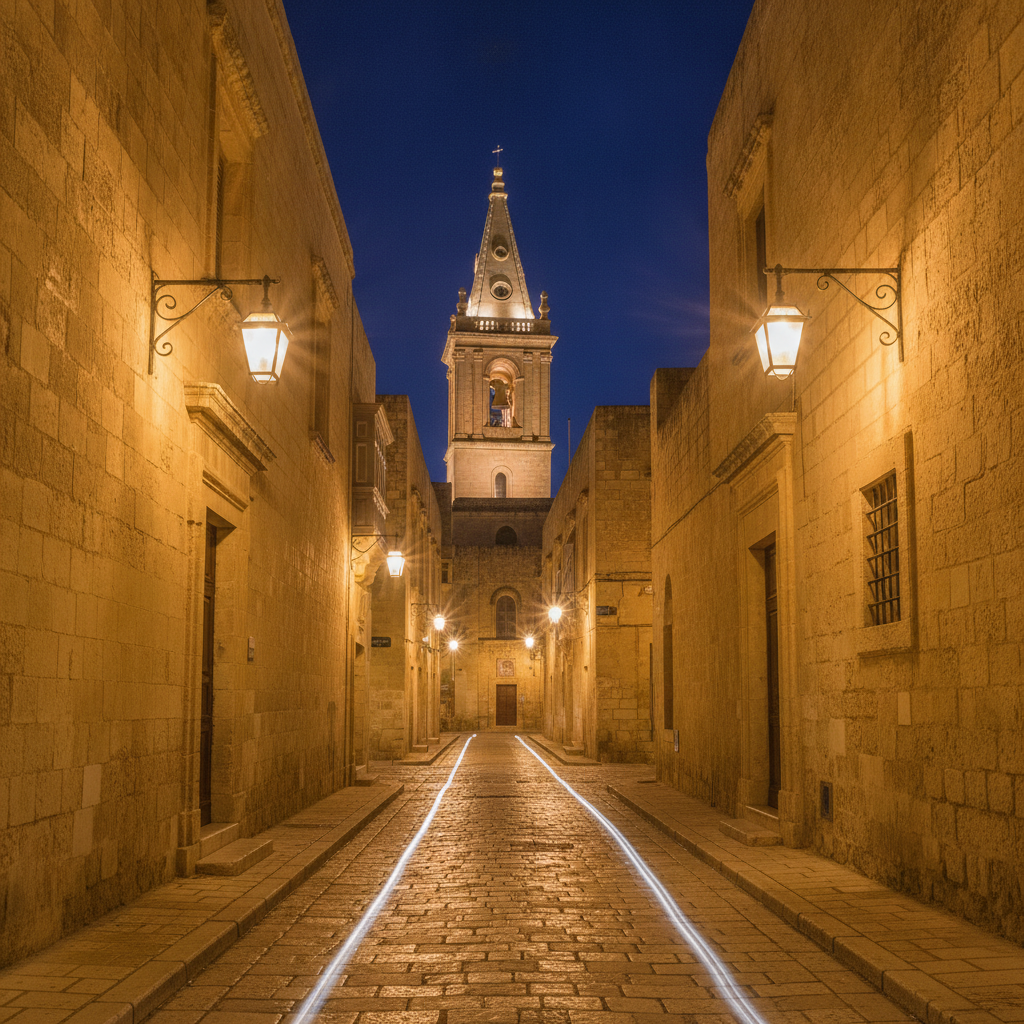
Mdina Night and Film: Silent City After Dark, Palazzo Falson Medieval Museum, Malta as Mediterranean Hollywood, Tarxien Neolithic Sculpture, the Apostolic St. Paul's Bay, and Year-Round Climate Guide
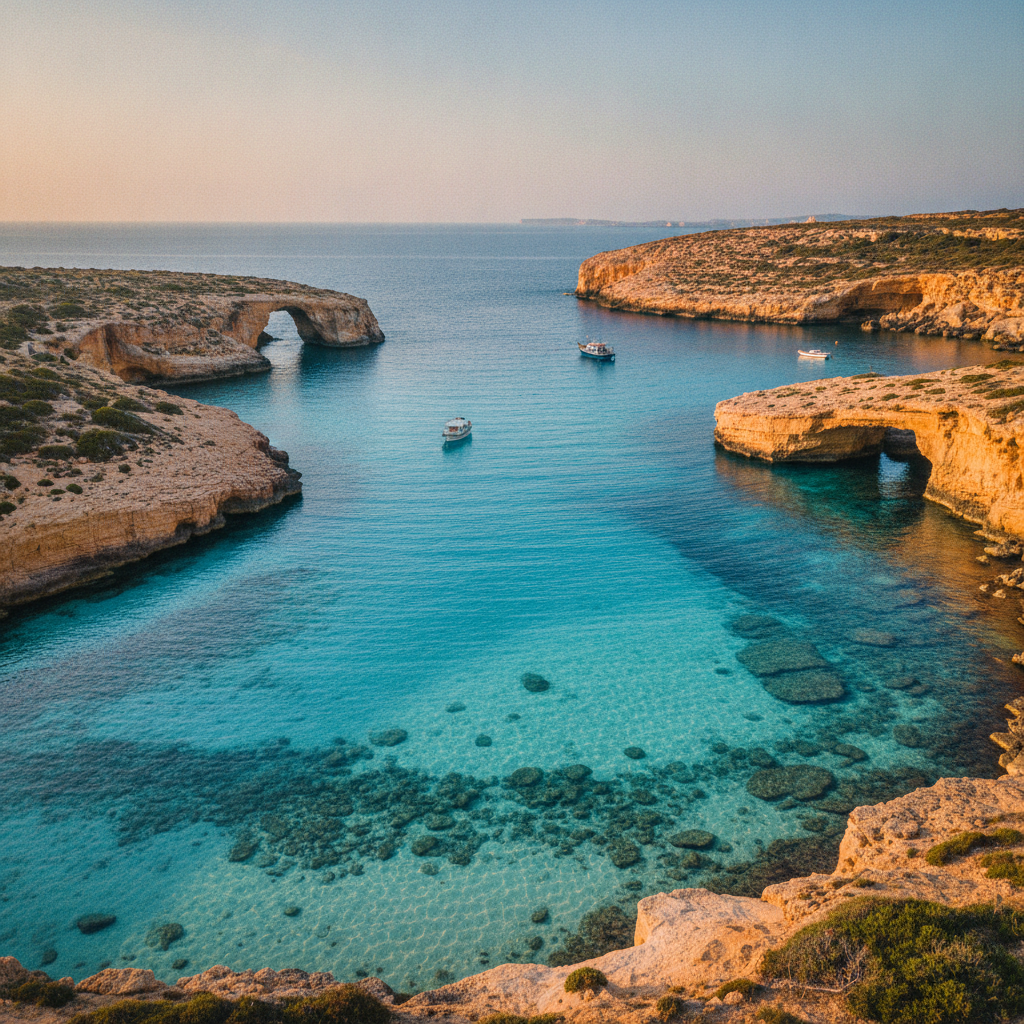
Malta Complete: Blue Lagoon Comino, Gozo Sister Island, the World's Oldest Freestanding Temples, Caravaggio at St. John's, the Three Cities Maritime Quarter, and the Maltese Rabbit National Dish