Medellin: The City of Eternal Spring, Urban Transformation, and the Flower Festival
Medellin, the second-largest city in Colombia with approximately 2.5 million people in the metropolitan area, sits in the Aburra Valley of the Andes at 1,495 meters altitude, an elevation that gives it a famously mild climate averaging 22 degrees Celsius year-round and earns it the nickname the City of Eternal Spring. Once the world's most dangerous city during the peak of Pablo Escobar's cartel violence in the late 1980s and early 1990s, Medellin has undergone one of the most celebrated urban transformations of the 21st century, using architecture, public investment in the most marginalized neighborhoods, and the expansion of public transport including the metro and cable car system to reduce violence and create a more equitable city. The Feria de las Flores, the Flower Festival held every August, is Colombia's most famous festival and the moment the Silleteros flower vendors from the surrounding mountains descend into the city for the Grand Parade.
- 1
The Aburra Valley: Geography and the Eternal Spring Climate
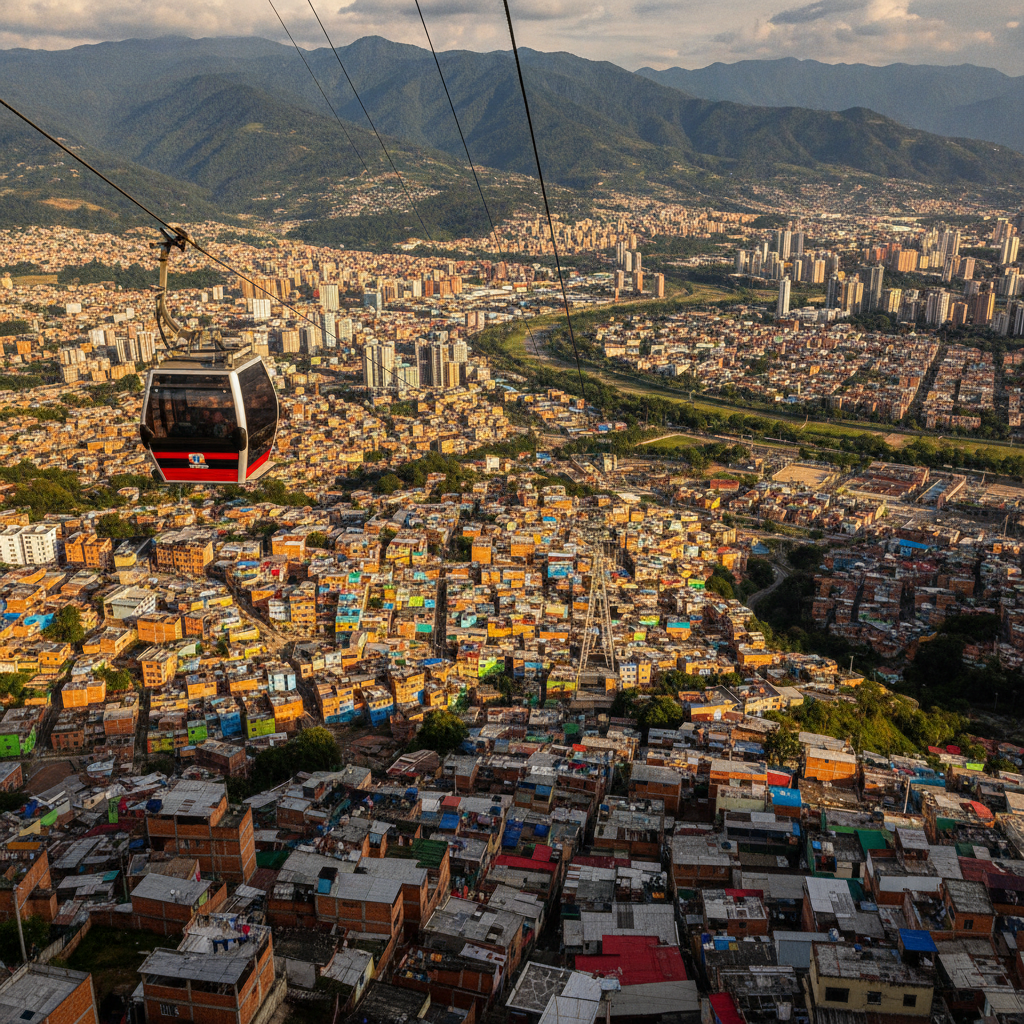
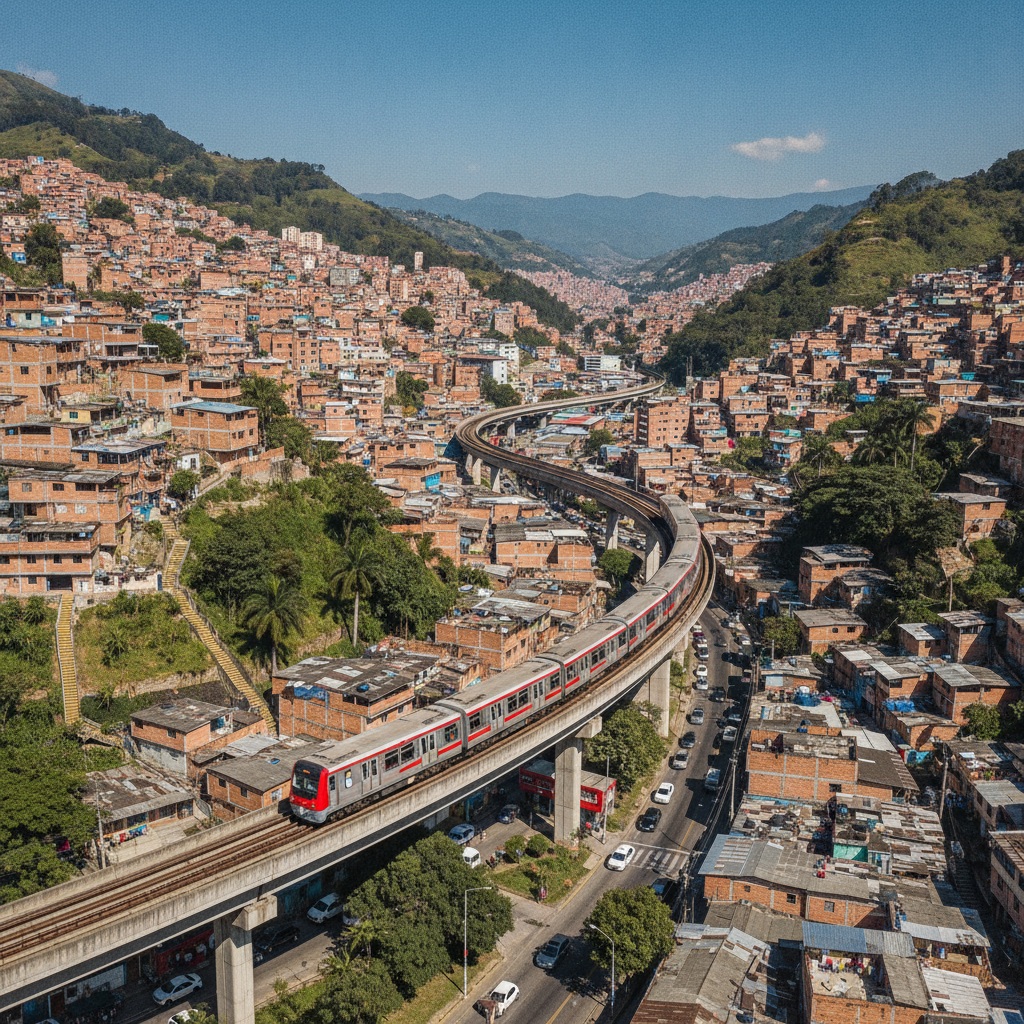
Medellin occupies a narrow Andean valley at 1,495 meters altitude, flanked by steep mountain slopes that rise to over 2,500 meters and that give the city its characteristic geography of flat valley floor and hillside neighborhoods climbing the surrounding terrain. The altitude places the city in a permanent temperature range of 17 to 28 degrees Celsius, avoiding both the tropical heat of the lowland Colombian cities like Barranquilla and Cartagena and the cooler conditions of higher-altitude Bogota. The Medellin River, now largely channeled and bordered by a major highway, runs the length of the valley and has historically been the axis around which the city developed. The surrounding mountain slopes above the formal city contain several municipalities including Envigado, Bello, and Itagui that are administratively separate but form part of the continuous urban fabric of Greater Medellin. The steep hillsides above the formal city are occupied by comunas, informal settlements that grew during the period of rapid rural to urban migration in the 20th century and that became the centers of the cartel-related violence and the subsequent urban transformation that has defined Medellin's recent international reputation.
- 2
El Poblado: The International Neighborhood and Tourism Hub
El Poblado, the upscale neighborhood in the southeastern section of Medellin's valley floor, is the primary base for international visitors to the city, concentrating the largest selection of hostels, boutique hotels, international restaurants, bars, and nightlife venues in the city. The Parque Lleras area within El Poblado is the most intense concentration of late-night entertainment in Medellin, with dozens of bars, clubs, and restaurants operating around a small plaza that becomes a pedestrian gathering point on weekend evenings. The neighborhood is also home to the highest concentration of long-term international residents and digital nomads who have made Medellin one of the most popular remote-work destinations in Latin America, drawn by the climate, relatively low cost of living, fast internet infrastructure, and the transformation-story narrative. El Poblado's restaurant scene includes excellent Colombian cuisine alongside international options; the neighborhood is one of the best places in South America to experience contemporary Colombian gastronomy including dishes from the Antioqueño tradition that defines Medellin's food culture. The metro station El Poblado on Line A connects the neighborhood to the city center in approximately 15 minutes.
- 3
The Flower Festival: Feria de las Flores and the Silleteros
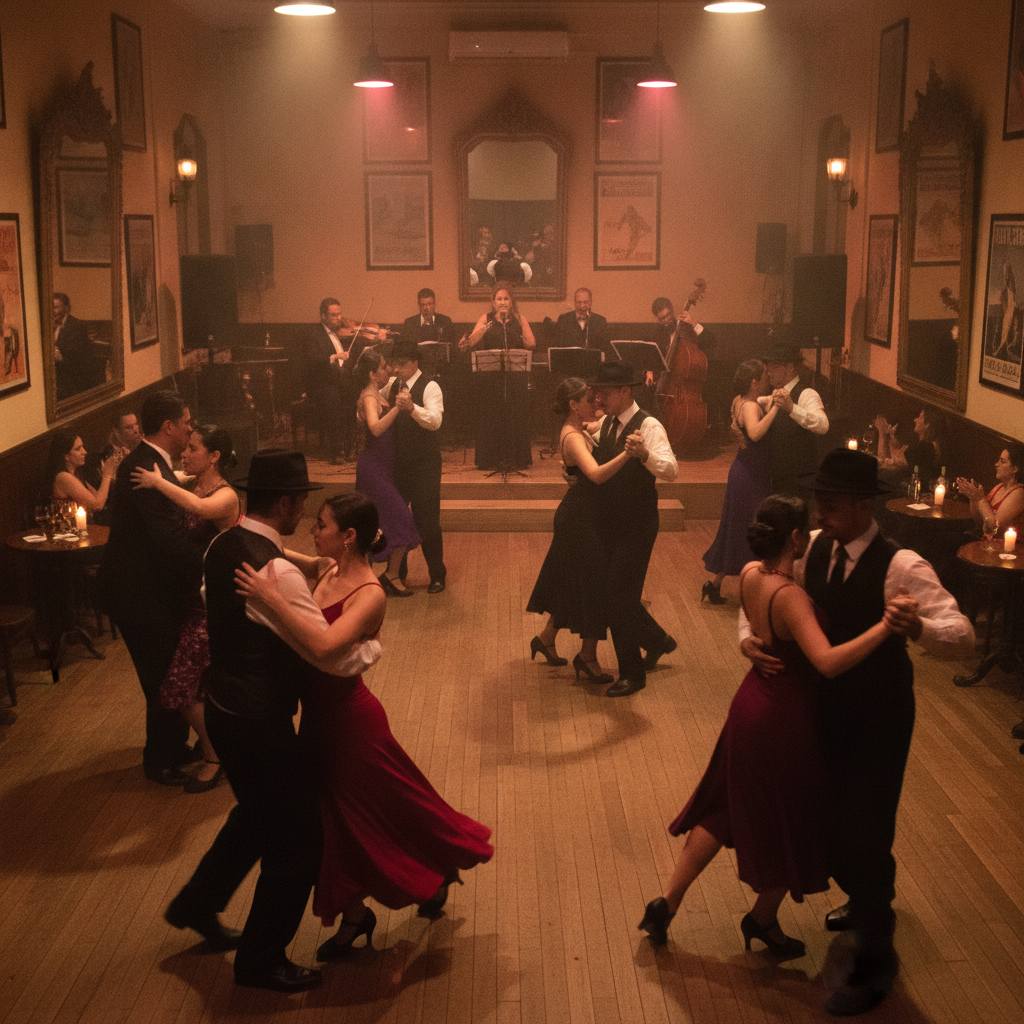
The Feria de las Flores, held every August since 1957, is Colombia's most internationally famous festival and the defining annual event of Medellin's cultural calendar. The festival centers on the Desfile de Silleteros, the Grand Parade of the Silletero flower vendors, in which hundreds of flower growers from the Oriente Antioqueño mountain town of Santa Elena descend into Medellin carrying elaborate flower arrangements called silletas on their backs, the word derived from the chair-like wooden frame used to carry the flowers. The silletas range from simple traditional arrangements to monumental constructions weighing over 80 kilograms that recreate landscapes, portraits of famous Colombians, and commercial brand logos in living flowers, competing in multiple size and design categories. The parade route through the city center draws hundreds of thousands of spectators and is the climax of a week of events including a vintage car parade, horse procession, street concerts, and cultural exhibitions. The silletero tradition reflects Medellin's historical dependence on flower growing in the surrounding mountains, and the metropolitan area remains one of the major flower export centers of the world, second only to the Netherlands in cut flower exports globally.
- 4
The Metro and Cable Cars: Urban Innovation and Social Inclusion
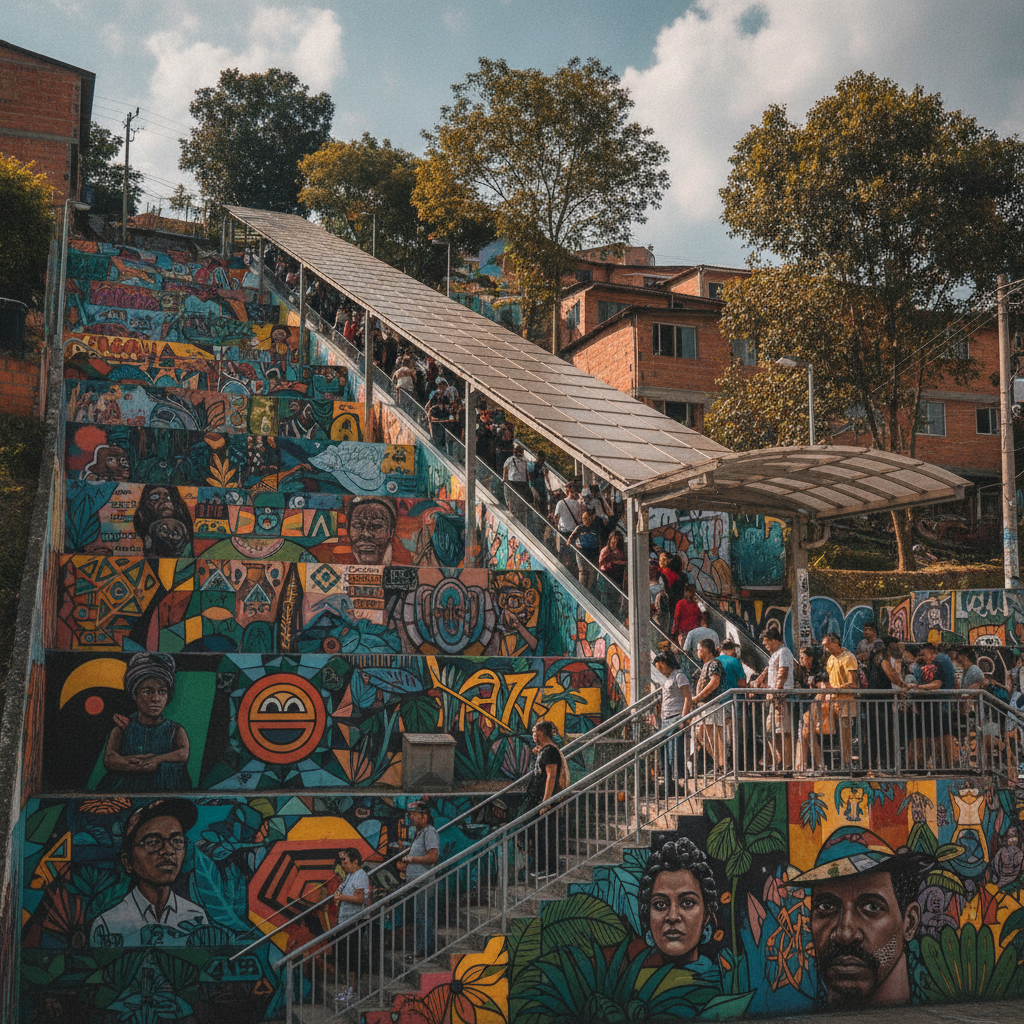
The Medellin Metro, opened in 1995 as the first and only metro system in Colombia, consists of two main lines serving the valley floor and connecting to the surrounding municipalities, and forms the spine of a broader urban transport network that has been extended through cable cars, electric escalators, and bus rapid transit to reach the hillside comunas that were historically disconnected from the formal city. The Metrocable system, beginning in 2004, attached gondola lines to the metro network that climb the steep hillsides to the comunas that ring the valley, reducing commute times from hours by overcrowded bus to minutes and symbolically connecting the marginalized neighborhoods to the formal city infrastructure. The electric escalator in the Comuna 13, a 384-meter six-section outdoor escalator installed in 2011, provided hillside residents with their first practical non-exhausting access to the street-level neighborhood below. These transport investments were not merely utilitarian: their placement in the most marginalized and previously dangerous neighborhoods was a deliberate urban planning strategy to signal public investment in excluded communities. The Medellin transport model has been studied internationally as an example of infrastructure-led social inclusion.
- 5
Pablo Escobar and the Violence Era: Understanding Medellin's Dark History
Pablo Escobar Gaviria, born in 1949 in Rionegro near Medellin, built the Medellin Cartel into the dominant cocaine trafficking organization in the world during the 1970s and 1980s, at peak controlling approximately 80 percent of the global cocaine supply and generating an estimated 420 million dollars per week. Escobar's strategy of plata o plomo, silver or lead, offering bribery or assassination to police, judges, politicians, and journalists who stood in his way, combined with his tactical use of car bombs and assassinations to resist extradition to the United States, made Colombia and Medellin specifically the most violent country in the world by the late 1980s and early 1990s. At its peak, Medellin recorded over 6,000 homicides in a single year, giving it a murder rate of approximately 380 per 100,000 residents. Escobar was killed by Colombian security forces on a Medellin rooftop in December 1993, ending the cartel era but not immediately resolving the structural violence and gang activity that had taken root. The narco-tourism industry that has grown around Escobar sites and tours is deeply controversial among Medellin residents who have worked to overcome that period and find the glorification of Escobar offensive; visitors should approach this history with awareness of local sensitivities.
- 6
Botero Plaza and the Antioqueño Arts Tradition
The Plaza Botero in the historic center of Medellin is surrounded by 23 oversized bronze sculptures donated by the city's most famous native son, Fernando Botero, the artist whose distinctive style of volumetric figures and subjects depicted with exaggerated corpulence has made him the most internationally recognized Latin American artist of the 20th century. Botero, born in Medellin in 1932, donated the plaza sculptures to his home city in 2000 and additional works to the Museo de Antioquia adjacent to the plaza. The Museo de Antioquia, housed in a restored neoclassical building, contains the most comprehensive permanent collection of Botero's work including paintings, drawings, and sculptures spanning his career. Beyond Botero, the Antioqueno arts tradition is expressed in the city's numerous museums including the Museo de Arte Moderno de Medellin in El Poblado, the Parque Explora science museum, and the Jardín Botánico. The textile industry that defined Medellin's economic development through most of the 20th century, when the city was Colombia's industrial capital with a concentration of textile mills, has left a design and craft heritage visible in the city's fashion industry and artisan markets.
Walk this route with audio
Stories play automatically as you reach each stop — no tapping needed.
More in Medellin
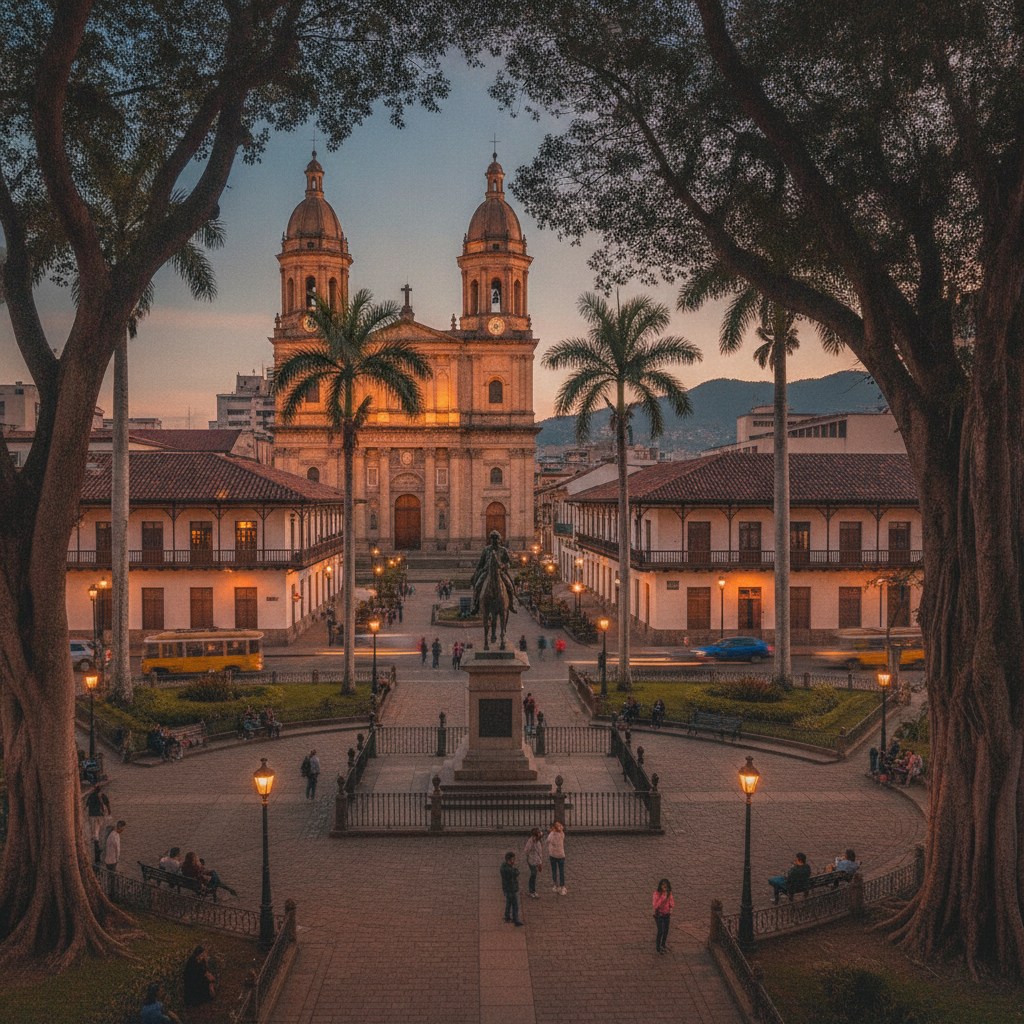
Medellin History: From Colonial Foundation to Industrial Capital and Cartel Violence
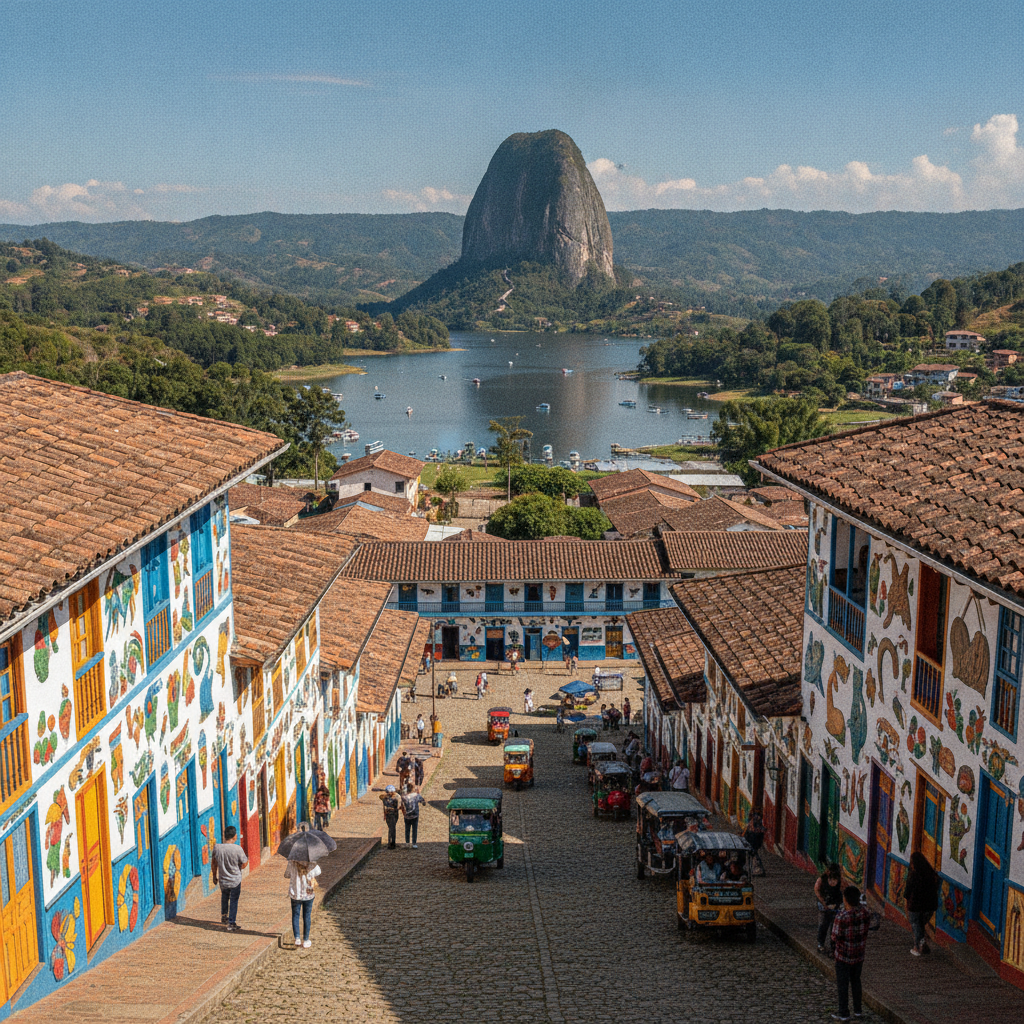
Medellin Day Trips: Guatape, Coffee Region, Jerico, and the Antioqueño Countryside
Medellin Practical Guide: Neighborhoods, Safety, Transport, and Colombia Travel Connections
Medellin Urban Transformation: Architecture, Innovation, and the World Design Capital
Medellin Birdwatching: Colombia as the Most Bird-Rich Country and the Antioquia Avifauna