Medellin Food Culture: Bandeja Paisa, Arepas, and the Antioqueño Kitchen
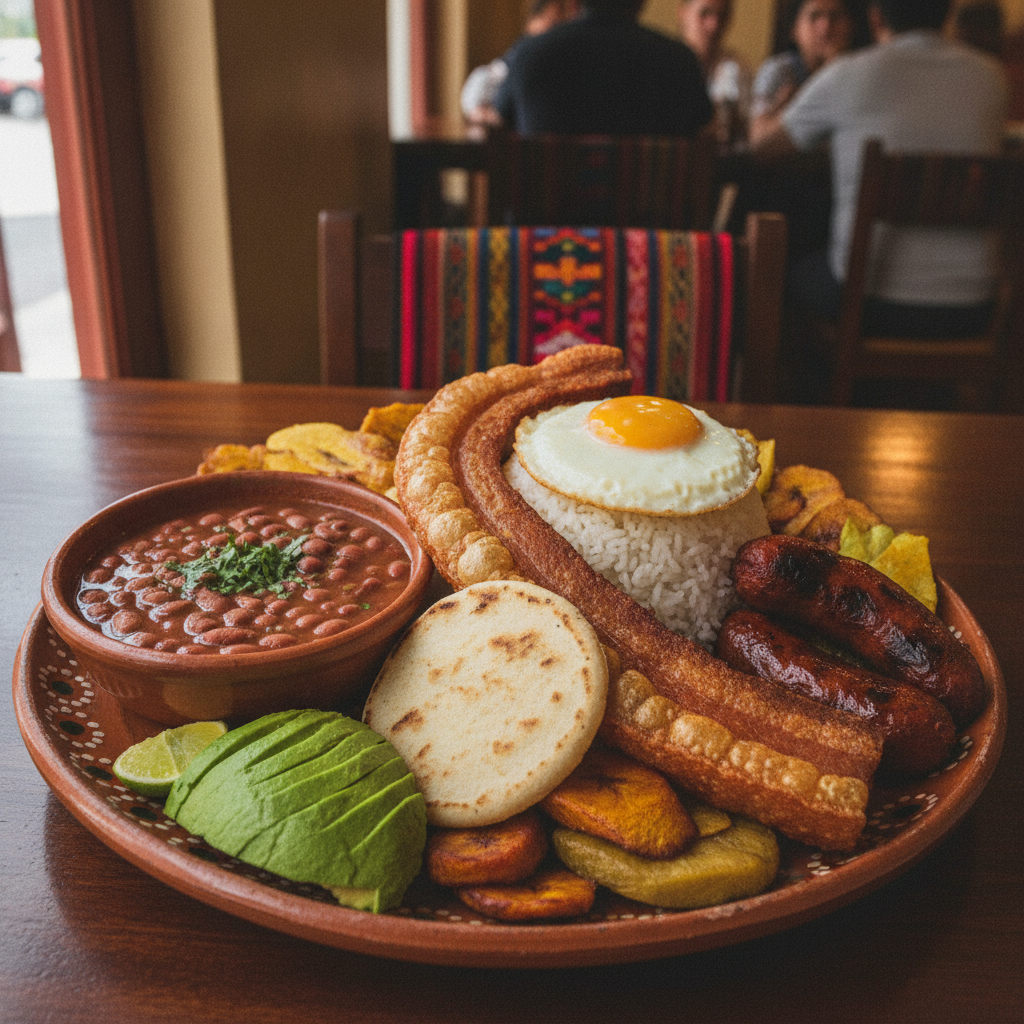
The cuisine of Medellin is rooted in the Antioqueño food tradition, one of the most distinctive and recognizable regional cuisines of Colombia, built around corn, beans, pork, plantain, and the agricultural products of the coffee-growing Andes around the city. The bandeja paisa, a massive platter combining beans, rice, ground beef, chicharrón pork belly, chorizo, fried egg, sweet plantain, arepa, and avocado, is the definitive Antioqueño meal and a point of regional pride that Paisas consider a complete nutritional universe on a single plate. The arepa, a flat corn cake eaten at every meal, comes in dozens of varieties from the simple plain white corn arepa of the Antioqueño tradition to the stuffed and topped versions found across the city. The fresh juice culture of Medellin, drawing on the tropical fruits of the surrounding lowlands, produces some of the best fruit juice available anywhere in the Americas.
- 1
Bandeja Paisa: The Complete Antioqueño Meal on One Plate
The bandeja paisa, whose name derives from bandeja meaning tray and Paisa meaning the people of the Antioquia and Eje Cafetero region, is a platter meal of extraordinary caloric and cultural density that originated as sustenance for agricultural workers in the Andean coffee and cattle farming economy of the Antioqueño region. The standard components are red beans cooked with pork, white rice, carne molida spiced ground beef, chicharrón crispy fried pork belly, chorizo sausage, fried egg, sweet fried plantain called tajadas, corn arepa, and avocado, all arranged on a large oval plate simultaneously. The meal reflects the agricultural economy that produced it: beans and corn as the caloric base, pork and beef from the livestock economy, avocado and plantain from the garden, and egg from the farmyard poultry. The bandeja paisa is found throughout Medellin in restaurants ranging from basic lunch counters to upscale establishments; prices vary from a few thousand pesos at a neighborhood restaurant to significantly more at a tourist-oriented venue. The meal is served at lunch, the main meal of the Colombian day, and is too substantial for most diners to finish without significant hunger or multiple hours of prior activity.
- 2
Arepas: The Corn Cake That Defines the Colombian Table
The arepa, a flat circular cake made from nixtamalized or unprocessed corn dough that is griddled, baked, or fried and eaten at breakfast, lunch, and dinner throughout Colombia and Venezuela, comes in such regional variety that the type of arepa immediately identifies the regional origin of its maker. The Antioqueño arepa, the local Medellin standard, is a plain thick white corn arepa typically served without filling, eaten as an accompaniment to every meal and as a base for butter or hogao tomato-onion sauce. The arepa de choclo, made from fresh sweet corn rather than dried processed corn, is softer, slightly sweet, and typically served with white cheese melted on top; it is the most beloved breakfast option in Medellin sidewalk stalls and bakeries. The arepa de huevo, common on the Caribbean coast rather than Medellin, has a fried egg inside but is available in the city as a street food variant. The arepa con todo, stuffed with every available topping from cheese to chicharrón to beans, represents the street food evolution of the form. The combination of arepa and tinto, the small strong black coffee of Colombia, is the standard Colombian morning ritual across all social classes and regions.
- 3
Medellin Coffee Culture: Cafe de Colombia in the Coffee Capital
Medellin sits within the Eje Cafetero, the Coffee Axis or Coffee Triangle, the region of Colombia responsible for the majority of the country's internationally renowned Arabica coffee production that has been recognized with UNESCO Cultural Landscape status for the coffee farming landscape and culture. The Antioqueño tradition drinks tinto, a small cup of black coffee served throughout the day from thermos-wielding street vendors called tinteros who circulate through markets, offices, and public spaces, and who sell cups at minimal prices to everyone regardless of economic level. The specialty coffee culture in Medellin has developed significantly in the 2010s alongside the city's urban transformation, with numerous specialty cafes in El Poblado and Laureles offering single-origin Colombian coffees from specific farms and micro-lots processed to highlight distinct flavor profiles. The Colombian coffee regions immediately surrounding Medellin in the Antioquia department produce coffees from Jardín, Jericó, and Salgar that have achieved international recognition in specialty markets for their cup quality. The Hacienda Guayabal and other working coffee farms within day trip distance of Medellin offer tours that explain the full production process from cherry picking through washing, drying, and roasting.
- 4
Mercado del Rio and the Contemporary Food Scene
The Mercado del Rio, a large indoor food market opened in the Industriales neighborhood of Medellin in 2015, brought the food market concept common in European and North American cities to Medellin with approximately 40 food stalls offering dishes from traditional Antioqueño cooking to sushi, pizza, craft beer, and international cuisine in a single open space. The market became immediately popular with the local professional class and international visitors and inspired several similar projects in Medellin and other Colombian cities. The broader contemporary restaurant scene in El Poblado and Laureles includes several restaurants by Colombian chefs who have worked internationally and returned to apply modern techniques to Antioqueño and Colombian ingredients: corn, yuca, guanabana, lulo, mora, and the range of Andean tubers and tropical fruits that represent a distinct ingredient set from European gastronomy. The aguardiente, an anise-flavored spirit distilled from sugarcane and the national drink of Colombia, is produced in the Antioqueno version by Industrias Licoreras de Antioquia and is the ubiquitous social lubricant of Medellin nightlife, consumed in shots at the table rather than in mixed drinks.
- 5
Sancocho and the Soup Tradition of the Antioqueño Table
The sancocho, a slow-cooked broth with various combinations of meat, roots, and vegetables that is the comfort food and social meal of most of Latin America, takes its Antioqueño form as sancocho paisaje, a thick soup of chicken or hen with yuca, papa criolla yellow potato, plantain, corn on the cob, and fresh herbs served as a complete meal with white rice and avocado on the side. The sancocho in Colombia serves as both daily sustenance and celebratory food; community sancocho events cooked in massive pots over wood fires are a standard format for neighborhood celebrations, family gatherings, and communal events throughout the Antioqueño region. The mondongo, a tripe soup with potato, carrot, and herbs in a light broth, is the traditional Saturday morning meal in Medellin, served in specialized restaurants that open early and close when the pot is empty, drawing a multigenerational clientele for whom mondongo on Saturday morning is as culturally fixed as brunch in North American cities. The changua, a milk soup with egg poached directly in the broth and stale bread soaked until soft, is the traditional Colombian breakfast soup found throughout Antioquia and Bogota, an acquired taste for visitors from cultures where soup is not a morning food.
- 6
Fruits of the Tropics: Guanabana, Lulo, Maracuya, and the Medellin Juice Culture
The juice bars of Medellin operate on a different premise from the juice culture of most of the world because the range of available fruits includes dozens of species unknown outside of the tropical Americas, each with its own flavor profile, seasonal peak, and cultural association. The lulo, a citrus-adjacent fruit with bright green pulp and intensely tart flavor, makes the most distinctive and irreplaceable Colombian juice, impossible to substitute with any fruit available in temperate markets. The guanabana soursop produces a thick creamy juice with complex sweet-sour flavors used both for drinking and for making ice cream. The maracuya passion fruit produces an intensely aromatic juice that is combined with water and sugar or used in cooking and cocktails. The tomate de arbol tree tomato, a highland Andean fruit with savory-sweet flavor, is served as juice, cooked in sauces, and eaten fresh. The mora blackberry of the Colombian highlands, with a more intense flavor than the European variety, is the standard berry juice throughout the coffee region. The mango varieties available in Medellin, drawing on production from the Cauca Valley and Caribbean lowlands, include Tommy, Kent, and the small sweet mango de hilaza, eaten with salt and lime as a street snack.
Walk this route with audio
Stories play automatically as you reach each stop — no tapping needed.
More in Medellin
Medellin History: From Colonial Foundation to Industrial Capital and Cartel Violence
Medellin Day Trips: Guatape, Coffee Region, Jerico, and the Antioqueño Countryside
Medellin Practical Guide: Neighborhoods, Safety, Transport, and Colombia Travel Connections
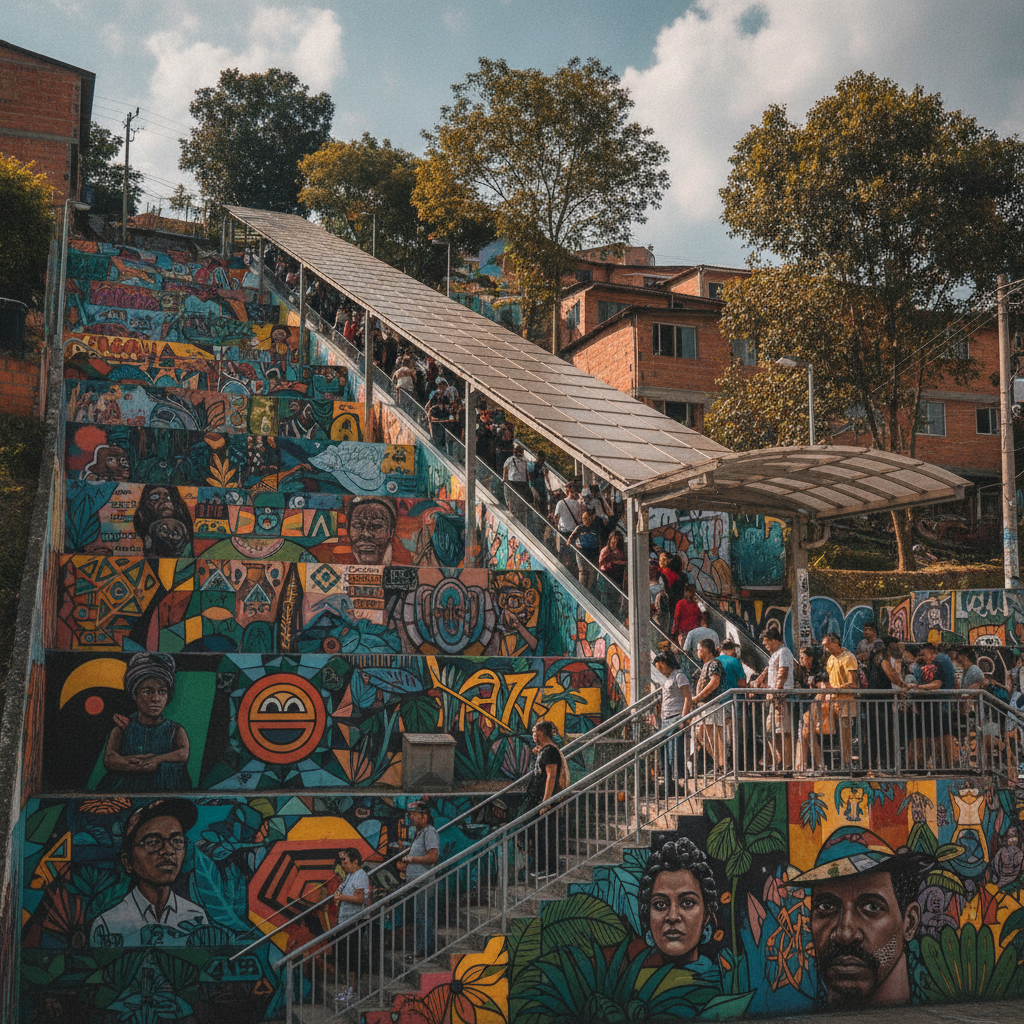
Medellin Urban Transformation: Architecture, Innovation, and the World Design Capital

Medellin Birdwatching: Colombia as the Most Bird-Rich Country and the Antioquia Avifauna