Medellin Nightlife, Music, and the Paisa Social Scene
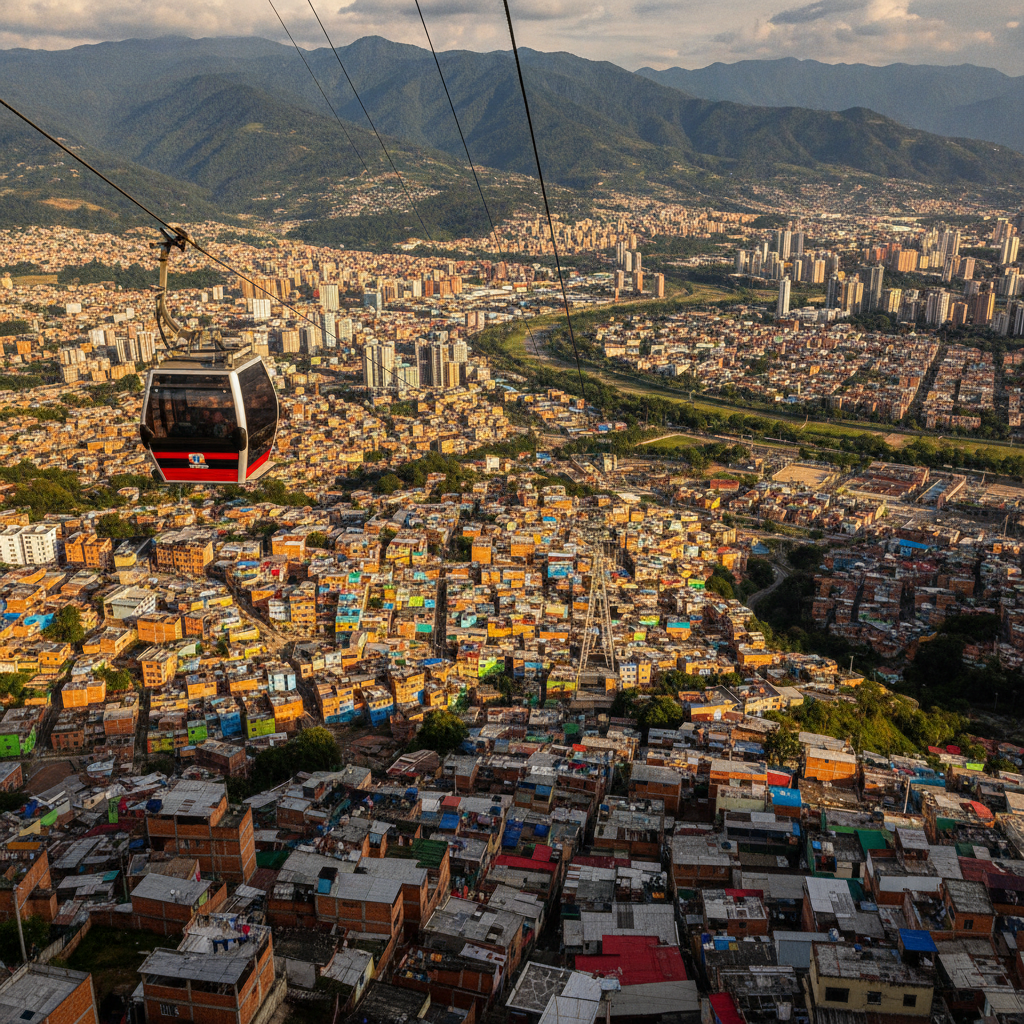
Medellin has one of the most vibrant and distinctive nightlife cultures in Latin America, anchored by its own musical traditions, a social culture of intense local pride and hospitality, and a nightlife geography that ranges from the international party circuits of El Poblado to the local salsa clubs of Conquistadores and the street parties of Parque Lleras. Salsa, though more associated with Cali, is danced throughout Medellin; vallenato from the Colombian Caribbean coast is the most emotionally resonant popular music for many Paisas; and the electronic music and reggaeton scenes are as developed as in any major Latin American city. The Paisa reputation for hospitality is genuine and extends to a social culture of going out in mixed-age groups to eat, drink, and dance rather than the age-segregated nightlife typical of North American and European cities.
- 1
Parque Lleras: The Heart of El Poblado Nightlife
Parque Lleras, a small plaza in the heart of El Poblado surrounded by bars, clubs, and restaurants, is the social nucleus of Medellin nightlife for the international visitor community and for the Paisa upper-middle class. The area around the park concentrates dozens of venues ranging from rooftop cocktail bars to basement clubs, and the pedestrian streets surrounding the park become a social promenade on Friday and Saturday evenings. The nightlife of Parque Lleras has a reputation for being lively but also for concentrations of scopolamine drugging and robbery targeting tourists; standard urban safety practices including not accepting drinks from strangers and staying aware of surroundings apply emphatically here. The venues around the park include several salsa and vallenato-oriented clubs alongside the more internationally styled bars playing electronic and reggaeton music. The area is most active from approximately 10 PM to 4 AM on weekend nights. Taxis and ride-sharing apps are the safest transport between El Poblado and other parts of the city late at night; walking between neighborhoods at late hours carries higher risk than in the daytime.
- 2
Vallenato: The Music of the Colombian Heartland in Medellin
Vallenato, the accordion-driven folk music of the Colombian Caribbean coast and its inland valleys, has been adopted with passionate intensity by the Antioqueño interior as one of the primary popular music forms, playing throughout parties, nightclubs, and informal social gatherings across Medellin despite its geographic origin hundreds of kilometers to the north. The vallenato accordion, derived from European chromatic button accordions introduced to the Colombian Caribbean in the 19th century, drives the characteristic sound alongside the caja drum and the guacharaca scraper. The genre's emotional range from the celebration of paseo to the melancholy of the son and the fast dance rhythm of the porro makes it adaptable to every social occasion. Carlos Vives, the Colombian singer who modernized vallenato in the 1990s by adding rock and pop elements, is the most internationally recognized performer of the genre, and his success opened the music to broader global audiences. The Vallenato Legend Festival in Valledupar, the genre's spiritual home, is held annually in April and is one of Colombia's most significant music events. In Medellin, vallenato plays in bars throughout the city and is the music most likely to be requested at any Colombian social gathering that includes older guests.
- 3
Tango in Medellin: The Argentine Dance That Found a Second Home
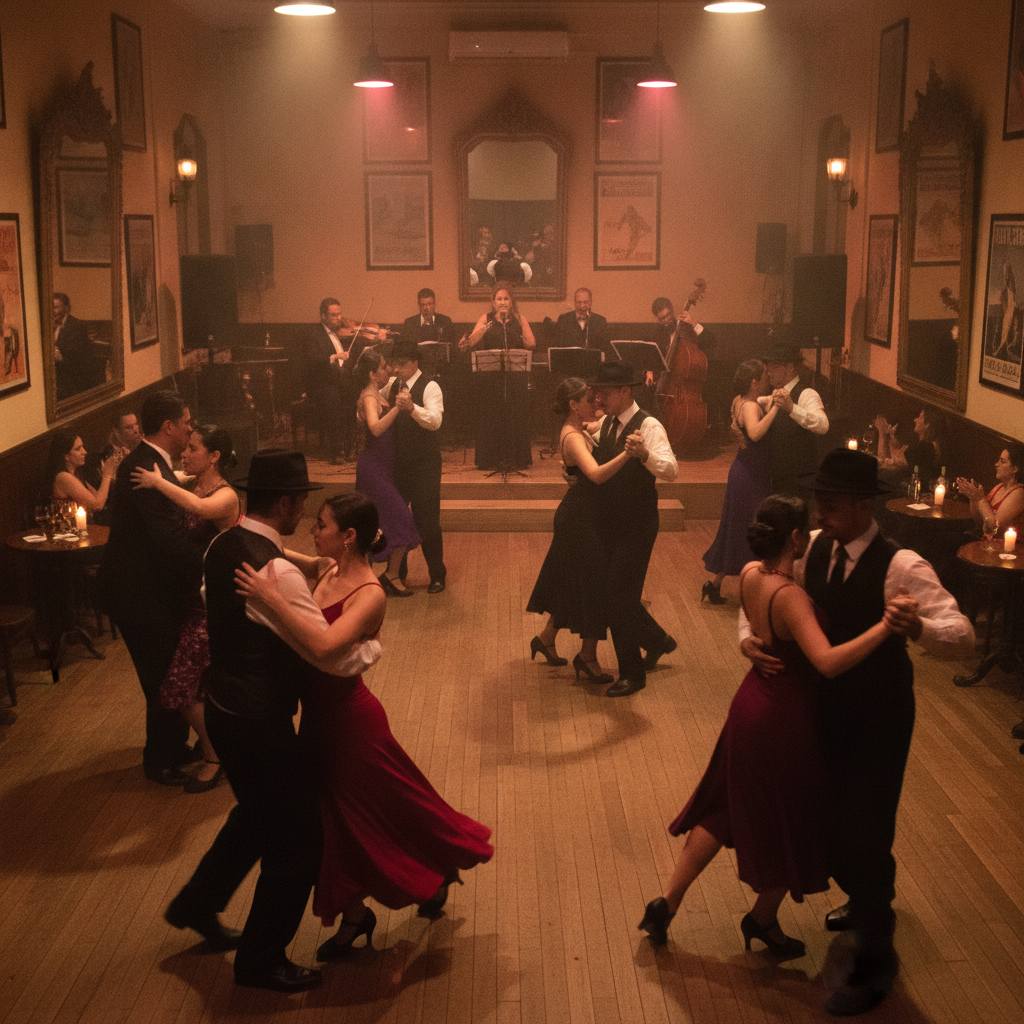
Medellin is the tango capital of Colombia and one of the most significant tango cities outside Argentina, with a tradition extending to the 1930s when recordings by Carlos Gardel and other Buenos Aires artists were broadcast on Medellin radio and sparked an enduring passion for the music and dance that persists to the present. Carlos Gardel himself visited Medellin and died at the city's airport in a plane crash in 1935, an event that created a permanent emotional bond between the city and the tango tradition; a monument to Gardel stands in Manrique, the neighborhood most associated with Medellin's tango culture. The Barrio Manrique in the northeastern section of the city is the traditional center of Medellin tango, with several milongas, informal tango dance gatherings, operating in social clubs and bars throughout the week. The Casa Gardeliana in Manrique functions as both a tango museum and a venue for live tango performance. The annual Medellin International Tango Festival in late June and early July brings tango orchestras, dancers, and enthusiasts from Argentina, Uruguay, and across the world for a week of performances, milongas, and workshops that is the largest tango event in Colombia and one of the largest outside the Rio de la Plata region.
- 4
Lunapark and the Electronic Music Scene
The electronic music scene in Medellin, concentrated around several clubs in the El Poblado and Industriales neighborhoods, has developed from the early 2000s onward into one of the most respected in South America, with local producers and DJs gaining international recognition and the city attracting major touring acts from Europe and North America. Lunapark, a large club in the Industriales area that hosts events on weekend nights, has been among the most consistently cited venues in the Colombian electronic music scene. The Medellin electronic scene draws from the deep house, techno, and minimal techno traditions more than from the commercial EDM that dominates in some Latin American markets, with a local aesthetic that several Colombian artists have developed into an internationally recognized Medellin sound. The Colombian festival circuit includes several multi-day electronic music events held in the mountains around Medellin and in the coffee region that have become destinations for international electronic music tourists. The intersection of the electronic music scene with the digital nomad community that has settled in Medellin has reinforced the international character of the scene and created networks connecting local producers to global opportunities.
- 5
The Paisa Identity: Regional Pride and Social Culture
The Paisa identity, the regional identity of the people of Antioquia and the adjacent coffee region, is one of the most strongly developed regional identities in Colombia, combining elements of Spanish colonial heritage, the 19th century colonization movement, Catholic social values, entrepreneurial commercial culture, and a reputation for hospitality and warmth that Paisas actively cultivate and take pride in. The Paisa is stereotypically characterized as hardworking, commercially minded, religious, family-oriented, and intensely proud of regional products including coffee, flowers, and the bandeja paisa meal. The regional identity extends to strong local allegiances; the rivalry between the two Medellin football clubs, Atletico Nacional and Independiente Medellin, is one of the most passionate in Colombian football and a genuine expression of local identity. The carriel, the traditional decorated leather shoulder bag, and the sombrero vueltiao, a woven hat originally from the Caribbean coast that has become a Colombian national symbol, are both markers of Antioqueño regional identity when worn in formal contexts. The vocabulary of Antioqueño Spanish, with its distinctive use of the voseo verb form and regional slang, immediately identifies a speaker as Paisa to other Colombians and is a source of regional pride.
- 6
Medellin Football: Atletico Nacional and the Derby
Atletico Nacional, founded in Medellin in 1947, is the most successful football club in Colombian history with multiple league titles and two Copa Libertadores championships including the famous 1989 title that occurred at the peak of the Escobar cartel era; the club has been publicly associated with the cartel period in ways that its supporters and the club administration have worked to distance from the institution's identity. The club plays at the Estadio Atanasio Girardot, a large modern stadium in the Laureles neighborhood that was renovated for a FIFA tournament and holds approximately 45,000 spectators. The Derby Antioqueno between Atletico Nacional and Independiente Medellin, known as the Clasico Antioqueno, is the most attended and passionately contested derby in Colombian football; the two clubs have entirely separate supporter cultures, stadium sections, and social identities within the Medellin fan community. Attending a local league match at the Atanasio Girardot is one of the most energetic sporting spectator experiences available in Colombia, with organized supporter groups called barras bravas generating the atmospheric noise and visual displays typical of South American football culture. Tickets are available through the club websites and at the stadium, with prices varying significantly between category and distance from the pitch.
Walk this route with audio
Stories play automatically as you reach each stop — no tapping needed.
More in Medellin
Medellin History: From Colonial Foundation to Industrial Capital and Cartel Violence
Medellin Day Trips: Guatape, Coffee Region, Jerico, and the Antioqueño Countryside
Medellin Practical Guide: Neighborhoods, Safety, Transport, and Colombia Travel Connections
Medellin Urban Transformation: Architecture, Innovation, and the World Design Capital
Medellin Birdwatching: Colombia as the Most Bird-Rich Country and the Antioquia Avifauna