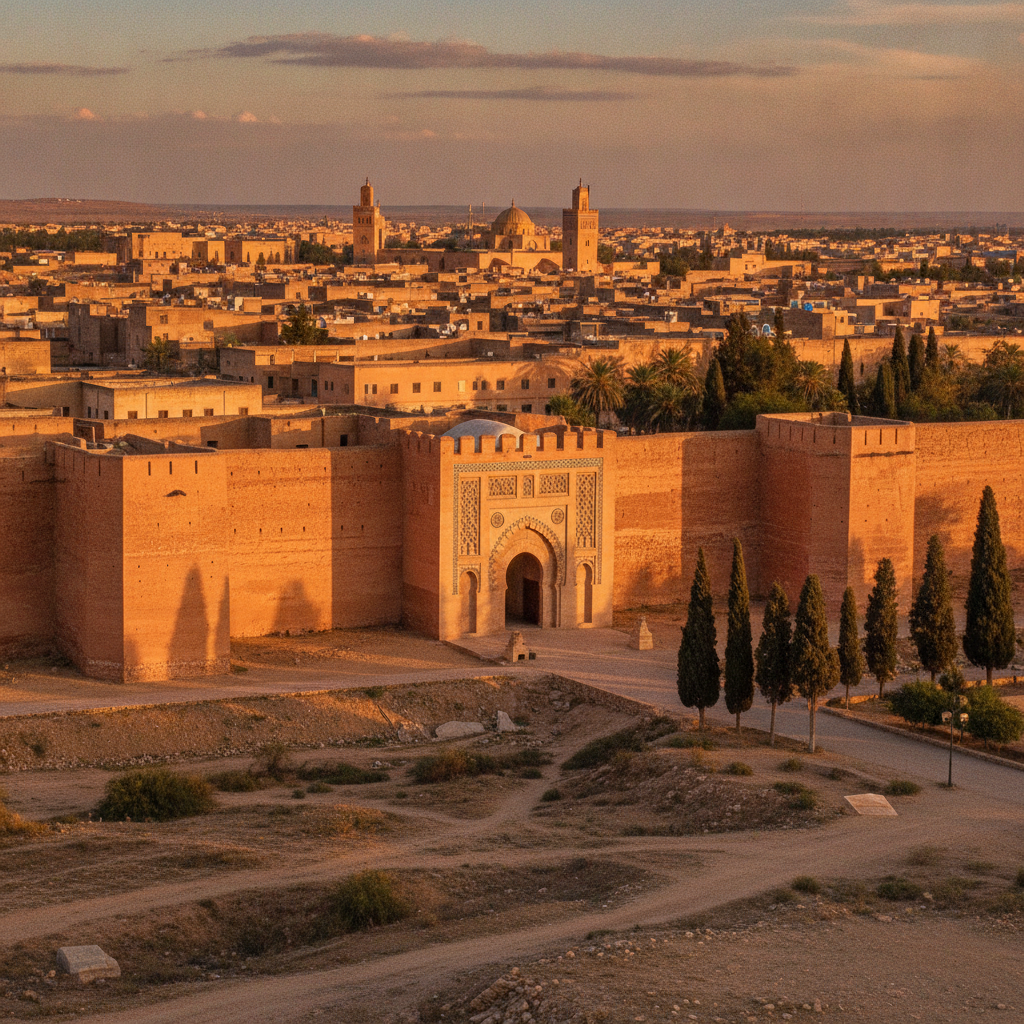
Meknes Medina: The Fabric Souk, the Bou Inania Madrasa, the Zellige Tile Workshops, the Carpet Market, and the Meknes Daily Life
The Meknes medina route covers the fabric souk as the most commercially active single medina market in Meknes, the Bou Inania Madrasa as the most architecturally complete single Marinid madrasa in Meknes, the zellige tile workshops, the carpet market, and the Meknes daily life as the most authentically Moroccan single non-tourist medina circuit.
- 1
Meknes Medina Souk: The Authentic Non-Tourist Market
The Meknes medina souk circuit, the most completely non-tourist-adapted single souk in a Moroccan imperial city because the medina serves primarily the local Meknes resident population rather than the tourist visitor, is the most directly authentic single medina shopping experience in Morocco where the fixed prices rather than the haggling negotiation are the dominant commercial norm and the craft products are the most utilitarian rather than the most tourist-directed. The fabric souk (kissariat), the shoe market (souk Sebbat), and the brass and copper souk (souk Nejjarine) are the three most active single commercial sectors in the Meknes medina.
- 2
Bou Inania Madrasa: The Marinid Academic Architecture
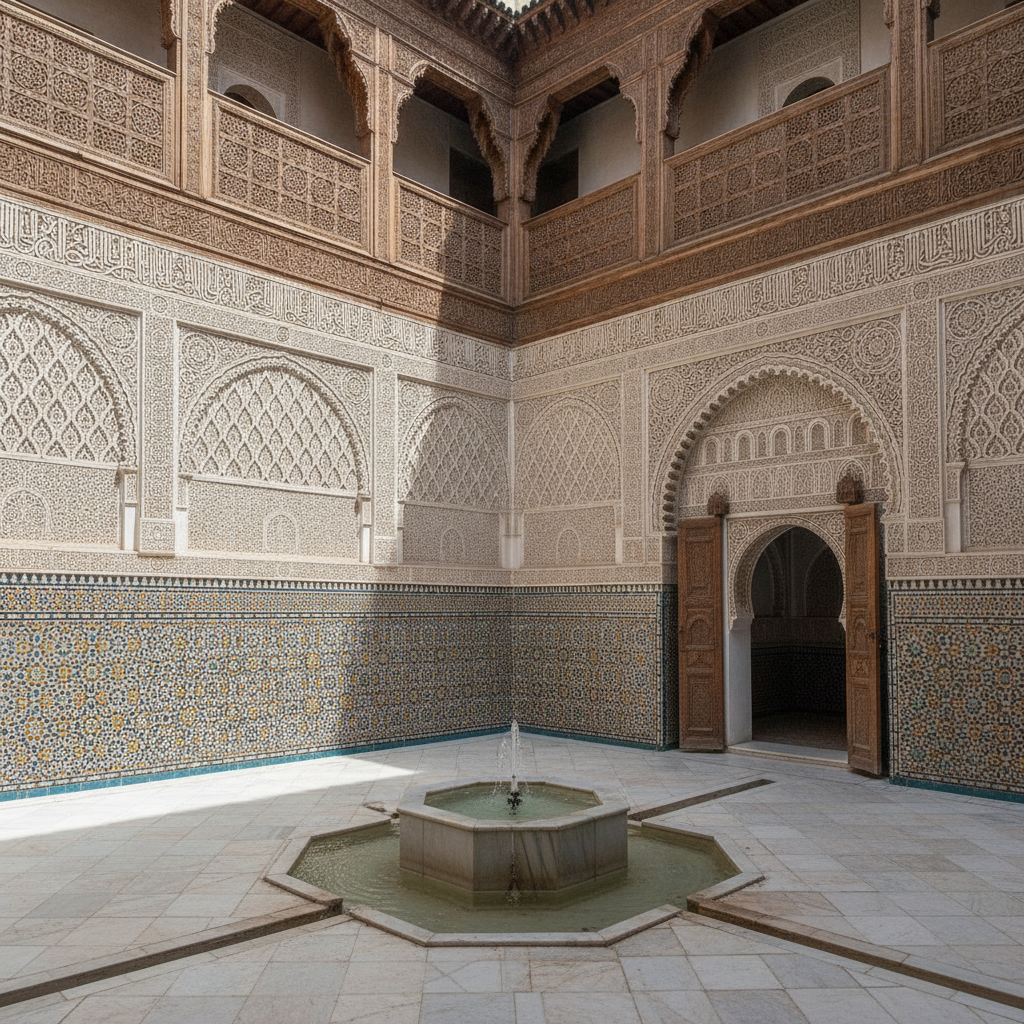
The Meknes Bou Inania Madrasa, built by the Marinid Sultan Abu Inan Faris in 1358 and the most architecturally complete single religious school in Meknes, demonstrates the full Marinid architectural vocabulary with the lower zellige tile dado, the carved stucco arabesque middle zone, the cedar wood carved upper screen, the central marble fountain courtyard, and the student cell galleries in the most structurally legible single example of the Moroccan madrasa tradition. The Meknes Bou Inania is the most accessible single Marinid madrasa in Morocco for the visitor who cannot spend the 3 days required to appreciate the more elaborate Fes Bou Inania.
- 3
Zellige Tile Workshops: The Moroccan Mosaic Craft
The Meknes zellige tile craft workshops, where the artisans hand-cut the terracotta tiles into the geometric star, the rhombus, and the pentagon shapes and assemble the most mathematically complex single tilework patterns in the Moroccan decorative tradition, are the most accessible single zellige production workshop to the visitor outside of Fes. The Meknes zellige tradition, directly descended from the Marinid 14th century tile craft that produced the most elaborate single madrasa tilework in Morocco, continues in the workshops around the Ain Khabbaz artisan quarter supplying the Moroccan mosque, the palace, and the riad restoration market.
- 4
Carpet Market: The Atlas Weaving Tradition
The Meknes carpet market, concentrating the most diverse single collection of Moroccan hand-woven carpets in the Middle Atlas-Meknes region, includes the Beni M'guild Berber carpet (the most recognizable single Middle Atlas carpet type with the dark red and cream geometric pattern and the deepest single pile in the Moroccan carpet tradition), the Beni Ouarain off-white carpet with the black geometric line (the most internationally recognized single Moroccan carpet in the contemporary interior design market), and the Hanbel flat-weave kilim from the Fes-Meknes region as the most affordable single Moroccan carpet type.
- 5
Meknes Wine: The Most Important Moroccan Vineyard Region
The Meknes wine region, the most important single wine-producing area in Morocco with the Meknes-Fes plateau providing the most favorable single terroir for the Moroccan viticulture (the altitude of 500-700 meters moderating the summer heat, the clay-limestone soils, and the Middle Atlas snowmelt irrigation), produces the Chateau Roslane, the Medaillon, and the Volubilia labels that represent the most internationally recognized single Moroccan fine wine production. The Moroccan wine industry centered on Meknes employs 40,000 workers and covers 45,000 hectares in the most agriculturally productive single Moroccan wine landscape.
- 6
Dar Jamai Museum: The Palace Turned Heritage Museum
The Dar Jamai Museum in the Meknes medina, housed in the 1882 palace of Mohammed ben Larbi Jamai (the most powerful single vizier of Sultan Moulay Hassan I) that was converted to a museum in 1920, preserves the most complete single collection of Meknes regional craft including the zellige tilework, the embroidery, the carved cedar wood, the wrought iron, and the Moroccan palace interior furniture in the most atmospherically authentic single museum installation in Morocco because the museum uses the original palace rooms as the display context.
Walk this route with audio
Stories play automatically as you reach each stop — no tapping needed.
More in Meknes
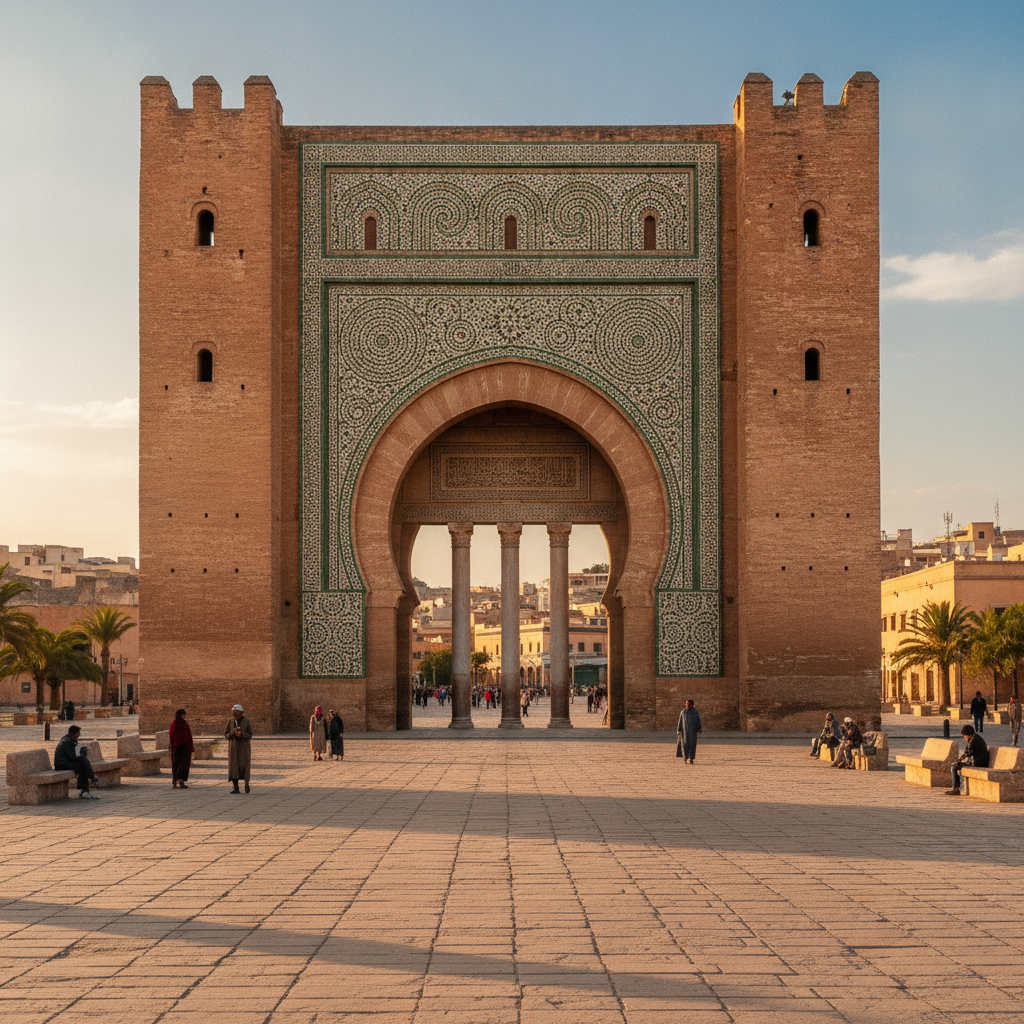
Meknes Essential: The Bab Mansour Triumphal Gate, the Moulay Ismail Mausoleum, the Imperial City Walls, the Heri es-Souani Royal Granaries, and the Forgotten Imperial Capital
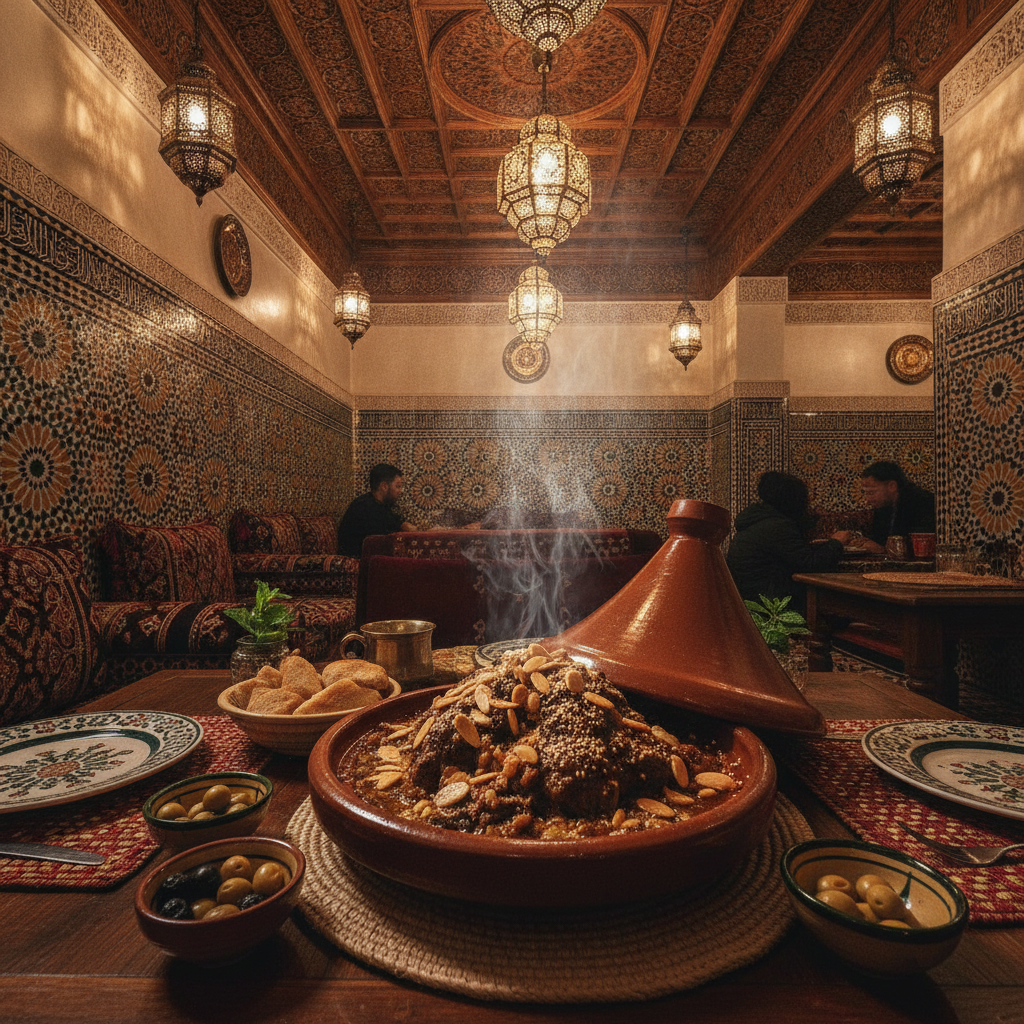
Meknes Food: The Mechoui Whole-Roast Lamb, the Mrouzia Sweet Lamb Tagine, the Meknes Bastilla, the Medina Restaurant Tradition, and the Meknes Regional Cuisine Character
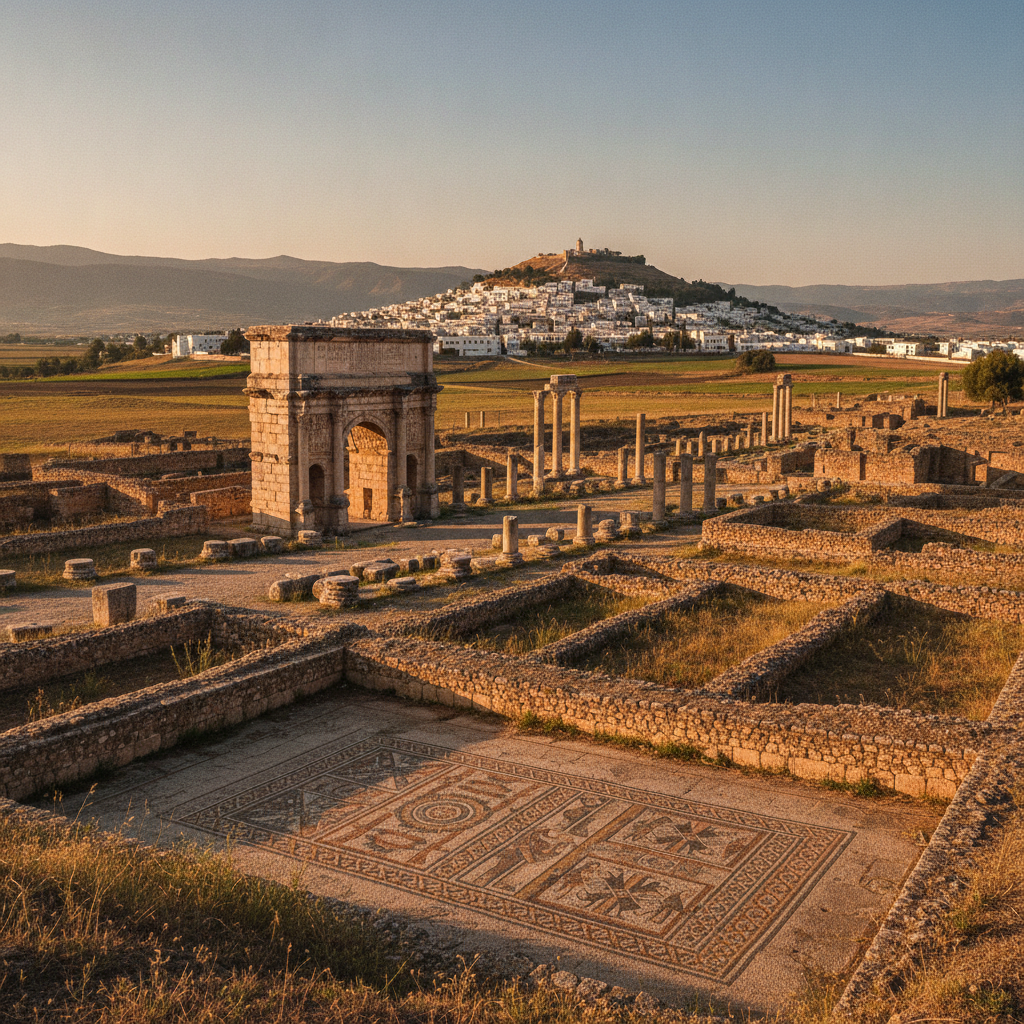
Meknes Day Trips: Volubilis Roman Ruins and the Moulay Idriss Zerhoun Pilgrimage Town
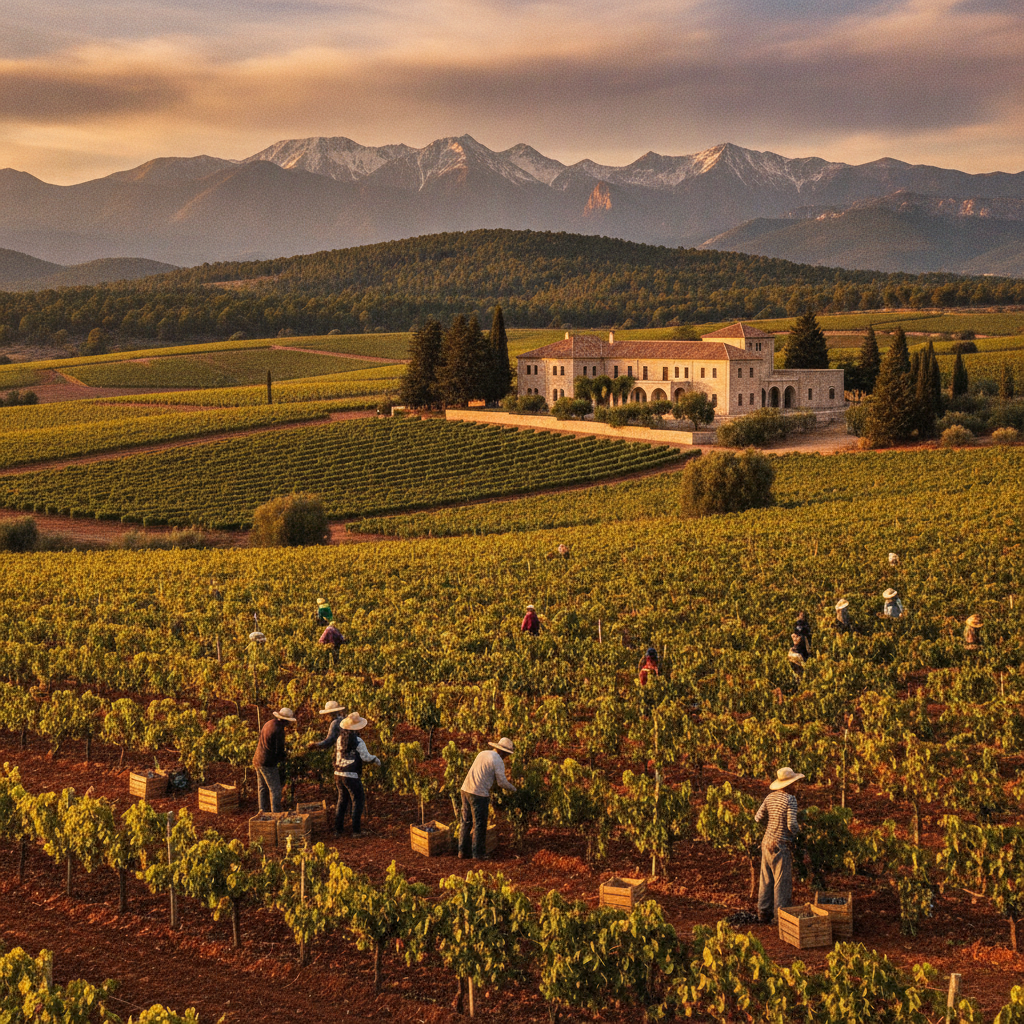
Meknes Wine Region: The Chateau Roslane, the Volubilia Label, the Domaine des Beni Mtir, the Moroccan Wine Heritage, and the Meknes Plateau Terroir

Meknes and the Middle Atlas: Ifrane the Alpine Town, Azrou Cedar Forest, the Barbary Macaques, the Beni M'guild Berber Community, and Middle Atlas Trekking