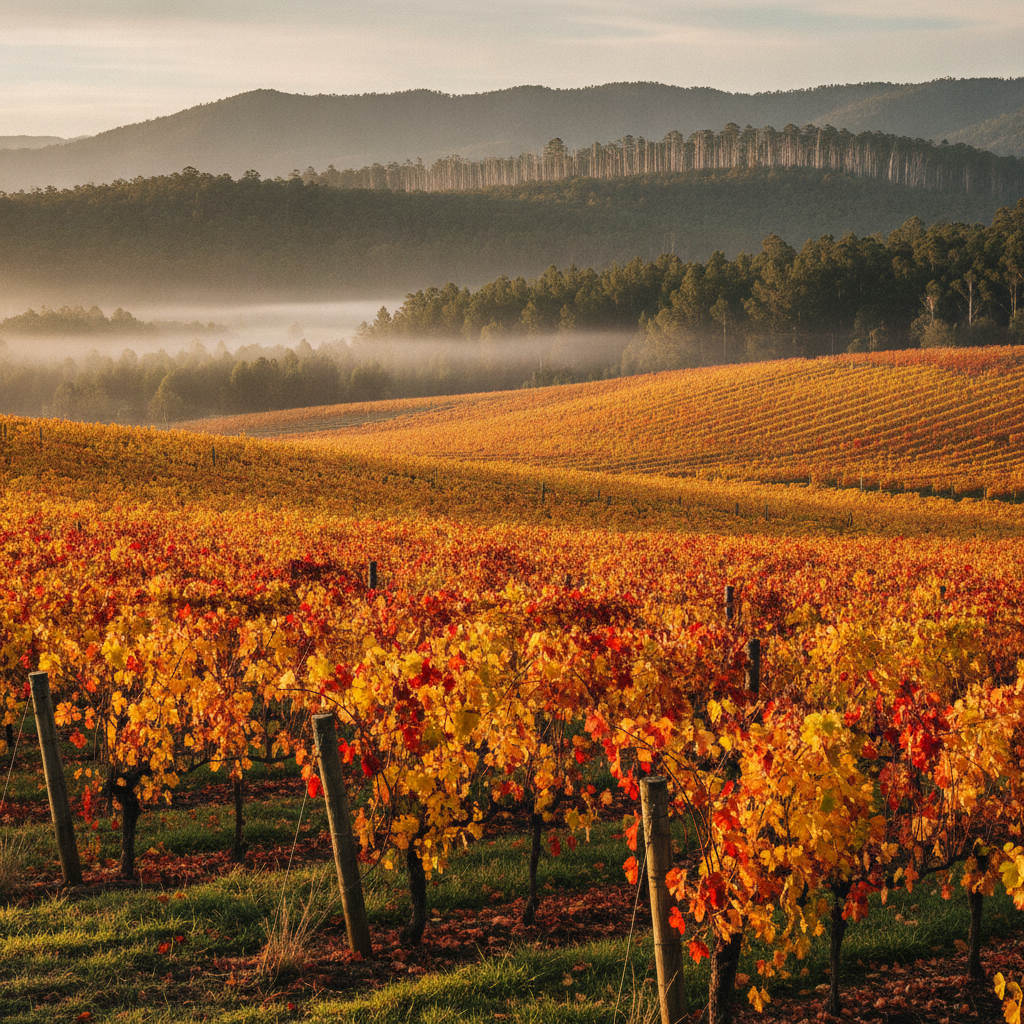
Melbourne: Laneways Street Art, Coffee Capital of the World, AFL Football Religion, Most Multicultural City in Australia, Great Ocean Road and Twelve Apostles, Complete Practical Guide
Melbourne: the laneway culture and Hosier Lane street art, Melbourne as world coffee capital (flat white origin, third wave roasters), AFL football at the MCG (100,000-capacity Grand Final), Melbourne multicultural food (Greek, Italian, Vietnamese, Chinese), Great Ocean Road and the Twelve Apostles introduction, and complete practical guide.
- 1
Melbourne Laneways - the Art and Culture of the Hidden City
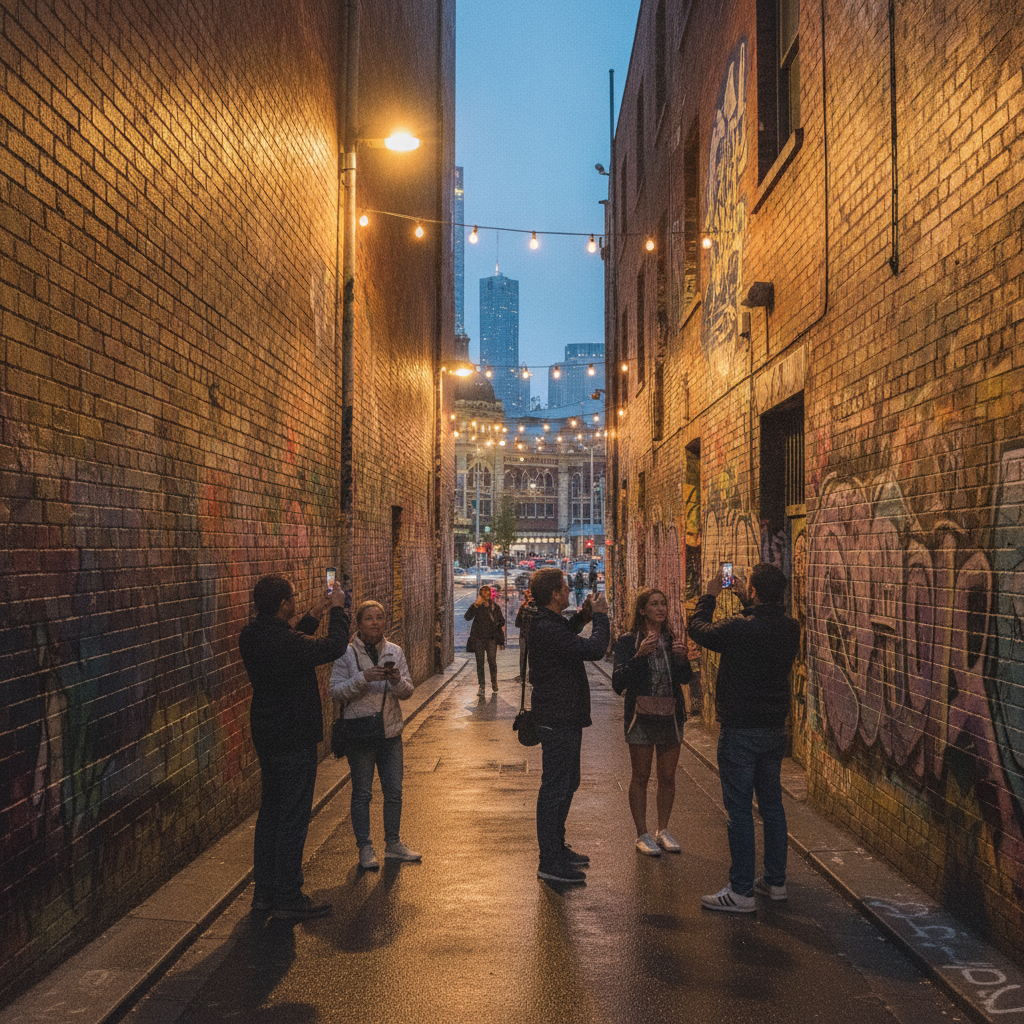
Melbourne laneways: the defining feature of Melbourne city identity. The Melbourne laneway culture emerged in the 1990s-2000s when the narrow service lanes of the CBD grid (originally built to service the backs of the main street shops and hotels) were transformed into destinations in their own right. Hosier Lane (on Hosier Lane between Flinders and Flinders Lane): the most famous laneway for street art, with every surface covered in rotating graffiti and stencil art; a legal graffiti zone since the 1990s. Degraves Street (between Flinders Lane and Flinders Street): the primary cafe laneway of the Melbourne CBD, with the espresso bars and brunch cafes that define Melbourne coffee culture. AC/DC Lane (formerly Corporation Lane, renamed in honour of the Australian rock band in 2004): the laneway running behind the Cherry Bar, the rock music bar associated with the band. The Centre Place, Caledonian Lane, and Hardware Lane: the network of laneways north of Bourke Street with restaurants and bars. The Melbourne Laneway Tours: the guided walking tours revealing the history and art of the laneway culture, departing from Federation Square.
- 2
Melbourne Coffee Capital of the World
Melbourne coffee: Melbourne is widely recognized as one of the great coffee cities of the world, alongside Rome, Vienna, and Istanbul. The Melbourne coffee culture: the espresso culture of Melbourne was established by Italian immigrants in the 1950s (the Pellegrini espresso bar, opened 1954 on Bourke Street, is the oldest continuously operating espresso bar in Melbourne). The flat white origin claim: Melbourne (alongside Wellington, New Zealand) claims the invention of the flat white; the Melbourne claim is associated with Moors Espresso Bar in the early 1980s. Third wave coffee in Melbourne: Melbourne was one of the first cities outside the United States to develop a specialty coffee scene, with roasters including St. Ali, Proud Mary, Market Lane, and Brother Baba Budan leading the early development. The Melbourne barista competition: Melbourne hosts the Australian Barista Championship, with local baristas regularly competing at the World Barista Championship. Cafe tipping in Melbourne: uncommon; counter service with quality espresso is the norm. Filter coffee: the pour-over and cold brew market has grown significantly in Melbourne since 2015. The cafe strip neighborhoods: Fitzroy, Collingwood, St Kilda, South Yarra, and Carlton each have distinct cafe cultures.
- 3
AFL Football - the Melbourne Religion
AFL (Australian Football League, formerly Victorian Football League): the dominant sport of Melbourne and of the state of Victoria, with a cultural significance in Melbourne comparable to soccer in Barcelona or American football in Dallas. The Melbourne AFL landscape: of the 18 AFL clubs, 10 are based in Melbourne or Victoria. Melbourne has the highest AFL attendance per capita of any city in the world. The Melbourne Cricket Ground (MCG, capacity 100,024): the primary AFL venue in Melbourne; the MCG is the largest stadium in the southern hemisphere and the 10th-largest stadium in the world. The AFL Grand Final (annual in September at the MCG): the most attended annual sporting event in Australia, with a crowd of approximately 100,000 and a television audience of over 3 million. The Melbourne vs Collingwood rivalry (the oldest club rivalry in Australian football, since 1892): the most intense rivalry in the AFL. The MCG on match day: arriving at the MCG for a finals match (especially the Grand Final), with the crowd filling Yarra Park, the tram lines packed with supporters, and the roar of the crowd audible from 500 meters is one of the great sporting atmosphere experiences on earth. Australian rules football rules: the oval ball kicked and hand-passed between players on an oval field; marks (catches), goals (6 points), and behinds (1 point).
- 4
Melbourne Multiculturalism - the Most Diverse City in Australia
Melbourne multiculturalism: Melbourne has the most culturally diverse population of any city in Australia. Melbourne has the largest Greek-born diaspora of any city outside Greece (approximately 130,000 people of Greek descent, making Melbourne a larger Greek city than Thessaloniki or Patras). Melbourne also has the largest Italian, Vietnamese, Lebanese, and Indian communities in Australia relative to city size. Carlton (the inner suburb north of the CBD): the historic Italian neighborhood of Melbourne, with Lygon Street (the primary Italian restaurant and cafe street). Lygon Street: the center of Melbourne Italian culture since the 1950s, with Italian restaurants, delis, gelaterie, and the famous Johnny Fontaine pizza. Richmond (the inner suburb east of the CBD): the Vietnamese neighborhood, with Victoria Street (the Vietnamese restaurant strip known as Little Saigon). The Melbourne food diversity: Melbourne has consistently been rated the most diverse restaurant city in Australia, with significant Chinese, Greek, Italian, Vietnamese, Indian, Lebanese, and Thai food scenes. Chinatown Melbourne (the Chinese restaurant and business district on Little Bourke Street): established in the 1850s gold rush, one of the oldest continuous Chinatowns outside Asia.
- 5
Great Ocean Road Introduction - Twelve Apostles and the Surf Coast
The Great Ocean Road (the 243 km coastal road from Torquay to Allansford, west of Melbourne): one of the most scenic coastal drives in the world, built by returned World War I soldiers between 1919 and 1932. The Twelve Apostles (the stack formations rising from the Southern Ocean off the Port Campbell National Park, approximately 3.5 hours from Melbourne): the most photographed coastal feature in Australia. The Twelve Apostles history: the stacks are formed by erosion of the limestone cliffs by the Southern Ocean waves; there are currently eight apostles standing (the original count was nine stacks; the first of the named apostles collapsed in 2005). Lorne (the beach resort town on the Great Ocean Road, approximately 2 hours from Melbourne): the most popular weekend escape from Melbourne, with the Erskine Falls (30 m waterfall in the Otway National Park, 3 km from Lorne). Bells Beach (the famous surf break near Torquay, at the start of the Great Ocean Road): the longest-running professional surfing competition in the world (the Rip Curl Pro at Bells Beach, since 1962). The Surf Coast: the stretch of coastline from the Mornington Peninsula to Torquay is the center of Australian surf culture.
- 6
Melbourne Practical Guide - Transport, Neighborhoods, Events, and Best Season
Melbourne practical: population 5.2 million (metropolitan area), the second largest city in Australia. Melbourne is the capital of the state of Victoria. Melbourne Airport (Tullamarine, MEL): the second-busiest airport in Australia, with direct flights to Asia, the Middle East, Europe, the United States, and New Zealand. Melbourne CBD grid: the famous Melbourne grid (surveyed by Robert Hoddle in 1837) creates a regular block pattern with the laneways as the secondary grid. The free tram zone (the tram network within the CBD, free of charge to all passengers): Melbourne has the largest tram network in the world outside Europe (250 km of track). The Melbourne neighborhoods: Carlton (Italian food, Melbourne University), Fitzroy (bohemian bars and restaurants), Collingwood (the arts and creative industries hub), St Kilda (the beachside suburb with the Luna Park funfair and the St Kilda Esplanade market), South Yarra (upmarket shopping and dining), Prahran and Windsor (LGBTQ scene and Chapel Street shopping). Best season: October to April (the Australian spring and summer). Melbourne is cold and grey in June-August (the Australian winter). The Melbourne Cup (first Tuesday in November): the premier thoroughbred horse race in Australia; the entire city stops for the race.
Walk this route with audio
Stories play automatically as you reach each stop — no tapping needed.
More in melbourne
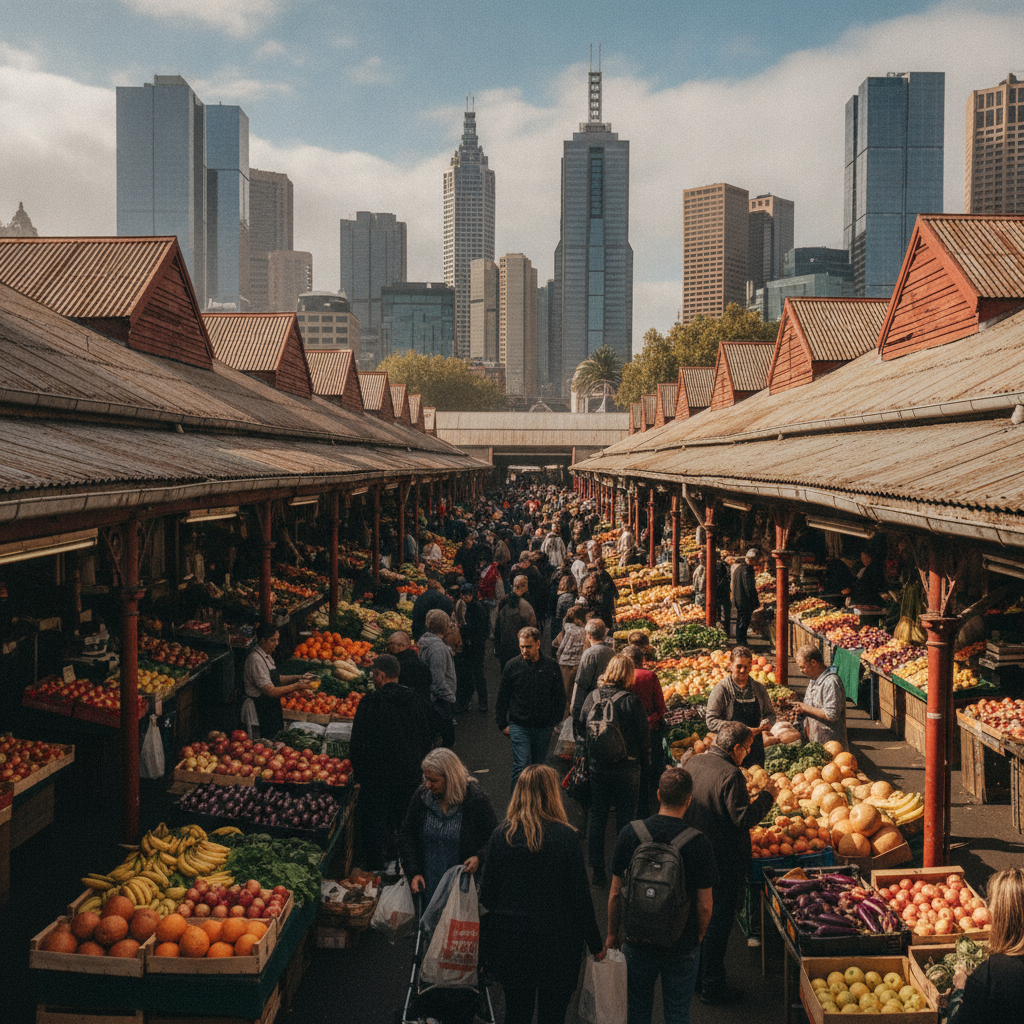
Melbourne: Flinders Street Station and Meeting Culture, Queen Victoria Market Living Heart, Royal Exhibition Building UNESCO Heritage, Kulin Nation Indigenous History, Melbourne versus Sydney Rivalry, and Complete Practical Guide
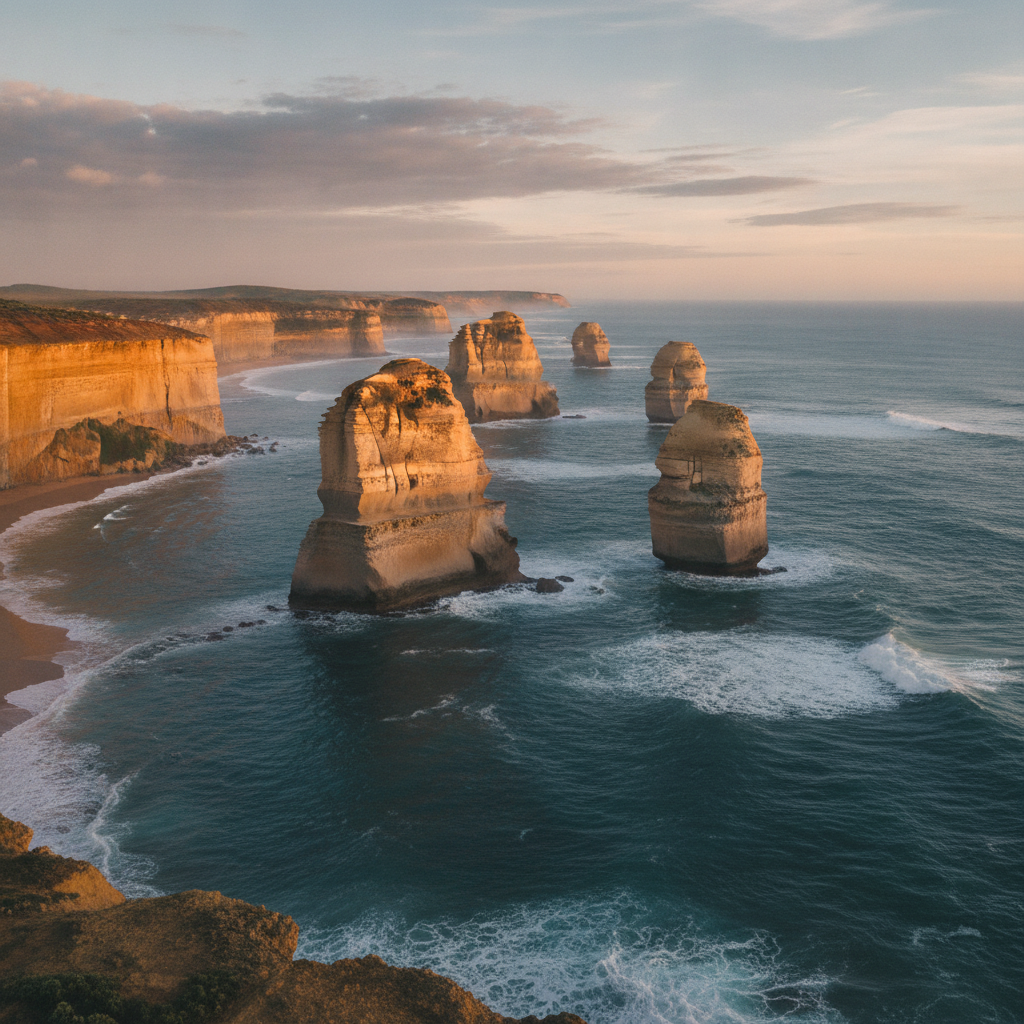
Melbourne: Great Ocean Road Complete Drive, Otways Rainforest and Cape Otway Lighthouse, Twelve Apostles at Sunrise, Grampians Rock Art and Waterfalls, Ballarat Gold Rush and Eureka Stockade, Five-Route Melbourne Assessment