Memphis: Elvis Legacy, Blues Roots and the Great Migration
Tour Graceland and the Elvis industry, learn W.C. Handy role in publishing the blues, explore Memphis new food scene, visit the Chucalissa Mississippian village, marvel at the Bass Pro Pyramid, and understand how Memphis shaped the Great Migration that transformed American cities.
- 1
Graceland and the Elvis Industry
Graceland, Elvis Presley home from 1957 until his death on August 16, 1977, opened for public tours in 1982 and has since welcomed over 20 million visitors from every country in the world. The mansion, on 13.8 acres on Elvis Presley Boulevard in Whitehaven, was purchased by Elvis in 1957 for 102,500 dollars. Elvis is buried in the Meditation Garden behind the house alongside his parents and grandmother. The Graceland complex has expanded to include a museum campus, two hotels, an airplane pavilion housing the Lisa Marie private aircraft, and an entertainment venue seating 6,300 people. Annual visitor spending related to Graceland contributes an estimated 150 million dollars to the Memphis economy. Authentic Brands Group purchased Graceland in 2023 for a reported 375 million dollars.
- 2
W.C. Handy and the Blues Birthplace Claim
W.C. Handy, born in Florence, Alabama in 1873, is called the Father of the Blues for his role in transcribing and publishing blues compositions for a mass market. His 1912 publication of Memphis Blues was the first blues song to be published as sheet music. Handy moved to Memphis in 1909 and worked as a bandleader on Beale Street. The W.C. Handy House Museum at 352 Beale Street, a small shotgun house where Handy lived, interprets his life and the moment when folk blues transitioned into a documented musical form. Handy Park on Beale Street contains a bronze statue of Handy with his cornet. The Memphis Blues as a musical designation predates the Chicago Blues and the Delta Blues by a decade, making Beale Street foundational to the entire lineage.
- 3
Memphis Food Trucks and Young Chef Scene
Memphis culinary scene beyond barbecue has diversified substantially since 2010, driven by young chefs returning to Memphis after training elsewhere and a food truck culture that developed after permitting reforms in 2012. The Memphis Food Truck Association coordinates a network of over 60 registered food trucks. The Cooper-Young neighborhood around Cooper Street and Young Avenue supports a concentration of independent restaurants, bars, and music venues that anchors the midtown dining scene. Memphis has produced James Beard Award nominees in recent years for chefs working in Southern fusion, Vietnamese, and contemporary American formats. The Memphis Farmers Market, operating downtown since 2006, connects urban restaurants and home cooks with West Tennessee growers.
- 4
Chucalissa Archaeological Site
Chucalissa Archaeological Site, operated by the University of Memphis on the Chucalissa bluff above the Mississippi River 10 miles south of downtown, preserves a Mississippian culture village occupied from approximately 1000 to 1550 AD. The site contains reconstructed platform mounds, a central plaza, and residential structures representing a community that may have reached 1,000 inhabitants at its peak. The C.H. Nash Museum at the site interprets Native American cultures of the Mid-South from Paleo-Indian through historic period. University of Memphis anthropology students conduct ongoing excavation at the site, making it one of the few active archaeological sites with public visitor access in the American South. The name Chucalissa comes from a Choctaw phrase meaning abandoned houses.
- 5
Memphis Pyramid and Bass Pro Shops
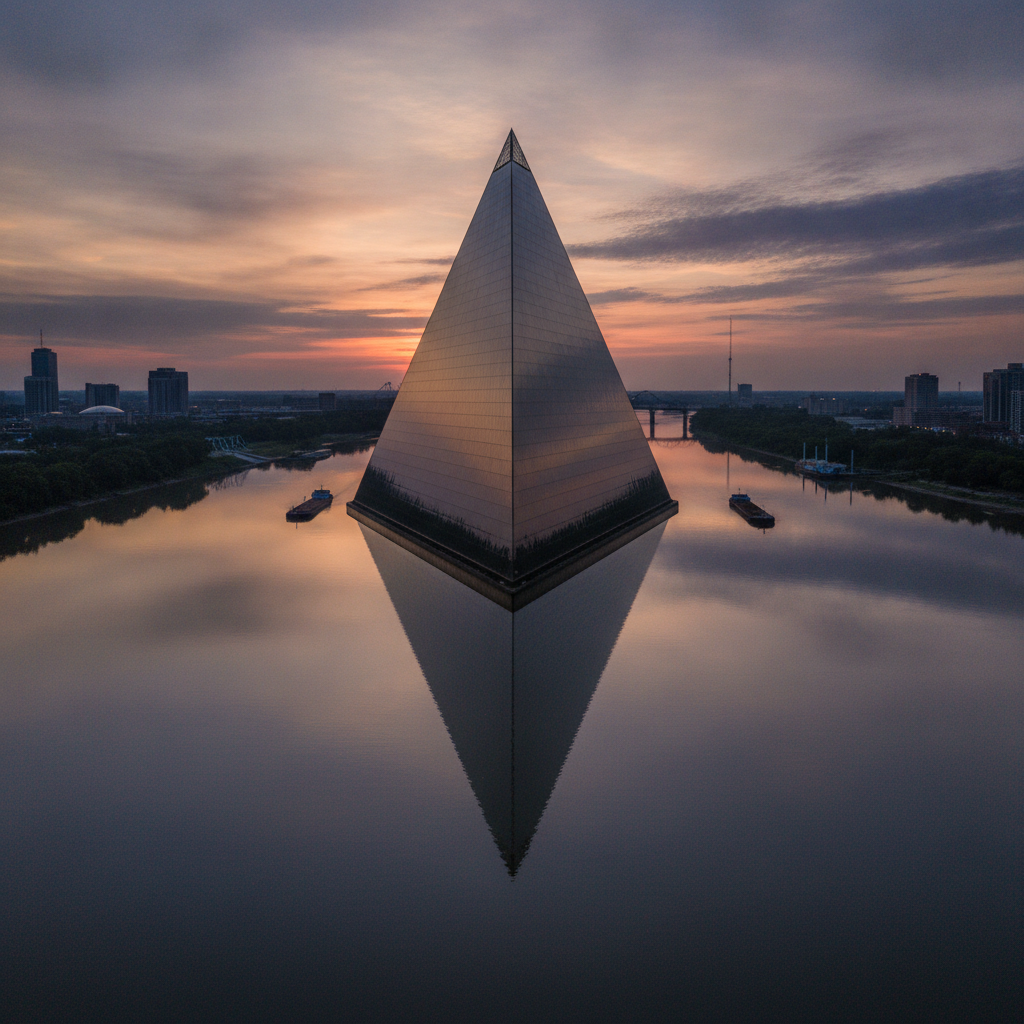
The Memphis Pyramid, a 32-story stainless steel structure rising 321 feet above the Mississippi River, was built in 1991 as an arena seating 20,000 people. It hosted professional basketball and concerts but closed in 2004 when FedExForum opened. Bass Pro Shops purchased the structure and reopened it in 2015 as the largest Bass Pro retail store in the world, incorporating a 100-room hotel, four restaurants, a bowling alley, an archery range, and a swamp with live alligators and fish. A transparent elevator runs up through the interior to an observation deck at the apex. The conversion cost 110 million dollars and became one of the most unusual adaptive reuse projects in American retail history, drawing visitors who come specifically to experience the building rather than shop.
- 6
Memphis and the Great Migration
Memphis served as a critical node in the Great Migration of African Americans from the rural South to northern cities between 1910 and 1970. Approximately 6 million Black Southerners left the region during this period seeking economic opportunity and escape from Jim Crow laws. Memphis train stations, particularly Central Station on South Main Street, were departure points for hundreds of thousands of migrants heading north on the Illinois Central Railroad to Chicago. The migration transformed Chicago, Detroit, and New York City culturally and politically while also carrying Memphis musical traditions, including blues and gospel, to northern cities where they cross-pollinated with jazz and eventually contributed to rhythm and blues, soul, and hip-hop. The Illinois Central line was so central to this movement that it was called the Soul Train long before Don Cornelius adopted the name for his television show.
Walk this route with audio
Stories play automatically as you reach each stop — no tapping needed.
More in Memphis
Memphis R3: Sanitation Strike (February 12 1968 65 days, Cole and Walker crushed in truck February 1, I Am a Man signs, King Mountaintop speech April 3 1968, Loeb capitulated April 16 after assassination), Rockabilly (Cash born 1932 died 2003, Jerry Lee Lewis died October 28 2022 last Sun Records survivor, Perkins Carl died 1998, Al Green pastor Full Gospel Tabernacle 1976 hot grits incident 1974), Soul food (Four Way Restaurant 1946 South Memphis MLK Civil Rights musicians, Gus Fried Chicken 1953 Napoleon Vanderbilt, Cozy Corner Raymond Robinson 1977), Neighborhoods (Midtown Cooper-Young Novel bookstore Cooper-Young Festival 110,000 September, Overton Park v Volpe 1971 Supreme Court landmark urban park protection, Orange Mound 1890 oldest Black-developed US neighborhood 45% poverty), Shelby Farms (1800 acres 3x Central Park 50km trails 30 bison, Greenline 10.65km rail-to-trail, Mississippi River Trail 3000km cycling headwaters Minnesota to Gulf), Architecture (Pink Palace Piggly Wiggly Saunders 1916 self-service grocery inventor went bankrupt 1923, Memphis Brooks Museum 9000 works 5000 years, Memphis Zoo panda Ya Ya repatriated April 2023, Autozone Park Triple-A Cardinals).
Memphis: Creative Districts, River Festivals and Living Music
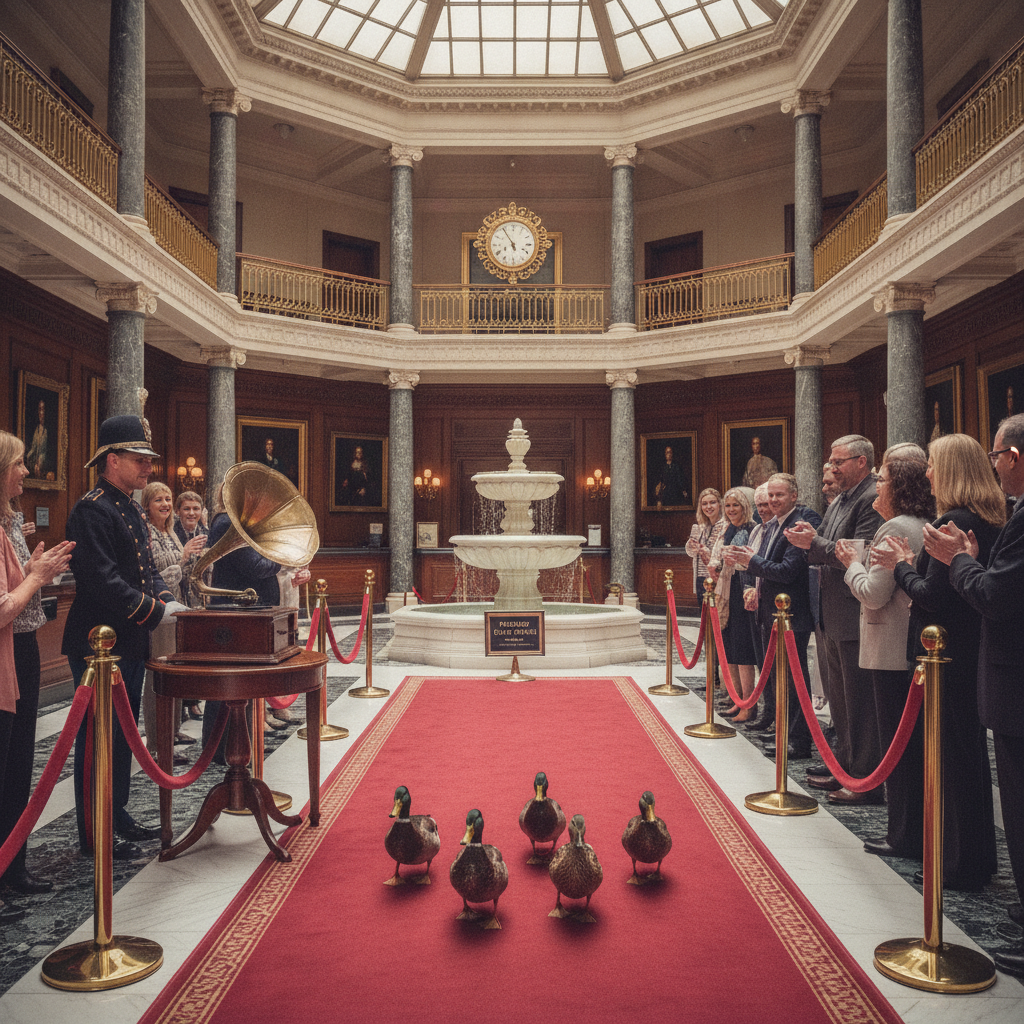
Memphis R4: Yellow fever epidemics (1873 1878 1879, 5000 dead 1878, population 40,000 to 14,000, municipal charter revoked 1879 operating as taxing district until 1893, Sisters St Mary Episcopal nursed dying, George Waring Memphis Sewer System 1880-1890 first modern US sanitary sewer), Cotton Exchange (84 Union Avenue, 2.2M bales/year 1920s-1930s, cotton compression 40% volume reduction, FedEx founded 1971 Frederick Smith MEM 4th busiest cargo world), Literature and film (Faulkner Oxford 100km south Memphis symbol of urban corruption in Sanctuary Sound and Fury, Guralnick Last Train to Memphis 1994 Careless Love 1999 finest rock biography, Hustle and Flow 2005 Craig Brewer Three 6 Mafia Oscar), African American history (Ida B Wells Memphis Free Speech 1889-1892 anti-lynching journalism exiled after mob destroyed office 1892 Pulitzer Prize 2020 posthumous, Robert Church Sr 1839 first Black millionaire South yellow fever real estate, Church Park 1899 first safe Black public gathering), Music economy (Beale Street USD 150M tourist economy cover bands, Soulsville Charter School 300 students South Memphis, Royal Studios 1320 Soul Avenue Willie Mitchell Al Green Hi Records, GloRilla born 2000 Memphis 2022 national attention, Julien Baker born 1995), Practical (MEM 4M passengers FedEx hub 4th cargo world, Peabody Hotel USD 300-450, April-May Memphis in May best season, 38C summer humidity).
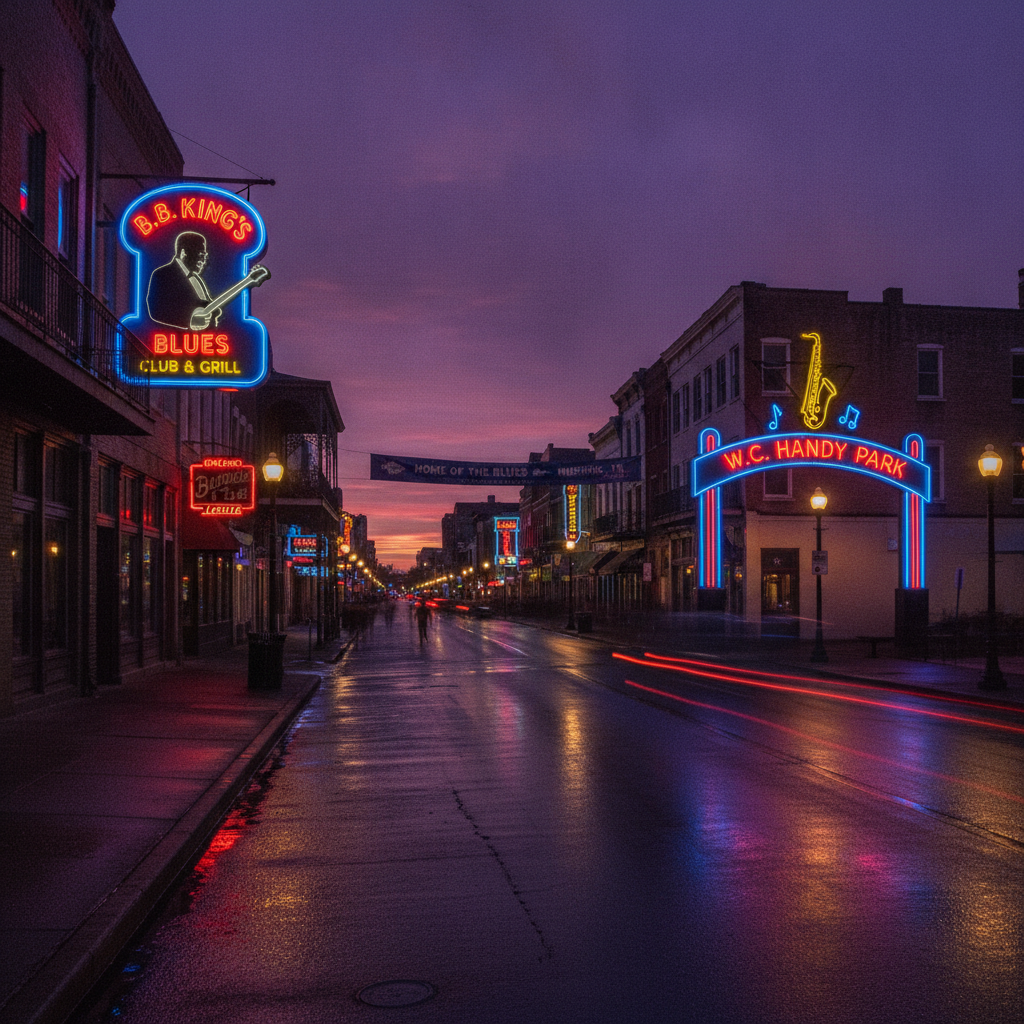
Memphis: Beale Street, Sun Studio, Stax Museum, National Civil Rights Museum, Graceland, and BBQ
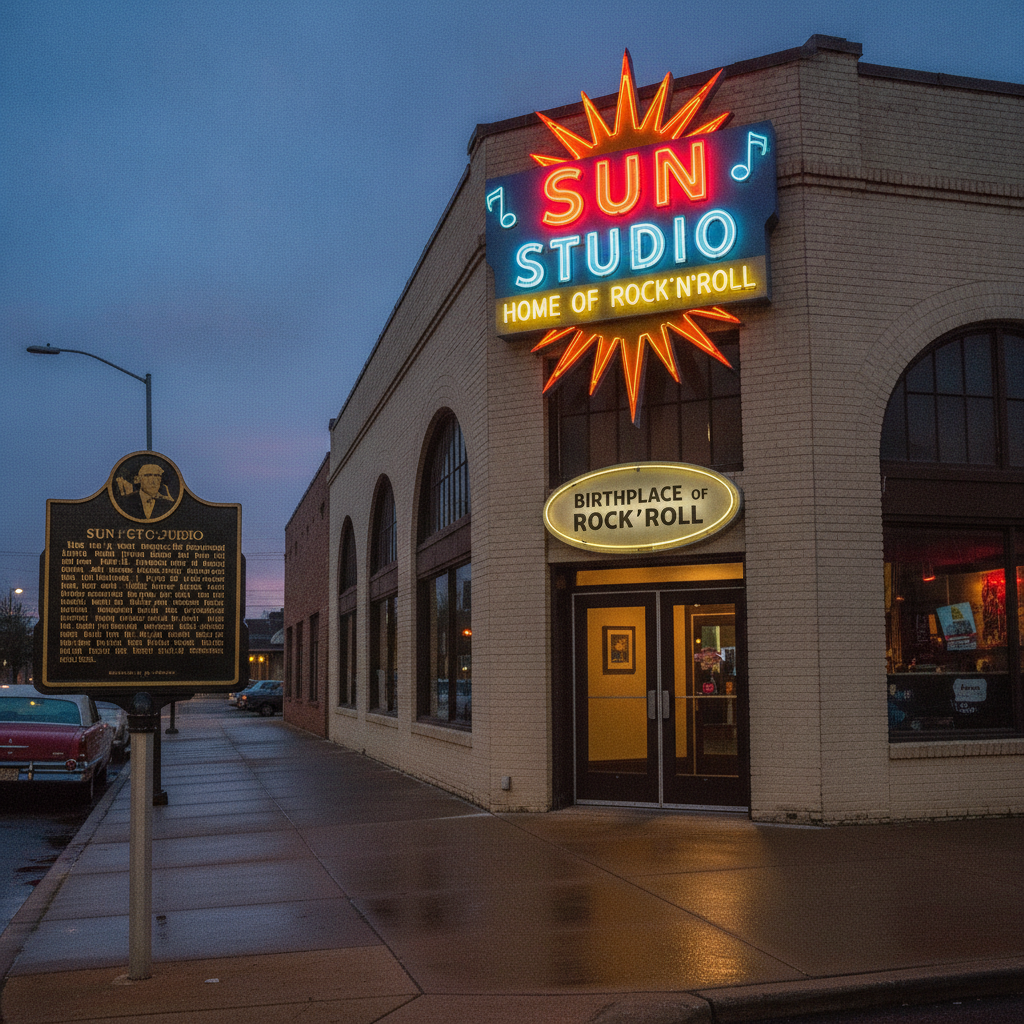
Memphis: River Science, Rock and Roll Origins and Medical Miracles