Mendoza Outdoor Adventure: Aconcagua, Rafting, Skiing, and the Andean Frontier
Mendoza is the gateway to some of the most dramatic outdoor adventure terrain in South America, combining the highest peak in the Americas with world-class white-water rafting on the Mendoza River, skiing on the Andes slopes, trekking in the Aconcagua Provincial Park, and the emerging adventure tourism infrastructure of the Uspallata Valley that connects the city to the Chilean border at the Cristo Redentor pass.
- 1
Aconcagua: Climbing the Roof of the Americas
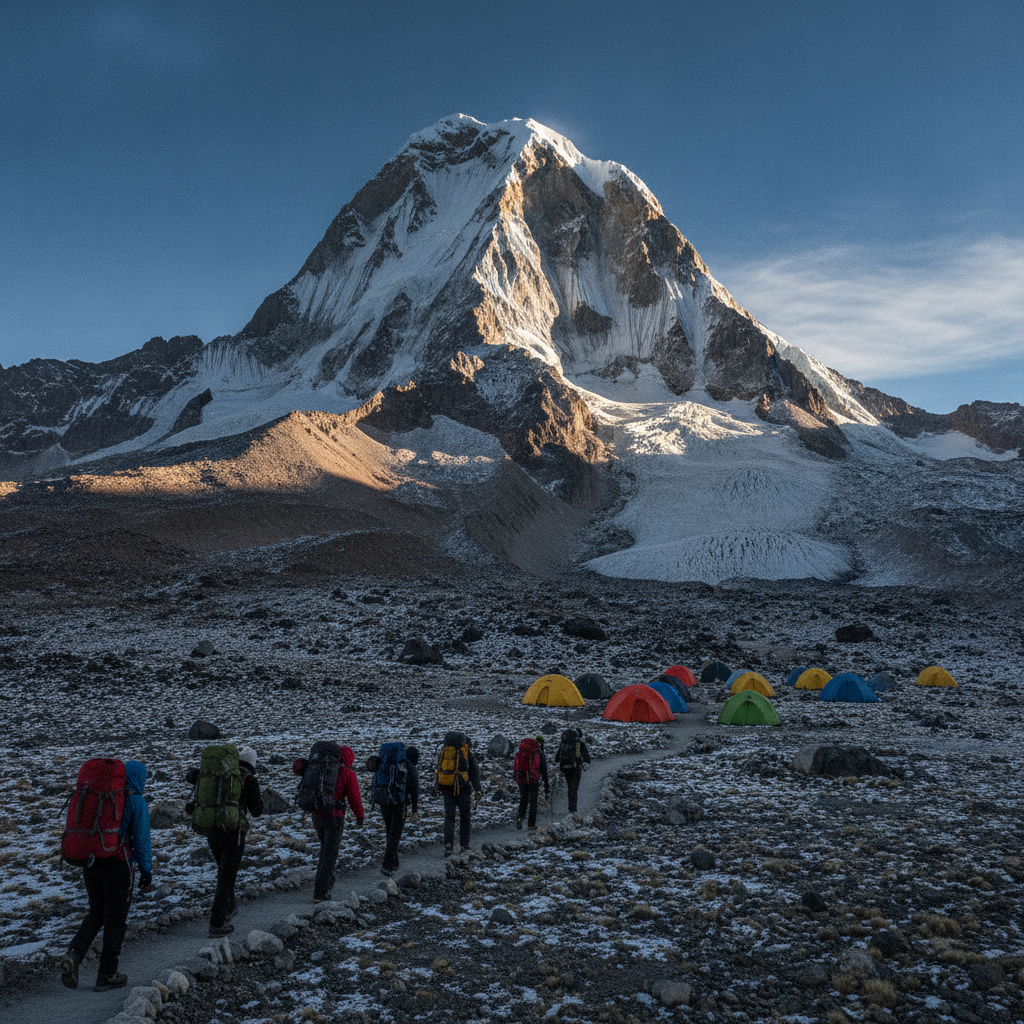
Aconcagua at 6,961 meters above sea level is the highest mountain outside of Asia and the most accessible of the Seven Summits by standard route, attracting approximately 3,500 summit attempts annually by climbers from around the world who range from elite alpinists attempting the challenging southern and Polish glacier routes to trekkers attempting the standard northwest ridge with no technical climbing required. The standard route ascent typically takes 17 to 22 days to complete from the park entrance at Horcones to the summit and back, with the extended timeline driven by the acclimatization requirements of high-altitude ascent rather than the technical difficulty of the climbing; rushing the ascent to save days is the most common cause of forced descents and medical evacuations. The base camp at Plaza de Mulas at 4,370 meters is a functioning community during the climbing season from November to March, with a ranger station, medical facility, and services for climbers; the arrival at base camp after a two-day approach trek from the park entrance is itself a significant accomplishment that provides views of the mountain's southwest face that are unavailable from any lower vantage point. The Aconcagua Provincial Park requires a climbing or trekking permit whose cost varies by season and activity, with high-season summit permits representing a significant expense that reflects the administrative and rescue infrastructure maintained by the provincial government. Non-climbers can experience the approach to Aconcagua through the shorter Confluencia trek, a two-day walk to the base camp below the southern face that provides dramatic mountain views without requiring overnight stays at altitude above the tent camp at 3,380 meters.
- 2
Mendoza River Rafting: Class III to V on the Andean Snowmelt
The Mendoza River, which descends from the Andean snowfields through a series of increasingly dramatic gorges before reaching the city and the wine valleys below, offers white-water rafting from beginner to expert level on a series of sections that become accessible at different stages of the meltwater season from October to April. The most popular section for visitor rafting combines Class III and IV rapids through the Cañon del Atuel gorge south of the city or the Mendoza River canyon north of the city, with guided half-day excursions that include equipment, transport, and instruction suitable for beginners with reasonable physical fitness. The expert-level rapids on the upper Mendoza River approach Class V during peak meltwater flows in December and January, requiring experience and technical paddling skills; specialist adventure operators offer guided expeditions on these sections for experienced paddlers. The combination of rafting on the Mendoza River with a visit to the Potrerillos reservoir, a large lake in the Andean foothills an hour from the city center, creates a full-day adventure that includes kayaking on the reservoir in addition to river rafting. The scenery along the Mendoza River canyon sections, with vertical rock walls of red and ochre stone rising above the turbulent water and condors occasionally visible overhead, is spectacularly different from the vineyard landscapes of the wine regions and provides a complete change of visual environment within a short drive from the city.
- 3
Las Lenas Ski Resort: Premier Powder Skiing in the Southern Andes
Las Lenas, located 440 kilometers south of Mendoza city in the Malargue department of southern Mendoza province at altitudes from 2,240 to 3,430 meters, is widely considered the best ski destination in South America and one of the top powder skiing destinations in the world, with a ski season from June to October that attracts northern hemisphere skiers seeking July and August snow when their home resorts are closed. The resort has a vertical drop of 1,200 meters and 35 trails covering 41 kilometers of marked skiing, but its reputation rests primarily on the extensive off-piste and backcountry terrain accessible from the lift system, particularly the Marte chair which accesses the steepest and most challenging terrain. The snow quality at Las Lenas during good snow years is exceptional because the continental climate of the eastern Andes creates conditions for the cold, dry powder snow that falls in large quantities from Pacific storm systems crossing the mountain range; in poor snow years the resort can be substantially closed and the long journey from Mendoza city or Buenos Aires may be wasted. The resort village is compact and self-contained, with accommodation ranging from basic dormitory beds to comfortable hotel apartments, a small selection of restaurants and bars, and a lively apres-ski scene that is predominantly Argentine and Chilean in character. Getting to Las Lenas from Mendoza city requires either a six-hour bus journey or a domestic flight to Malargue followed by a transfer; the distance and travel time have limited the resort to the most committed skiing visitors but have also preserved its uncommercial and authentic character.
- 4
Uspallata Valley and the Road to Chile: High Andean Landscapes
The Uspallata Valley, following the national route 7 west from Mendoza city through the Andean foothills and the high cordillera to the Chilean border at Paso Los Libertadores, is the primary overland route between Argentina and Chile and one of the most dramatic mountain road journeys in South America. The town of Uspallata, situated in a small valley at 1,751 meters surrounded by the first serious Andean ranges, serves as the primary base for trekking and mountain biking in the inner Andes and has a frontier character reflecting its position as the last significant settlement before the high mountain crossings. The Puente del Inca, a natural rock bridge formed by mineral deposits over a hot spring on the river, is one of the most unusual geological formations in the Mendozan Andes and gives its name to a ruined hotel complex abandoned after an avalanche in the 1960s; the mineral-stained ruins and the natural bridge together create a surreal landscape that is unlike anything else on the route to Chile. The Laguna de los Horcones near the Aconcagua park entrance is a glacial lake with views directly toward the south face of Aconcagua, which rises from the desert valley floor in one of the most dramatic near-vertical profiles of any major mountain; the viewpoint is accessible within 45 minutes of walking from the park entrance and requires no permit for the distance needed to reach the lake. The border crossing at Christ the Redeemer Pass, where the Cristo Redentor statue marks the international boundary at 3,832 meters, is now passed through the road tunnel beneath rather than over the pass, but the detour to the actual pass provides views across both the Argentine and Chilean Andes that reward the additional driving time.
- 5
Horseback Riding and Gaucho Culture in the Mendoza Countryside
The gaucho tradition of the Argentine pampas and Cuyo region, centered on the skilled horsemanship and pastoral lifestyle of the cattle and goat herding communities of the provincial countryside, provides an authentic cultural dimension to the Mendoza visitor experience through the estancias and rural properties that offer horseback riding, asado, and folk music programs in the landscape surrounding the wine regions. Riding through the vineyard landscapes of Maipú and Luján de Cuyo on well-trained Argentine horses, accompanied by gaucho guides who know the rural tracks and property boundaries of the agricultural landscape, provides an experience of the wine country that is physically engaging and temporally unhurried in a way that car-based winery visits cannot replicate. The foothill landscape above the wine zones, where the vineyards give way to the scrub and rock of the pre-Andean ranges, offers more challenging horseback terrain through quebrada canyons and ridge trails with expansive views; half-day and full-day excursions into this terrain are organized by the adventure operators based in Mendoza city and Potrerillos. The annual gaucho festival in Luján de Cuyo celebrates the traditional pastoral culture of the Cuyo region with horse displays, folk dancing, asado competitions, and craft markets that provide a window into a way of life that has continued with relatively little change across multiple generations. The combination of horseback riding in the afternoon with a winery visit in the morning creates a day that encompasses the two most distinctive dimensions of the Mendozan landscape and culture without feeling like an itinerary of competing tourist attractions.
- 6
Mendoza Practical Guide: Climate, Getting There, and Base City Logistics
Mendoza receives approximately 300 days of sunshine annually and has a semi-arid climate with very low rainfall concentrated in summer thunderstorms; the best time to visit for the combination of wine tourism and outdoor activity is from October to April for summer warmth and maximum outdoor access, or May to September for the ski season and the harvest period of February to March. The city is served by El Plumerillo International Airport with direct flights from Buenos Aires taking approximately 90 minutes; several direct flights from other Argentine cities and some international connections from Santiago and Sao Paulo also serve the airport. Long-distance buses from Buenos Aires take approximately 14 hours and arrive at the central bus terminal adjacent to the city center; the journey on the Argentine sleeper bus system is comfortable and economical. The Mendoza city center is compact and walkable for the central area, but reaching the wine regions of Maipú, Luján de Cuyo, and the Valle de Uco requires transport by taxi, rental car, organized tour, or bicycle for the Maipú zone. Car rental is available at the airport and in the city center and is the most flexible option for independent exploration of the wine regions, though the Argentine drink-driving laws make planning around non-drinking designated drivers important for winery visits. The accommodation options in Mendoza city range from budget hostels in the center to excellent boutique hotels in the Godoy Cruz and Luján de Cuyo wine zones that are positioned within walking distance of premium wineries.
Walk this route with audio
Stories play automatically as you reach each stop — no tapping needed.
More in Mendoza
Mendoza Malbec Deep Dive: Varieties, Terroir, and Tasting Like a Sommelier
Mendoza Day Trips: Potrerillos, Villavicencio, Luján Hot Springs, and Malargue
Mendoza Birdwatching: Condors, Flamingos, and Andean Endemics
Mendoza Nightlife, Arts, and the Creative Cuyo Scene
Mendoza History: Huarpe People, Spanish Colonization, the 1861 Earthquake, and San Martin