Mendoza Day Trips: Potrerillos, Villavicencio, Luján Hot Springs, and Malargue
The landscape surrounding Mendoza city within a two-hour drive encompasses an extraordinary variety of terrain and experience, from the mountain reservoir of Potrerillos and the art nouveau hotel ruins of Villavicencio to the thermal baths of the Andean valleys and the remote volcanic landscapes of the Malargue department to the south.
- 1
Potrerillos Reservoir: Mountain Lake and Outdoor Recreation
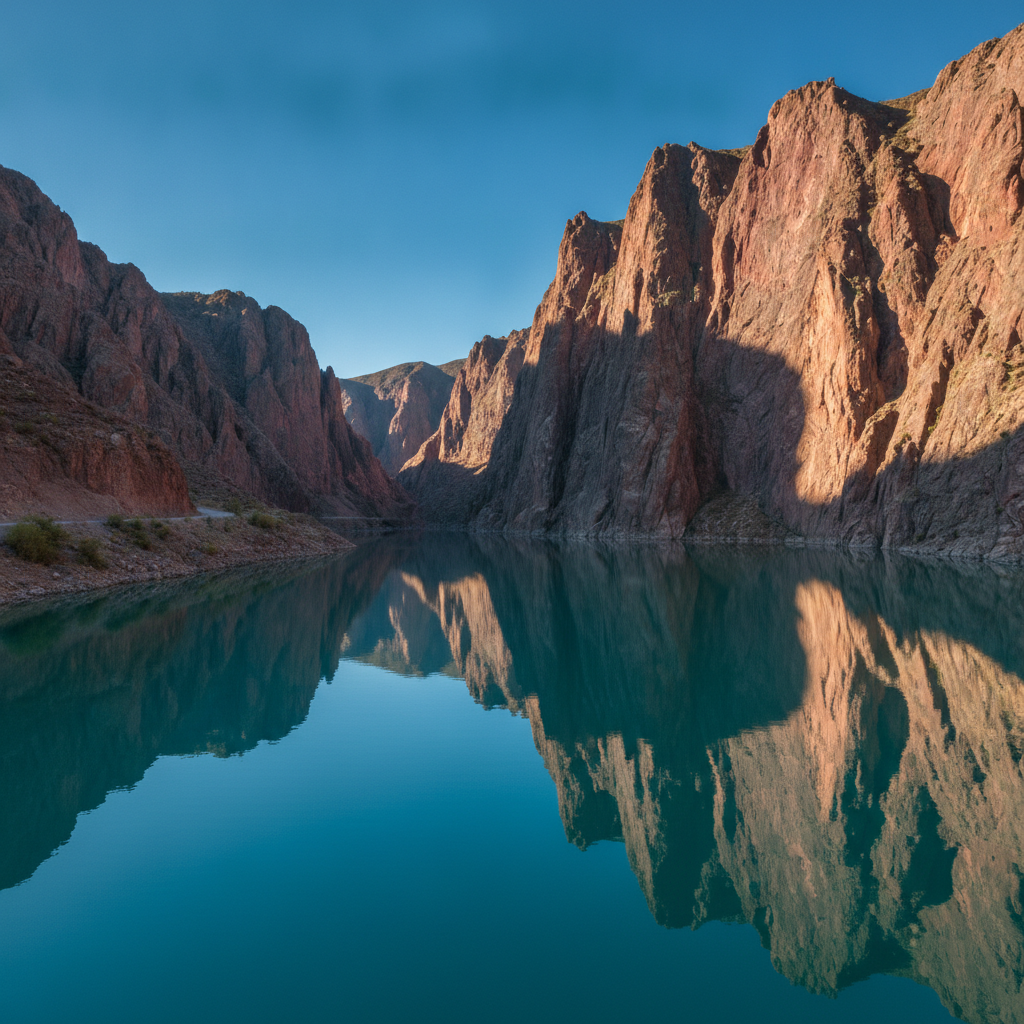
The Potrerillos reservoir, formed by the Potrerillos Dam on the Mendoza River in the Andean foothills 65 kilometers west of the city, is the primary outdoor recreation lake for Mendoza residents and the launch point for white-water rafting on the Mendoza River below the dam. The deep blue water of the reservoir reflects the surrounding mountain walls of red and grey rock, and the combination of lake kayaking, hiking on the surrounding ridges, and the basic resort village of Potrerillos creates a half-day or full-day excursion from the city. The drive from Mendoza to Potrerillos through the Mendoza River gorge, with the road carved into the canyon walls above the river, is one of the most scenic drives in the provincial road network and provides a gradual introduction to the Andean landscape before the reservoir is reached. Camping and basic accommodation in Potrerillos attract Argentine family groups seeking affordable mountain recreation; the area is busiest on summer weekends when the heat of the city makes the mountain lake particularly attractive.
- 2
Villavicencio: The Art Nouveau Ruins and the Condor Route
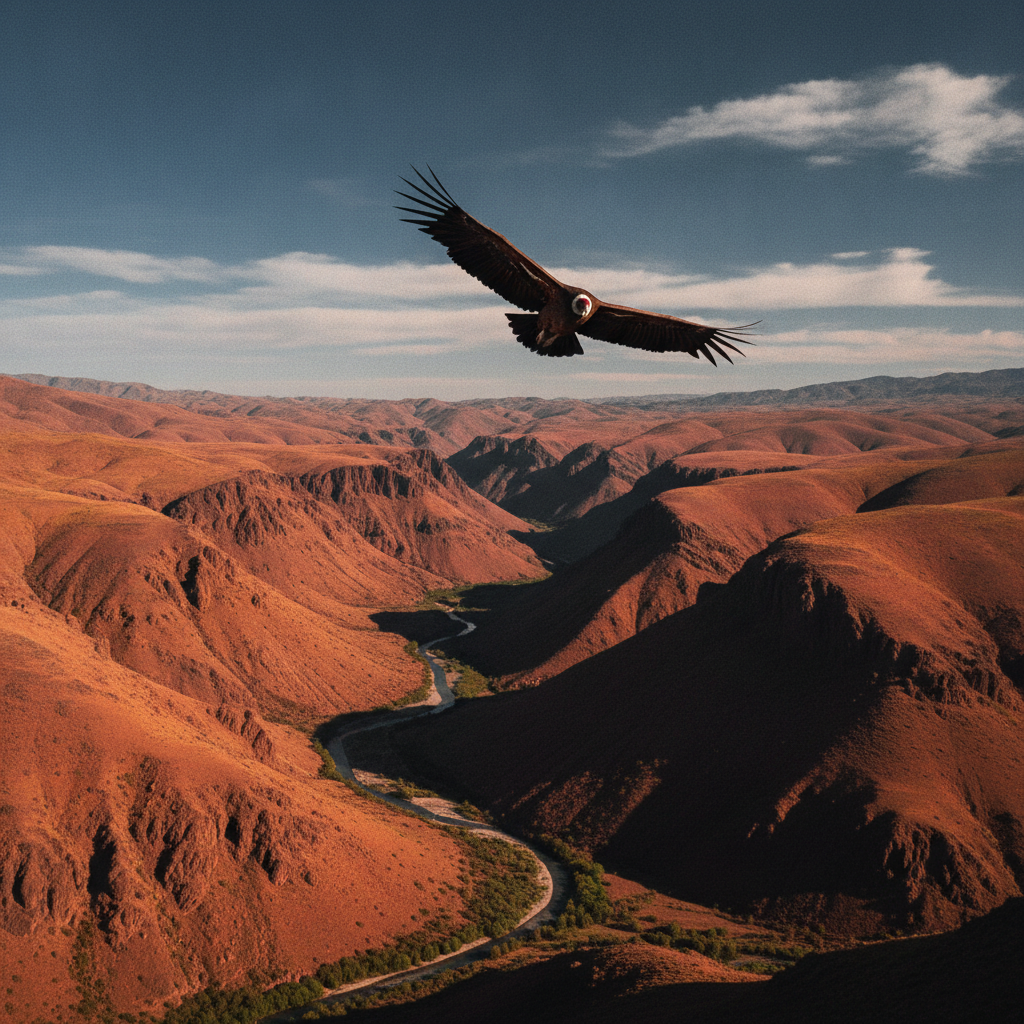
The Hotel Villavicencio, a large art nouveau building constructed in the 1940s at a hot spring resort in the Andean foothills 45 kilometers north of Mendoza, was abandoned in the 1970s and has since become a romantic ruin visible from the switchback mountain road that ascends above it to the high pampa. The spring water of Villavicencio is bottled commercially and distributed throughout Argentina under the Villavicencio brand; the bottling plant near the ruined hotel is the active industrial presence in an otherwise remote location. The road above Villavicencio, known as the Camino del Año or the Caracoles road, climbs through extraordinary mountain scenery of eroded sandstone formations and high-altitude desert vegetation to a viewpoint over the Cuyo plain that is one of the most dramatically situated road viewpoints in the province. Condors are regularly observed soaring on the thermals above the Villavicencio valley, making this the most reliable location near Mendoza city for seeing the Andean condor in flight; the birds are most active in the morning hours before midday when the thermals develop fully.
- 3
Cacheuta Hot Springs: Thermal Baths in the Andean Canyon
The thermal baths at Cacheuta, situated in the Mendoza River canyon approximately 40 kilometers west of the city at the site of a hot spring that has been known since the pre-Columbian period, offer outdoor thermal pool bathing with views of the surrounding canyon walls in a setting that combines natural immersion with basic resort amenities. The Cacheuta Hotel and Spa, the most developed thermal facility in the Mendoza Andes, has multiple pools at different temperatures, a riverside pool adjacent to the Mendoza River, and accommodation for overnight stays; day access is available for visitors from the city who combine the thermal experience with the Potrerillos drive. The combination of the cold Andean air and the warm thermal water creates a particularly pleasant bathing experience during the autumn and winter months when the canyon is cool and the contrast between air and water temperatures is greatest. Less developed hot springs in the same canyon system offer more rustic outdoor bathing without formal infrastructure, accessible to visitors with four-wheel drive vehicles willing to navigate rough access tracks.
- 4
Valle de Uco Day Trip: Winery Lunches and Volcanic Landscapes
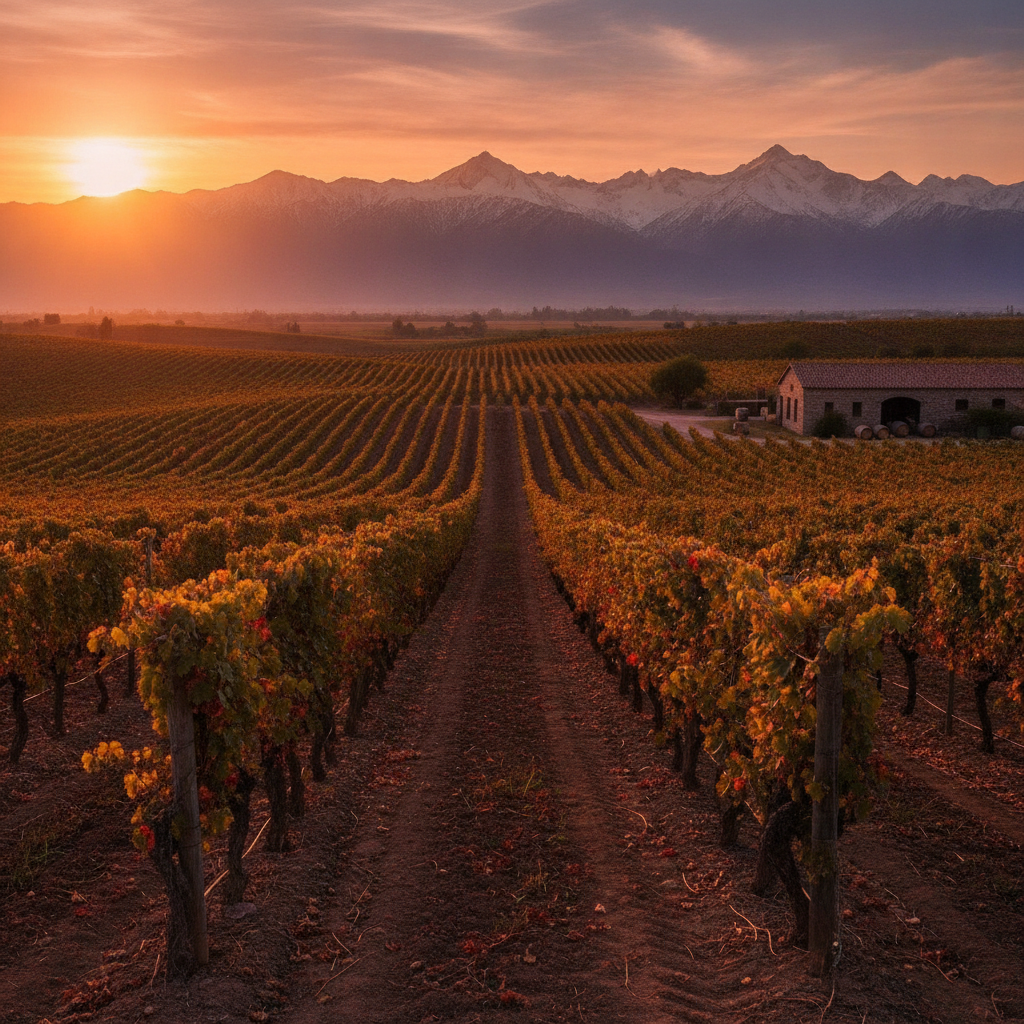
The Valle de Uco, 90 kilometers south of Mendoza city through the wine-producing valleys of Luján de Cuyo, is most commonly visited as a day trip for wine tourists who book in advance for the estate lunch experiences at the premium wineries. The Zuccardi winery lunch is among the most sought-after reservations in Argentine wine tourism and requires advance booking several weeks in advance during the peak season; the combination of local ingredients, estate wines, and the architectural setting of the winery makes the meal one of the most complete expressions of Mendozan food and wine culture. The volcanic landscape of the Tupungato volcano visible from the Valle de Uco vineyards, with the glacier on the northeastern face of the 6,550-meter peak providing the snowmelt that irrigates the valley, adds a geological dimension to the wine tourism experience that is unique to this high-altitude growing zone. The return journey to Mendoza city through the Tunuyán valley at sunset, with the vineyard rows and the mountain backdrop catching the golden hour light, provides the most photogenic landscapes of the Cuyo wine country.
- 5
Malargue: Volcanism, Caves, and the Southern Mendoza Frontier
Malargue, a small city 370 kilometers south of Mendoza in the remote southern department of the province, is the gateway to one of the most geologically dramatic and undervisited landscapes in Argentina, combining active volcanic systems, lava fields, salt flats, and the extraordinary La Payunia provincial reserve. The La Payunia reserve contains the highest concentration of volcanic cones in the world, with more than 800 individual cinder cones visible from the reserve roads, alongside lava flows of different ages that create a landscape of stark geological variety. The Caverna de las Brujas, a limestone cave system south of Malargue, contains stalactites, stalagmites, and underground rivers accessible through guided tours; the cave is considered one of the most beautiful cave systems in South America. The Pozo de las Animas, two circular crater lakes formed by the collapse of underground limestone cavities, are visible from the highway south of Malargue and represent a geological curiosity accessible without a permit or guide. Las Lenas ski resort, the most demanding ski destination in South America, is accessed from Malargue during the winter season and is the primary reason most international visitors make the journey to this remote corner of the province.
- 6
San Rafael and Cañon del Atuel: The Southern Wine Town and Canyon
San Rafael, 230 kilometers south of Mendoza city in the Diamante River valley, is the second wine region of Mendoza province and a comfortable base city with a more provincial and less tourist-oriented character than the capital. The wineries of San Rafael, particularly the Champañera Valentín Bianchi known for its sparkling wine production, offer a more intimate and accessible wine tourism experience than the flagship estates of Luján de Cuyo. The Cañon del Atuel, the river gorge carved by the Atuel River through the volcanic and sedimentary rock of the southern Mendoza Andes, is one of the most dramatic canyon landscapes in Argentina and is the primary outdoor recreation destination of the San Rafael area. The gorge is accessed through a series of reservoirs whose colored waters reflect the mineral content of the surrounding rocks, and a circuit of approximately 70 kilometers follows the gorge through its most dramatic sections with multiple viewpoints, rapids accessible for kayaking and rafting, and archaeological sites with rock art left by pre-Columbian inhabitants. The combination of San Rafael wine tourism and the Cañon del Atuel outdoor experience creates a two-day excursion from Mendoza city that introduces a substantially different landscape and wine culture from the main tourist circuit of the capital.
Walk this route with audio
Stories play automatically as you reach each stop — no tapping needed.
More in Mendoza
Mendoza Malbec Deep Dive: Varieties, Terroir, and Tasting Like a Sommelier
Mendoza Birdwatching: Condors, Flamingos, and Andean Endemics
Mendoza Nightlife, Arts, and the Creative Cuyo Scene
Mendoza Outdoor Adventure: Aconcagua, Rafting, Skiing, and the Andean Frontier
Mendoza History: Huarpe People, Spanish Colonization, the 1861 Earthquake, and San Martin