Mendoza Practical Guide: Getting There, Neighborhoods, Seasons, and Argentina Circuit
Mendoza is one of the most straightforward Argentine cities to visit as a standalone destination or as part of a broader Argentine circuit, with good transport connections to Buenos Aires and the Chilean capital Santiago, a compact and walkable city center, and a well-organized wine tourism infrastructure that makes it accessible to first-time visitors without specialized knowledge.
- 1
Getting There: Flights, Buses, and the Santiago Connection
El Plumerillo International Airport receives direct flights from Buenos Aires Aeroparque and Ezeiza, with frequency varying from multiple daily flights on the Aerolineas Argentinas and LATAM trunk route to less frequent services by budget carriers; the flight from Buenos Aires takes approximately 90 minutes. The international connection to Santiago de Chile is served by direct flights taking approximately one hour, making Mendoza a natural transit point for the Argentina-Chile combination that is one of the classic South American travel routes. Long-distance buses from Buenos Aires to Mendoza take approximately 14 hours on the excellent Argentine sleeper bus system and arrive at the central bus terminal adjacent to the city center on Avenida Gobernador Videla; the cost advantage over flying is significant and the overnight journey allows productive travel time. The overland crossing from Santiago to Mendoza via the Cristo Redentor tunnel takes approximately six hours by bus or private car depending on the border crossing queues, which can extend to several hours during peak holiday periods; the journey through the Andes on the Argentine side is scenically spectacular. The Mendoza bus terminal is one of the most organized in Argentina, with clear platform signage, luggage storage facilities, and a range of services including restaurants and shops that make arrival and departure logistics straightforward.
- 2
Neighborhoods: Where to Stay in Mendoza
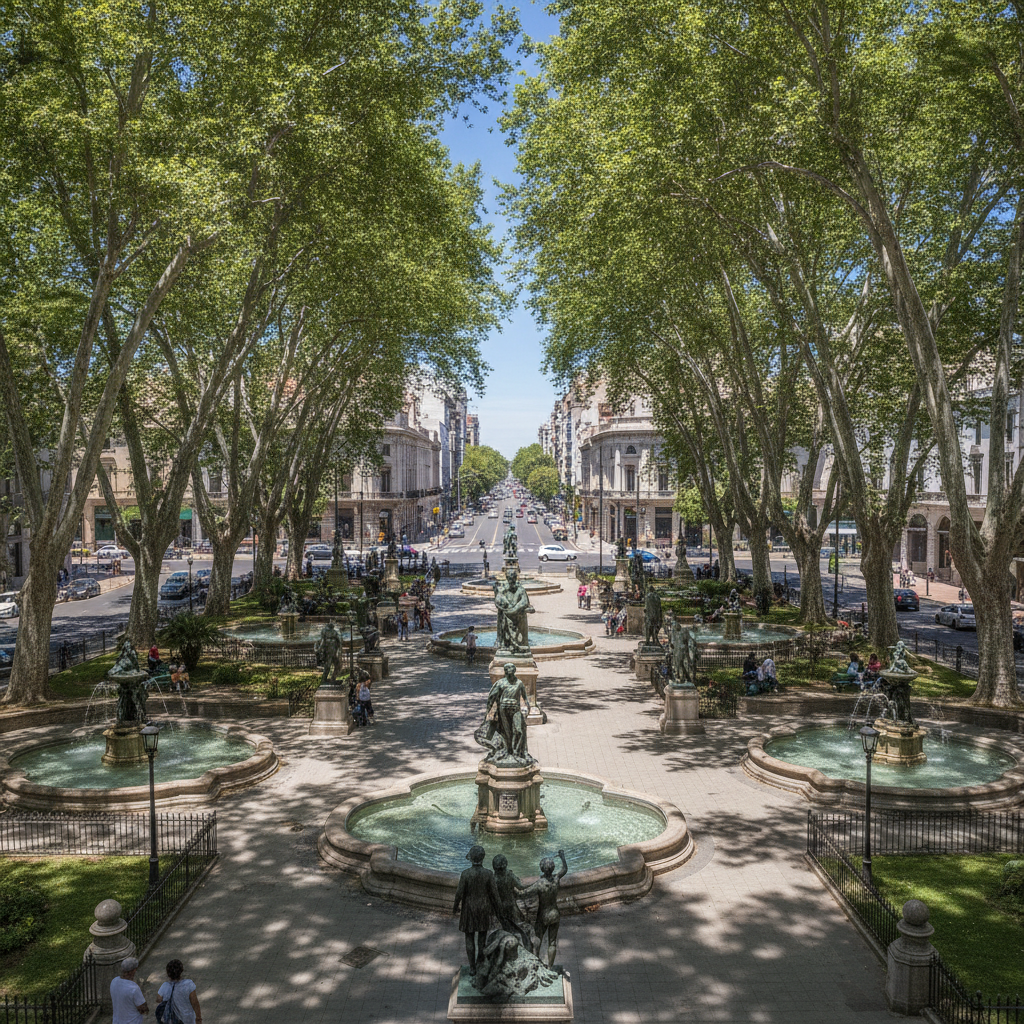
The city center neighborhood surrounding Plaza Independencia and the Sarmiento pedestrian street is the most convenient base for visitors without a car who want to walk to museums, restaurants, and the main urban attractions; accommodation ranges from budget hostels to mid-range hotels in this area. The Godoy Cruz neighborhood immediately south of the city center has a more residential character with a concentration of mid-range and boutique hotels that provide easy access to both the city center and the Luján de Cuyo wine zone by taxi or rideshare. The Chacras de Coria suburb in Luján de Cuyo, a village of wine-related restaurants, boutique hotels, and the estates of wealthy Mendozan families, is the most comfortable and pleasant base for visitors primarily interested in wine tourism; the trade-off is distance from the city center, which requires transport for cultural and nightlife activities. The Aristides Villanueva area, the nightlife and bar street, has a concentration of accommodation suited to younger visitors who prioritize proximity to the social scene over wine country access. The upscale residential neighborhoods of Quinta Sección and the areas adjacent to the Parque General San Martin combine proximity to the park, the urban amenities of the center, and a quiet residential character that appeals to visitors seeking a relaxed urban base.
- 3
When to Visit: Harvest, Vendimia, and the Seasonal Calendar
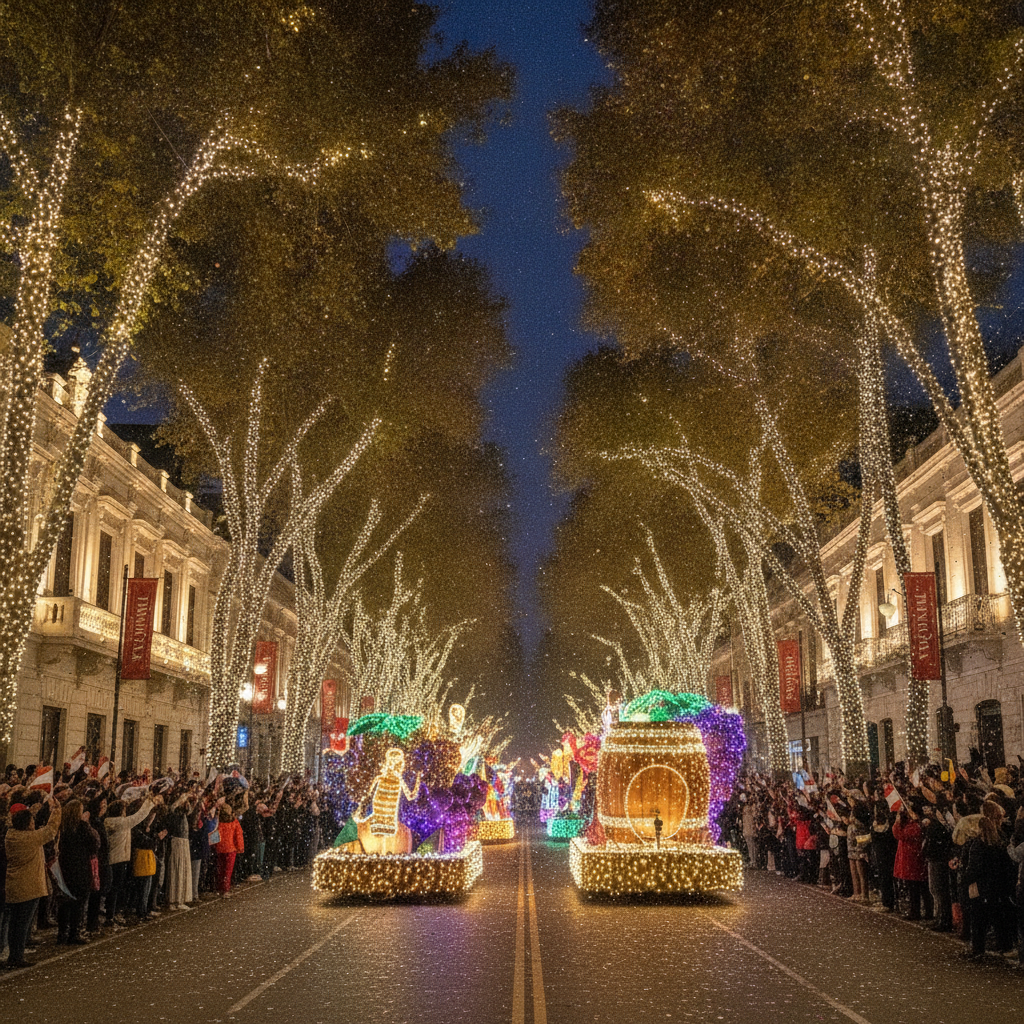
The ideal time to visit Mendoza depends on the primary motivation for the trip: the wine harvest season from February to April offers the excitement of the Vendimia festival, active cellar operations at the wineries, and the warmth of late summer; the spring season from September to November brings the flowering of the vines and the almond and fruit orchards of the Cuyo, providing spectacular blossom landscapes. The summer months of December and January are the hottest period with temperatures occasionally exceeding 40 degrees Celsius in the city, but the mountains are at their most accessible for trekking and the Aconcagua climbing season is at its peak; the wine regions are cooler than the city due to elevation. Winter from June to August is the ski season at Las Lenas and the time of the lowest tourist prices and least crowded winery visits; the city is cold but pleasant for urban exploration and the clarity of the winter air provides the best visibility for Andean views. The shoulder months of April to May and September offer the most comfortable temperatures for outdoor activity, moderate crowds at the wineries, and the best photography light for the vineyard landscapes. The Vendimia festival dates in late February to early March should be booked well in advance as accommodation fills throughout the province for the festival period.
- 4
Currency, Costs, and the Argentine Economic Context
Argentina's complex exchange rate environment, characterized by official and parallel exchange rates that can differ significantly, has significant practical implications for visitors to Mendoza who may find the effective cost of the visit very different depending on how they access Argentine pesos. Travelers who exchange hard currency at the parallel market rate, which has been legal since the Argentine government's exchange rate reforms, find that Mendoza is one of the most cost-effective wine tourism destinations in the world, with premium winery experiences, fine restaurant meals, and comfortable accommodation available at prices that would be a fraction of what equivalent experiences cost in comparable destinations in France, Italy, or California. The ATM system in Argentina dispenses pesos at the official rate, which may be less favorable; exchanging cash at authorized exchange houses or through bank transfers at the current legal market rate provides better value. The relative cost of different activities in Mendoza varies considerably: the Argentine national park fee for Aconcagua is priced in US dollars and must be paid in hard currency, while local restaurants, transport, and informal activities are priced in pesos. Tipping culture in Mendoza follows the national convention of approximately 10 percent at restaurants; winery tour guides appreciate tips of a similar proportion for good service.
- 5
Mendoza in the Argentina Circuit: Buenos Aires, Patagonia, and the Chilean Option
Mendoza fits naturally into several classic Argentine travel circuits that take advantage of the country's extensive internal flight and bus network. The Buenos Aires to Mendoza to Bariloche circuit, combining the cosmopolitan capital with the wine capital and the Lake District, is the most popular domestic tourism route and can be completed in 10 to 14 days with comfortable pacing. The Chile extension, crossing from Mendoza to Santiago and continuing to Chilean Patagonia or north to Atacama, creates a trans-Andean circuit that encompasses the full range of Andean landscapes from desert to temperate forest to ice fields. The northern Argentina extension, continuing from Mendoza north to Salta and the Quebrada de Humahuaca through the wine regions of San Juan and La Rioja, creates an extended northwest circuit that covers the most dramatic arid landscapes of Argentina. The southern extension from Mendoza to San Rafael and Malargue, continuing to Neuquen and the Lake District via National Route 40 along the Andes front, follows the legendary Ruta 40 through some of the emptiest and most dramatic landscapes of Argentine Patagonia. The Chilean comparison for wine tourists, crossing the Andes to visit the Casablanca and Colchagua valleys of Chilean wine country before returning to Mendoza, creates a comparative wine experience that illuminates the differences between Argentine Malbec-dominated production and Chilean Cabernet Sauvignon and Carmenere traditions in the same Andean mountain context.
- 6
Safety, Health, and Practical Tips for the Mendoza Visit
Mendoza is one of the safer provincial capitals in Argentina, with a lower rate of street crime than Buenos Aires and a well-established tourist infrastructure that has generally positive safety standards. The standard urban precautions of not displaying expensive equipment ostentatiously, using registered taxis or rideshare rather than hailing street taxis, and being aware of surroundings in the bus terminal area apply as in any Argentine city. The altitude of the Mendoza region becomes a significant health consideration only for those venturing into the high Andes for trekking or climbing; the city itself at 750 meters presents no acclimatization challenge. Sun protection is essential at Mendoza's latitude and altitude, where UV radiation is significantly more intense than at sea level; sunscreen of high protection factor, hat, and sunglasses are practical necessities for outdoor activity rather than optional additions. The medical infrastructure in Mendoza is adequate for most visitor health needs, with several private hospitals and clinics in the city center and Godoy Cruz area that provide English-speaking staff; the Hospital Español and the Clínica de Cuyo are the most recommended private facilities. Travel insurance with medical coverage and repatriation is advisable for visitors planning high-altitude trekking or mountaineering, as evacuation from the Aconcagua area is expensive and the park authorities require proof of insurance for climbing permits.
Walk this route with audio
Stories play automatically as you reach each stop — no tapping needed.
More in Mendoza
Mendoza Malbec Deep Dive: Varieties, Terroir, and Tasting Like a Sommelier
Mendoza Day Trips: Potrerillos, Villavicencio, Luján Hot Springs, and Malargue
Mendoza Birdwatching: Condors, Flamingos, and Andean Endemics
Mendoza Nightlife, Arts, and the Creative Cuyo Scene
Mendoza Outdoor Adventure: Aconcagua, Rafting, Skiing, and the Andean Frontier