Merv Gyaur Kala Hellenistic and Parthian City
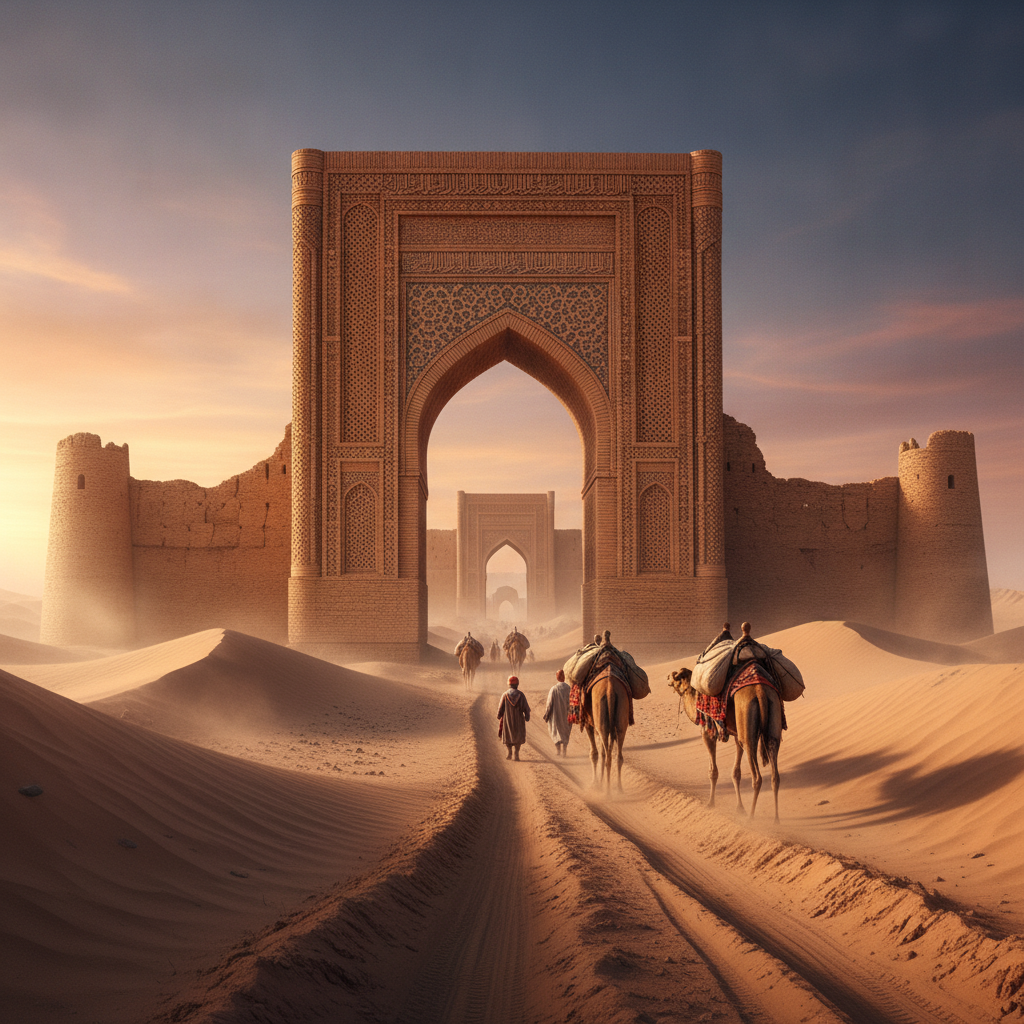
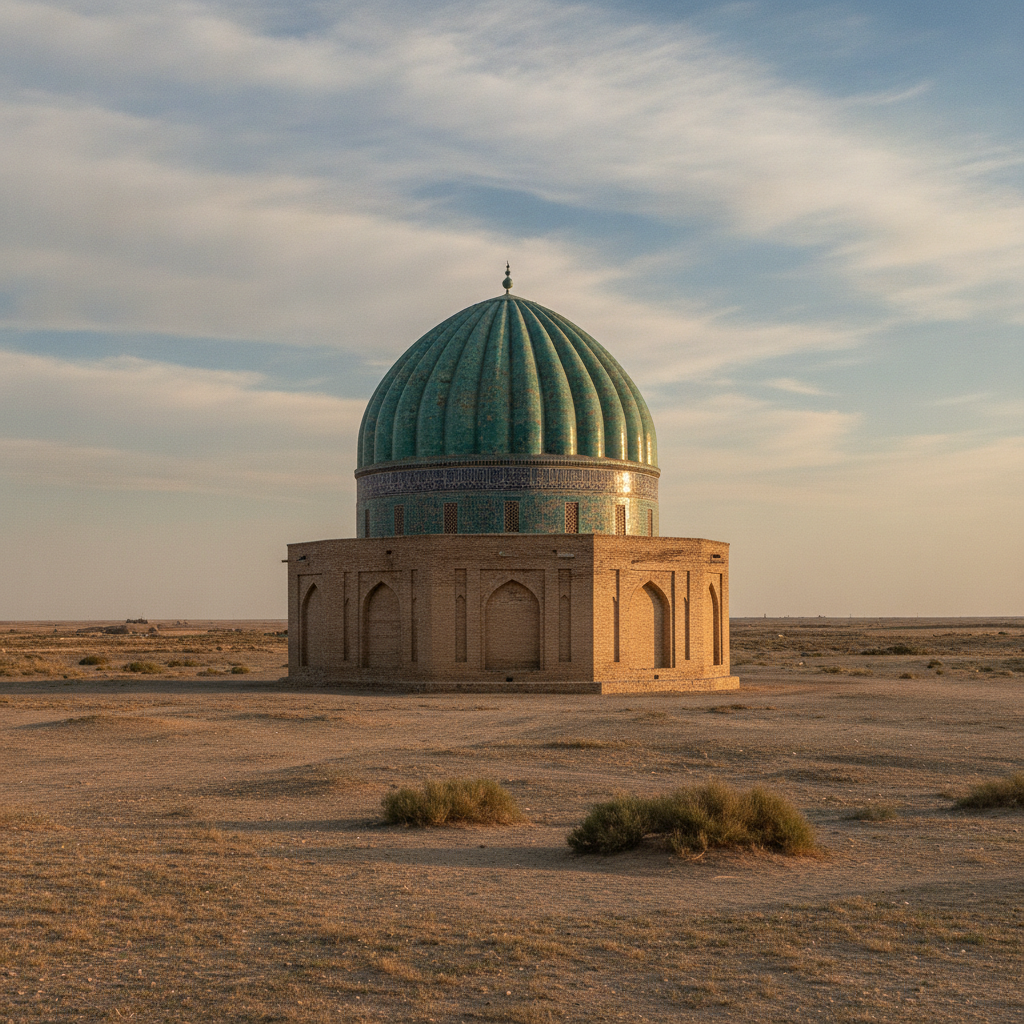
Explore Gyaur Kala — the large rectangular city enclosure established in the Hellenistic period after Alexander the Great's conquest, occupied through the Seleucid, Parthian, and Sasanian periods until the Arab Islamic conquest in 651 CE, the 3-kilometer square enclosure preserving traces of the Buddhist, Zoroastrian, and Christian communities that coexisted in pre-Islamic Merv.
- 1
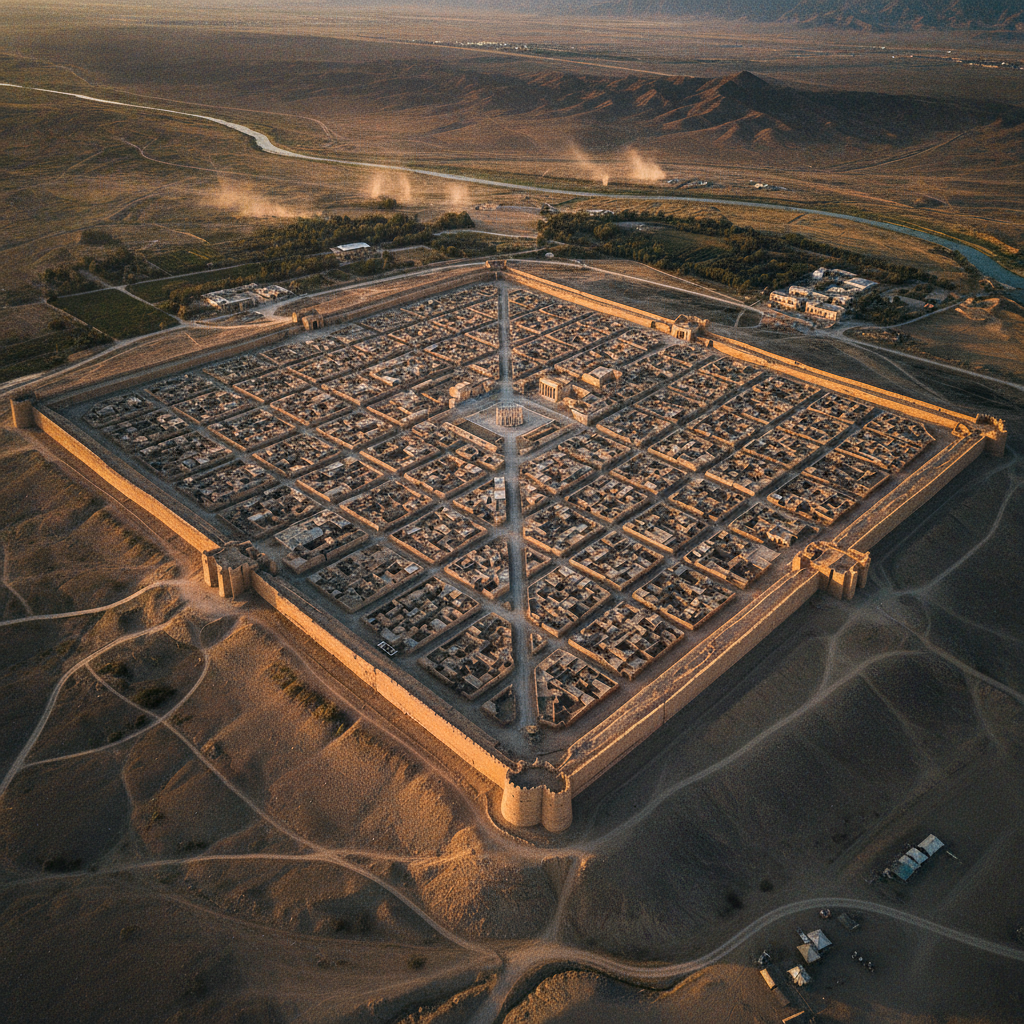
Gyaur Kala Rectangular Enclosure
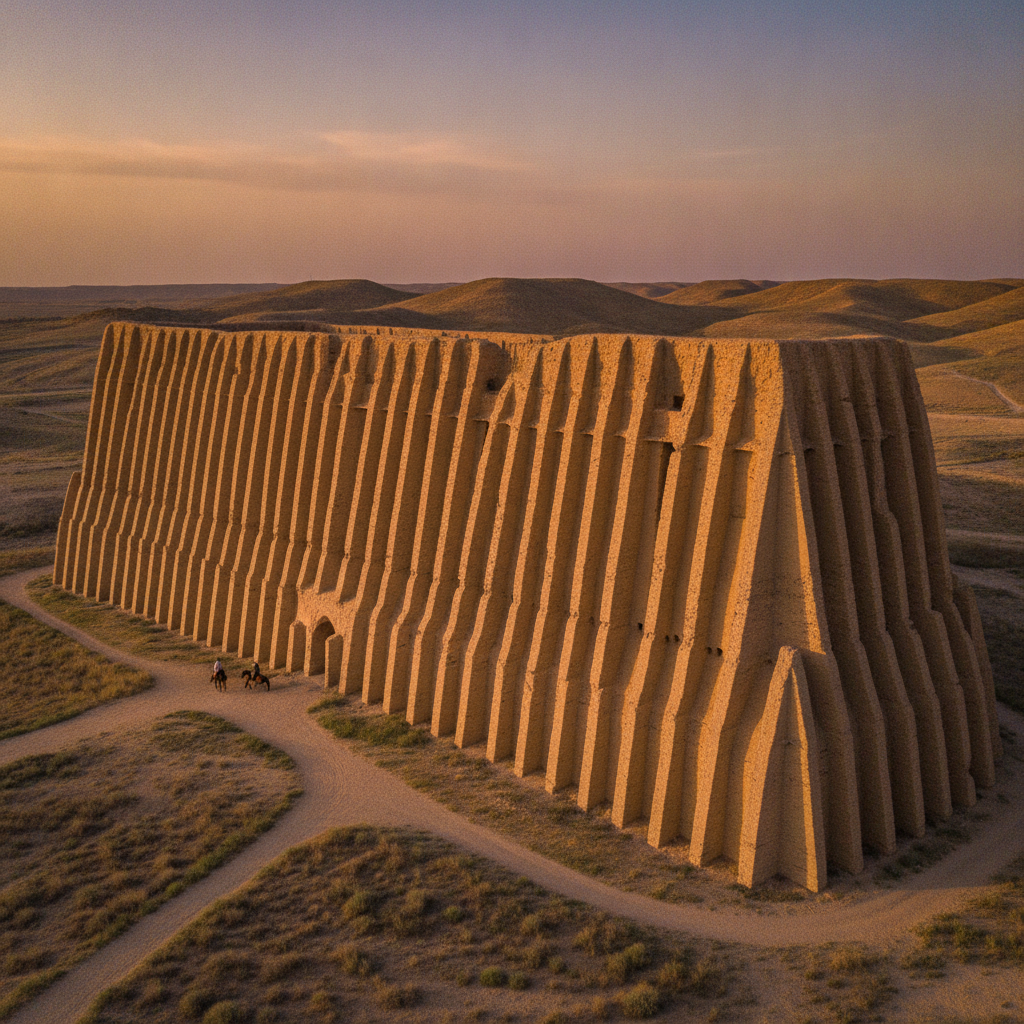
The rectangular enclosure of Gyaur Kala — the approximately 3×3 kilometer walled area established in the 3rd century BCE with its grid street plan, the walls enclosing 900 hectares that housed a multi-ethnic, multi-religious Silk Road population during the Parthian and Sasanian periods.
- 2
Buddhist Stupa Site
The Buddhist stupa site within Gyaur Kala — the archaeological evidence of a Buddhist community at pre-Islamic Merv, the remains of a stupa discovered by Soviet archaeologists showing that the Silk Road city hosted Buddhist pilgrims and merchants from India and Central Asia alongside its Zoroastrian and Christian populations.
- 3
Christian Community Remains
The traces of a Christian community in Gyaur Kala — the Nestorian Christian remains from the Sasanian period when Merv was the seat of a Nestorian bishop, the community of merchant Christians connected to the Silk Road trade network maintaining a presence in Merv for several centuries before the Islamic conquest.
- 4
Sasanian Period Ceramics
The Sasanian-period ceramic scatters visible on the surface of Gyaur Kala — the pottery fragments from the 3rd-7th century CE Sasanian occupation of the site, the distinctive ceramic forms identifiable to period and helping archaeologists map the extent of settlement within the large enclosure.
- 5
Transition to Islamic City
The transition to Islamic city visible at Gyaur Kala — the archaeological evidence of the Arab conquest in 651 CE and the gradual Islamization of the population, the new mosque construction patterns and the changes in material culture marking the religious transformation of one of Central Asia's most cosmopolitan cities.
- 6
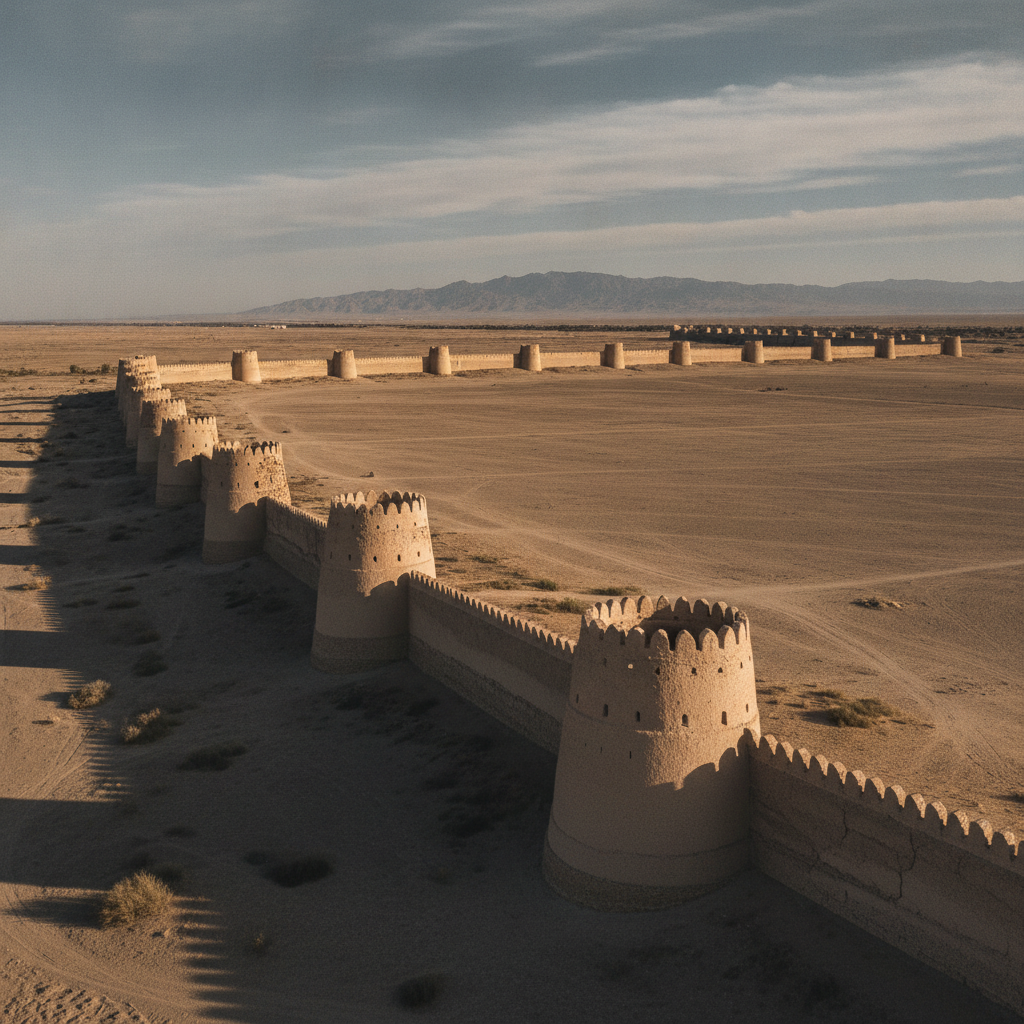
Outer Wall Towers
The outer wall towers of Gyaur Kala — the semicircular projecting towers of the defensive perimeter still standing at intervals along the wall, their spacing calculated to allow defenders to cover the wall faces between towers with arrows, the military engineering of the Hellenistic or Parthian period still structurally recognizable after 2,000 years.
Walk this route with audio
Stories play automatically as you reach each stop — no tapping needed.