Meteora Monasteries and Floating Rocks: Great Meteoron and Varlaam at Sunrise, Byzantine Frescoes, Orthodox Monks, Kalabaka Town, and the 60-Million-Year Geology
The Meteora essential circuit covers the Great Meteoron at sunrise before the tour buses, the Varlaam Byzantine fresco collection, the resident monks and monastic life, the Kalabaka base with the Byzantine cathedral, and the UNESCO geological heritage of the rock pillars.
- 1
Great Meteoron: The Oldest and Highest Monastery
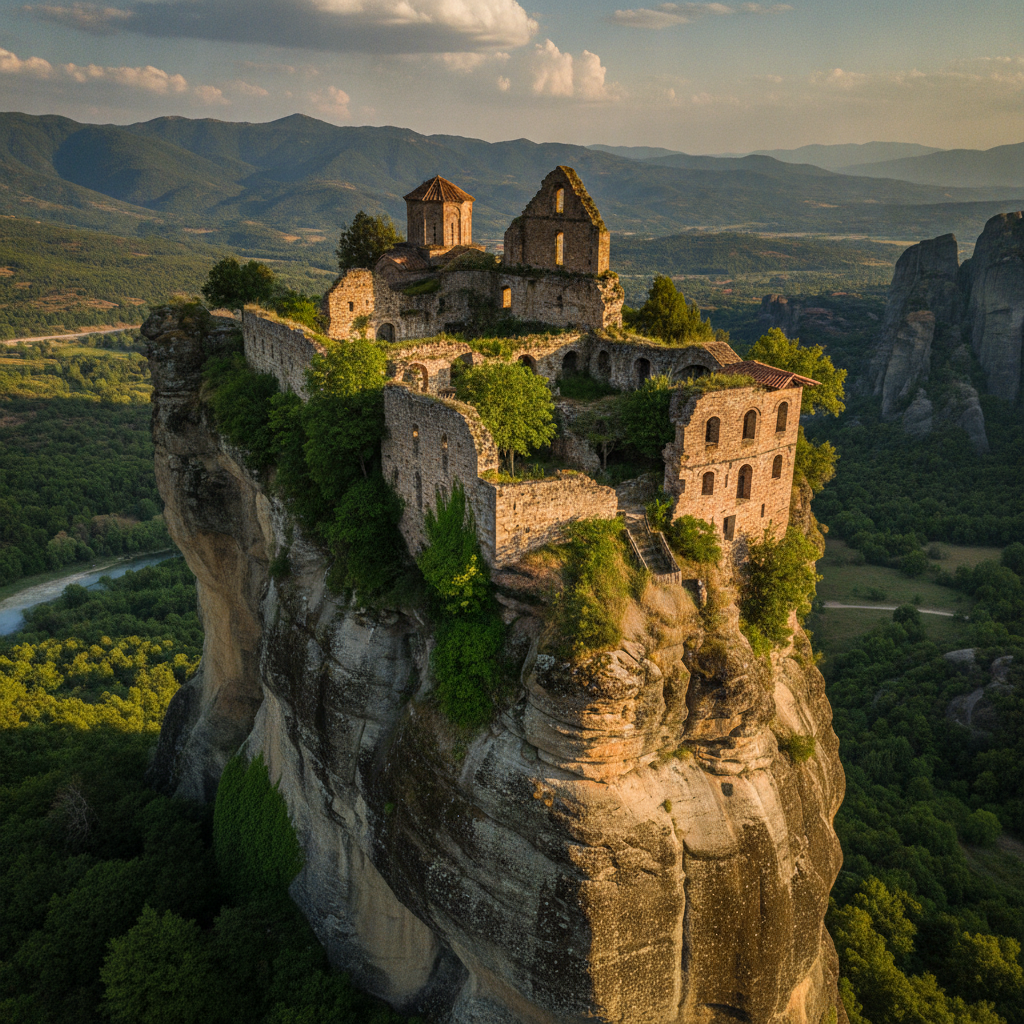
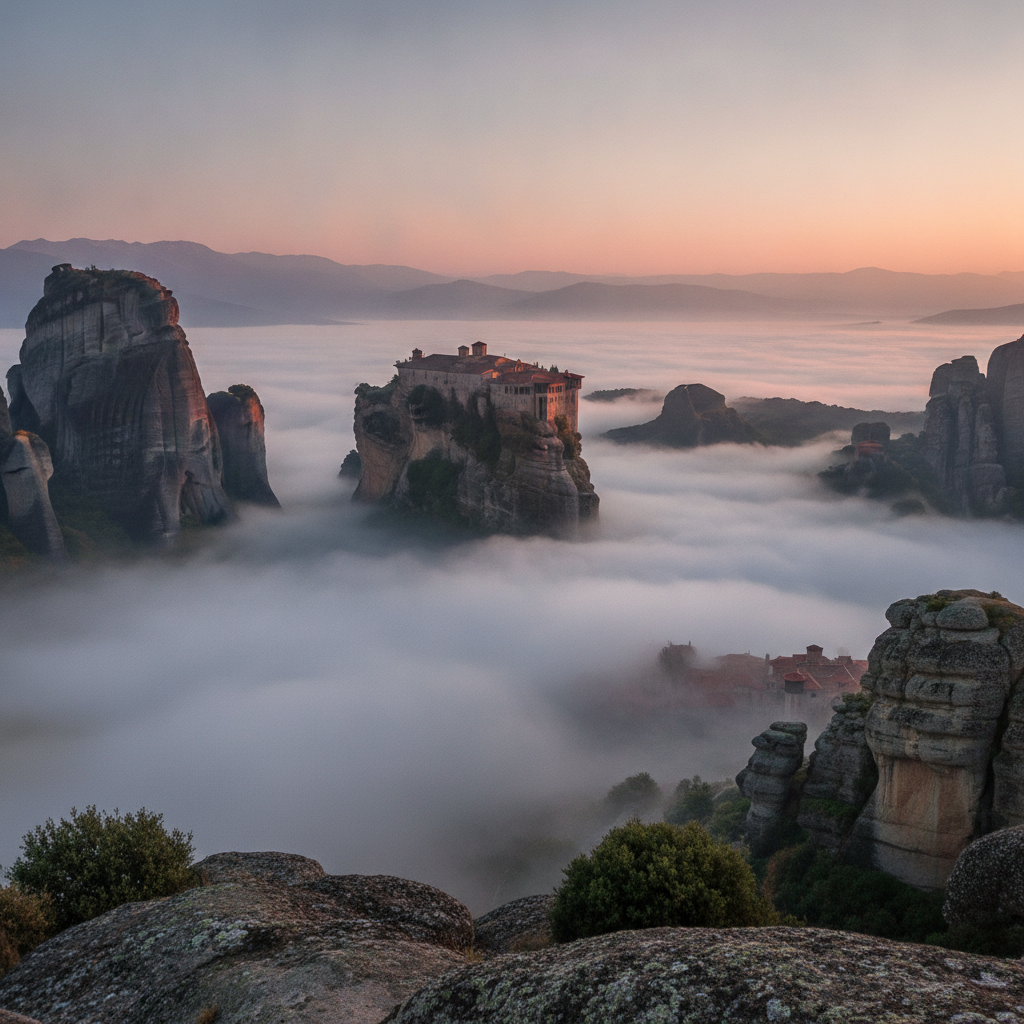
The Great Meteoron monastery, founded in the 14th century by Saint Athanasios Meteorites on the highest pillar at 613 meters above sea level, is the oldest and largest of the six active Meteora monasteries. The church with the 16th century Byzantine frescoes, the ossuary with the monks skulls, and the museum of monastic manuscripts provides the most complete single monastic experience in Greece. The sunrise visit before 9am, when the tour buses arrive from Kalabaka, provides the Great Meteoron in the silence and the light that the monks who built it intended.
- 2
Varlaam: The Byzantine Fresco Masterpiece
The Varlaam monastery, founded in 1541 on a separate pillar adjacent to the Great Meteoron, contains the most artistically significant Byzantine fresco cycle in the Meteora complex, with the 16th century paintings by Frangos Katelanos in the All Saints church representing the finest surviving examples of the post-Byzantine Macedonian painting school outside Mount Athos. The Varlaam ascent by the 195 stone steps cut into the rock face provides the most dramatic monastery approach in the circuit.
- 3
Kalabaka: The Town Beneath the Rocks
Kalabaka, the market town at the base of the Meteora pillars, is the primary accommodation base for the visit with the hotels ranging from traditional guesthouses to modern hotels with balcony views of the illuminated monasteries. The Byzantine Cathedral of the Dormition of the Virgin in Kalabaka, built on ancient temple foundations and containing the most complete early Byzantine mosaic floor in Thessaly, is the overlooked architectural treasure that the monastery-focused visitor consistently misses.
- 4
The Geology of the Pillars: 60 Million Years
The Meteora sandstone pillars, formed from the riverbed sediments of a prehistoric Thessaly lake that were uplifted, compressed, and eroded over 60 million years into 400 freestanding columns that now rise 300 to 400 meters above the Thessaly plain, are the most dramatic geological formation in Greece and the most unlikely location for human habitation in Europe. Understanding how water, ice, and wind erosion shaped the pillars is the foundation for understanding why the Byzantine monks chose these inaccessible rocks.
- 5
Orthodox Monastic Life: The Six Active Communities
Six of the original 24 Meteora monasteries remain active today: the Great Meteoron, Varlaam, Roussanou, Agios Nikolaos, Agias Triados, and Agios Stefanos. The combined resident population of approximately 60 monks and nuns maintains the liturgical schedule of the orthodox monastic day with the morning offices, the noon meal, the afternoon prayer, and the vespers that the visiting public disrupts. The monasteries request modest dress and silence in recognition of the living community that still inhabits these extraordinary buildings.
- 6
Meteora at Night: The Illuminated Pillars
The Meteora rock pillars illuminated at night by the spotlights installed by the Kalabaka municipality create the most dramatically atmospheric natural light show in Greece, with the monastery buildings and the rock faces lit in golden and amber light. The sunset from the road above the Roussanou monastery, when the light rakes across the west faces of the pillars and the shadow deepens the valleys, is the daily event that photographers plan their entire Meteora itinerary around.
Walk this route with audio
Stories play automatically as you reach each stop — no tapping needed.
More in Meteora
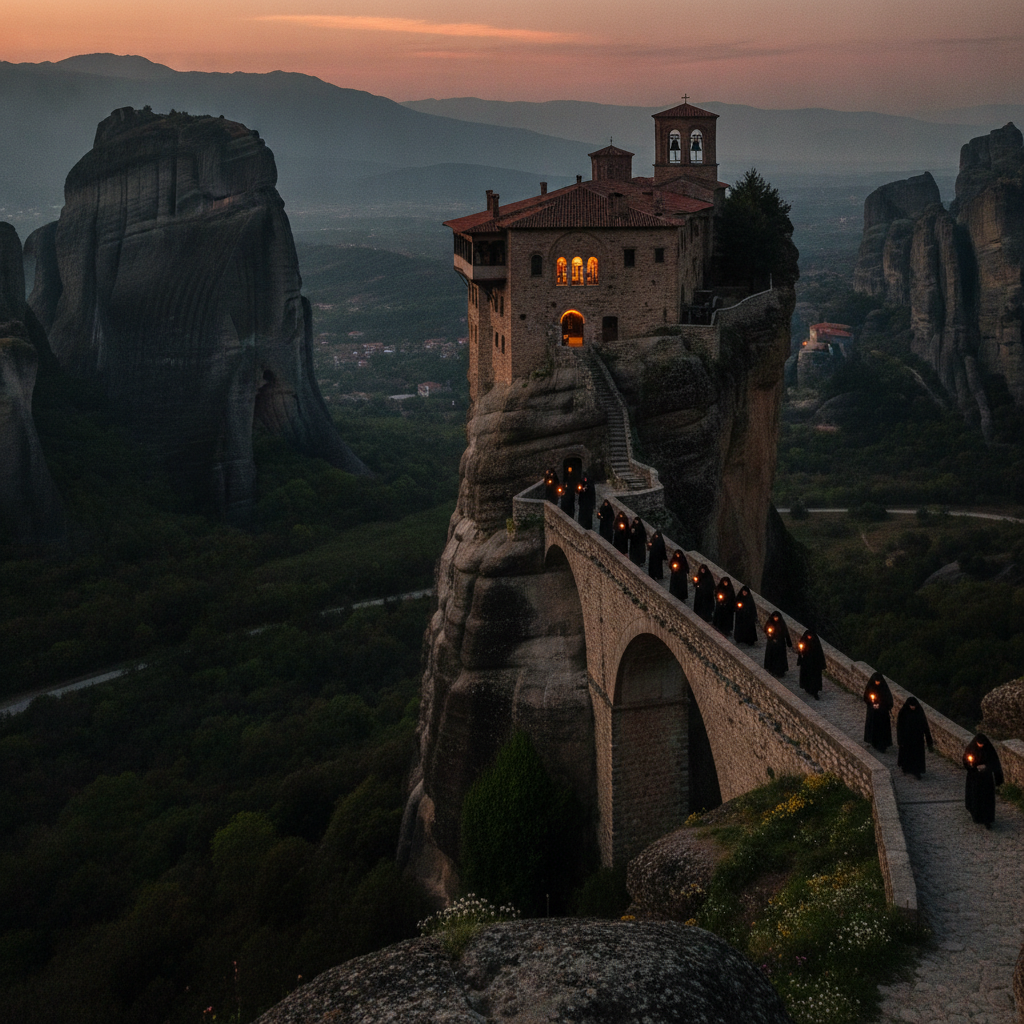
Meteora Orthodox Calendar: Holy Week Easter Vigil, Annunciation and Greek Independence Day, Panegyri Saint Festivals, Canonical Hour Bells, Dormition Pilgrimage, and the Living Tradition
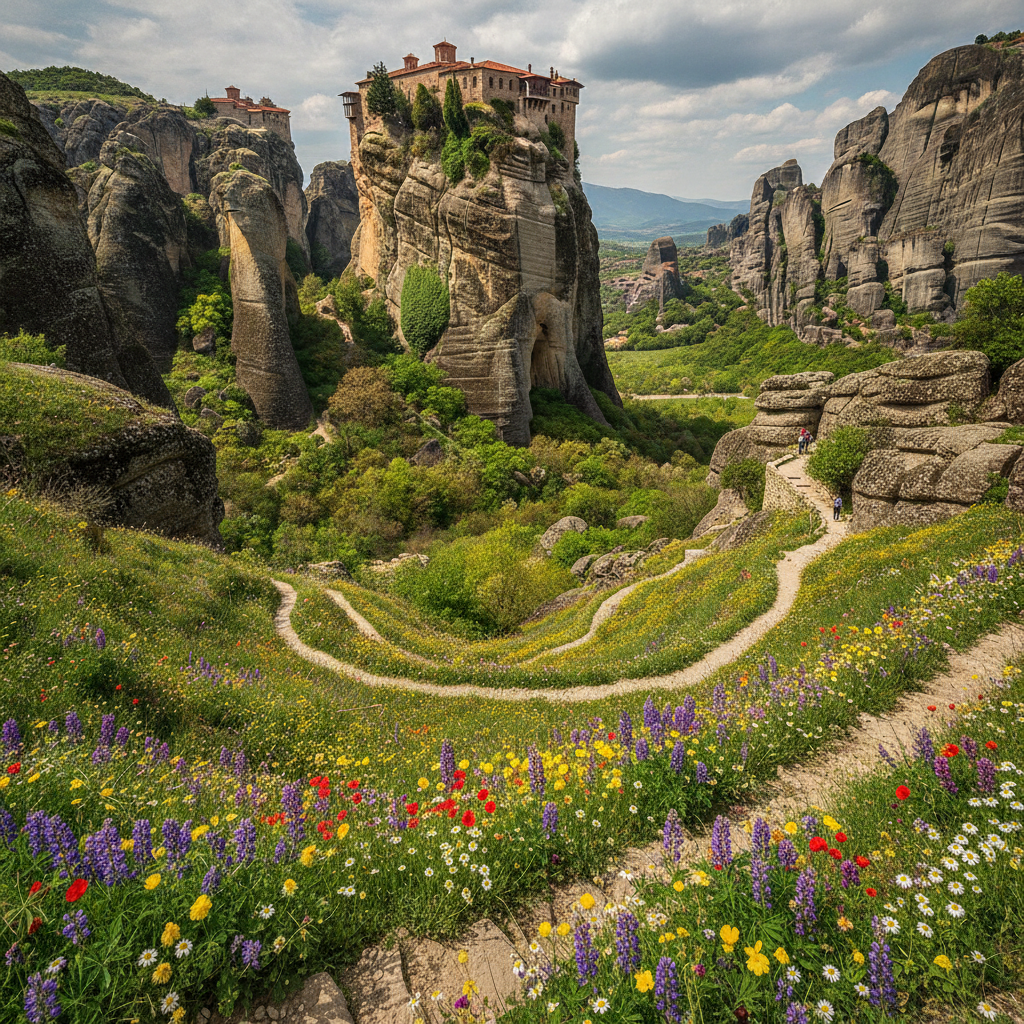
Meteora Active and Departure: Cycling the Valley Circuit, Hiking the Monastery Trail, Sunrise Photography, Four Seasons Guide, Delphi Day Trip, and the Farewell Silhouette
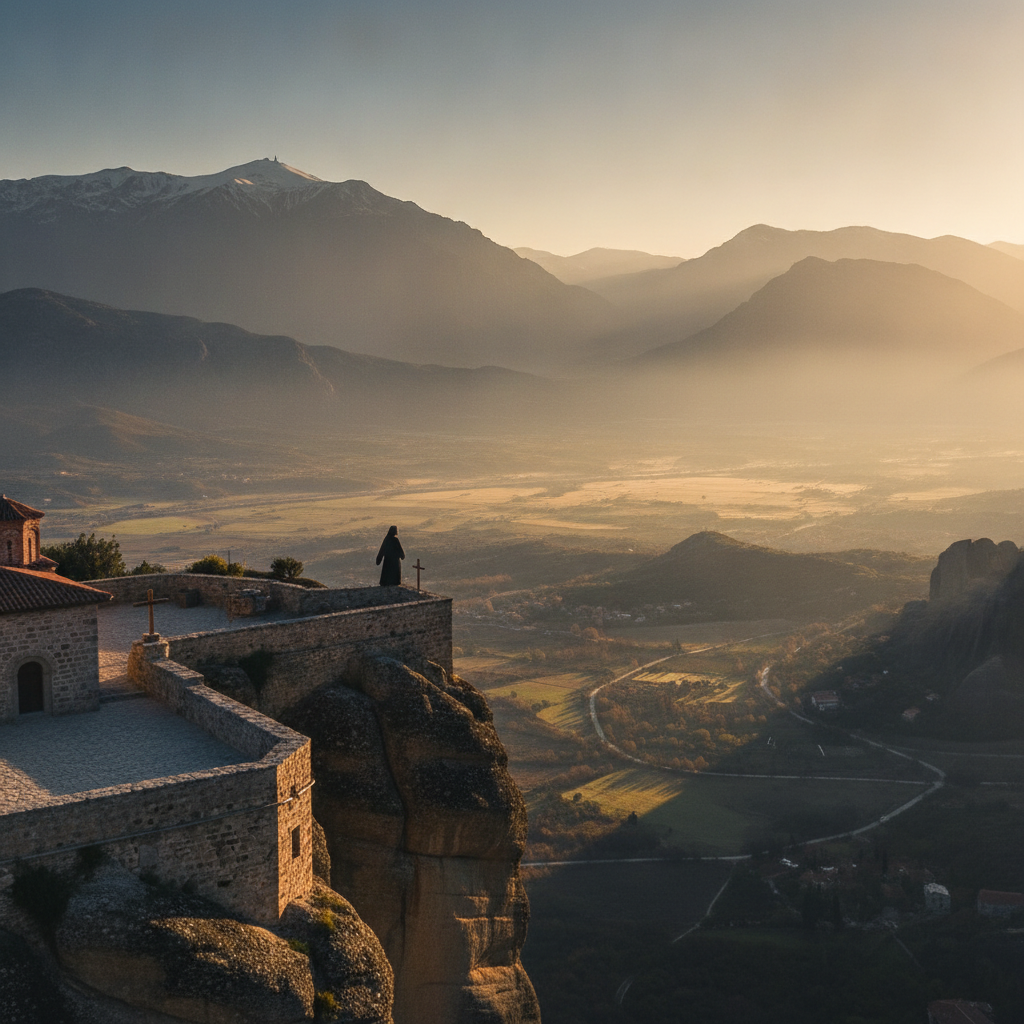
Meteora Food and Summary: Thessalian Cuisine, Trikala Wine, Agios Stefanos Accessible Nunnery, Diavolorachis Devil Ridge View, Night Soundscape of Bells and Owls, and the Sacred Vertical Summary
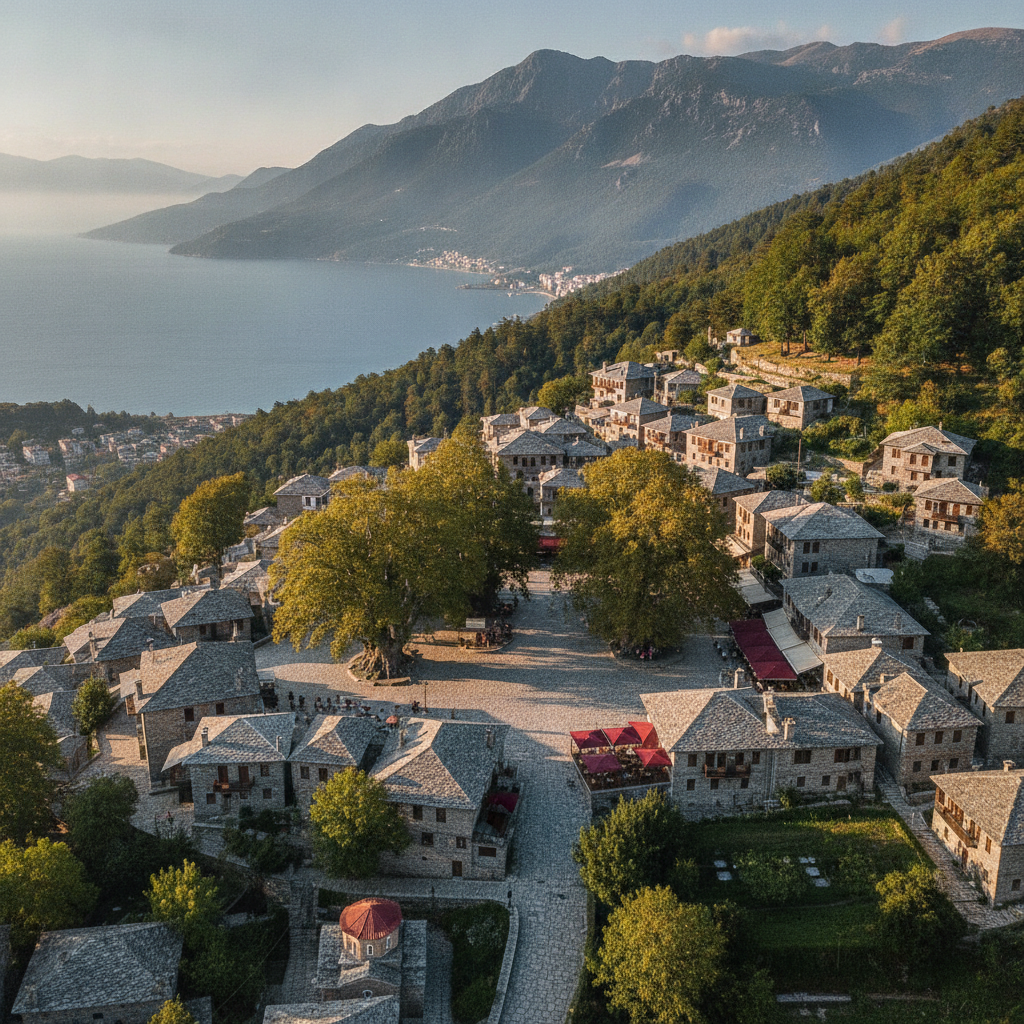
Meteora Region and Context: Mount Athos Hesychast Tradition, Kalabaka Byzantine Cathedral, Trikala Thessalian City, Pelion Mythological Mountains, Thessaly Region Overview, and the Wider Greece Connection
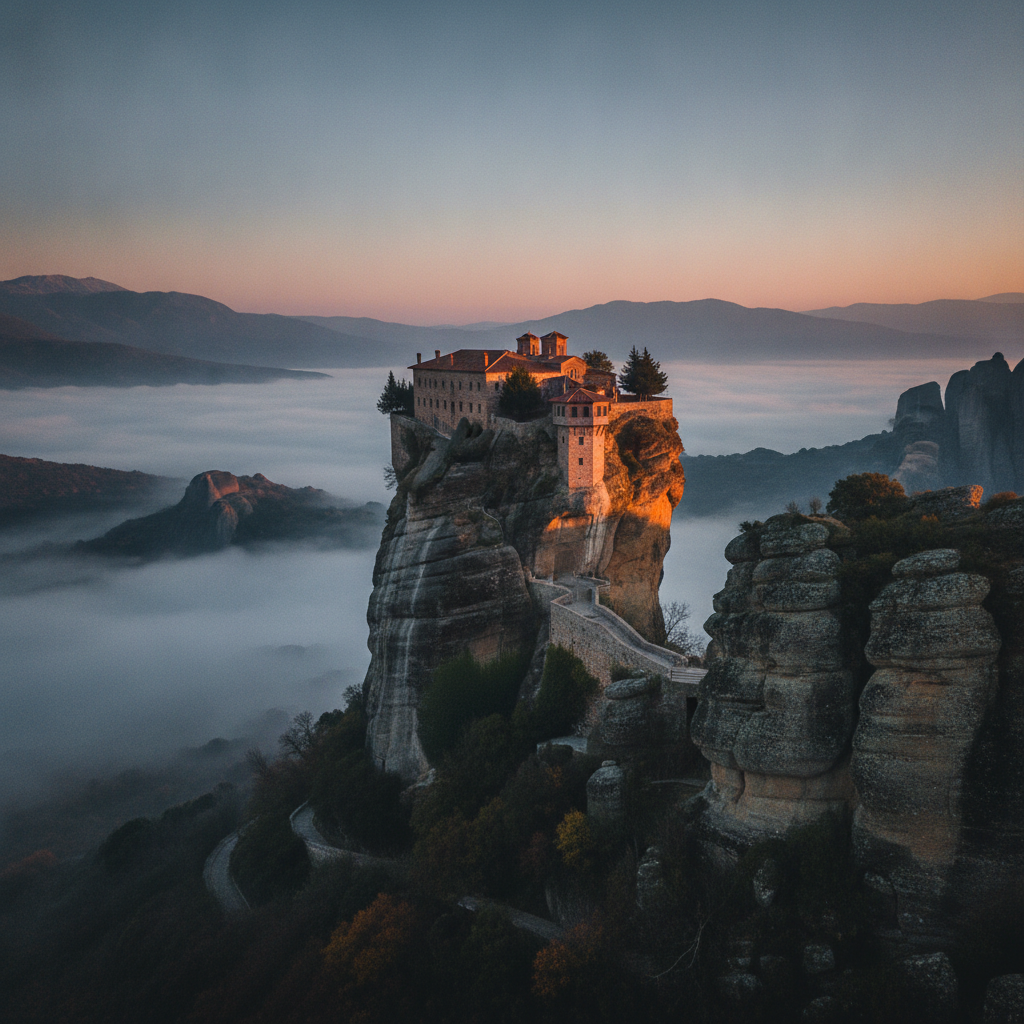
Meteora Film and Art: Agias Triadas Bond Film Location, Theophanes Cretan Frescoes, Roussanou Nunnery, Modern Rock Climbing, Thessaly Plain View, and Practical Information