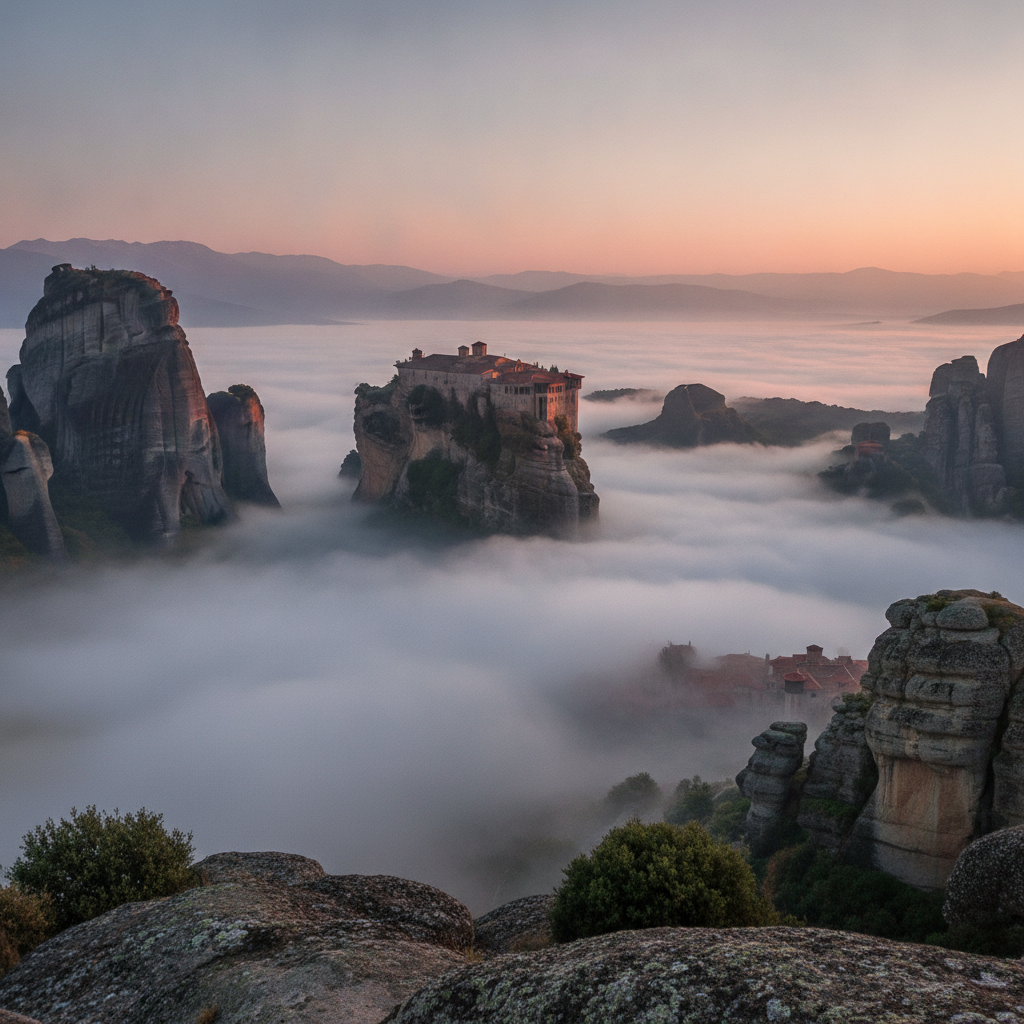
Meteora History: Theopetra Prehistoric Cave, 9th Century Hermit Settlement, 14th-16th Century Golden Age, Monastery Decline and Abandoned Ruins, UNESCO Status, and Kastraki Village
The Meteora historical circuit covers the 130,000-year Theopetra cave prehistory, the 9th century hermit period before organized monasticism, the 14th to 16th century golden age with 24 active communities, the 17th-19th century decline, the UNESCO 1988 designation, and the Kastraki village traditional accommodation.
- 1
Theopetra Cave: The 130,000-Year Prehistory
The Theopetra Cave 4 kilometers from Kalabaka, inhabited continuously from 130,000 BC to 5,000 BC and containing the oldest known man-made wall construction in the world at 23,000 years old, provides the prehistoric context for the Meteora landscape that the Byzantine monastery period tends to overshadow. The cave reveals the Paleolithic and Neolithic human presence in the Meteora area that predates the monastery foundation by 130,000 years.
- 2
First Monasteries: The Hermit Period 900-1336
The first hesychast hermits settled in the Meteora caves and rock crevices in the 9th century seeking the complete withdrawal from Byzantine society that the inaccessible pillars uniquely provided. The hermit period established the community of Stagoi on the Platylithos rock before the organized monastic period that Athanasios Meteorites began when he built the Great Meteoron in 1336.
- 3
The Golden Age: 14th to 16th Century
The period from 1350 to 1550 was the golden age of the Meteora monastic community, when 24 monasteries were active on 24 separate pillars and the combined monastic population reached 2,000 monks supported by the donations of the Serbian Despotate rulers and the Byzantine aristocracy who funded the church buildings, the fresco programs, and the manuscript libraries. The Serbian patronage in the 14th and 15th centuries is the most significant factor in the artistic and architectural achievement of the golden age.
- 4
Decline and Abandoned Monasteries: 17th to 19th Century
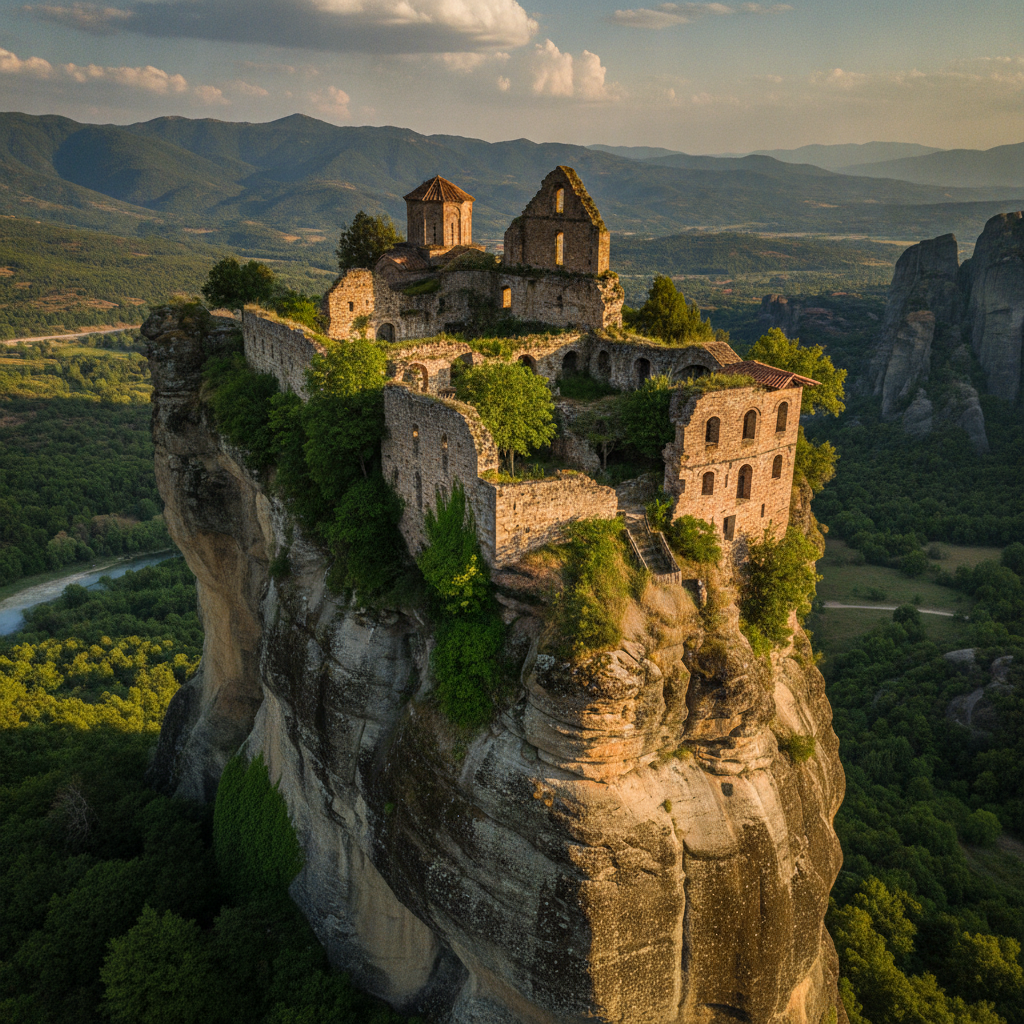
The gradual decline of the Meteora community from the 17th century through the abolition of monasteries by the newly independent Greek state in the 1830s reduced the 24 active communities to the 6 that survived the period of neglect, earthquake damage, and confiscation. The 18 abandoned monastery ruins still visible on the surrounding pillars, with the empty churches and the collapsed towers, are the most poignant landscape element in the Meteora circuit.
- 5
Modern Meteora: UNESCO and Mass Tourism
The UNESCO World Heritage designation of 1988, recognizing both the monastic complex and the geological landscape, transformed Meteora from an Orthodox pilgrimage site into the fourth most visited site in Greece. The 1 million annual visitors who arrive by tour bus from Athens and Thessaloniki in peak season have created the tension between the monastic community and the tourism industry that the 6 surviving monasteries manage by restricting photography in the churches and limiting visiting hours.
- 6
Meteora Villages: Kastraki and the Traditional Settlements
Kastraki village directly beneath the Meteora pillars, the traditional farming village that has been absorbed into the tourism economy without losing the stone house architecture and the village square, provides the most authentically Greek accommodation environment for the Meteora visit. The Kastraki guesthouses with monastery views from the bedroom windows and the village kafeneion offer the experience of living within the Meteora landscape rather than observing it from the Kalabaka tourist infrastructure.
Walk this route with audio
Stories play automatically as you reach each stop — no tapping needed.
More in Meteora
Meteora Orthodox Calendar: Holy Week Easter Vigil, Annunciation and Greek Independence Day, Panegyri Saint Festivals, Canonical Hour Bells, Dormition Pilgrimage, and the Living Tradition
Meteora Active and Departure: Cycling the Valley Circuit, Hiking the Monastery Trail, Sunrise Photography, Four Seasons Guide, Delphi Day Trip, and the Farewell Silhouette
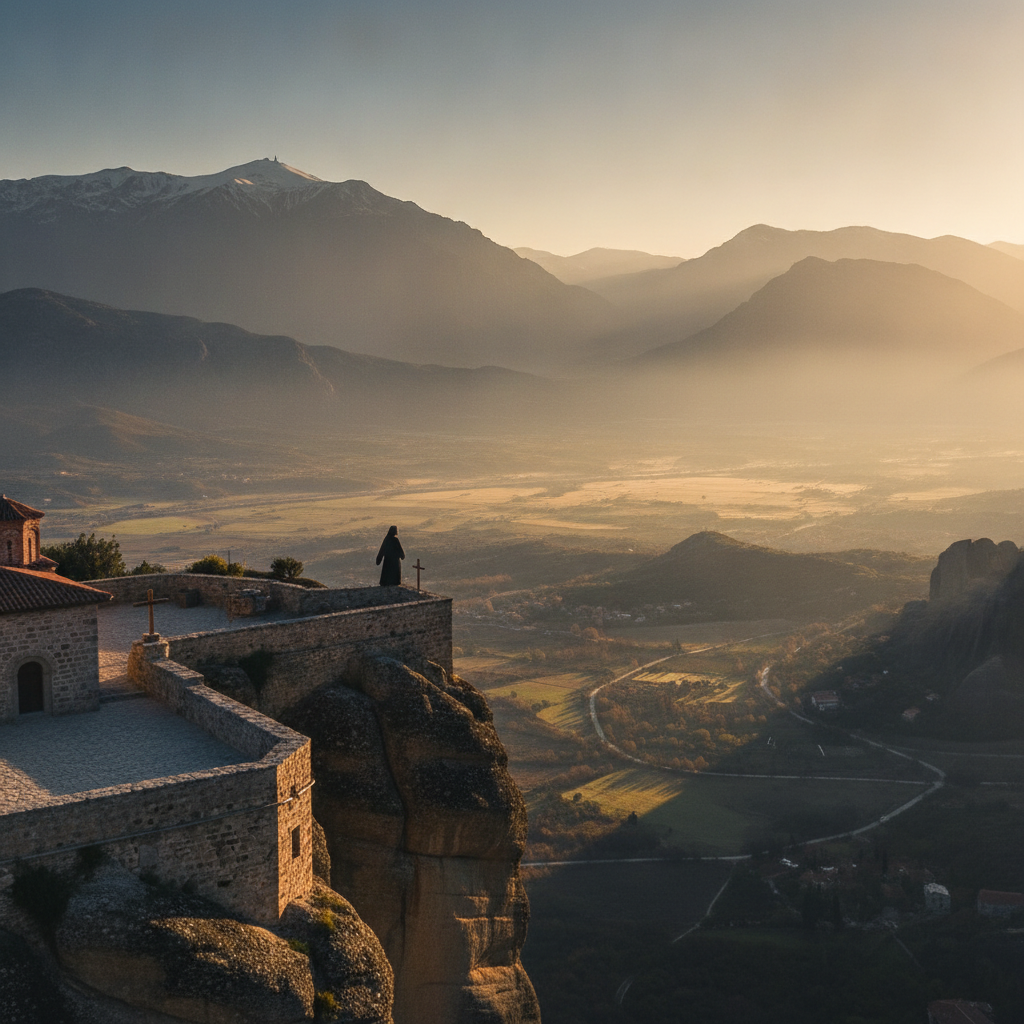
Meteora Food and Summary: Thessalian Cuisine, Trikala Wine, Agios Stefanos Accessible Nunnery, Diavolorachis Devil Ridge View, Night Soundscape of Bells and Owls, and the Sacred Vertical Summary
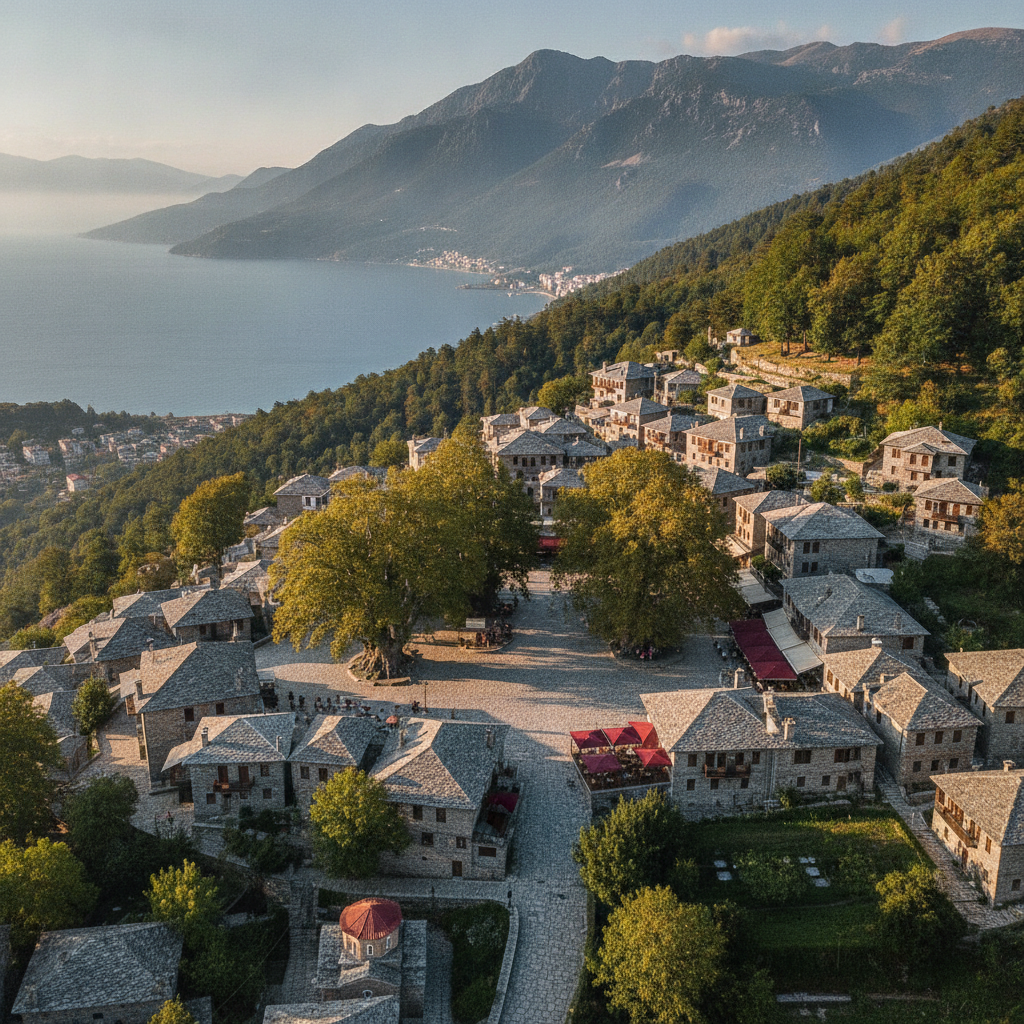
Meteora Region and Context: Mount Athos Hesychast Tradition, Kalabaka Byzantine Cathedral, Trikala Thessalian City, Pelion Mythological Mountains, Thessaly Region Overview, and the Wider Greece Connection
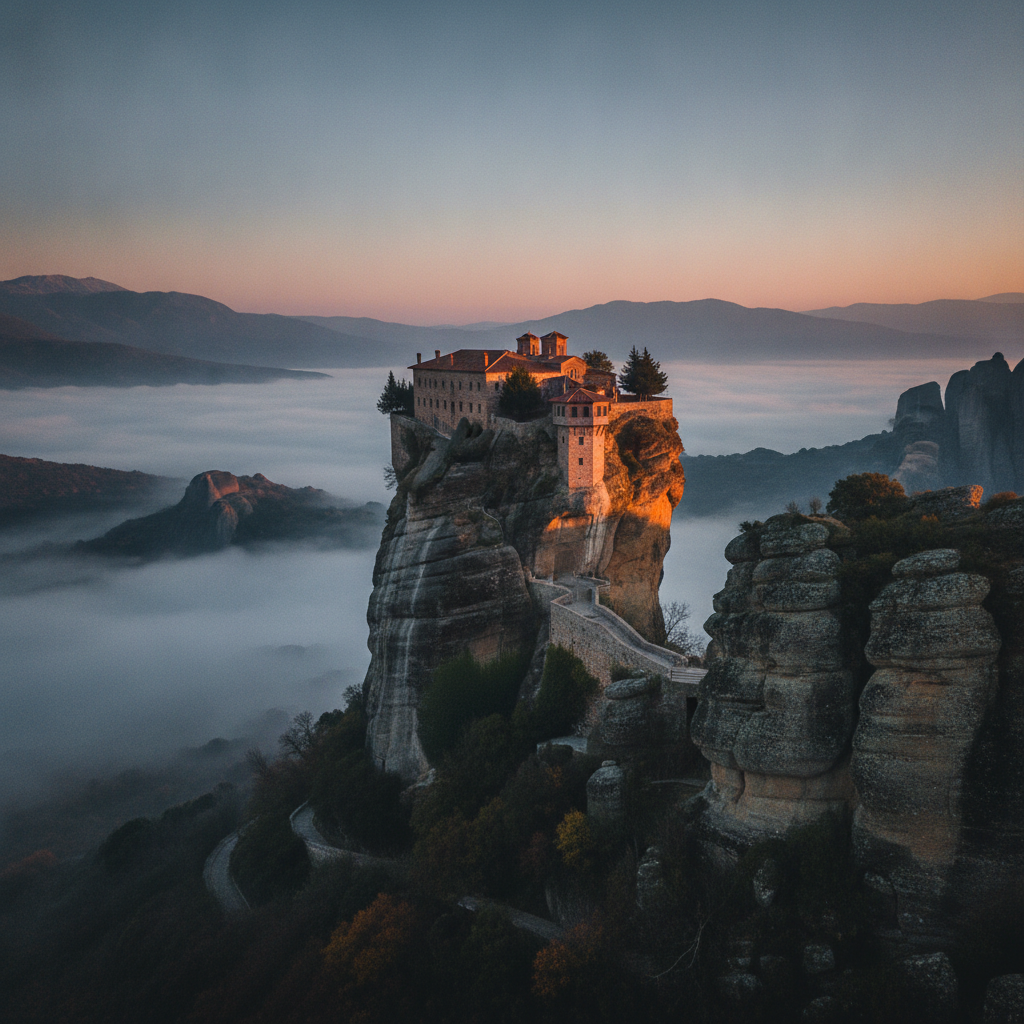
Meteora Film and Art: Agias Triadas Bond Film Location, Theophanes Cretan Frescoes, Roussanou Nunnery, Modern Rock Climbing, Thessaly Plain View, and Practical Information