Meteora Seasonal Guide and Farewell: Winter Snow Monasteries, Spring Wildflower Bloom, Autumn Harvest, Pindus Mountain Backdrop, Photography Seasonal Calendar, and the Invitation to Return
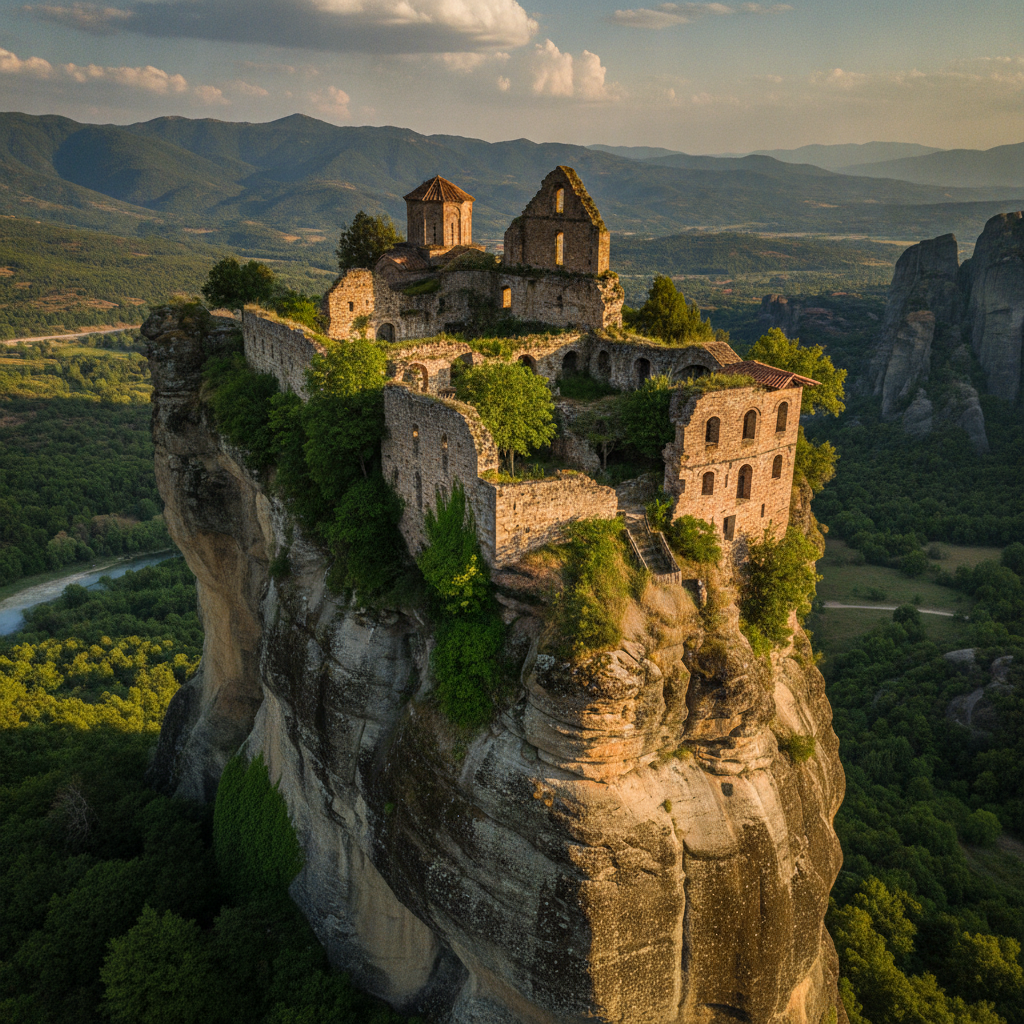
The Meteora seasonal guide covers the winter snow monastery experience, the spring orchid bloom in the rock crevices, the autumn harvest season and monastery wine making, the Pindus mountain backdrop, the photography seasonal calendar for optimal conditions, and the farewell reflection on why Meteora generates the return visit more than any other Greek site.
- 1
Meteora in Winter: The Snow-Covered Roofs
The Meteora monasteries under snow, the condition that occurs 3 to 5 times per winter in January and February when the Pindus weather system reaches the Thessaly plain, is the most dramatically beautiful natural event in the Meteora annual calendar. The snow-covered monastery roof, the white valley floor, and the frozen waterfall on the north-facing pillar faces create the Meteora composition that the summer visitor can barely imagine from the summer photograph. Landscape photographers from across Europe travel to Kalabaka in the winter months specifically to capture this.
- 2
Meteora in Spring: The Orchid and Wildflower Season
The Meteora spring season from late March to mid-May, when the orchids, the peonies, the fritillaries, and the anemones bloom in the rock crevices and the meadows between the pillars, is the most botanically rewarding season for the naturalist visitor. The Orchis and Ophrys bee orchid species that flower on the limestone outcrops represent some of the finest orchid colonies in mainland Greece, and the spring bird migration brings the Alpine swift and the Eleonoras falcon to the pillar faces.
- 3
Meteora in Autumn: Harvest and the Golden Light
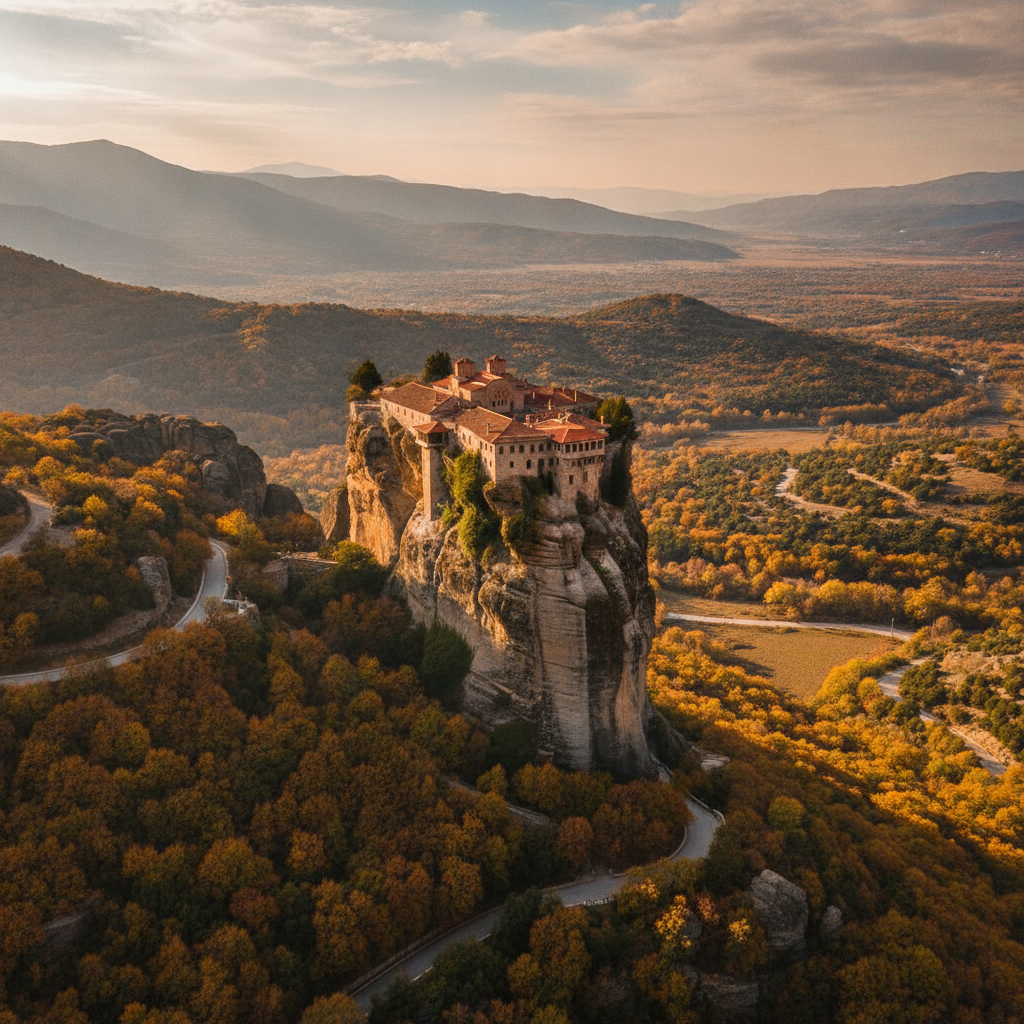
The Meteora autumn from September to November, the season of the grape harvest in the Trikala vineyards and the chestnut collection in the Pindus foothills, provides the most food-centered and locally authentic version of the Meteora visit. The monastery wine making, with the grape pressing in the monastery courtyard still practiced at the Great Meteoron and the Varlaam, directly connects the monastery to the Thessalian agricultural calendar. The autumn light on the Meteora pillars, with the deciduous trees in the valley turning golden, is the most painterly light of the year.
- 4
Pindus Mountain Backdrop: The Western Horizon
The Pindus mountain range visible to the west from the Great Meteoron terrace, the highest mountain spine in mainland Greece with the Tymfi massif and the Smolikas peak at 2,637 meters, provides the geographical backdrop that explains the Meteora climate. The dramatic weather systems that the Pindus generates produce the summer thunderstorms, the winter snow, and the spring cloud formations that are the most dramatic natural light events in the Meteora circuit. The Pindus National Park 60 kilometers west is the home of the brown bear and the grey wolf.
- 5
Photography Calendar: Optimal Conditions by Month
The Meteora photography calendar identifies the optimal conditions for each canonical composition: the winter snow requires the January-February storm cycle, the spring wildflowers peak in late April, the summer sunrise is earliest in June, the autumn golden light is most intense in October, and the winter mist that fills the valley below the monastery level occurs most reliably in November and December. The October-November shoulder season is the most recommended window for the visitor combining comfortable weather with the best natural light.
- 6
Meteora Farewell: The Invitation to Return
Meteora, more than any other site in Greece, generates the return visit. The visitor who came in August and saw the monastery crowds returns in January for the snow, the visitor who saw the summer light returns for the spring wildflowers, and the visitor who saw only the monastery interiors returns for the hiking trail between the pillar bases. The Meteora landscape is not exhausted in the single visit and the Meteora experience is not replicated at any other site in Greece, making it the most reliable recommendation for the visitor who asks which single Greek destination most rewards the return journey.
Walk this route with audio
Stories play automatically as you reach each stop — no tapping needed.
More in Meteora
Meteora Orthodox Calendar: Holy Week Easter Vigil, Annunciation and Greek Independence Day, Panegyri Saint Festivals, Canonical Hour Bells, Dormition Pilgrimage, and the Living Tradition
Meteora Active and Departure: Cycling the Valley Circuit, Hiking the Monastery Trail, Sunrise Photography, Four Seasons Guide, Delphi Day Trip, and the Farewell Silhouette
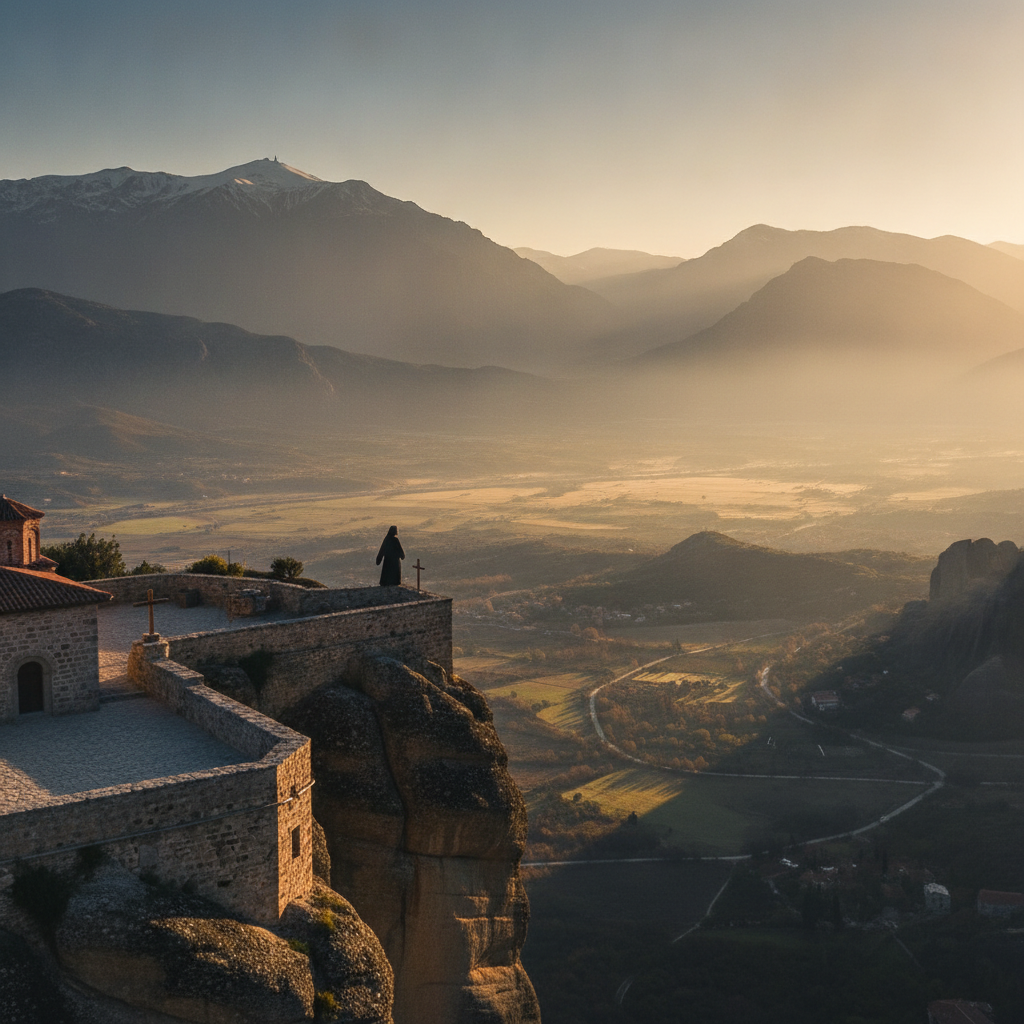
Meteora Food and Summary: Thessalian Cuisine, Trikala Wine, Agios Stefanos Accessible Nunnery, Diavolorachis Devil Ridge View, Night Soundscape of Bells and Owls, and the Sacred Vertical Summary
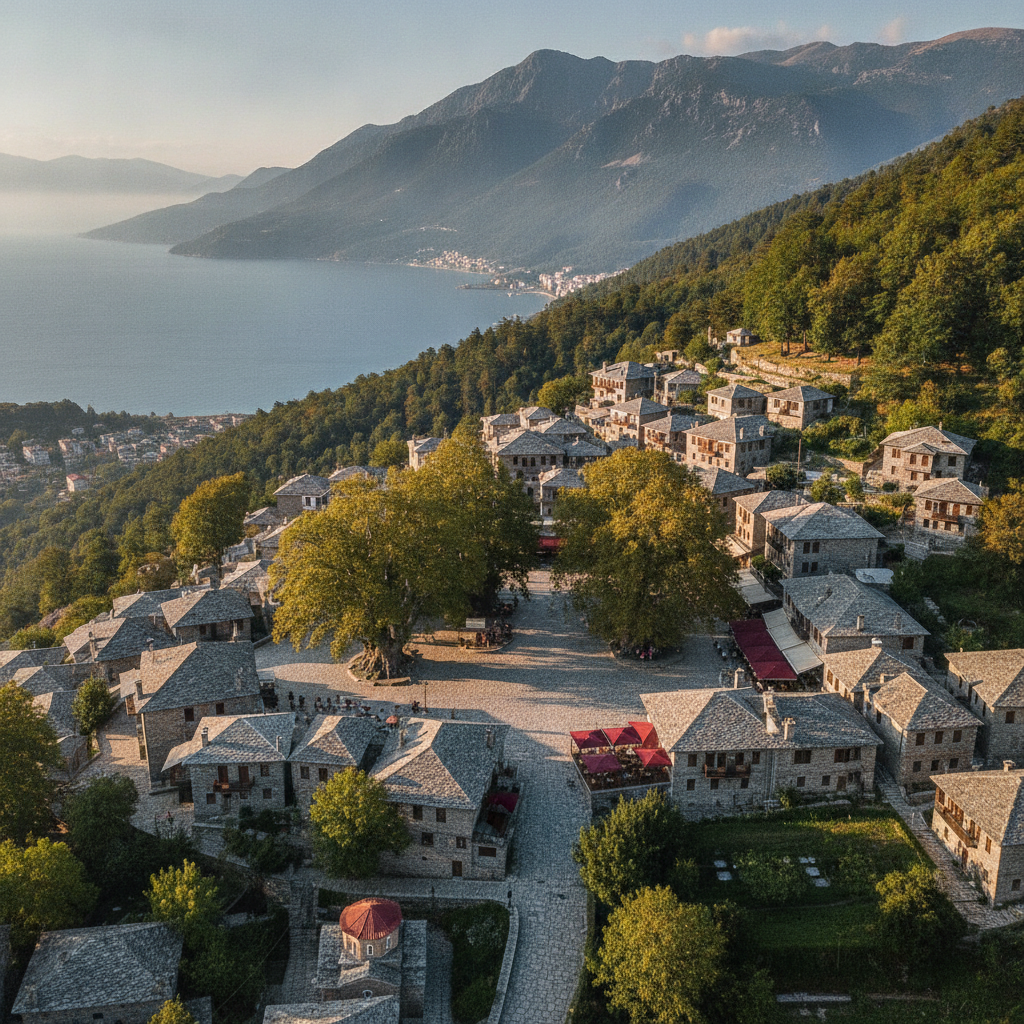
Meteora Region and Context: Mount Athos Hesychast Tradition, Kalabaka Byzantine Cathedral, Trikala Thessalian City, Pelion Mythological Mountains, Thessaly Region Overview, and the Wider Greece Connection
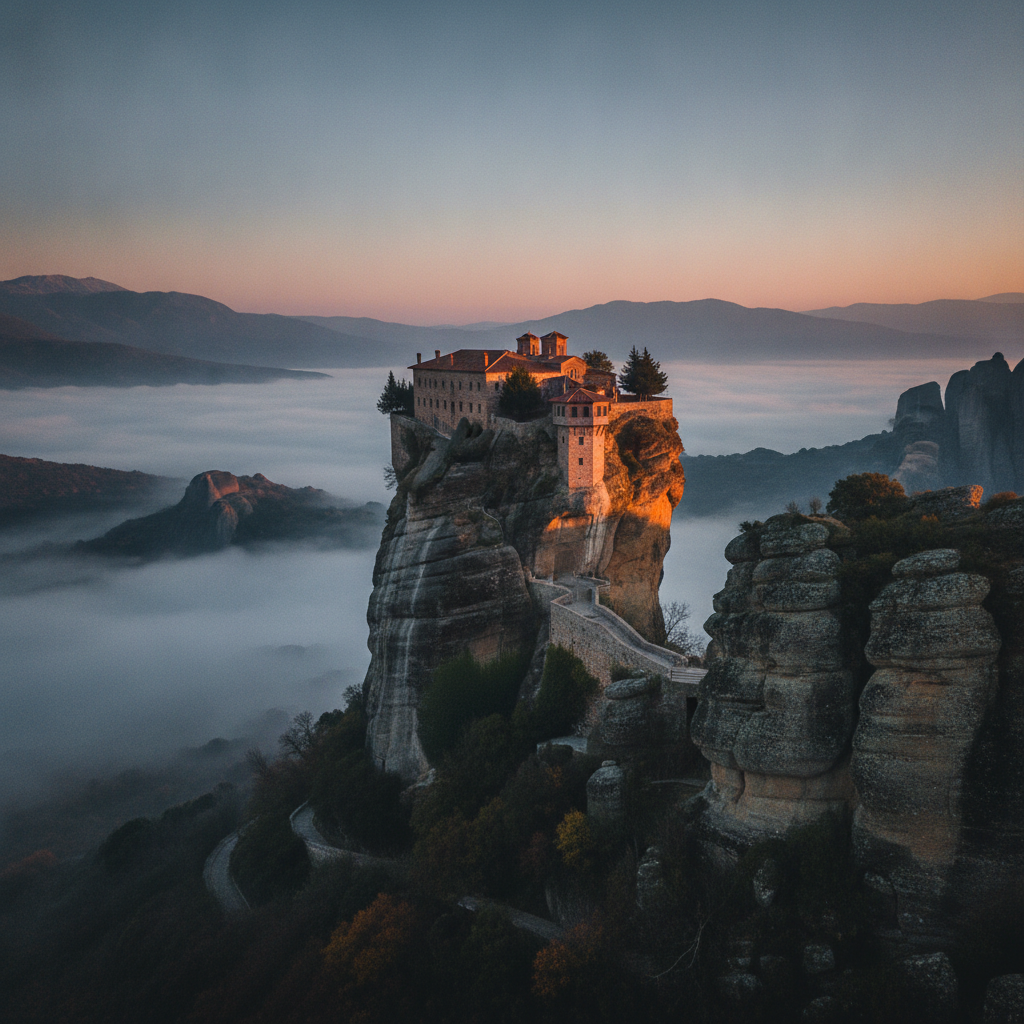
Meteora Film and Art: Agias Triadas Bond Film Location, Theophanes Cretan Frescoes, Roussanou Nunnery, Modern Rock Climbing, Thessaly Plain View, and Practical Information