South Beach, Art Deco & Ocean Drive — The Icon of Miami
Miami (the city in Miami-Dade County, Florida — population approximately 450,000 in the city, 6.2 million in the metro area — the cultural capital of Latin America in the United States, the most international city in the US after New York, and the gateway between North America and the Caribbean and South America): South Beach (the southern portion of Miami Beach, the barrier island city east of Miami connected by causeways) is the most internationally famous neighbourhood in Florida and one of the most recognized urban beaches in the world.
- 1
Ocean Drive — The Art Deco Strip
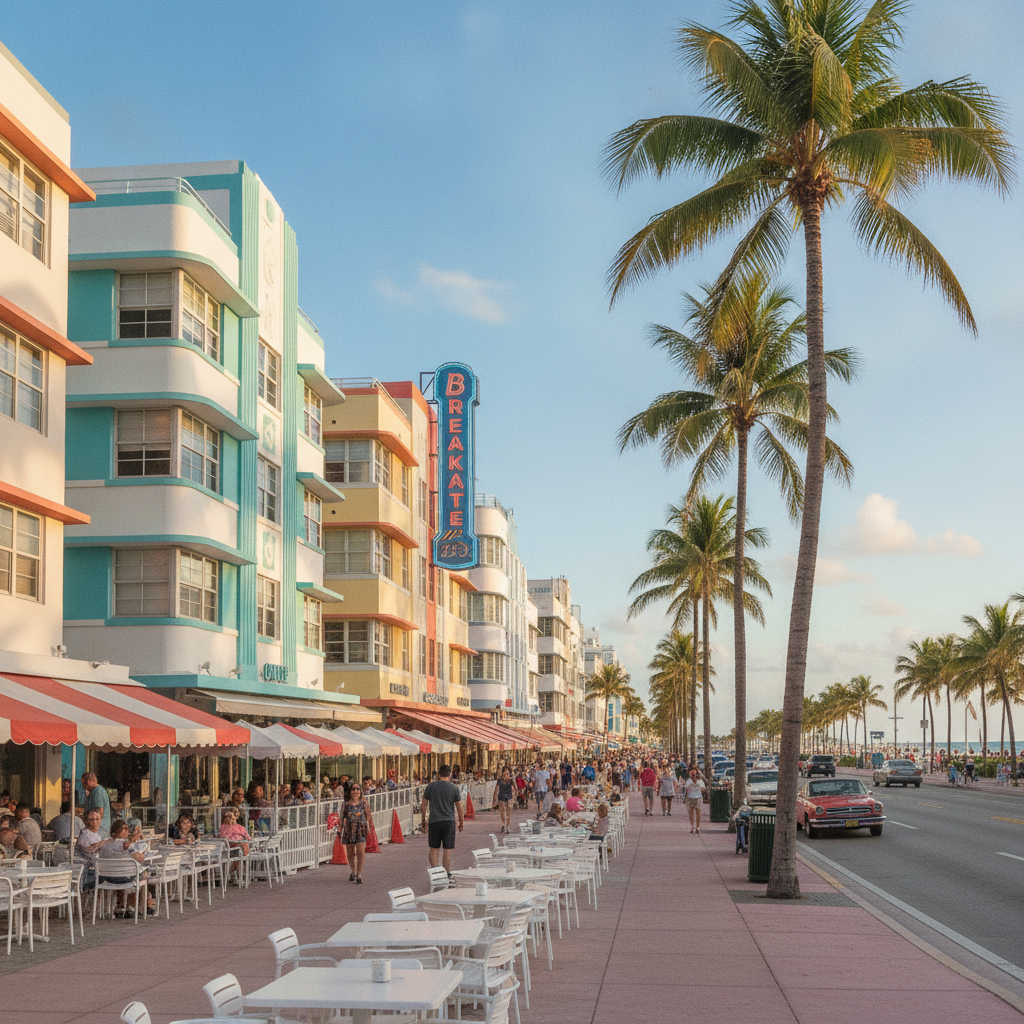
Ocean Drive (the 10-block stretch of road between 5th and 15th Streets on the eastern edge of South Beach, directly facing Lummus Park and the Atlantic Ocean — the most famous street in Miami and the centrepiece of the Miami Beach Art Deco Historic District): the Ocean Drive streetscape (the continuous row of Art Deco and Streamline Moderne hotels and commercial buildings built between 1923 and 1943, preserved largely intact by the designation of the Miami Beach Art Deco Historic District in 1979 — the first 20th-century historic district in the US to be listed on the National Register of Historic Places, an initiative led by preservation architect Barbara Capitman) is the finest surviving concentration of Art Deco architecture in the world outside of individual landmark buildings; the architectural style (the tropical Deco style of Miami Beach — a synthesis of mainstream 1930s Art Deco (the geometric ornamentation, the stepped parapets, the stylized bas-reliefs, the chrome details) with Streamline Moderne (the horizontal speed lines, the porthole windows, the 'eyebrow' sun shades (the horizontal concrete projections above the windows that shade both the window and the sidewalk below), and the aerodynamic rounded forms) adapted to the tropical Florida climate (the pastel colour schemes (the pinks, turquoises, corals, and yellows applied to the stucco facades in the 1980s following the district's designation — the original 1930s buildings were largely white) and the open-air ground-floor colonnades)): the Cardozo Hotel (the 1939 Henry Hohauser building at 1300 Ocean Drive), the Carlyle (1941, 1250 Ocean Drive), and the Breakwater (1939, with the landmark vertical neon sign) are the most architecturally significant buildings.
- 2
South Beach — The World's Most Famous Urban Beach
South Beach (the beach along the eastern edge of Miami Beach island, between South Pointe Park at the southern tip and about 21st Street to the north — the most internationally famous urban beach in the United States and one of the most famous in the world): the beach (approximately 2 km of fine white quartz sand (the characteristic Miami Beach sand — the fine-grained white sand, derived from crushed shell and quartz, giving the beach its brilliant white colour that photographs spectacularly against the blue-green Atlantic) backed by the Art Deco skyline of Ocean Drive) is divided into numbered sections by lifeguard stands (the famous Miami Beach lifeguard towers (the brightly coloured (orange, turquoise, yellow, pink) single-room wooden lifeguard stands designed in the early 1990s by artist William Lane, now themselves icons of the Miami Beach aesthetic)); the beach culture of South Beach (the early morning yoga and exercise sessions, the mid-morning volleyball courts, the all-day sunbathing, the afternoon jet ski rentals, and the evening transition to Ocean Drive bar-hopping) is the most developed and sophisticated urban beach culture in the United States; Lummus Park (the linear park between Ocean Drive and the beach between 5th and 14th Streets — the palm-tree-lined space between the Art Deco hotels and the beach, the central gathering space of South Beach) is the social heart of the neighbourhood.
- 3
Lincoln Road Mall — The Open-Air Culture Street
Lincoln Road Mall (the pedestrianized commercial street in the Mid-Beach area of Miami Beach, running east-west between Collins Avenue and Alton Road — the premier outdoor shopping and dining street in Miami Beach): Lincoln Road (the street famously described by Gianni Versace as 'the greatest open-air shopping street in the world' — the Italian fashion designer who owned the Casa Casuarina mansion at 1114 Ocean Drive (now the Villa by Barton G luxury hotel), was shot and killed on the steps of his mansion in 1997, and was one of the most influential cultural figures in the South Beach renaissance of the 1990s) was designed as a pedestrian mall in 1960 by the architect Morris Lapidus (the designer of the Fontainebleau Hotel (1954) and the Eden Roc Hotel (1955) — the two greatest examples of MiMo (Miami Modern) architecture in the US); the current streetscape (the outdoor cafes, restaurants, boutiques, galleries, and performance spaces under the shade of the characteristic concrete 'umbrella' kiosks (the 1960 Lapidus-designed shade structures that punctuate the mall)) is the finest outdoor urban commercial space in Florida; the Sunday Farmers Market (the weekly fresh produce and artisan food market on Lincoln Road between 16th and 17th Streets, year-round) is the most popular neighbourhood market in Miami Beach.
- 4
Wynwood Walls & Miami's Art Scene
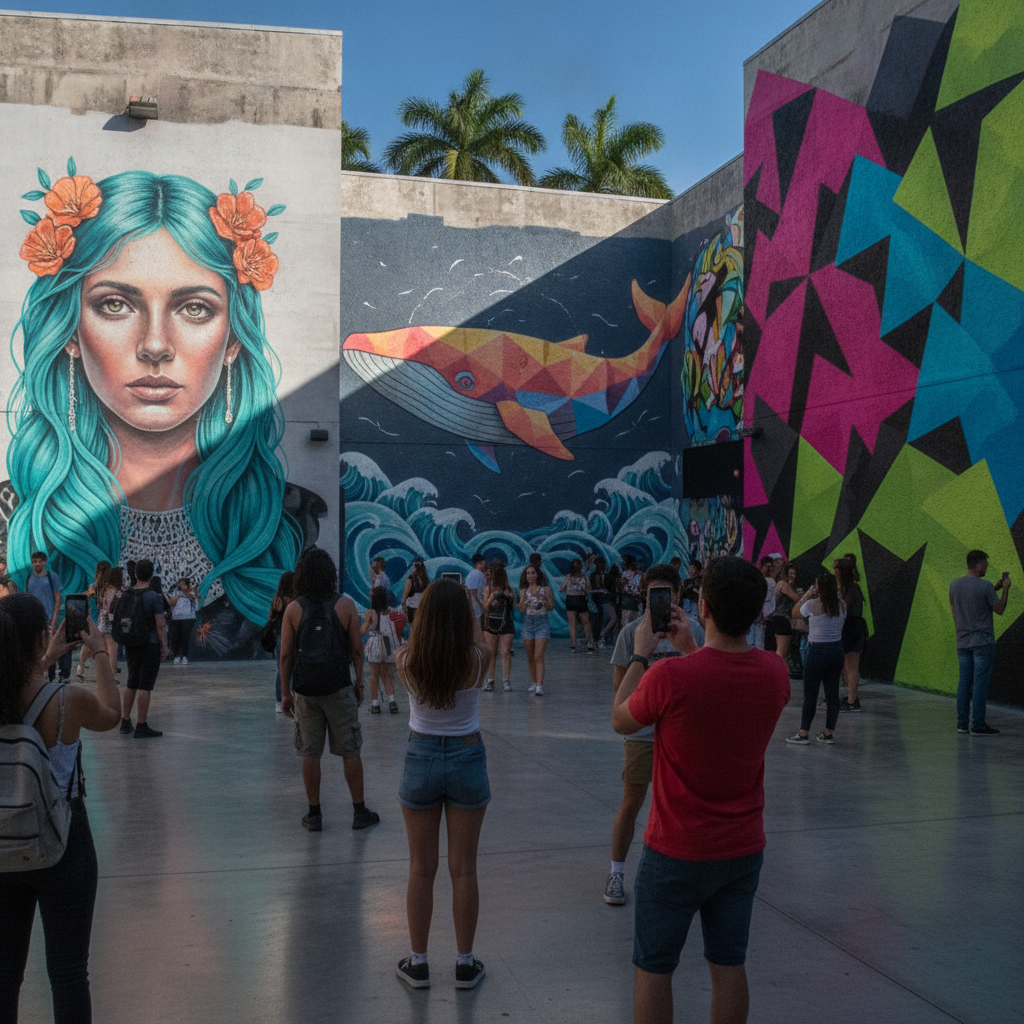
Wynwood Walls (the outdoor street art museum in the Wynwood Arts District of Miami, on NW 2nd Avenue between 25th and 26th Streets — the most famous outdoor art installation in the United States and the trigger for the transformation of Wynwood from a post-industrial warehouse district into the most dynamic arts neighbourhood in the American South): the Wynwood Walls (opened December 2009 by the real estate developer Tony Goldman, who commissioned the world's most celebrated street artists to paint the exterior walls of his warehouse buildings — the original artists including Os Gemeos (the São Paulo twins), Shepard Fairey (the 'OBEY' artist who created the iconic Barack Obama 'Hope' poster), Barry McGee, Faile, and Kenny Scharf) has since been expanded to include approximately 80,000 square feet of painted murals by artists from more than 20 countries; the broader Wynwood Arts District (the 70-square-block area surrounding the Wynwood Walls, now containing over 70 galleries, studios, and art spaces, as well as the highest concentration of independent restaurants, bars, and boutiques in Miami) has driven the most successful post-industrial neighbourhood revitalisation in American history (property values in Wynwood increased approximately 500% between 2009 and 2019); Art Basel Miami Beach (the annual December art fair held at the Miami Beach Convention Center, the American edition of the world's most important contemporary art fair — attracting approximately 80,000 visitors and driving the most concentrated art-world gathering in the world each December) makes Miami the most important city in the US for contemporary art outside New York.
- 5
Little Havana — Cuban Miami & Calle Ocho
Little Havana (the predominantly Cuban-American neighbourhood in the City of Miami west of downtown, centred on Calle Ocho (SW 8th Street) — the cultural heart of the Cuban exile community in the United States, the most important Cuban cultural district outside of Cuba, and the centre of what is sometimes called 'the largest exile community in the history of the United States'): the Cuban exile community in Miami (the approximately 1.2 million Cuban-Americans in the Miami metro area, the descendants of the approximately 1 million Cubans who fled Cuba following the 1959 Cuban Revolution — the largest single-country immigrant community in any US city, and the community that has most thoroughly defined the cultural character of Miami) has made Little Havana the neighbourhood where Cuban culture, food, music, and politics are most visible in the United States; Calle Ocho (SW 8th Street, the main commercial artery of Little Havana, lined with Cuban restaurants, cafeterias (the ventanita (window counter) coffee bars serving café cubano (the intense sweetened espresso shot) and cortadito (the small coffee with an equal amount of steamed milk)), cigar factories, botanicas (the Afro-Cuban religious supply shops), and the Domino Park (Maximo Gomez Park — the small park at the corner of Calle Ocho and SW 15th Avenue where elderly Cuban men play dominoes under the shade trees from morning to evening, the most authentic Cuban social scene in Miami)) is the most atmospheric street in Miami.
- 6
Biscayne Bay & the Miami Skyline from the Water
Biscayne Bay (the shallow coastal lagoon between Miami and Miami Beach, approximately 35 miles (56 km) long and 2-10 miles (3-16 km) wide — the geographic feature that defines the dual-city character of the Miami metropolitan area, separating the City of Miami on the western shore from Miami Beach on the barrier island to the east): the Miami downtown skyline viewed from Biscayne Bay (the cluster of glass skyscrapers on the Brickell and downtown waterfront — the fastest-growing large skyline in the United States, with approximately 40 towers over 200 metres completed between 2015 and 2025, driven by a wave of Venezuelan, Brazilian, Argentine, Colombian, and Chinese investment that has transformed Miami into the most cosmopolitan and internationally wealthy city in the United States south of New York) is the finest urban skyline view in Florida; the Biscayne Bay water activities (the SoBe water taxis, the kayak and paddleboard rentals at Virginia Key Beach, the sailboat charters from Coconut Grove marina (Dinner Key Marina — the former Pan American Airways flying boat terminal (1934) on the Coconut Grove waterfront, now the largest marina in Florida with 580 boat slips)) offer the finest views of both the Miami skyline and the Miami Beach Art Deco skyline.
Walk this route with audio
Stories play automatically as you reach each stop — no tapping needed.
More in miami
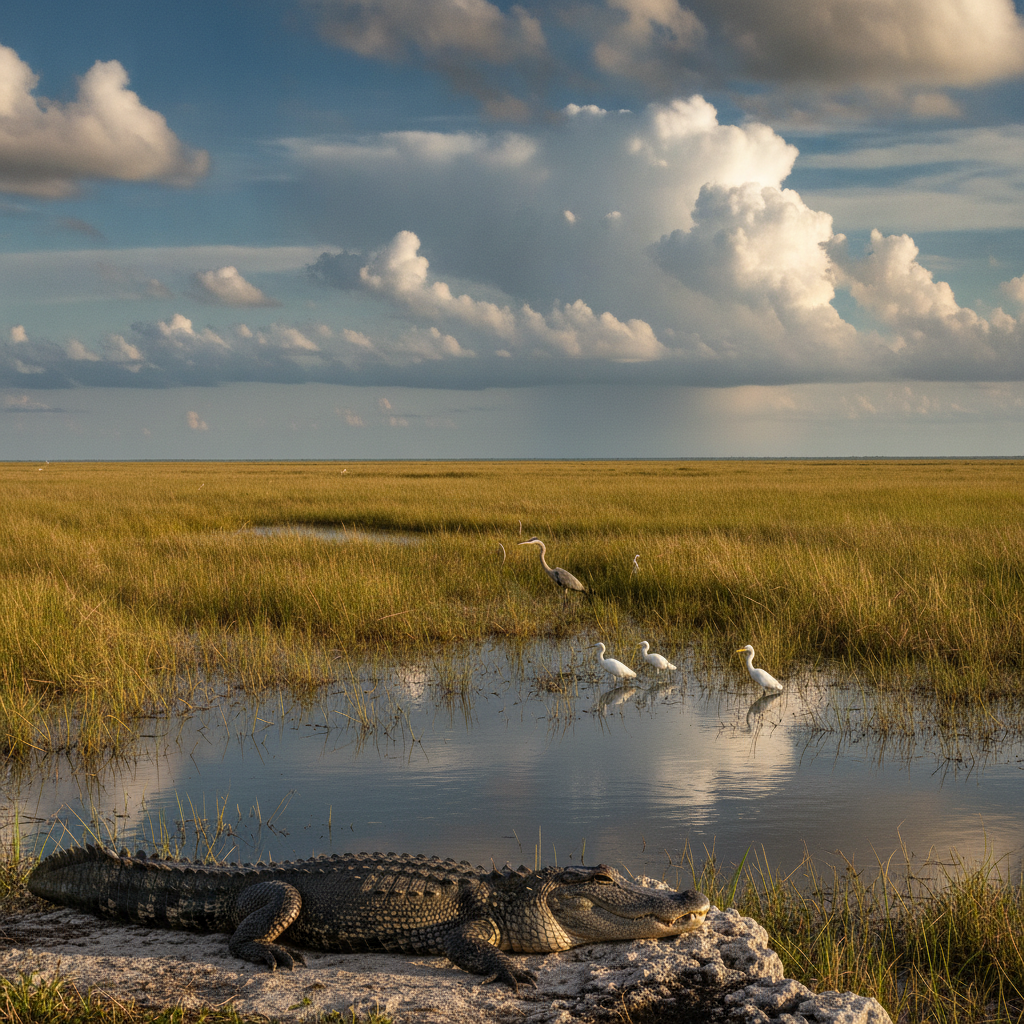
Everglades & Biscayne National Park — The Wilderness at Miami's Door
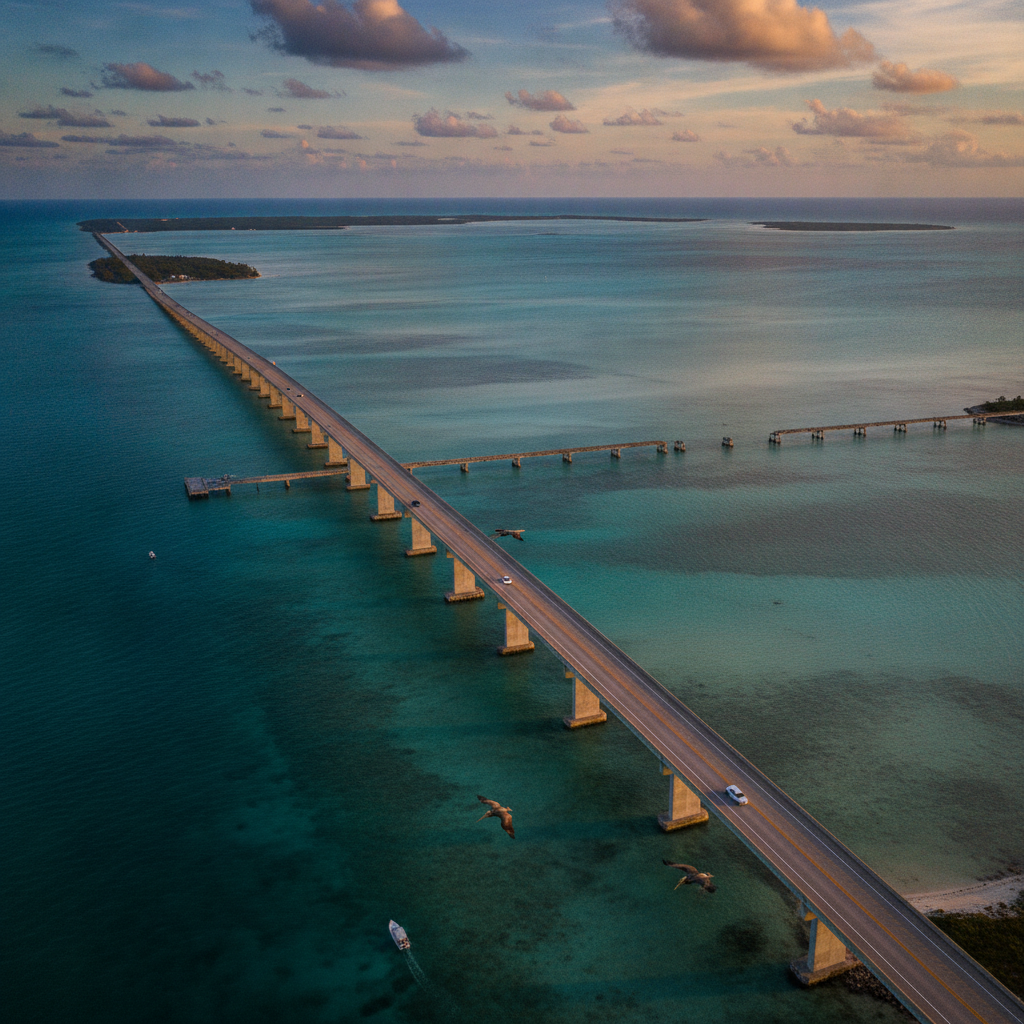
Florida Keys & Key West — The End of the Road and the Reef
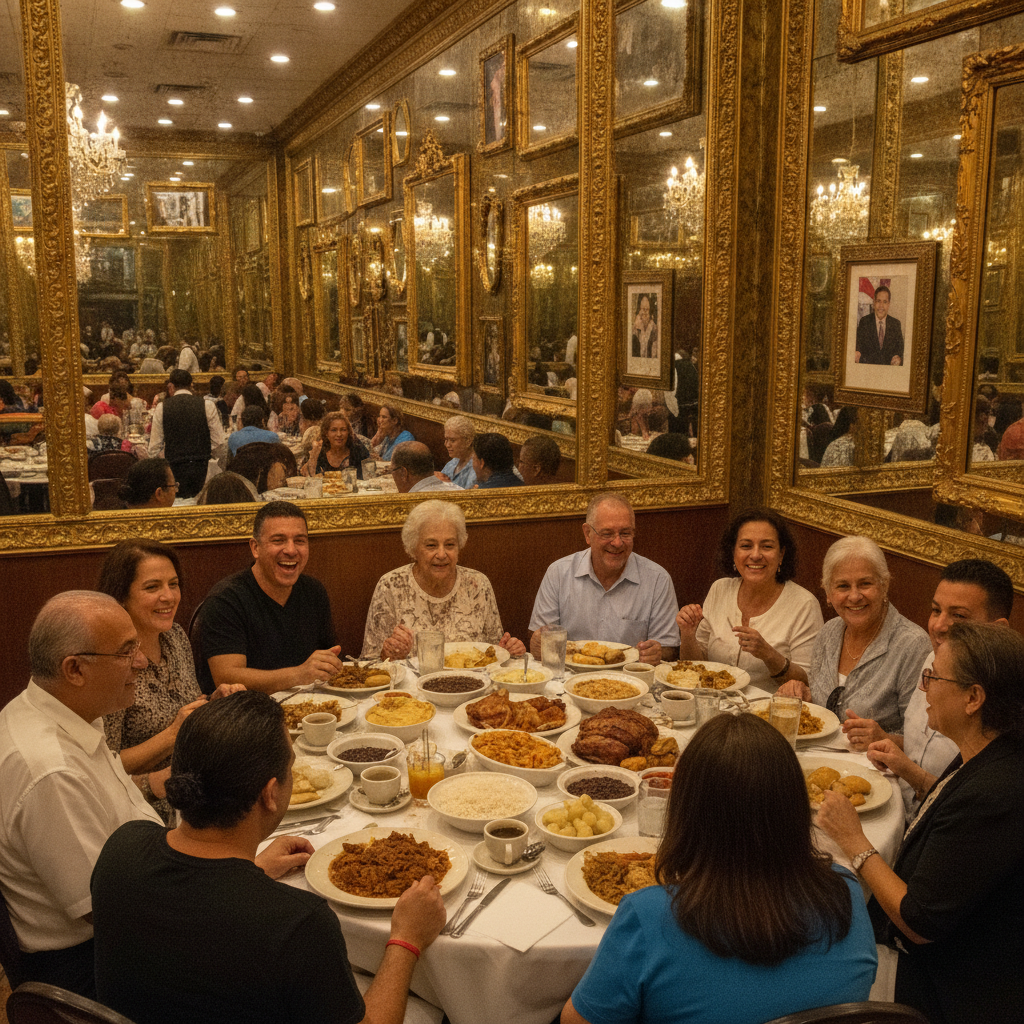
Miami's Global Table — Cuban, Haitian, Venezuelan & Caribbean Cuisine
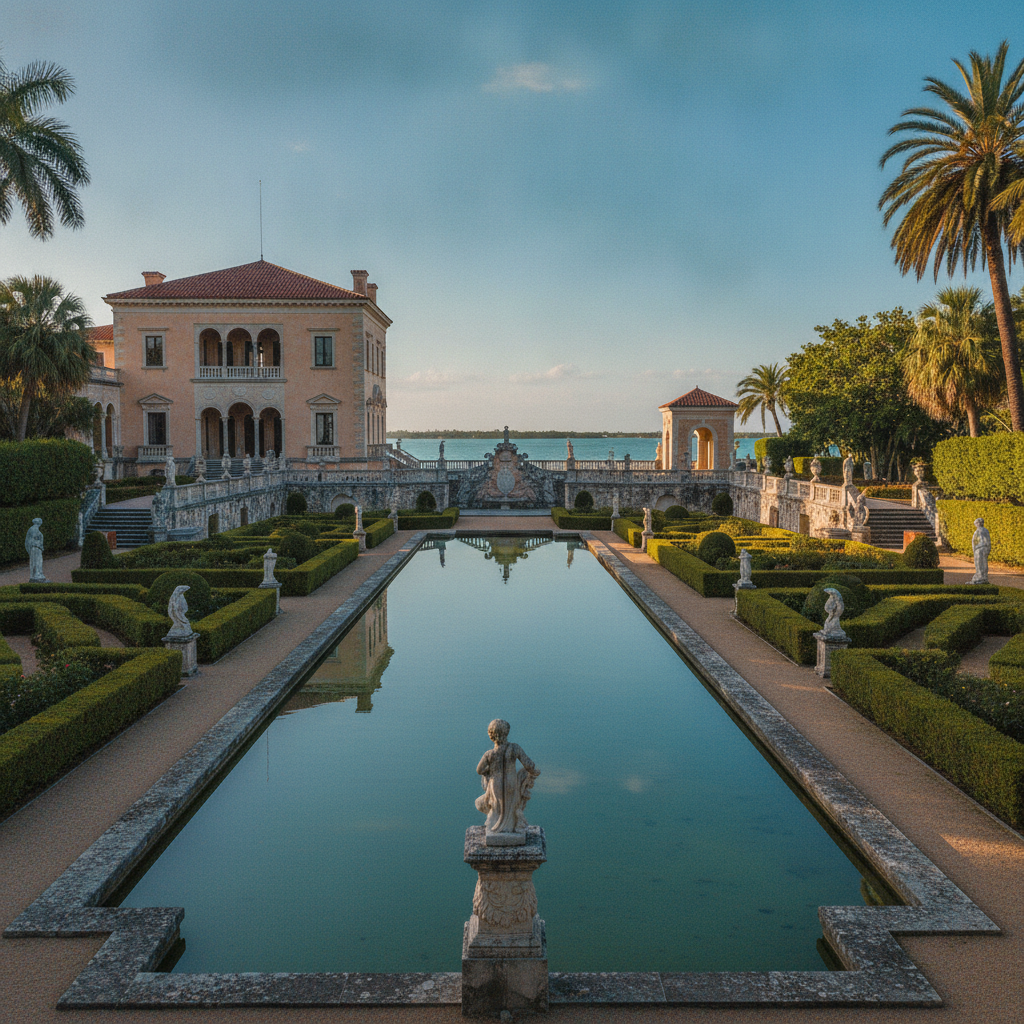
Vizcaya, Coconut Grove & Miami's Historic Soul
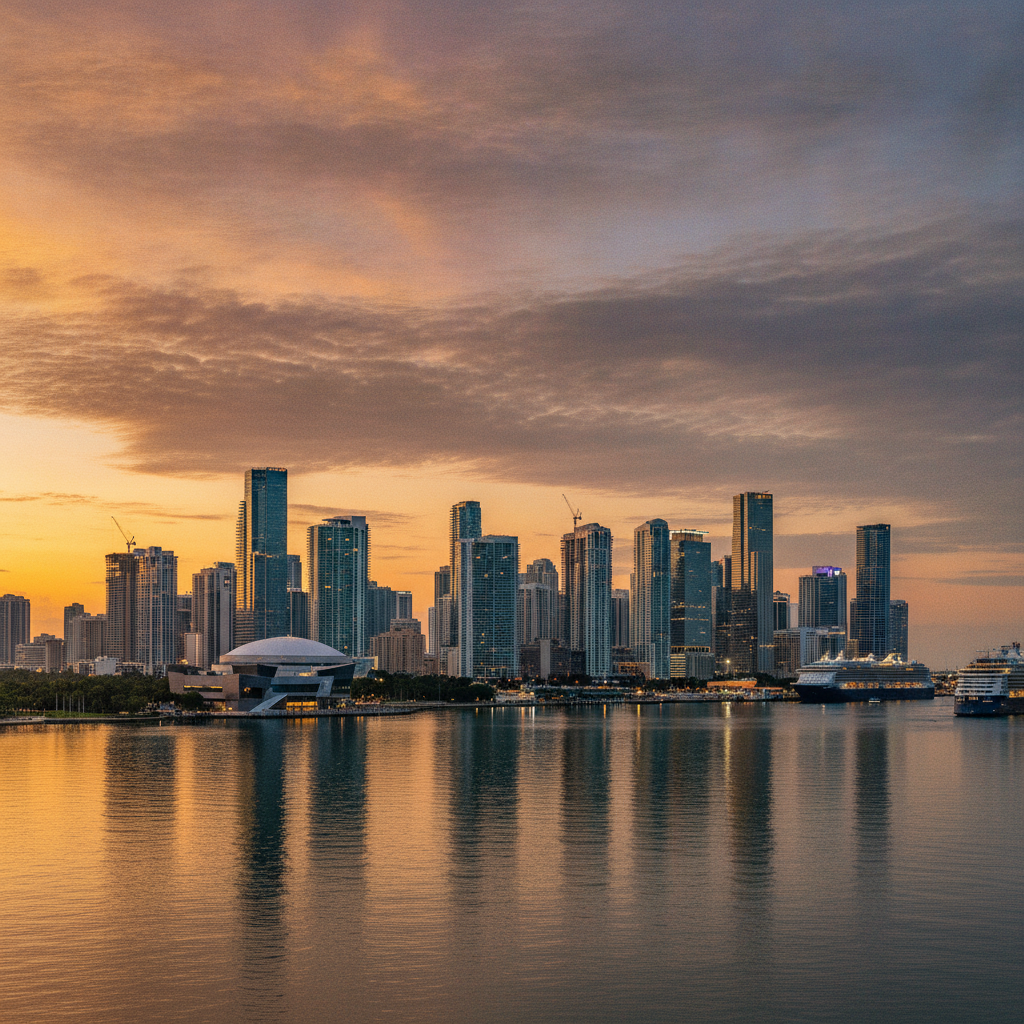
Brickell, Downtown & Miami's Soaring Financial District