Mindo: Community Conservation in Action
Mindo's transformation from a farming village to a conservation and ecotourism hub is one of Ecuador's great environmental success stories; the community fought to protect the Mindo-Nambillo forest from a pipeline and now lives from its biodiversity
- 1
Pipeline Fight in the 1990s
In the early 2000s, the Mindo community fought against the construction of OCP's heavy crude oil pipeline through the Mindo-Namillo cloud forest; the international campaign attracted global attention and eventually forced the pipeline to be changed; the struggle is a landmark in Ecuadorian environmental activism
- 2
Mindo-Nambilo Protected Forest
Bosque Protector Mindo-Nambillo — 19,200 hectares of cloud forest — was established in 1988 and has been strengthened by community activism; the protection includes the watershed that supplies Quito's drinking water and the bird diversity that makes Mindo globally significant
- 3
Birdwatching Economy
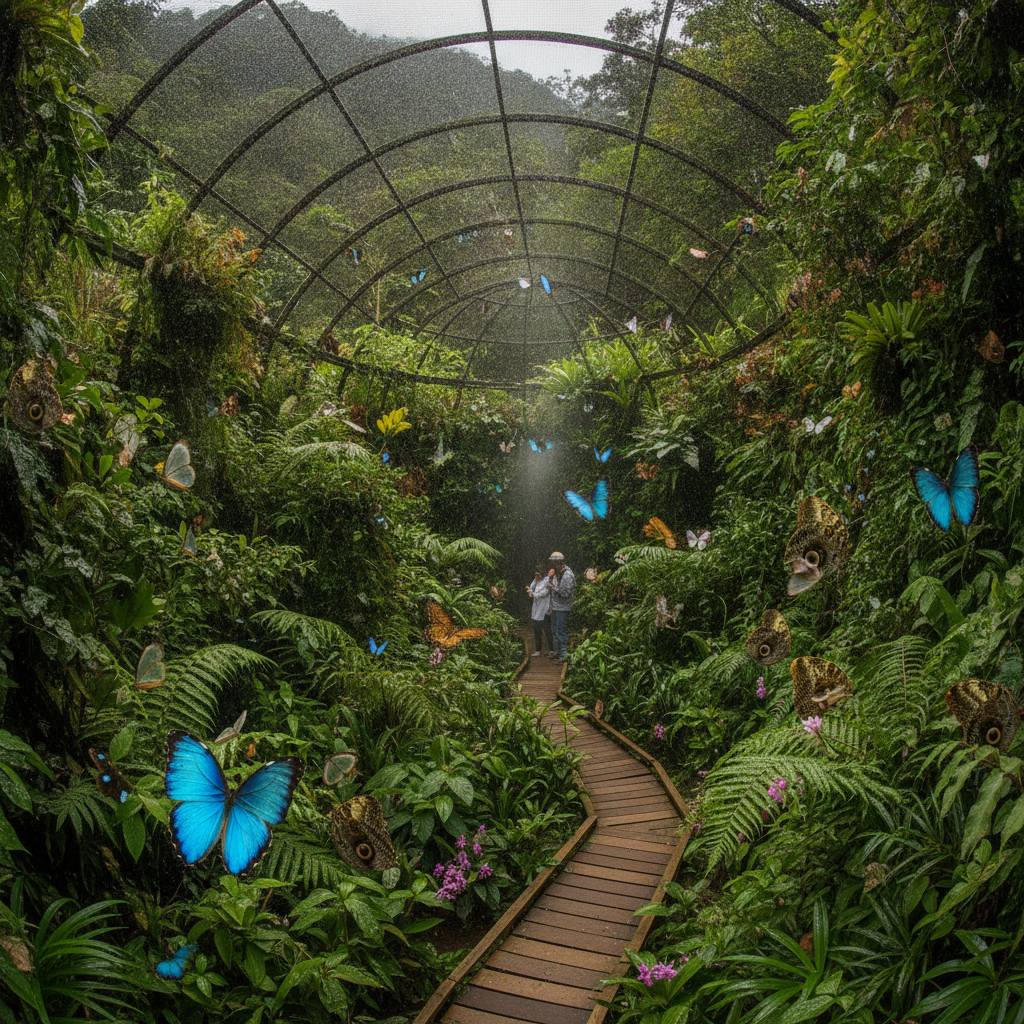
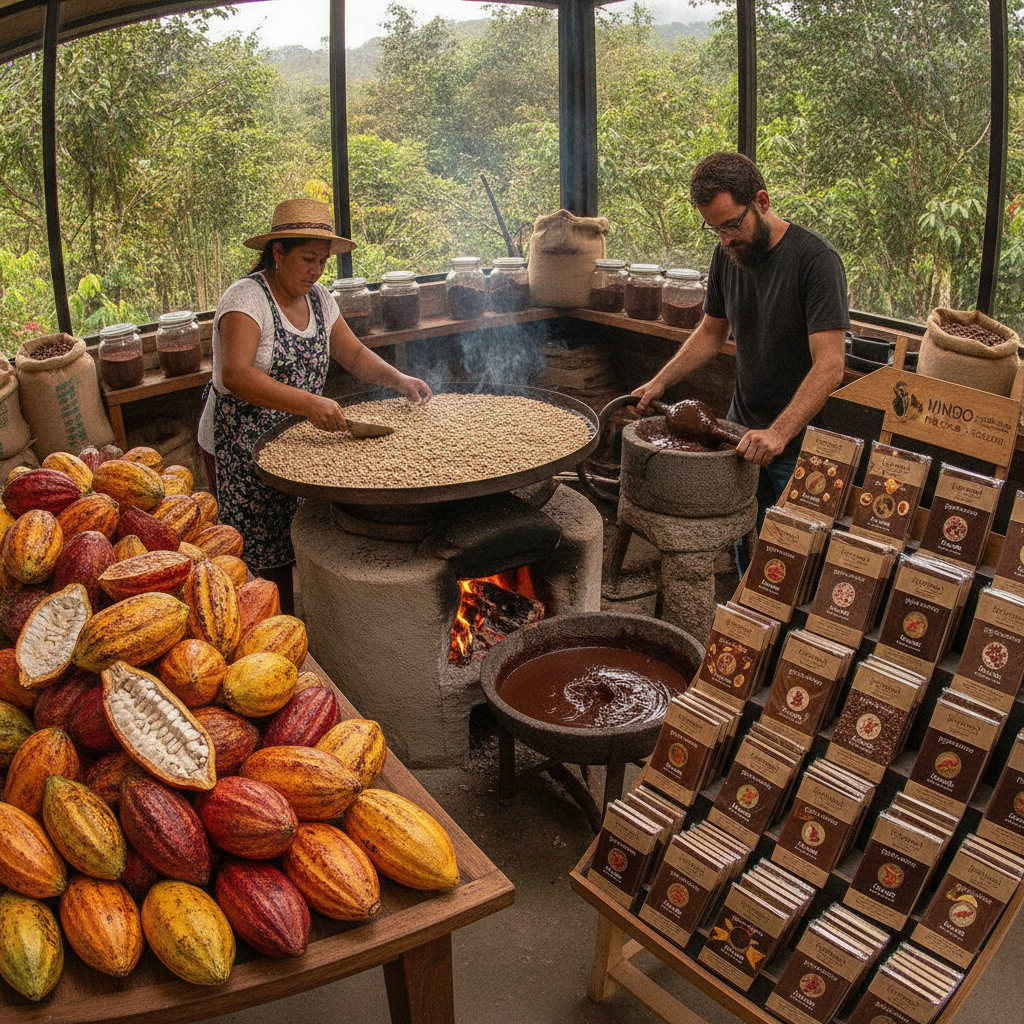
Mindo's economy is almost entirely based on ecotourism - the lodges, guides, butterfly gardens, chocolate workshops and restaurants all depend on the bird diversity that attracts visitors; this economic dependence on intact forest is the most powerful incentive for conservation
- 4
Local guide training
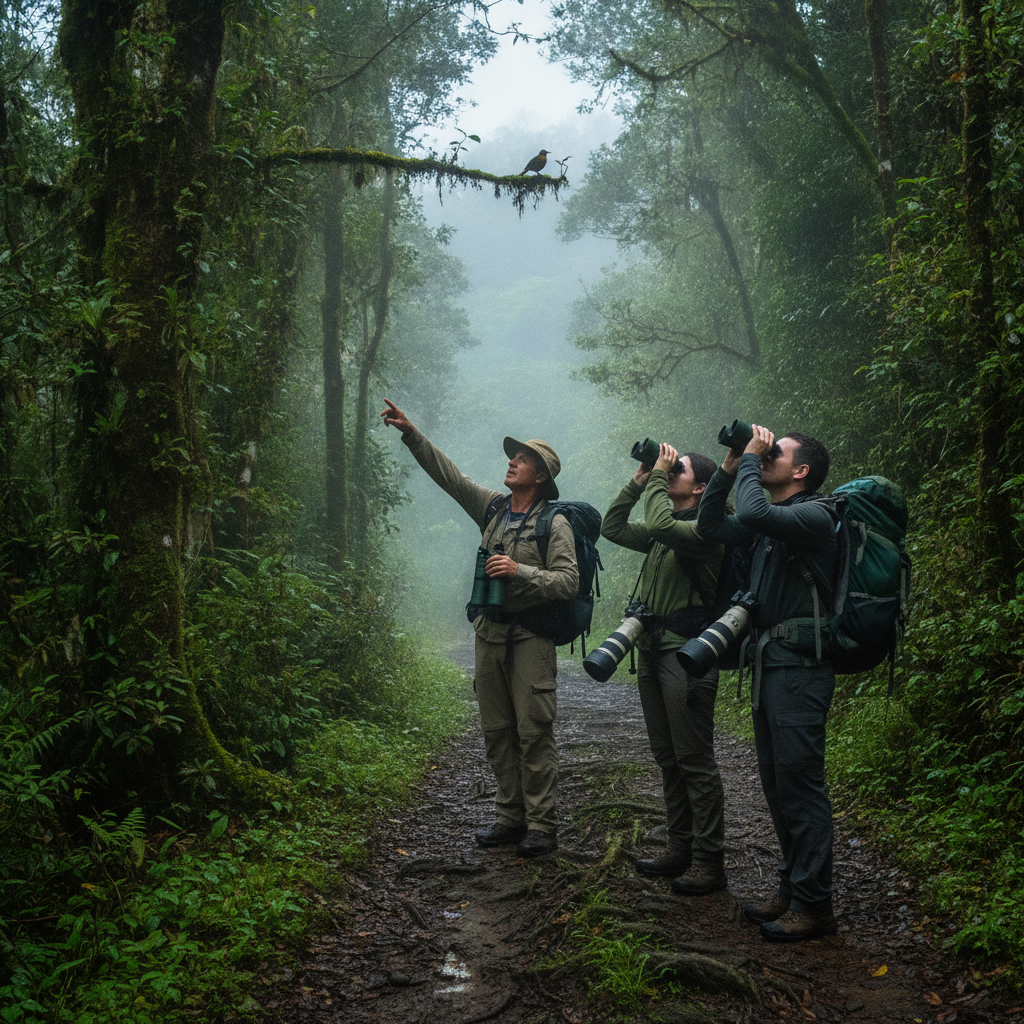
Mindo has invested in training local naturalists – youth from Mindo families who have become expert ornithologists and naturalists; the expertise of the guides, combined with their local ecological knowledge, creates guiding experiences of exceptional quality
- 5
International Birdwatching Tourism
Mindo attracts serious birders from all over the world — the destination is featured in every major birding guide to Ecuador; the combination of accessible logistics (2 hours from Quito), comfortable accommodation and outstanding bird diversity make Mindo the world's most effective birding destination per day
- 6
Community land holdings
Several Mindo families have retained their cloud forest land rather than convert it to agriculture — the economic value of intact forest for tourism has made conservation more economically rational than agriculture; this land use decision by individual families has preserved significant forest areas
Walk this route with audio
Stories play automatically as you reach each stop — no tapping needed.
More in Mindo
Mindo Orchids: Ecuador's 4,000-Species Treasure

Mindo's Secret Mammals: Ocelots, Tapirs & Woolly Monkeys
Mindo Waterfall Trails: Cloud Forest Hiking
Mindo River Tubing: Floating Through Cloud Forest
Mindo Chocolate: Farm to Bar in the Cloud Forest