Minneapolis: Bob Dylan Dinkytown Coffeehouses, East African Little Mogadishu and Gehry Campus
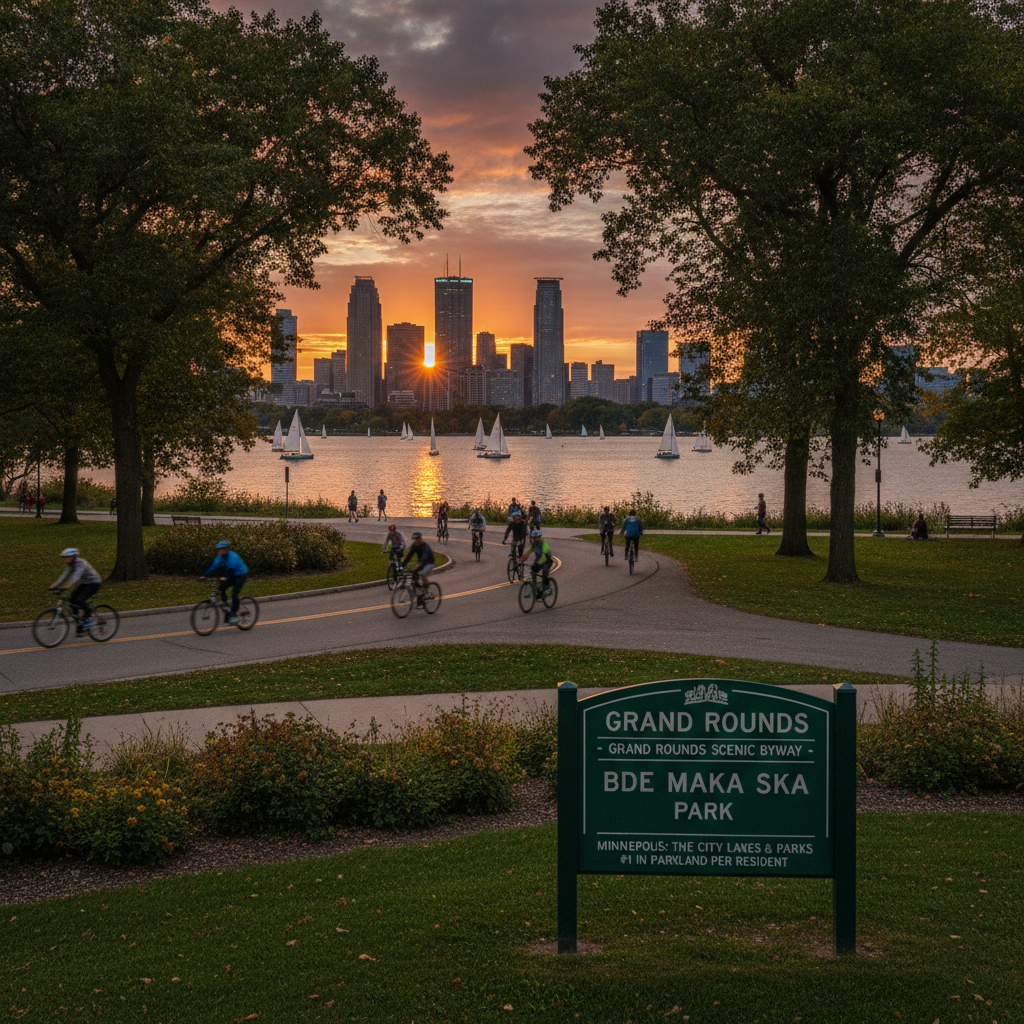
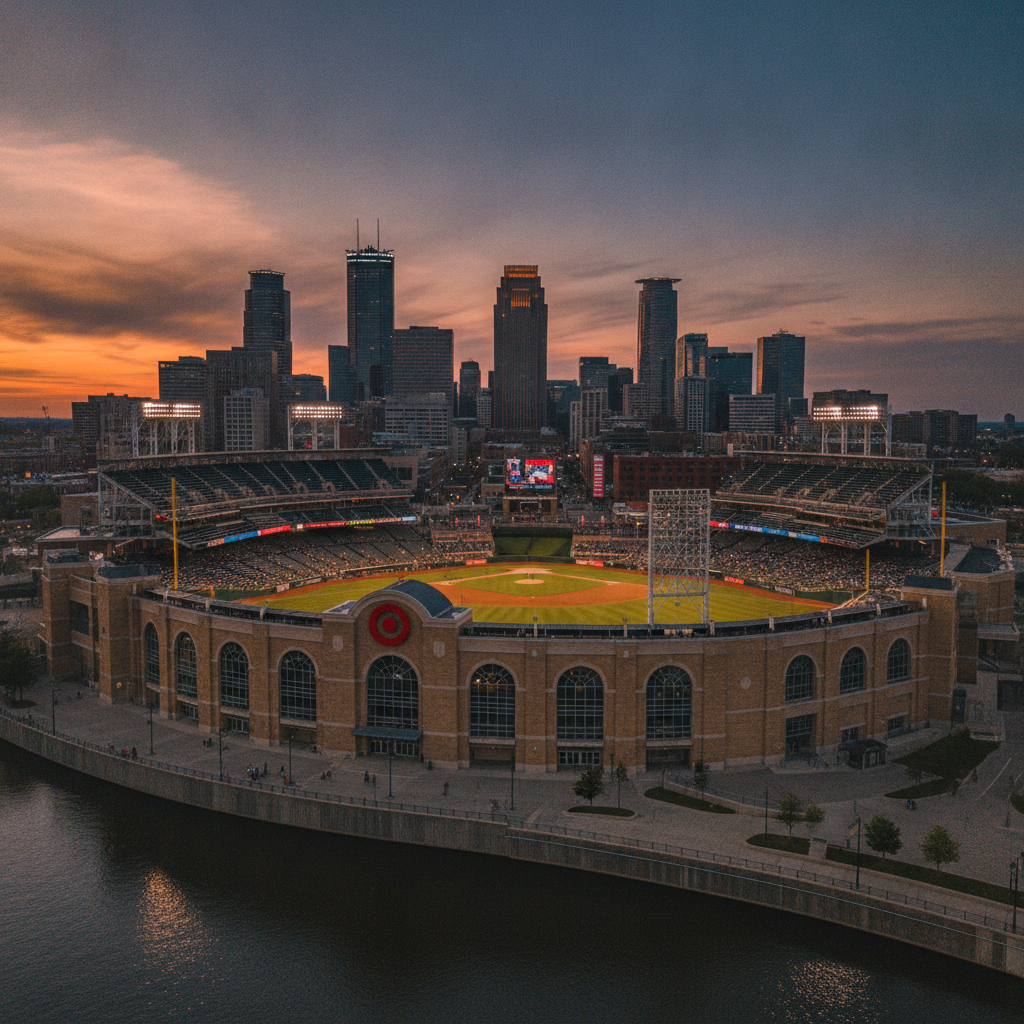
Hike the Mississippi River Gorge the only true gorge on the upper river through limestone bluffs on the Grand Rounds Scenic Byway, watch the Twins play outdoors at Target Field where limestone and skyline views make it one of the most beautiful ballparks in baseball, walk Dinkytown where Bob Dylan launched his career at the Ten OClock Scholar before leaving for New York, explore Bde Maka Ska Uptown waterfront and Eat Street for Vietnamese and Somali food on Nicollet, see how Minneapolis largest Somali diaspora in the US transformed Cedar-Riverside into Little Mogadishu, and visit 500 artists in their Northeast studios during Art-A-Whirl open studios.
- 1
Mississippi River Gorge and Ford Dam
The Mississippi River Gorge through Minneapolis, the only true gorge on the Upper Mississippi, runs 5.6 miles from St. Anthony Falls south to the Ford Bridge, with limestone bluffs rising up to 100 feet above the river and providing the most dramatic natural landscape within the twin cities. The River Road trails on both the Minneapolis and Saint Paul banks are part of the Grand Rounds National Scenic Byway, a 50-mile loop of parkways and trails connecting Minneapolis parks systems designed by Horace Cleveland beginning in 1883. Lock and Dam No. 1 at the Ford site, which ended commercial navigation above Minneapolis when completed in 1917, is surrounded by the former Ford Motor Company assembly plant site now being redeveloped as the Ford Site master planned community. Hidden Falls Regional Park and Crosby Farm Regional Park on the Saint Paul side offer rugged woodland trails that feel more wilderness than urban park.
- 2
Minneapolis Sports and Target Field
Target Field, the home of the Minnesota Twins opened in 2010 in the North Loop neighborhood adjacent to downtown, brought Major League Baseball back outdoors in Minneapolis after the Twins spent decades in the Hubert H. Humphrey Metrodome. The park is widely regarded as among the most beautiful in baseball for its limestone exterior, views of the Minneapolis skyline, and comfortable intimacy. The Minnesota Vikings returned to outdoor play at US Bank Stadium, opened in 2016 downtown, a dramatic angular glass building that hosted Super Bowl LII in 2018. The Minnesota Timberwolves, Lynx, and Wild round out the professional sports scene. The Twins World Series championships of 1987 and 1991, both won in the Metrodome with a dome-amplified crowd noise advantage, are the peaks of Minnesota baseball history. The 1991 series against the Atlanta Braves, which produced seven games each decided by one run with four extra-inning games, is considered by many observers the greatest World Series ever played.
- 3
Dinkytown and University of Minnesota
Dinkytown, a commercial corridor of independent restaurants, coffee shops, bookstores, and music venues in the Southeast neighborhood adjacent to the University of Minnesota, is a surviving fragment of mid-20th-century urban commercial village character in a city that has otherwise substantially redeveloped its university neighborhoods. Bob Dylan lived in Dinkytown for several months in 1959 and 1960 before leaving for New York and launched his performing career at the Ten OClock Scholar coffeehouse. The University of Minnesota, founded in 1851 before Minnesota achieved statehood, is the flagship campus of one of the largest state university systems in the country, with over 50,000 students on the Minneapolis campus. The Weisman Art Museum on the east bank of the Mississippi, designed by Frank Gehry and opened in 1993, was one of his first major built works before Bilbao and remains one of the more distinctive stainless steel sculptural buildings on the American campus landscape.
- 4
Uptown and Lyn-Lake Neighborhoods
Uptown, the neighborhood centered on the intersection of Hennepin Avenue and Lake Street in southwest Minneapolis, has been the center of Minneapolis alternative culture, LGBTQ community, independent retail, and nightlife since the 1970s. Calhoun Square at the corner of Hennepin and Lake houses an independent retail complex. The Uptown Theater, a 1939 Art Deco movie palace, operates as an independent cinema. The Calhoun-Isles community along Lake Calhoun, now officially renamed Bde Maka Ska using its original Dakota name restored in 2018, is one of the highest-density residential areas in the Twin Cities. The Lyn-Lake neighborhood east of Uptown has a strong arts and nightlife scene centered on Lyndale and Lake. Eat Street along Nicollet Avenue in Whittier has the highest concentration of ethnic restaurants in Minnesota, with Vietnamese, Ethiopian, Somali, Mexican, and Southeast Asian restaurants clustered along a corridor reflecting Minneapolis diverse immigrant communities.
- 5
Somali and East African Communities
Minneapolis is home to the largest Somali diaspora community in the United States, estimated at over 70,000 people, concentrated in the Cedar-Riverside neighborhood near the University of Minnesota and in suburbs including Brooklyn Center and Brooklyn Park. Cedar-Riverside, nicknamed Little Mogadishu, contains Somali restaurants, halal grocery stores, community organizations, and mosques along Cedar Avenue. The community fled civil war beginning in the early 1990s and was resettled through Lutheran and Catholic immigration services. Minnesota has accepted more Somali refugees than any other state. The Oromo, Ethiopian, and other East African communities add to a broader East African Minneapolis presence that has shaped the city food scene, electoral politics, and cultural institutions. Ilhan Omar, elected to Congress from Minneapolis in 2018, became the first Somali American and first woman wearing hijab elected to the US House of Representatives.
- 6
Northeast Minneapolis Arts District
Northeast Minneapolis, the neighborhood east of the Mississippi River and north of the university, was historically a working-class Eastern European immigrant neighborhood of Poles, Czechs, Ukrainians, and Slovaks who worked in the nearby industries. The neighborhood retains Orthodox and Eastern Catholic churches, Polish and Czech bakeries, and corner bars from this era. Beginning in the 1990s Northeast attracted artists drawn by inexpensive warehouse space, and it now contains the highest concentration of working artists of any neighborhood in Minnesota. Art-A-Whirl, a three-day open studio event held each May in which over 500 artists open their studios to the public, is one of the largest such events in the country. The 612 Brew, Indeed Brewing, and Northeast Juicy Lucy burger restaurants have made the neighborhood a destination. The Ukrainian cultural presence, strengthened after the 2022 Russian invasion, includes active churches and cultural organizations.
Walk this route with audio
Stories play automatically as you reach each stop — no tapping needed.
More in Minneapolis
Minneapolis: Cuba-Touring Orchestra, Indigenous James Beard Winner and 150 Miles of Lake Superior Cliffs
Minneapolis: Mississippi River national park and 22 city lakes (best urban park system US, Grand Rounds 87km loop, Bde Maka Ska), Prince and Paisley Park (Purple Rain 1984, First Avenue nightclub, 100M records, Paisley Park museum), Mall of America (largest US mall, 40M visitors, Nickelodeon Universe, Walker Art Center Spoonbridge and Cherry, Guthrie Theater Jean Nouvel), Twin Cities food and diversity (Somali diaspora largest US 70,000-100,000, Hmong Village Saint Paul, Juicy Lucy invention, Minnesota State Fair 2M visitors), George Floyd Square (May 25 2020, Darnella Frazier, largest US protest movement 15-26M people, Chauvin convicted 2021), Practical (skyway system 13km longest world, Vikings 4 Super Bowls 0 wins, MSP airport Delta hub, Metro Blue Line airport rail)
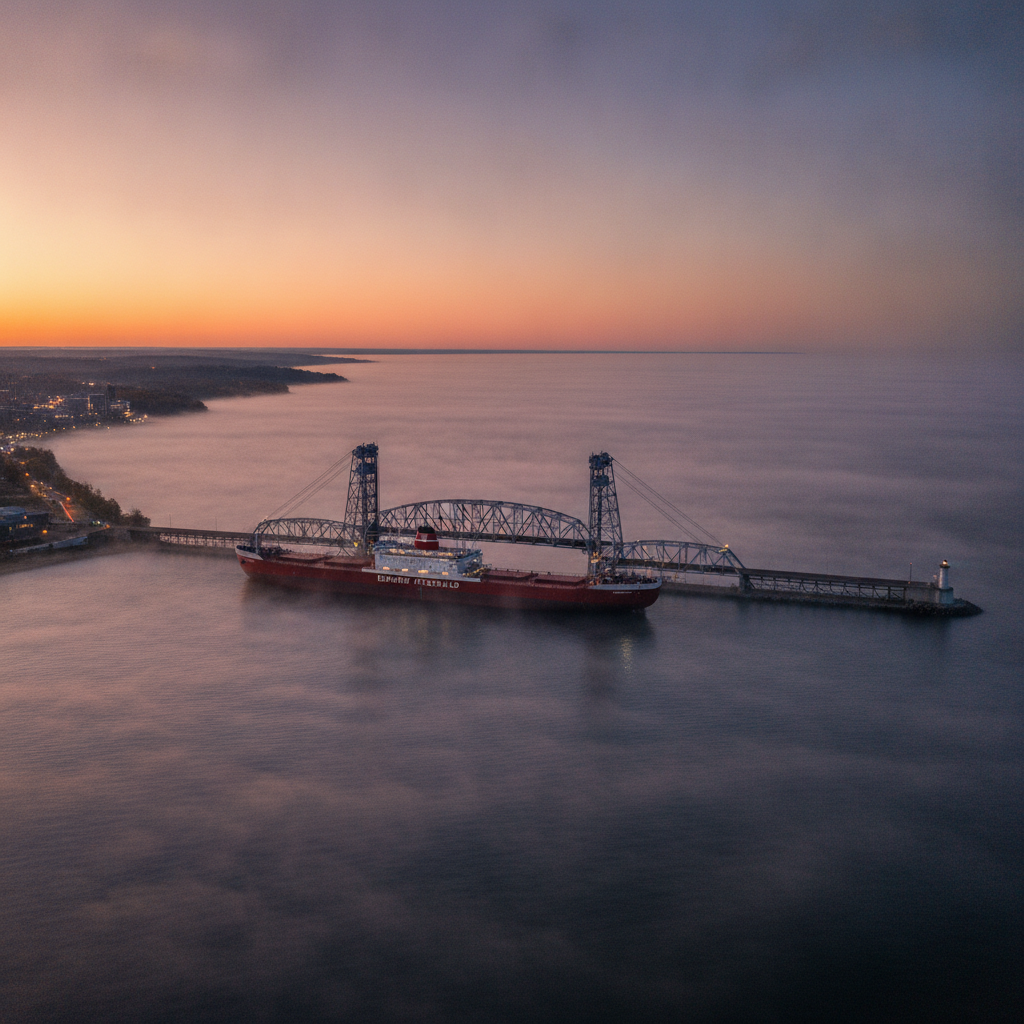
Minneapolis R2: Nicollet Mall and downtown architecture (IDS Center Philip Johnson 1972, Foshay Tower 1929 W Hotel, Mary Tyler Moore statue, Hennepin Ave theater district), University of Minnesota (51,000 students, 29 Nobel laureates, Norman Borlaug Green Revolution 1 billion deaths prevented, Bob Dylan Dinkytown 1959-1960), Boundary Waters Canoe Area (1.1M acres, 1,175 lakes, most visited US wilderness, Twin Metals mining controversy), Saint Paul (Minnesota State Capitol Cass Gilbert, Summit Avenue F. Scott Fitzgerald, Cathedral of Saint Paul), Minnesota Scandinavian heritage (1.5M Norwegian descent, Minnehaha Falls Longfellow, lutefisk Lutheran church suppers, Lake Wobegon Garrison Keillor), Day trips (Duluth Lake Superior Aerial Lift Bridge, Mayo Clinic Rochester, Stillwater Victorian birthplace of Minnesota)
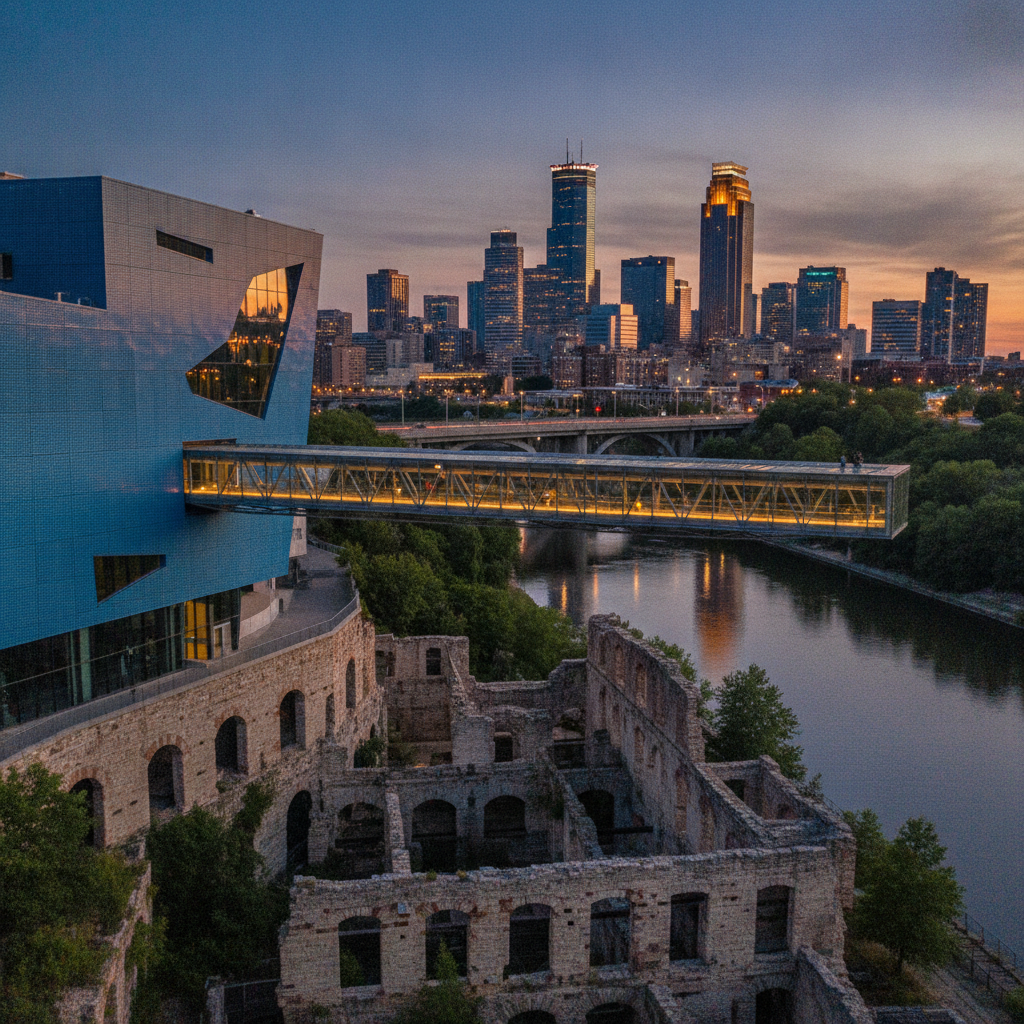
Minneapolis: F. Scott Fitzgerald Summit Avenue, Guthrie Theater Over the River and 9 Miles of Indoor Skyways
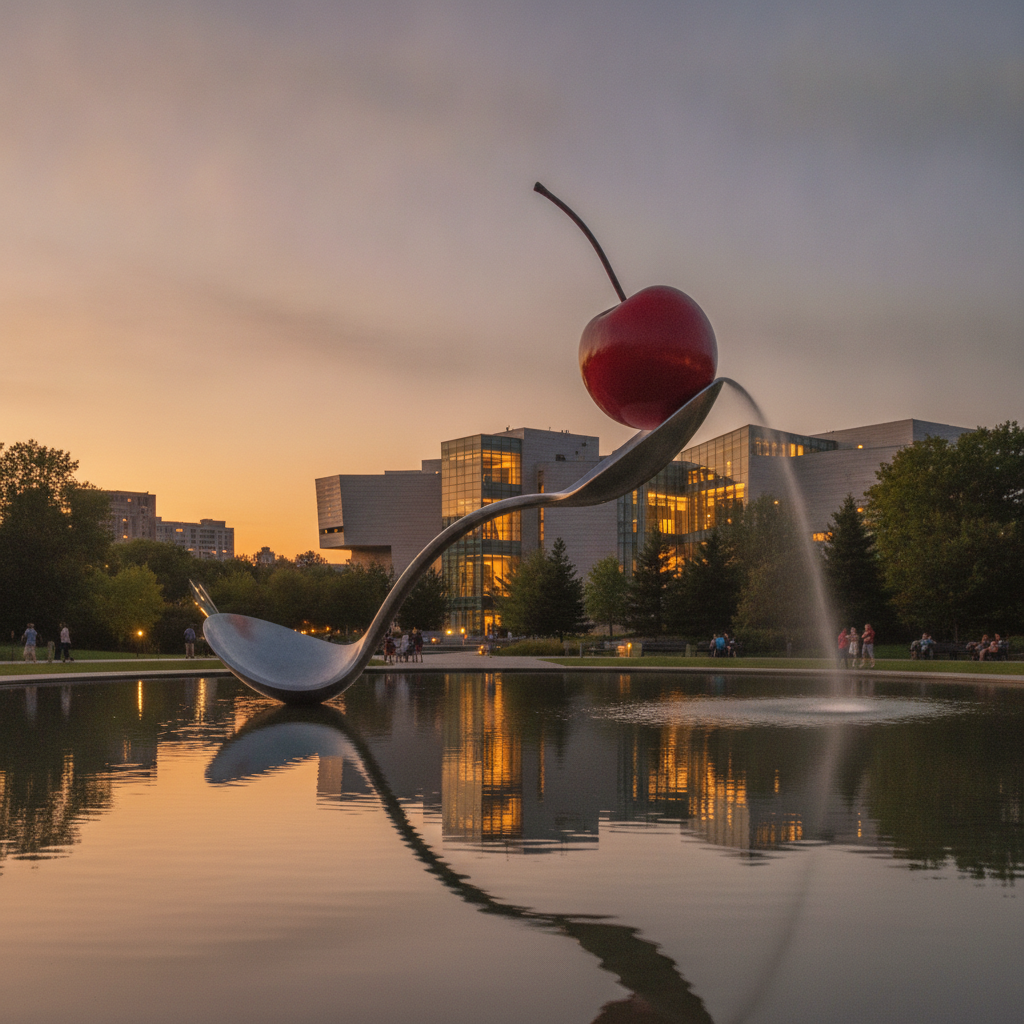
Minneapolis: Prince Paisley Park, Spoonbridge Cherry and the Busiest Wilderness in America