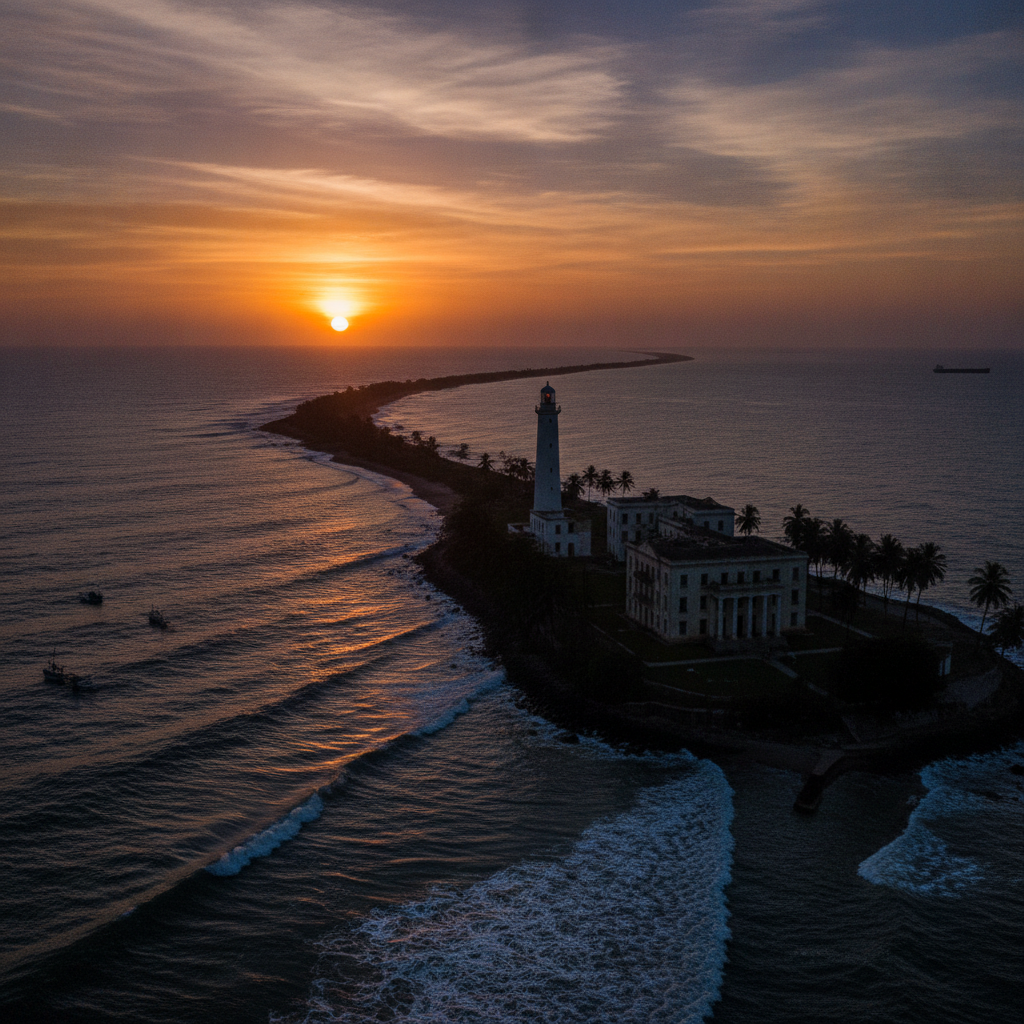
Liberian Rubber Plantations: Firestone & the Forest Economy
Liberia's economy was shaped by rubber — the Firestone plantation established in 1926 was once the world's largest, and the rubber tree forests that cover the interior tell a complex colonial story
- 1
Firestone Plantation History
Firestone Natural Rubber Company signed a 99-year lease in 1926 covering 400,000 hectares - the plantation transformed Liberia's economy and created a dependency that lasts
- 2
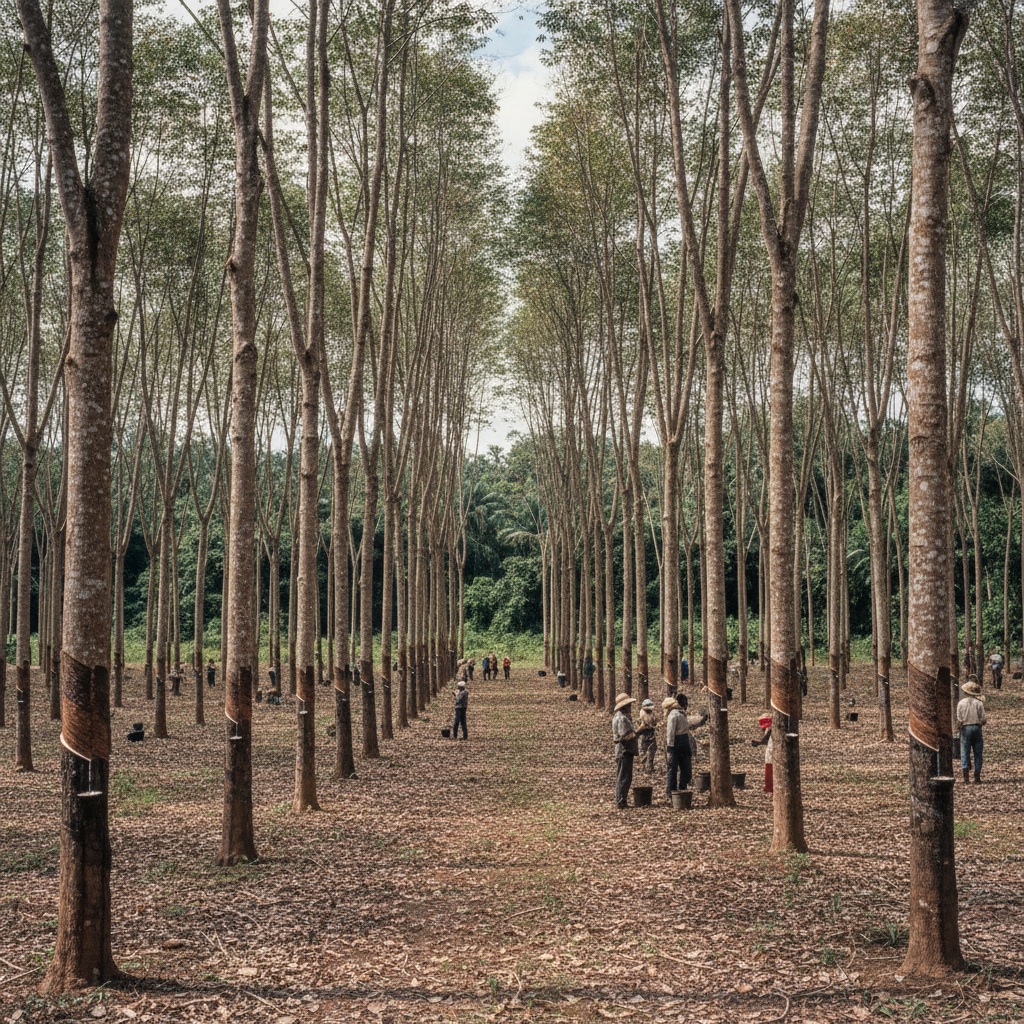
Rubber tree tapping demonstration
Skilled tappers make precise diagonal cuts in the rubber tree's bark — the white latex drips into a small cup overnight, collected at dawn in a labor-intensive daily ritual
- 3
Plantation Worker Communities
The communities of rubber tappers living inside the plantation have maintained their way of life for generations — company towns with schools, clinics and churches inside the forest
- 4
Liberia Forest Concession Controversy
The conflict between logging concessions and community forest rights is one of Liberia's most contentious issues — visiting the forest-plantation border brings the tension to life
- 5
Wild Rubber Forest History
Before Firestone, Liberia's forests provided wild rubber — the brutal colonial extraction of wild rubber from the Congo and Liberia was one of the great human rights disasters of the 19th century
- 6
Forest recovery after planting
Areas where plantation rubber has been abandoned are slowly recovering to secondary forest - a natural regeneration process that demonstrates the resilience of the West African rainforest
Walk this route with audio
Stories play automatically as you reach each stop — no tapping needed.
More in Monrovia
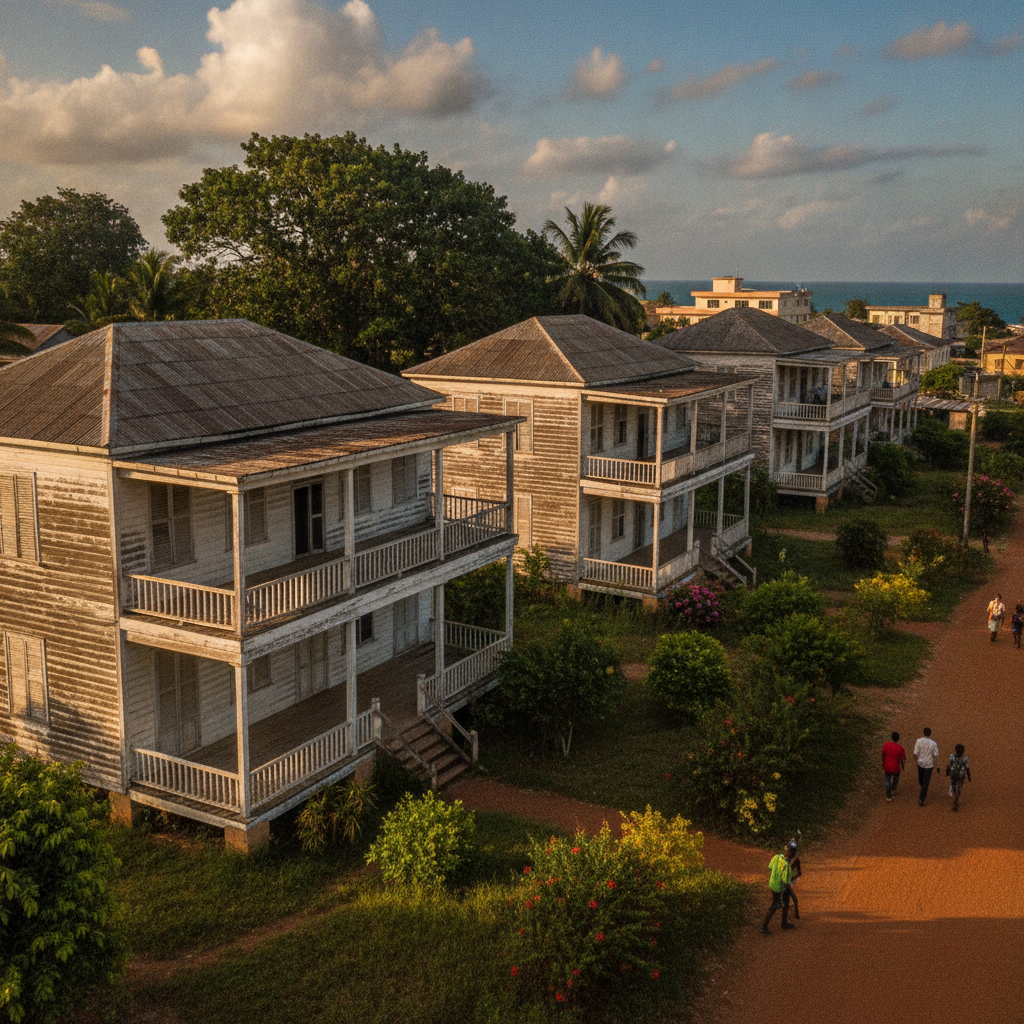
Americo-Liberian Heritage: Freed Slaves Who Built a Nation
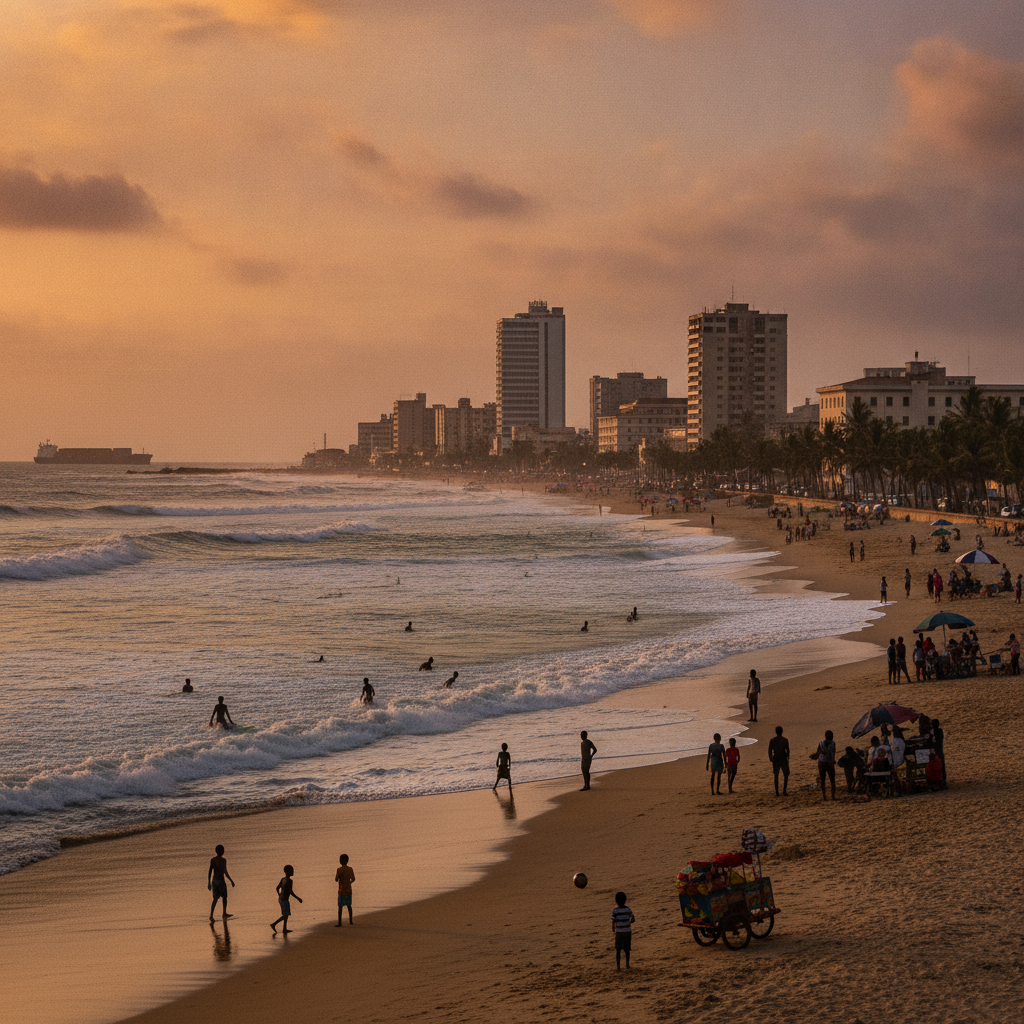
Monrovia Beach: Atlantic Surf & Weekend Social Life

Sapo National Park: Pygmy Hippos & West Africa's Last Rainforest
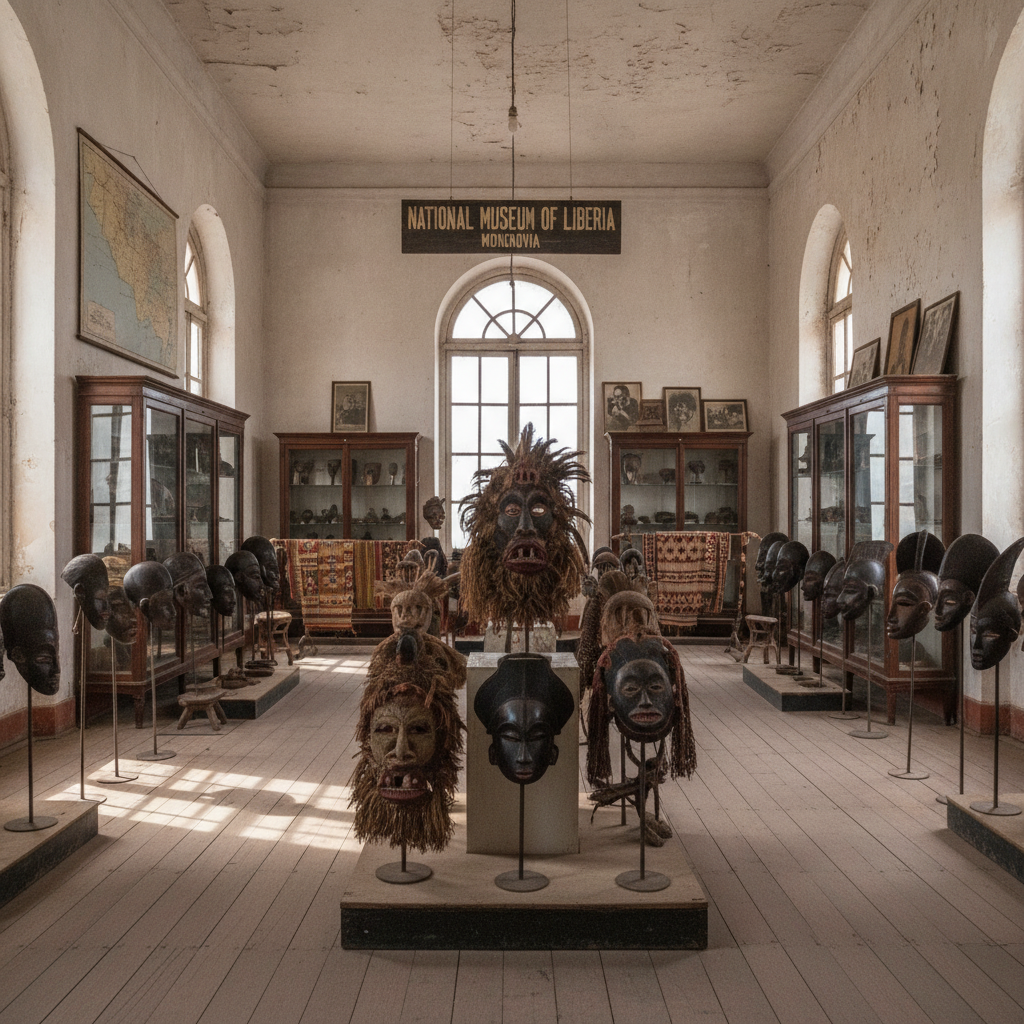
National Museum of Liberia: Poro Masks & Indigenous Heritage
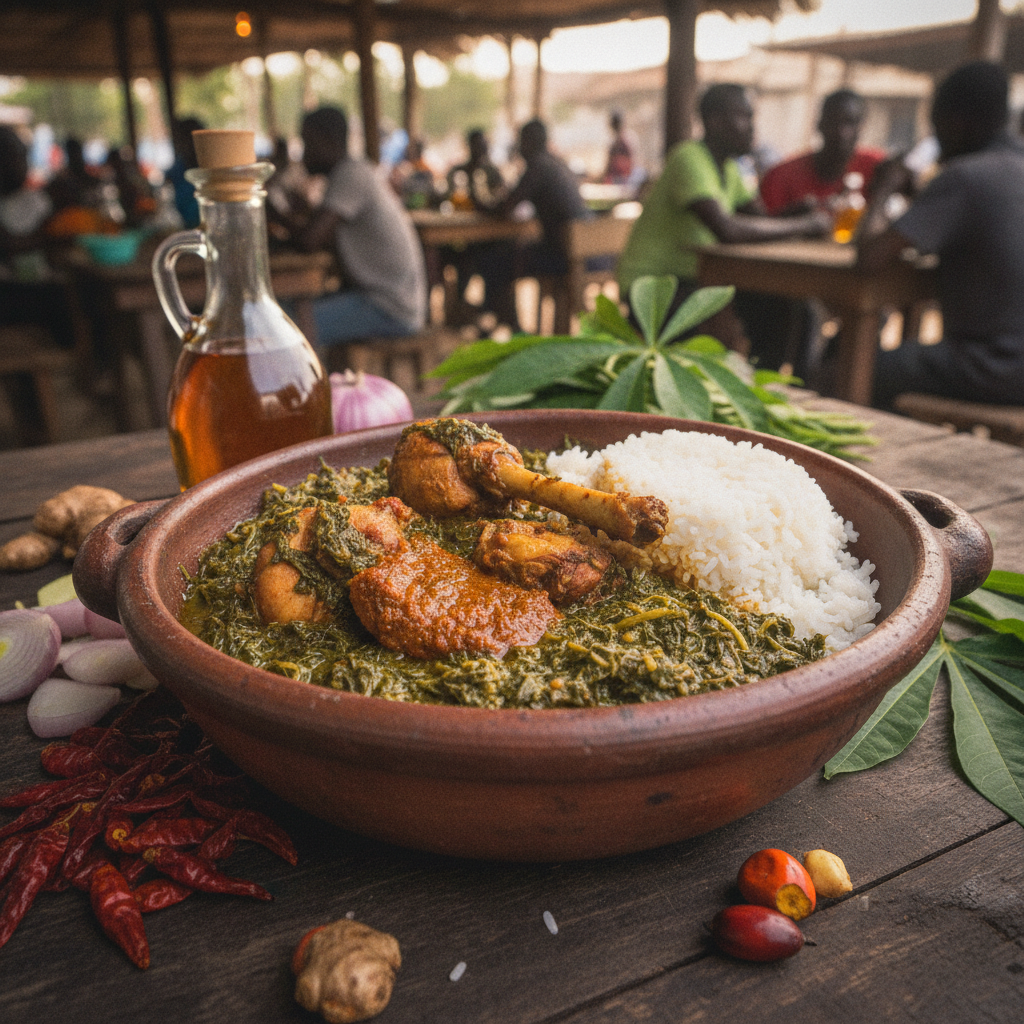
Liberian Cuisine: Cassava Leaf, Palm Butter & Country Chop