Jamaica Context: Patois Language, LGBTQ Reality, the Film Heritage, Post-Colonial Challenges, and the Global Diaspora
The broader Jamaican context accessible from Montego Bay includes the Patois creole language that carries the culture, the complex LGBTQ reality in the resort zones, the James Bond film heritage, the post-colonial development challenges, and the extraordinary global cultural influence of the Jamaican diaspora.
- 1
LGBTQ Jamaica: The Contradiction
Jamaica has one of the most internationally scrutinized records on LGBTQ rights in the Caribbean, with the colonial-era buggery law remaining on the statute books and a culture of public homophobia that has generated international human rights concern and complicated the tourism relationship with LGBTQ travelers who constitute a significant segment of the Caribbean tourism market. The reality is more complex than the reputation: the resort zones of Montego Bay and Negril operate with more tolerance than the broader Jamaican society.
- 2
Jamaican Patois: The Creole Language
Jamaican Patois, the English-based Creole language of Jamaica that combines West African grammatical structures with English vocabulary, French, and Arawak loan words in a distinctive linguistic system quite different from standard English, is the first language of most Jamaicans and the medium through which dancehall music, Jamaican comedy, and the informal social life of the island is conducted. The relationship between Patois and standard English in Jamaican public life is one of the most interesting sociolinguistic situations in the Caribbean.
- 3
Jamaica Economy: Tourism and Remittances
The Jamaican economy depends on two primary income sources: tourism, which generates approximately 30 percent of GDP through the resort economy centered on Montego Bay and Negril, and remittances, the money sent home by the large Jamaican diaspora communities in the United States, United Kingdom, and Canada that collectively exceed the foreign exchange earnings of the tourism sector. The dependency on these two external income sources creates economic vulnerability to global shocks.
- 4
Jamaican Film: The Island on Screen
Jamaica has a significant film heritage from its role as the location for numerous James Bond films including Dr. No filmed at Oracabessa and Goldeneye, through the 1972 The Harder They Come that introduced Jamaican reggae and ghetto culture to the international cinema, to the contemporary Jamaican production sector that has developed with the regional Caribbean stories. The production locations of the north coast provide a film tourism circuit connecting the literary and cinematic heritage.
- 5
Post-Colonial Jamaica: Development Challenges
Jamaica achieved independence in 1962 with significant natural and human assets: a well-educated English-speaking population, the finest beaches in the Caribbean, and a vibrant culture. The subsequent six decades have been marked by the failure to translate these assets into broad-based economic development due to the combination of IMF structural adjustment, political tribalism, the drug economy, and the concentration of economic wealth in the resort zone economy that has not generated the diversified manufacturing or services economy that the small island needs.
- 6
Jamaican Diaspora: The Global Island
The Jamaican diaspora, with significant communities in the United Kingdom where Jamaicans arrived as part of the Windrush generation from the late 1940s, in the United States particularly in New York and Miami, and in Canada particularly in Toronto, has produced a cultural influence on the host countries disproportionate to Jamaica's small population: the reggae music, the jerk food, the carnival tradition, and the athletic excellence have become part of the cultural mainstream of the host countries.
Walk this route with audio
Stories play automatically as you reach each stop — no tapping needed.
More in Montego Bay
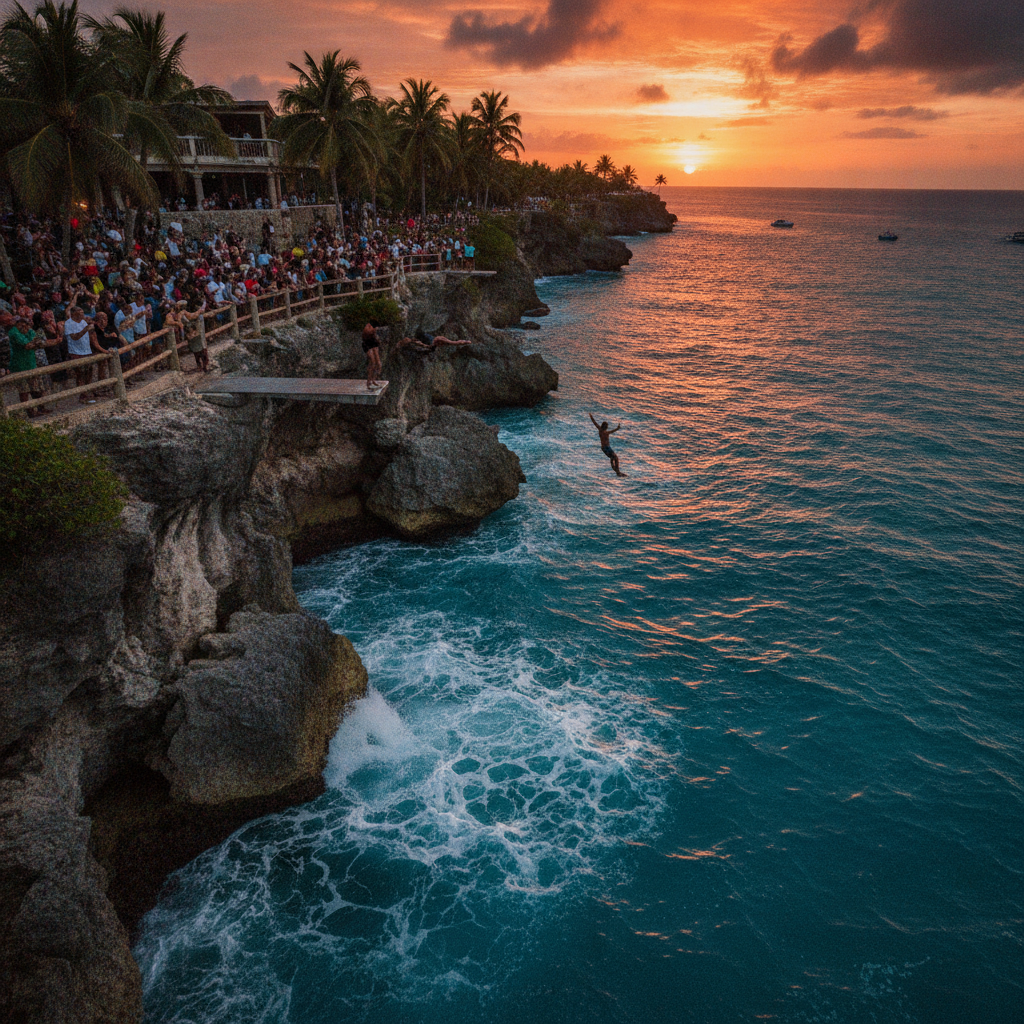
Montego Bay Region: Negril Seven Mile Beach, YS Falls, Black River Crocodiles, and Treasure Beach
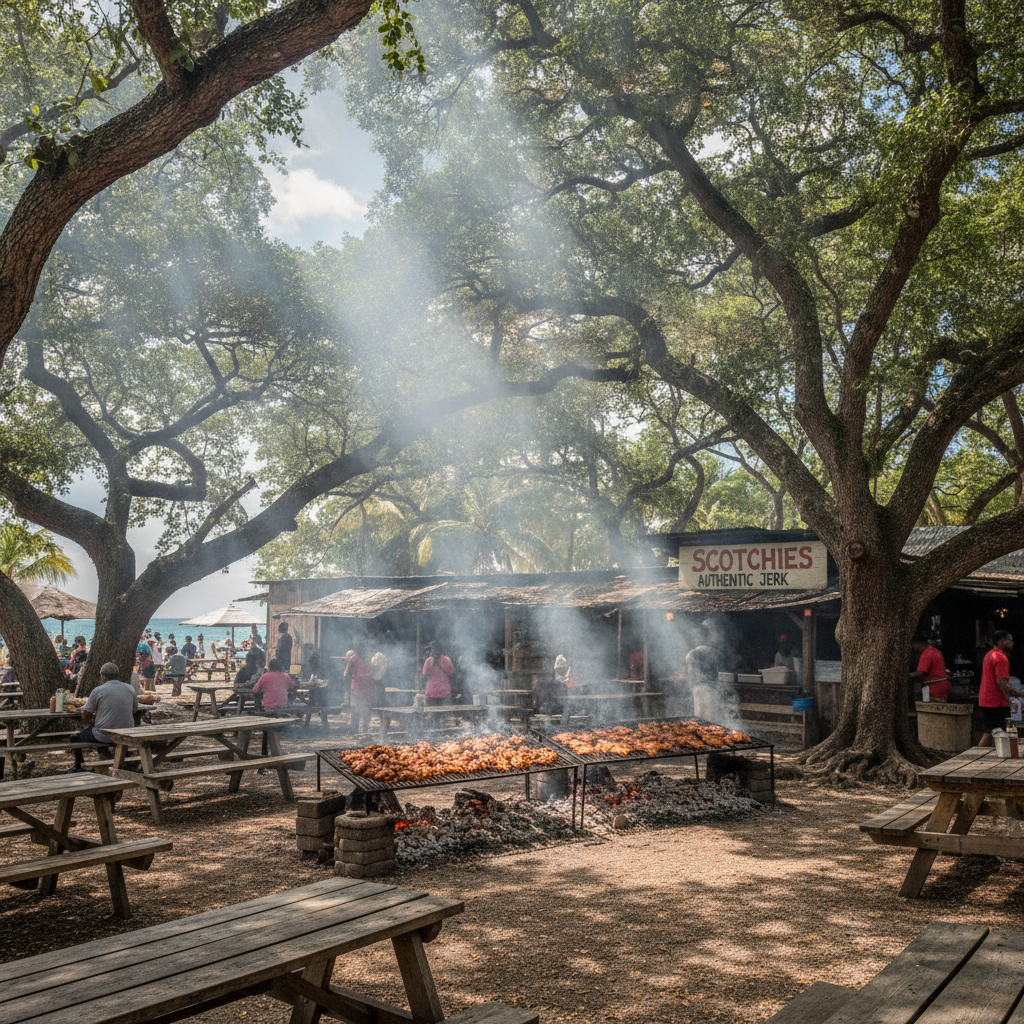
Montego Bay Food and Entertainment: Scotchies Jerk, the Hip Strip Nightlife, Appleton Rum Estate, and the Craft Market
Montego Bay Activities: Marine Park Snorkeling, Catamaran Cruises, Golf, and the Rastafari Village
Montego Bay: Doctor's Cave Beach, Rose Hall, Reggae Sumfest, and the Luminous Lagoon
Montego Bay History: Sam Sharpe and the Baptist War, Georgian Falmouth, Cockpit Country Maroons, and Martha Brae Rafting