Monterrey Food Culture: Cabrito Roasted Kid Goat, Carne Asada the Northern Mexican Grill Tradition, Pan de Polvo Cookies and the Machaca Dried Beef That Defines the Northern Mexican Ranching Table
The food of Monterrey is the food of the northern Mexican cattle and goat ranching economy translated to an urban industrial context where the Friday carne asada backyard grill is as much a social ritual as a meal, where cabrito al pastor, a whole young milk-fed kid goat roasted on a rotating spit over mesquite wood, is the dish that regiomontanos claim as absolutely theirs and that they insist cannot be replicated outside Nuevo Leon because the kid goats of the state are fed exclusively on milk and the mesquite wood of the local scrublands gives the smoke a character absent in the oak or hickory of other grill traditions. The northern Mexican food culture of Monterrey resists the chile-based sauce complexity of central Mexican cuisine in favor of the directness of grilled meat with no more than salt, lime, and chiltepin chile as accompaniment, with the tortilla de harina, the flour tortilla that is the bread of northern Mexico as the corn tortilla is the bread of the south, as the vehicle for everything. The machaca, dried and shredded beef or venison that was the original preservation technology of the Nuevo Leon ranching economy before refrigeration, and the borrego tatemado, slow-roasted sheep, complete the roster of Monterrey meat traditions that define a food culture whose sophistication is measured in the quality of the animal and the fire rather than in the complexity of the preparation.
- 1
Cabrito al Pastor Roasted Kid Goat
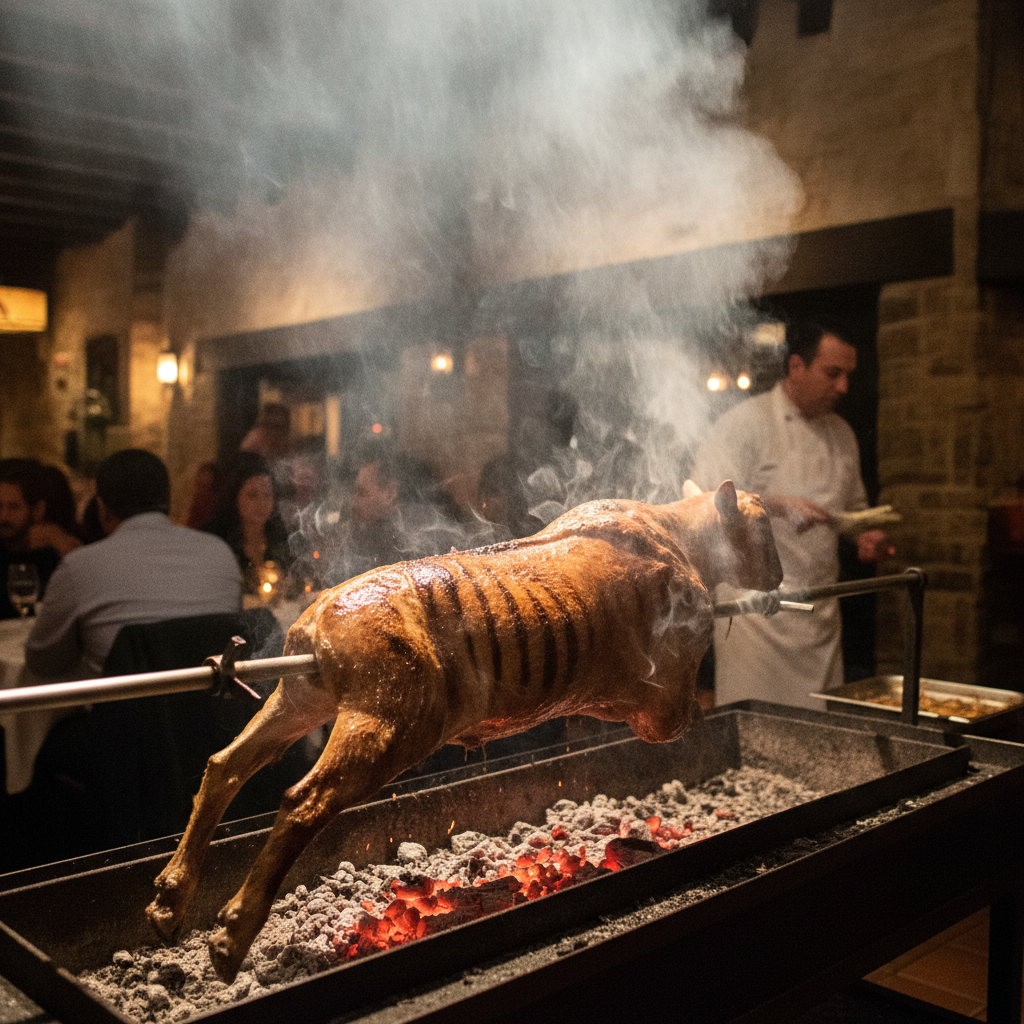
Cabrito, the whole milk-fed kid goat roasted on a rotating spit over mesquite wood, is the signature dish of Monterrey and Nuevo Leon that regiomontanos consider uniquely unreplicable outside the state because of the specific breed, feeding practice, and mesquite wood combination that produces the characteristic flavor. The kid goats used for cabrito are slaughtered at 35 to 45 days of age, before they have eaten anything other than their mother's milk, at a weight of 5 to 8 kilograms, producing meat of exceptional tenderness and mild flavor. The roasting spit is set beside rather than above the fire, with the kid goat rotating slowly for 2 to 3 hours in the heat of the mesquite wood coals rather than over direct flame. The traditional cabrito restaurant in Monterrey serves the animal split into sections — the pierna leg, the costillar ribs, the paleta shoulder, and the asadura organ meats including heart, lung, and kidney — with the asadura grilled separately as a starter. Cabrito restaurants are concentrated in the Barrio Antiguo and the Zona Rosa, with the most historic establishments including El Rey del Cabrito having operated for decades and serving the dish in a format unchanged from the mid-20th century. The side dishes are simple: frijoles borrachos, beans cooked with beer and bacon, fresh corn or flour tortillas, and a red salsa of chiltepin or chile de arbol.
- 2
Northern Mexico Carne Asada Tradition
The carne asada, grilled beef that in northern Mexico means a social event as much as a dish, is the defining weekend ritual of Monterrey families across all social classes, with the backyard grill fired on Friday and Saturday evenings as the primary vehicle for family gathering, neighborhood socialization, and the display of grilling expertise that northern Mexican men treat with the same competitive seriousness that pitmaster culture generates in Texas. The beef of choice for Monterrey carne asada is arrachera, the skirt steak marinated in lime juice, garlic, and chile and grilled hot and fast over mesquite charcoal, served sliced with fresh corn tortillas, guacamole, pico de gallo, and the refried beans that accompany every northern Mexican meal. The chiltepin chile, a small round wild chile that grows throughout the Chihuahuan Desert scrublands of Nuevo Leon and is harvested from wild plants in the Sierra Madre foothills, is the defining spice of Monterrey table heat, crushed directly into the salsa or dropped whole into bean soup, with a heat level comparable to habanero but a flavor that chile enthusiasts describe as cleaner and more direct. The culture of the carne asada as family event has generated in Monterrey a secondary market of specialized grill equipment, premium wood charcoal retailers, and butcher shops focused on northern Mexican cuts including the arrachera, the palomilla, and the chuleta rib chop.
- 3
Machaca and Dried Meat Preservation
The machaca, shredded dried beef or venison that was the primary protein preservation technology of the Nuevo Leon ranching economy before refrigeration was available in the northern Mexican desert, is produced by drying salted meat strips in the sun until they become hard sheets that are then pounded and shredded to a fibrous texture that reconstitutes when cooked with eggs, chiles, tomato, and onion. The machaca con huevo, shredded dried beef rehydrated and scrambled with eggs, is the definitive Monterrey breakfast dish and the starting point for the visitor encounter with northern Mexican food culture. The commercial machaca industry in Nuevo Leon uses mechanical shredding equipment but the artisanal producers in the Sierra Madre communities north of Monterrey still dry the meat in the traditional sun-and-air method that produces a more intensely flavored product. The borrego tatemado, a whole sheep slow-roasted in a sealed underground pit with chiles and herbs overnight in a method similar to the barbacoa of central Mexico but using sheep rather than cow cheeks, is the Sunday specialty of restaurants in the rural communities surrounding Monterrey and can be ordered in the city from specialists who bring it in weekly. The machaca tradition connects Monterrey food culture to the broader dried meat traditions of the Sonoran and Chihuahuan desert ranching cultures that developed preservation technologies for the extreme summer heat of the region.
- 4
Pan de Polvo and Monterrey Sweets
The pan de polvo, a crumbly shortbread cookie made with lard, flour, and cinnamon and dusted with sugar, is the definitive Monterrey sweet and the pastry that every visitor is expected to carry home as a souvenir, sold in bakeries throughout the city and in the artisanal food market of the Mercado Colon in the Barrio Antiguo. The pan de polvo tradition in Monterrey descends from the Spanish colonial lard pastry tradition that the nuns of the colonial convents developed and that survived the 19th-century Reform War secularization as a commercial bakery product. The capirotada, the bread pudding dessert made with day-old bread, piloncillo syrup, cheese, nuts, and raisins that is a Lenten tradition throughout Mexico but eaten year-round in Monterrey, reflects the resourceful pastry tradition of a region where sugar was historically expensive and bread was not wasted. The cocada, a toasted coconut candy, and the glorias, a caramel candy with pecans made in the Linares and Montemorelos regions of Nuevo Leon, are the other signature confections of the state. The glorias, sold in boxes at every airport and bus station in northern Mexico as the defining souvenir of Nuevo Leon, are made from caramelized goat milk and pecan in a combination that reflects the dairy and nut production of the Nuevo Leon agricultural economy. The pecan orchards of Nuevo Leon and Chihuahua produce a significant portion of Mexican pecan output.
- 5
Monterrey Restaurant Scene and Contemporary Food
The contemporary restaurant scene of Monterrey, driven by the wealth of the city's professional and executive class, has developed a concentration of high-end dining establishments that rivals any Mexican city outside Mexico City, with a particular strength in beef-centric contemporary cuisine that applies fine dining technique to the northern Mexican ingredient tradition. The Colonia San Pedro Garza Garcia, the wealthiest municipality in Mexico by per capita income and the address of the corporate headquarters of CEMEX, Alfa, and other Monterrey Group companies, contains the highest concentration of premium restaurants in the metropolitan area, with several establishments holding positions in the Latin America 50 Best restaurant rankings. The craft beer scene of Monterrey has grown from a single artisanal brewery in the early 2000s to over 30 active breweries in 2024, reflecting the beer culture of a city founded on an industrial brewing tradition and the disposable income of a professional class that adopted craft beer as a premium product. The food markets of Monterrey include the Mercado Colon in the Barrio Antiguo for artisanal food products, the Central de Abastos wholesale market for fresh produce, and the food hall developments in the Distrito Tec area adjacent to the Tecnologico de Monterrey campus. The taco culture of Monterrey differs from both the Mexico City taqueria tradition and the Guadalajara market stall tradition: the taco regiomontano is built from the northern barbecue tradition with a corn or flour tortilla wrapped around grilled meat.
- 6
Nuevo Leon Ranching History and Food Origins
The ranching economy of Nuevo Leon, established by Spanish settlers in the late 16th century in the semi-arid plains and mountain valleys of the state, created the material conditions for the northern Mexican food traditions of Monterrey: the cattle and goat herds that produced the beef, goat meat, and dairy products; the mesquite and oak scrublands that provided the grilling wood; and the seasonal rhythms of the ranching calendar that determined when animals were slaughtered and when preservation of meat was necessary. The Nuevo Leon ranching tradition was distinct from the hacienda system of central Mexico in that the northern ranches were generally smaller, required the active physical participation of the landowning family in ranch work rather than indigenous labor management, and produced a work culture that the regiomontano identity myth still references as the source of the northern Mexican work ethic that the region claims distinguishes it from the rest of Mexico. The Spanish Jewish settlers, crypto-Jews called Conversos who migrated to the northern frontier in the 16th and 17th centuries to escape the Inquisition, brought food practices including the avoidance of pork that influenced the Nuevo Leon food tradition before the Inquisition eventually followed them north. The cabrito goat preference over pork in Nuevo Leon feast cooking has been attributed by some historians to this crypto-Jewish heritage, though the attribution is contested. The Nuevo Leon ranching landscape today is increasingly urban and industrial, but the food traditions it generated define the region's self-image as completely as the steel mills and breweries.
Walk this route with audio
Stories play automatically as you reach each stop — no tapping needed.
More in Monterrey
Monterrey Colonial History and Nuevo Leon Founding: The Crypto-Jewish Settlers of Luis de Carvajal the Younger, the Failed First Settlements and the 1596 Establishment That Finally Survived
Monterrey Mountains and Nature: Grutas de Garcia Limestone Caves, Cola de Caballo Waterfall, Chipinque Ecological Park and the Sierra Madre Canyon System That Makes This the Most Dramatically Situated Industrial City in Mexico

Monterrey Water Crisis, Urban Heat and the Environmental Cost of Industrial Growth in the Semi-Arid Nuevo Leon Valley Where Summer Temperatures Hit 45 Celsius and the Metropolitan Area Ran Out of Tap Water in 2022

Monterrey Sport and Stadium Culture: Tigres and Rayados Football Rivalry, the PPG Paints Arena Boxing Tradition and the Regiomontano Sports Identity That Turns Two Football Clubs Into a Proxy for Class Division
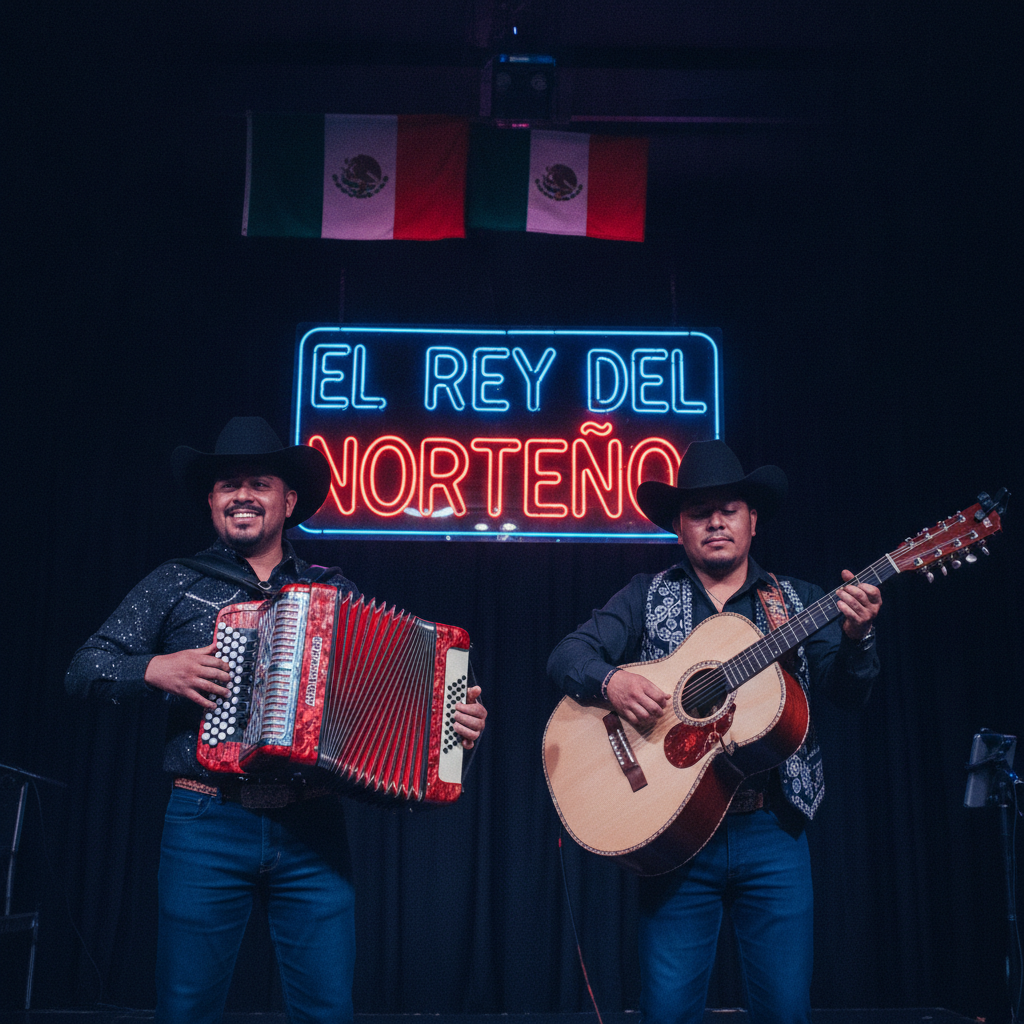
Monterrey Music Identity: Norteño and Grupero Accordion Music from the Nuevo Leon Border Corridor That Became the Soundtrack of the Mexican Diaspora and the Cultural Background of 35 Million Mexican Americans