Monterrey: The Industrial Capital of Mexico Where the Wealthiest Families in Latin America Built Steel Mills and Beer Factories and Then Funded Museums That Rival the Best in the World
Monterrey, the capital of Nuevo Leon and the industrial and commercial center of northern Mexico with a metropolitan population of 5.3 million, is the city that industrialized Mexico before Mexico City did, that produced the first iron and steel plant in Latin America in 1900, that houses the headquarters of the largest brewing company in Mexico and the largest cement company in the world, and that concentrates more billionaire wealth than any other Mexican city in the family fortunes of the Garza Sada, Zambrano, and Gonzalez families whose ancestors built the industrial empire of the Monterrey Group in the early 20th century. The same families that built the steel mills and beer factories also funded the museums: the MARCO Museum of Contemporary Art designed by Ricardo Legorreta with its 12-metre bronze dove by Juan Soriano, the Museo del Acero Horno3 steel furnace converted to an industrial museum, and the Museo de Historia Mexicana in the Gran Plaza complex are among the finest museum buildings in Latin America, funded by corporate and family philanthropy that built cultural institutions to match the industrial scale of the city. The Gran Plaza or Macroplaza, at 40 hectares one of the largest public plazas in the world, was created in the 1980s by demolishing 40 blocks of the historic center, a decision that the city simultaneously regrets as an architectural loss and celebrates as the creation of the monumental public space that defines Monterrey against every other Mexican city.
- 1
Gran Plaza Macroplaza and Urban Center
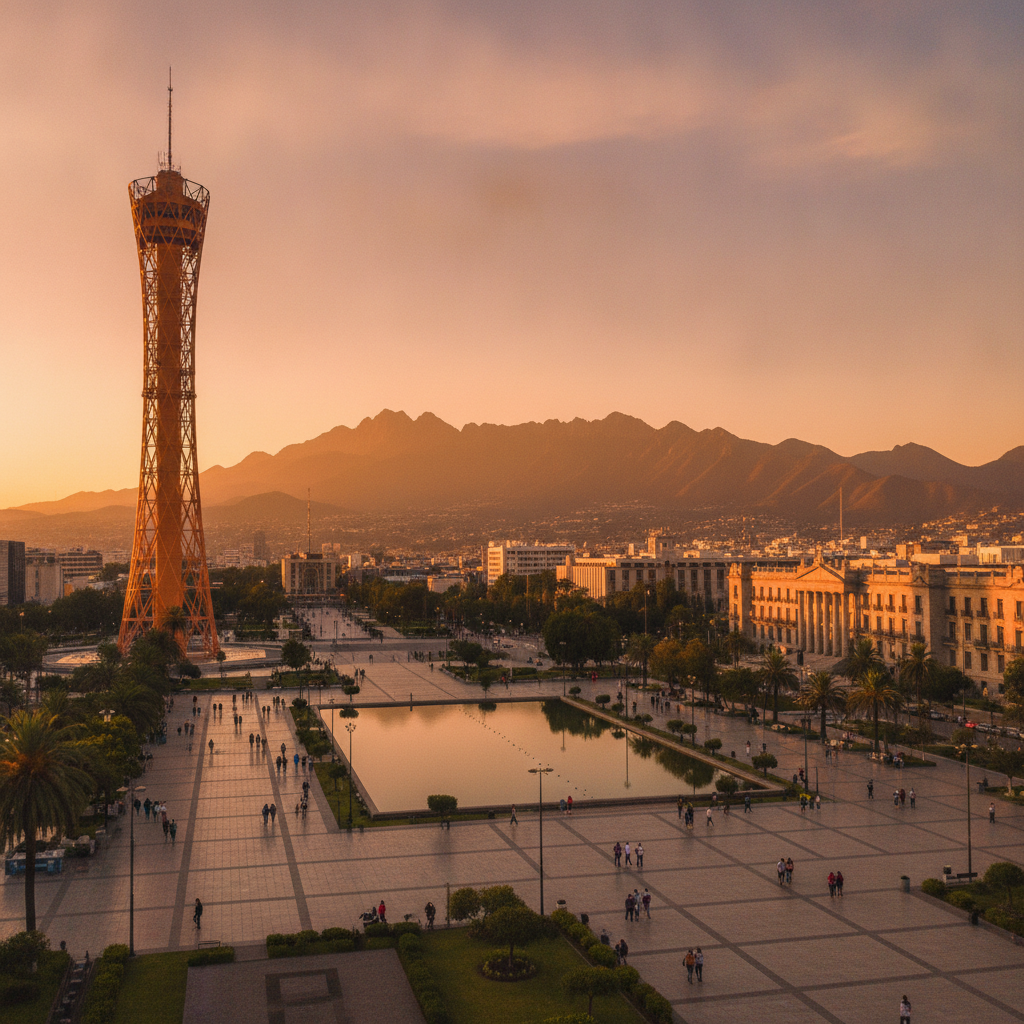
The Gran Plaza, officially the Macroplaza, a 40-hectare rectangular public space in the center of Monterrey running from the Government Palace at the south to the Palacio Municipal at the north, was created between 1983 and 1985 by demolishing 40 city blocks of the historic commercial center, including approximately 1,800 buildings of which a significant portion dated to the colonial and 19th-century periods, in a urban redevelopment decision by Governor Alfonso Martinez Dominguez that was simultaneously the most destructive act of urban heritage demolition in 20th-century Mexico and the creation of the monumental public space that became the defining image of the city. The demolition was justified at the time as a slum clearance and urban modernization program, though the buildings demolished included much of whatever colonial and 19th-century architecture Monterrey possessed, leaving the city with minimal historic fabric compared to Guadalajara, Oaxaca, or any other major Mexican city. The resulting Macroplaza contains the Faro del Comercio, a 70-metre orange concrete tower designed by Luis Barragan that projects a rotating green laser beam at night, the Fuente de Neptuno fountain, the Explanada de los Heroes monuments to Nuevo Leon historical figures, and the entries to the MARCO museum and the Museo de Historia Mexicana. The scale of the Macroplaza is impressive by any standard: it is larger than the Red Square in Moscow and larger than the Zocalo in Mexico City.
- 2
MARCO Museum of Contemporary Art
The Museo de Arte Contemporaneo de Monterrey, called MARCO, designed by the Mexican architect Ricardo Legorreta and opened in 1991 on the southern edge of the Macroplaza, is the most architecturally significant contemporary art museum in Mexico and one of the finest purpose-built contemporary art museums in Latin America, with a building that uses the Legorreta vocabulary of bold color, filtered natural light through concrete lattice screens, and the sequential spatial experience of Mexican colonial courtyard architecture applied to an institution housing the permanent collection and traveling exhibitions of contemporary Mexican and international art. The bronze dove sculpture by Juan Soriano positioned at the entry to the MARCO, 12 metres tall and weighing 8 tonnes, has become the primary icon of contemporary Monterrey in public image and tourism promotion. The permanent collection of the MARCO includes significant works by Mexican artists including Francisco Toledo, Gunther Gerzso, Vicente Rojo, and Fernando Botero alongside international artists, built through corporate and family philanthropy from the industrial families of the Monterrey Group. The museum's programming, which includes exhibitions of photography, design, and video art alongside painting and sculpture, reflects the ambition of the founding board to create not a regional museum but an institution with international scope.
- 3
Cerro de la Silla Mountain Identity
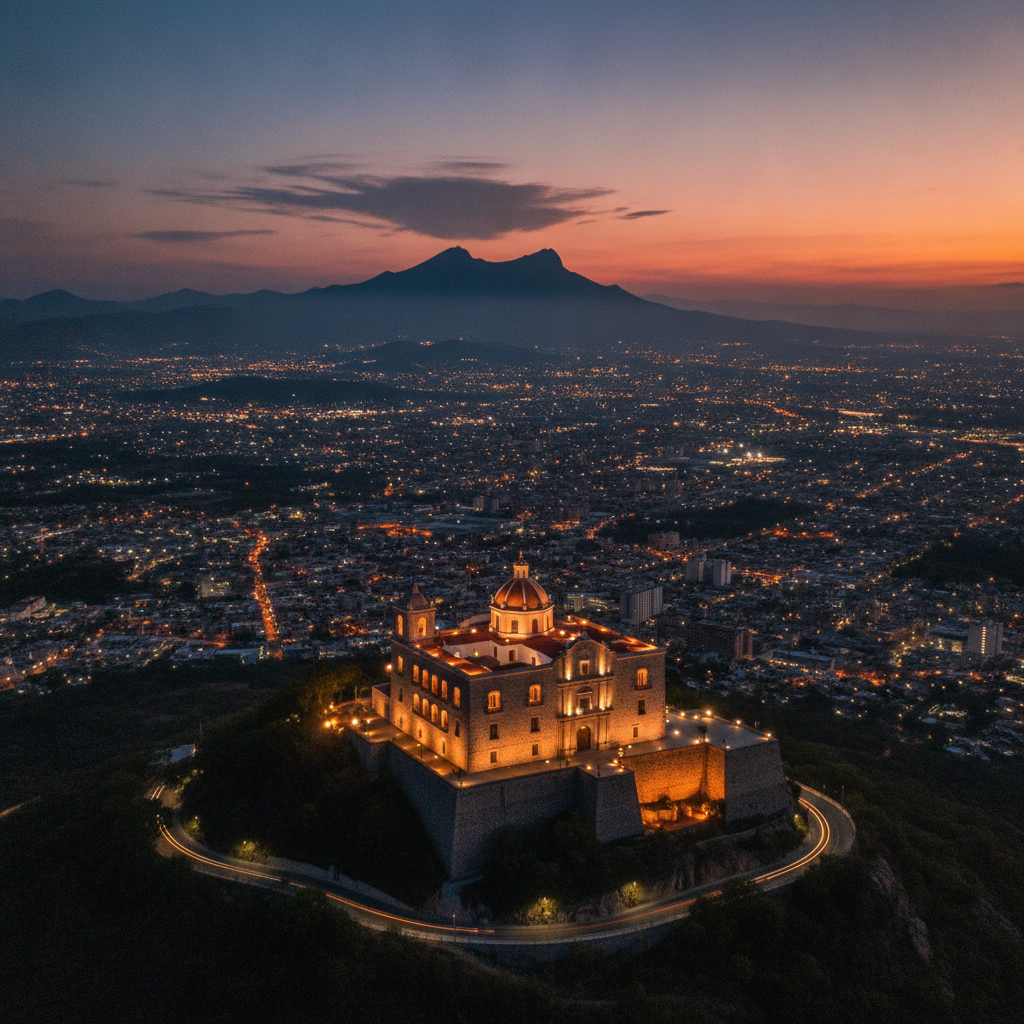
The Cerro de la Silla, the saddle-shaped mountain rising 1,820 metres above sea level to the southeast of Monterrey that is visible from every point in the city and that appears on the Nuevo Leon state coat of arms, the official seal of the Universidad Autonoma de Nuevo Leon, and countless Monterrey institutional logos, is the most powerful symbol of regiomontano identity, the term for residents of Monterrey, and the mountain that all residents claim to have climbed regardless of whether they have actually completed the 4-hour round trip hike to the summit. The Sierra Madre Oriental mountains that surround Monterrey on three sides create the canyon topography that makes the city dramatically different from the flat landscape of most Mexican industrial cities, with the Cerro de la Silla, the Cerro de las Mitras, and the Santa Catarina Canyon providing hiking, rock climbing, and mountain biking access within the urban area. The Santa Catarina River canyon that cuts through the center of Monterrey, channeled between concrete walls after repeated catastrophic floods including the 1988 flood during Hurricane Gilbert that killed several hundred people, connects the urban center to the Sierra Madre foothills and is lined with parks and cycling infrastructure that make it the primary active recreation corridor of the city. The Parque Nacional Cumbres de Monterrey, a protected natural area immediately north and west of the city, contains old-growth pine and oak forest, the Grutas de Garcia cave system, and the Cola de Caballo waterfall accessible as day trips from the city.
- 4
Parque Fundidora Industrial Heritage
The Parque Fundidora, a 130-hectare public park developed between 1999 and 2007 on the grounds of the Fundidora de Fierro y Acero de Monterrey, the iron and steel plant established in 1900 as the first integrated steel plant in Latin America and closed in 1986 after 86 years of operation, is the most successful industrial heritage adaptive reuse project in Mexico, converting the blast furnaces, rolling mills, and industrial structures of the steel plant into cultural venues, performance spaces, and public recreation areas while retaining the industrial machinery as the park's primary visual and historical feature. The Horno3 blast furnace, the last of the original furnaces to operate and now converted into the Museo del Acero Horno3, allows visitors to enter the interior of the furnace through an elevator and understand the steel-making process through interactive exhibits in a space that is simultaneously a museum and a monument to industrial labor. The park contains the Centro Internacional de Negocios conference center, the Estadio de Futbol venue, a hotel, restaurants, and extensive cycling and running paths, making it the primary urban recreational destination in Monterrey and a model of industrial brownfield conversion referenced by planners throughout Latin America. The Fundidora steel plant at its peak employed 10,000 workers and produced a significant portion of Mexico's steel output, making its closure in 1986 one of the most disruptive economic events in Nuevo Leon history.
- 5
Barrio Antiguo and Cultural Scene
The Barrio Antiguo, the surviving fragment of the historic center of Monterrey immediately east of the Macroplaza, contains the oldest standing buildings in the city including the colonial-era churches of the Parroquia del Barrio Antiguo and the Templo de la Purisima, 19th-century mansions converted to restaurants and bars, and the pedestrian streets that become Monterrey's primary nightlife district on weekends. The neighborhood survived the Macroplaza demolition of the 1980s because it lay outside the immediate demolition zone and because a group of architects and cultural figures organized to advocate for its preservation, making it the only fragment of pre-20th-century Monterrey urban fabric that remains intact enough to suggest the character of the colonial and 19th-century city. The Barrio Antiguo is designated a protected historic zone and its colonial-era buildings house galleries, restaurants, craft shops, and cultural spaces. The nightlife of the Barrio Antiguo concentrates on Calle Moron and the surrounding streets on Thursday, Friday, and Saturday evenings, when bars in converted colonial mansions serve craft beer, cocktails, and mezcal to the urban professional class that lives in the adjacent colonias of Centro, Obispado, and Mitras. The cultural infrastructure of the Barrio Antiguo includes the Casa de la Cultura de Nuevo Leon and several independent galleries that support the Monterrey contemporary art scene that exists alongside and in dialogue with the MARCO museum's institutional programming.
- 6
Monterrey Beer and Industrial Legacy
The Cerveceria Cuauhtemoc, founded in 1890 by Isaac Garza and Francisco Sada using German brewing technology and German-trained brewers, is the origin of the industrial family network that became the Monterrey Group, the confederation of industrial, banking, and commercial enterprises controlled by the Garza Sada, Sada, and related families that dominated the Nuevo Leon economy through the 20th century and produced the wealth that funded the cultural institutions of modern Monterrey. The brewery, which produces Tecate, Dos Equis, Sol, and Bohemia beers, now operated by Heineken after a 2010 acquisition, maintains the historic brewery building in the Cuauhtemoc neighborhood as a museum called the Museo de la Cerveceria, with guided tours of the production facility, a hop garden, and a beer garden with fresh product. The Grupo Industrial Alfa, Grupo Cementos Mexicanos (CEMEX), Grupo Femsa, and Grupo Protexa, all Monterrey-origin corporations, continue to operate from the city and collectively represent one of the most concentrated private sector industrial bases in Latin America. The tension between the Monterrey industrial families and the Mexican federal government reached its peak under President Luis Echeverria in the 1970s, when the assassination of Eugenio Garza Sada, the patriarch of the Garza Sada family, by a leftist guerrilla group in 1973 aligned the Monterrey business community permanently with political conservatism and opposition to the PRI government's nationalist economic policies.
Walk this route with audio
Stories play automatically as you reach each stop — no tapping needed.
More in Monterrey
Monterrey Colonial History and Nuevo Leon Founding: The Crypto-Jewish Settlers of Luis de Carvajal the Younger, the Failed First Settlements and the 1596 Establishment That Finally Survived
Monterrey Food Culture: Cabrito Roasted Kid Goat, Carne Asada the Northern Mexican Grill Tradition, Pan de Polvo Cookies and the Machaca Dried Beef That Defines the Northern Mexican Ranching Table
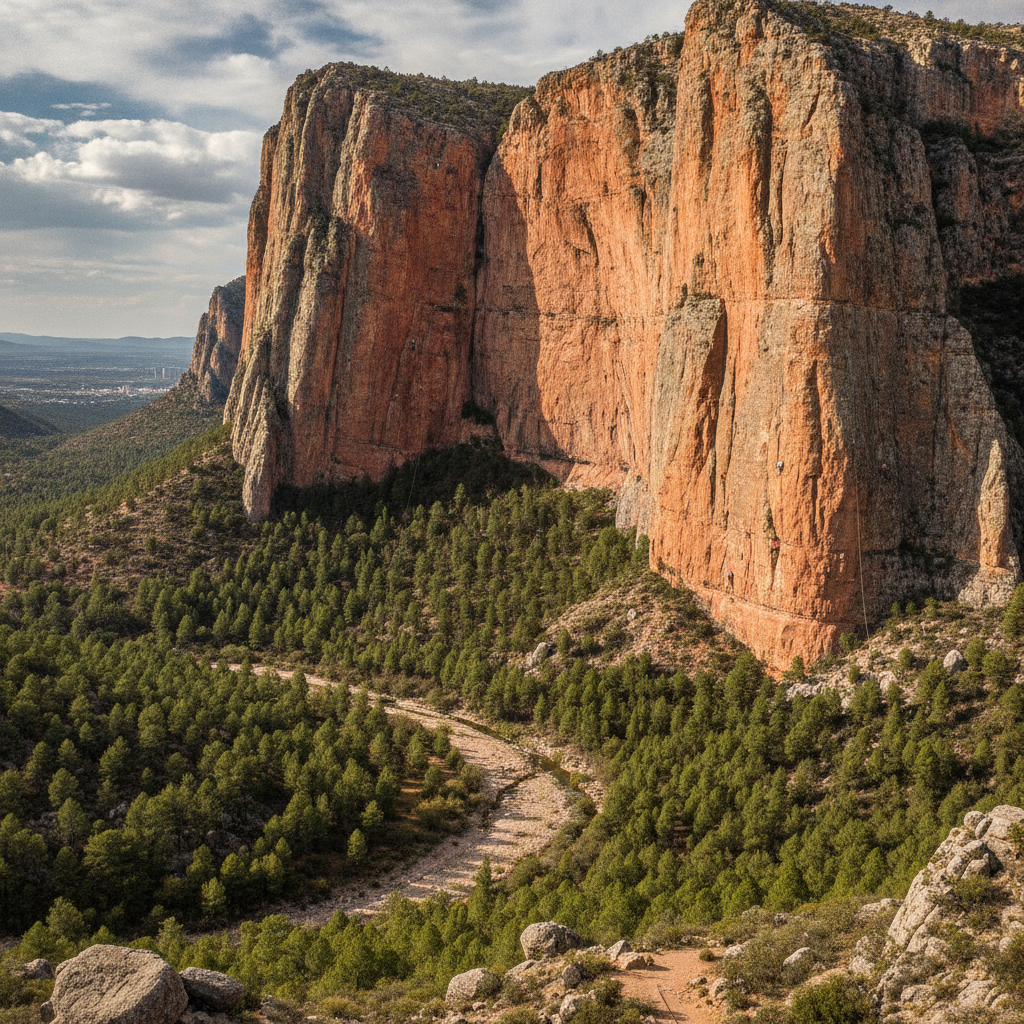
Monterrey Mountains and Nature: Grutas de Garcia Limestone Caves, Cola de Caballo Waterfall, Chipinque Ecological Park and the Sierra Madre Canyon System That Makes This the Most Dramatically Situated Industrial City in Mexico
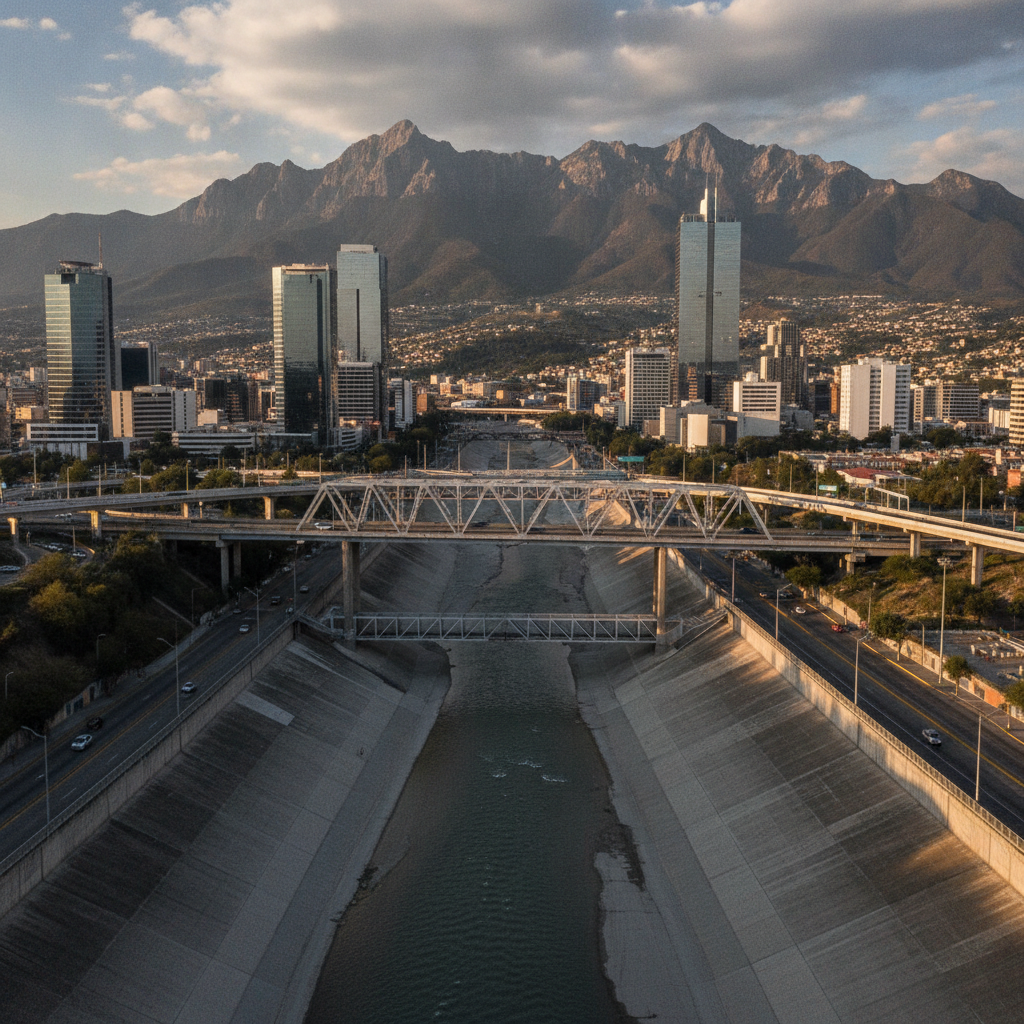
Monterrey Water Crisis, Urban Heat and the Environmental Cost of Industrial Growth in the Semi-Arid Nuevo Leon Valley Where Summer Temperatures Hit 45 Celsius and the Metropolitan Area Ran Out of Tap Water in 2022
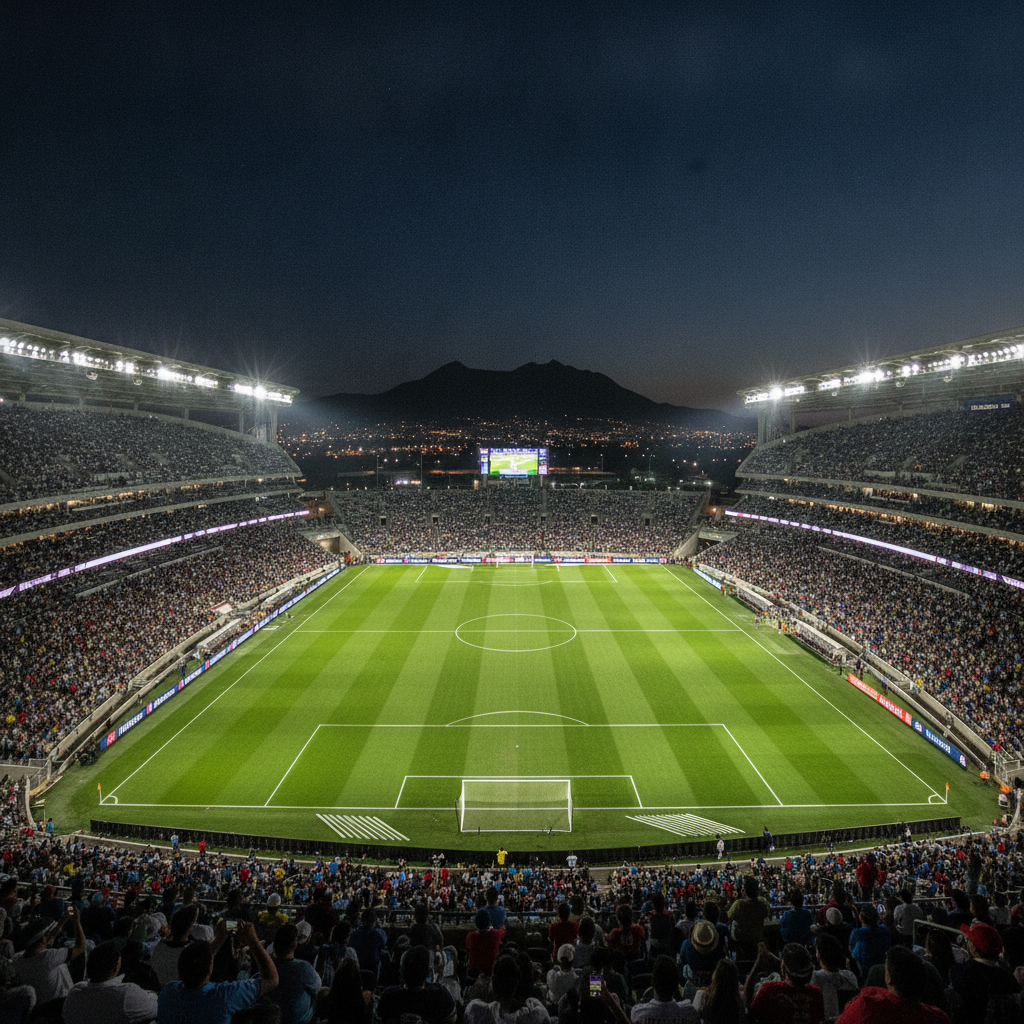
Monterrey Sport and Stadium Culture: Tigres and Rayados Football Rivalry, the PPG Paints Arena Boxing Tradition and the Regiomontano Sports Identity That Turns Two Football Clubs Into a Proxy for Class Division