Monteverde Cheese, Coffee, and the Agricultural Community Economy
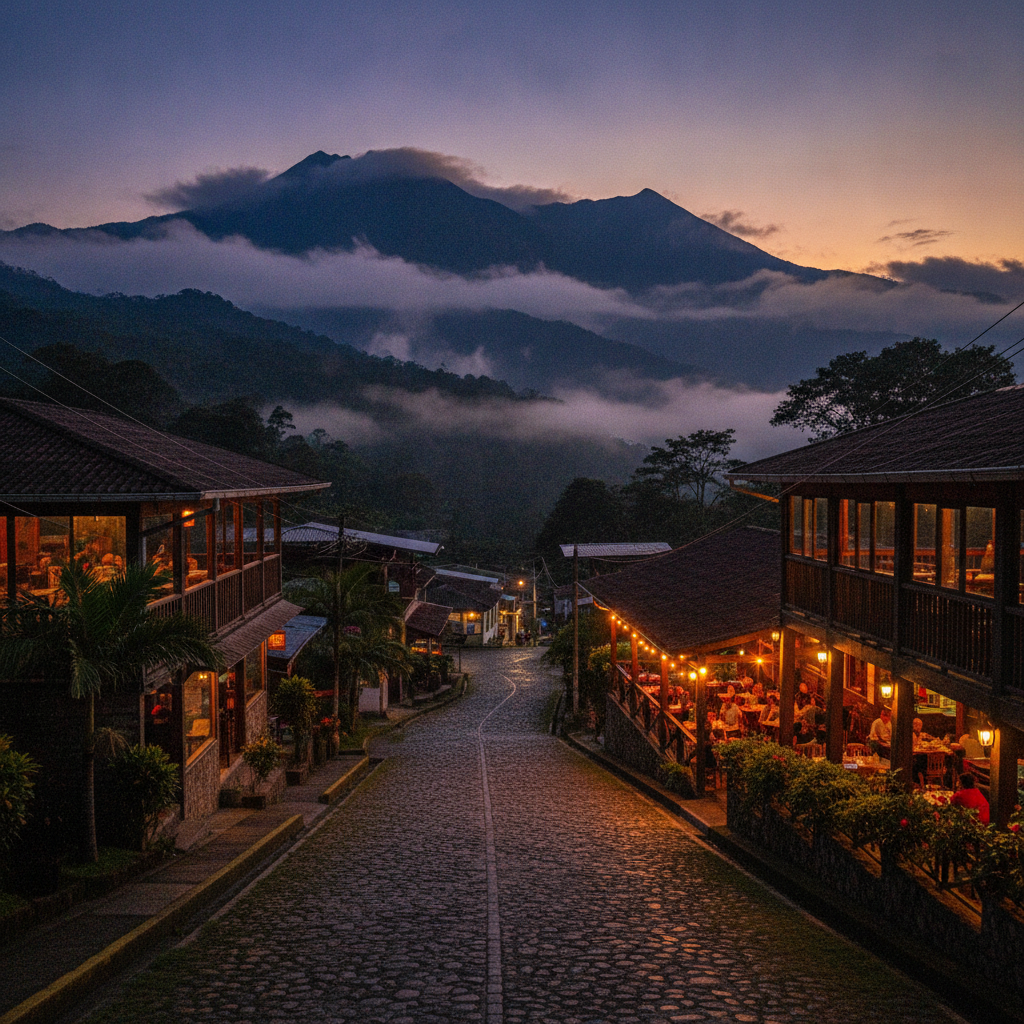
Beneath the ecotourism economy, Monteverde remains an agricultural community producing dairy, coffee, and artisanal food products that predate the conservation reserve by decades. The Monteverde Cheese Factory, founded by the Quaker settlers in 1953, produces Costa Ricas most recognized artisanal cheeses and continues to support the highland dairy farming community. The specialty coffee grown at altitude around Monteverde and Santa Elena reaches premium markets in the US, Japan, and Europe. This route examines the agricultural foundation that gave the conservation story its human dimension.
- 1
Monteverde Cheese Factory: The Quaker Dairy Legacy
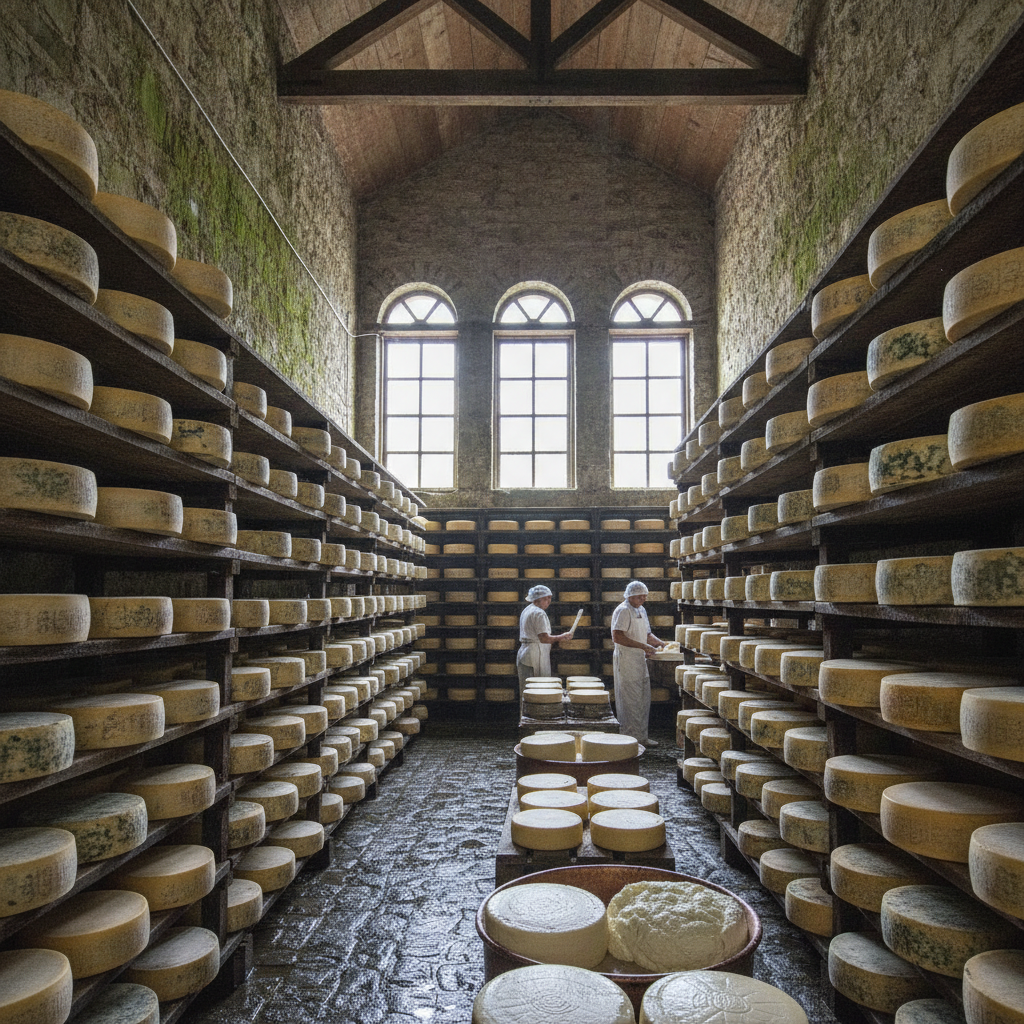
The Monteverde Cheese Factory (COOPEMONTEVERDE) was established by the founding Quaker settlers who identified the highland climate as suitable for dairy production and built a cooperative processing facility to turn the milk of their small herds into cheese for the San Jose market. The factory now processes milk from dozens of member farms and produces Monteverde's most famous product: a firm white cheese marketed as Queso Monteverde that appears on restaurant menus throughout Costa Rica. Tours of the factory include the cheese-making process, the aging rooms, and a tasting session. The factory anchors the agricultural identity of the community and represents a direct line from the 1951 founding vision to a functioning economic institution seven decades later.
- 2
Highland Coffee: Monteverde Micro-Lot Production
The volcanic soil and altitude of the Monteverde area produces arabica coffee beans with a cup profile characterized by bright acidity and complex fruit notes that specialty roasters in the US, Germany, and Japan seek out. Several farms in the Monteverde and Santa Elena area offer coffee tours that walk participants through the cultivation, harvesting, and processing of the highland coffee crop. The harvest season from October through February is the best time for tours that include cherry-picking participation. The Cafe de Monteverde cooperative markets the community coffee internationally, and several cafes in the Santa Elena village area serve the local production as pour-overs and espresso. The specialty coffee economy supplements farm income from dairy and provides employment for younger community members.
- 3
Bat Jungle and Orchid Garden: The Natural History Education Institutions
The Bat Jungle, a private natural history exhibit in Santa Elena village, houses free-flying bat colonies in an enclosed habitat and offers the most accessible bat biology education in Costa Rica. The living collection includes species representing the full behavioral range of New World bats: fruit bats, nectar feeders, insectivores, and the famous fishing bat that uses echolocation to detect fish surface disturbance. The exhibit is deliberately educational rather than entertainment-oriented. The Orchid Garden near the reserve entrance documents the 500 orchid species of the Monteverde area in a labeled collection, several of which are miniature species visible only with magnification. Both institutions represent the naturalist education infrastructure of a community that has built its identity around biological knowledge.
- 4
Frog Pond and Reptile Exhibits: The Nocturnal Animal Experience
The Monteverde Frog Pond maintains living collections of the frog and reptile species of the cloud forest, providing close access to animals that are rarely seen by day visitors in the wild. The red-eyed tree frog, the glass frog, the blue-sided leaf frog, and the strawberry poison dart frog are all maintained in naturalistic terrariums. Evening guided tours of the living collection are the most popular format, as frogs are active at night and the guides explain the biology and ecology of each species in detail. The exhibit serves as an educational complement to the wild experience in the reserve: visitors who have seen the live animals at close range are better equipped to find them in the wild on night walks.
- 5
Artisan Economy: Woodcarving, Weaving, and the Creative Community
The Monteverde community has developed a significant artisan economy alongside the agricultural and ecotourism sectors. The cloud forest aesthetic has inspired a generation of wood sculptors, weavers, and painters whose work is marketed through several galleries and cooperatives in the Santa Elena and Monteverde zones. The CASEM women's artisan cooperative, established in 1982, was one of the first community-based craft cooperatives in Costa Rica and provided income for local women during the period when the tourism economy was just beginning. The cooperative model has been replicated in other rural Costa Rican communities. Several internationally recognized artists with roots in Monteverde have extended the creative community into film, photography, and illustration.
- 6
Selvatura Park and the Butterfly Garden
Selvatura, one of the larger private activity parks adjacent to the reserve, includes a butterfly garden with over 50 species of Costa Rican butterflies in a free-flight greenhouse environment, a hummingbird garden, a reptile and amphibian exhibition, and a 3-kilometer hanging bridge circuit through primary cloud forest. The butterfly garden format allows observation of the complete metamorphosis cycle in captivity alongside the free-flying adult butterflies. The blue morpho, the largest butterfly in the Monteverde area with its brilliant iridescent wing upper surface, is present alongside heliconiid, pierid, and papilionid species representing the full diversity of the highland butterfly community. The Selvatura format packages multiple natural history experiences in a single admission, making it the most comprehensive single-entry option in the area.
Walk this route with audio
Stories play automatically as you reach each stop — no tapping needed.
More in Monteverde

Monteverde Cloud Forest: Quetzals, Suspension Bridges, and the Quaker Colony
Guanacaste and the North Pacific: Day Trips from Monteverde
Climate Change and the Future of Monteverde Cloud Forest

Conservation History: How Monteverde Became a Global Model for Ecotourism
Santa Elena Village: Food, Nightlife, and the Social Hub of the Monteverde Area