Guanacaste and the North Pacific: Day Trips from Monteverde
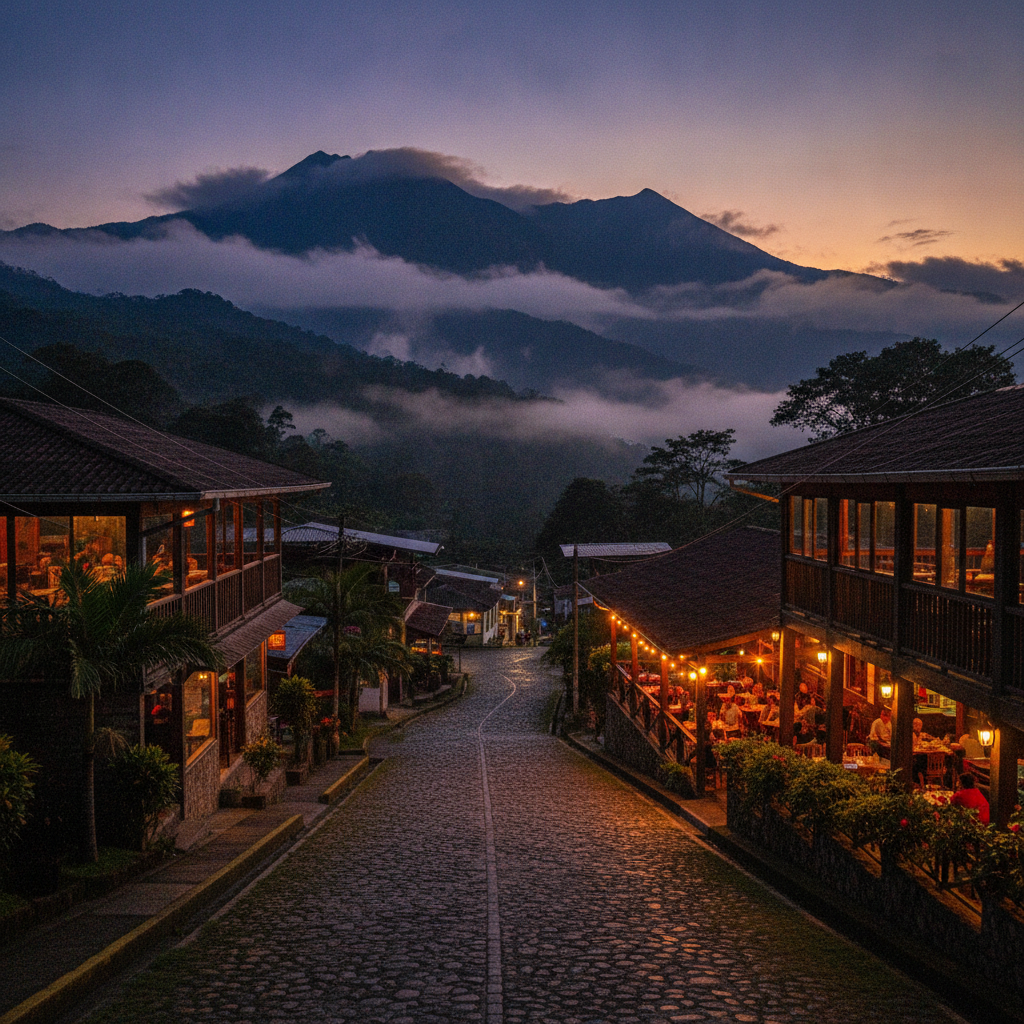
Monteverde sits at the edge of the Tilaran highlands overlooking the Guanacaste province, one of the driest and most ecologically distinct regions of Costa Rica. The Pacific coast beaches of Guanacaste are two to three hours from Monteverde through an extraordinary ecological transition from cloud forest to tropical dry forest to white-sand coast. This route maps the day trip and short excursion options from Monteverde toward the Guanacaste coast and the Santa Rosa and Rincon de la Vieja national parks of the dry northwest.
- 1
The Cloud-to-Coast Ecological Transition
The drive from Monteverde down to the Guanacaste plains is one of the most dramatic ecological transitions accessible by road in Central America. The cloud forest at 1,500 meters gives way within thirty minutes to premontane forest and then to the tropical dry forest of the Guanacaste lowlands, where the vegetation loses its leaves in the dry season from December through April and the landscape turns golden-brown. The temperature increases by 10 to 15 degrees Celsius on the descent. The fauna and flora of the dry forest are different enough from the cloud forest to make the transition genuinely instructive for naturalists: the species assemblages are largely non-overlapping, and the dry forest biodiversity, though lower than the cloud forest total, includes many species found nowhere else in Costa Rica.
- 2
Rincon de la Vieja Volcano: Mud Pots and Dry Forest Wilderness
Rincon de la Vieja Volcano, 60 kilometers northeast of Liberia, is the most geologically active volcano in the Guanacaste range and offers one of the most diverse single-park experiences in Costa Rica. The national park encompasses the volcano summit, active fumarole fields, boiling mud pots (pailas), and sulfur vents at lower elevations, as well as primary tropical dry forest on the lower slopes where tapirs, coatis, and howler monkeys are regularly encountered. The summit trail at 1,916 meters accesses the active craters. White-water rafting on the Rincon River, zip-lines, and horse-back riding to the Catarata La Cangreja, a waterfall into a turquoise pool, round out an activity menu comparable to La Fortuna in scope.
- 3
Santa Rosa National Park: Battle of 1856 and Dry Forest Beach
Santa Rosa National Park, on the Guanacaste coast north of Liberia, combines Costa Rican military history with one of the last large stands of tropical dry forest in Central America and two significant sea turtle nesting beaches. The Casona de Santa Rosa, a colonial hacienda, was the site of the 1856 battle where Costa Rican volunteers defeated the filibuster William Walker's forces, the event commemorated in the National Monument in San Jose. Nancite Beach inside the park is one of only three sites in the world where the olive ridley sea turtle mass nesting event called an arribada occurs reliably, with hundreds of thousands of turtles coming ashore over a three to five night period from August through November.
- 4
Guanacaste Beach Towns: Tamarindo, Playa Flamingo, and the Resort Coast
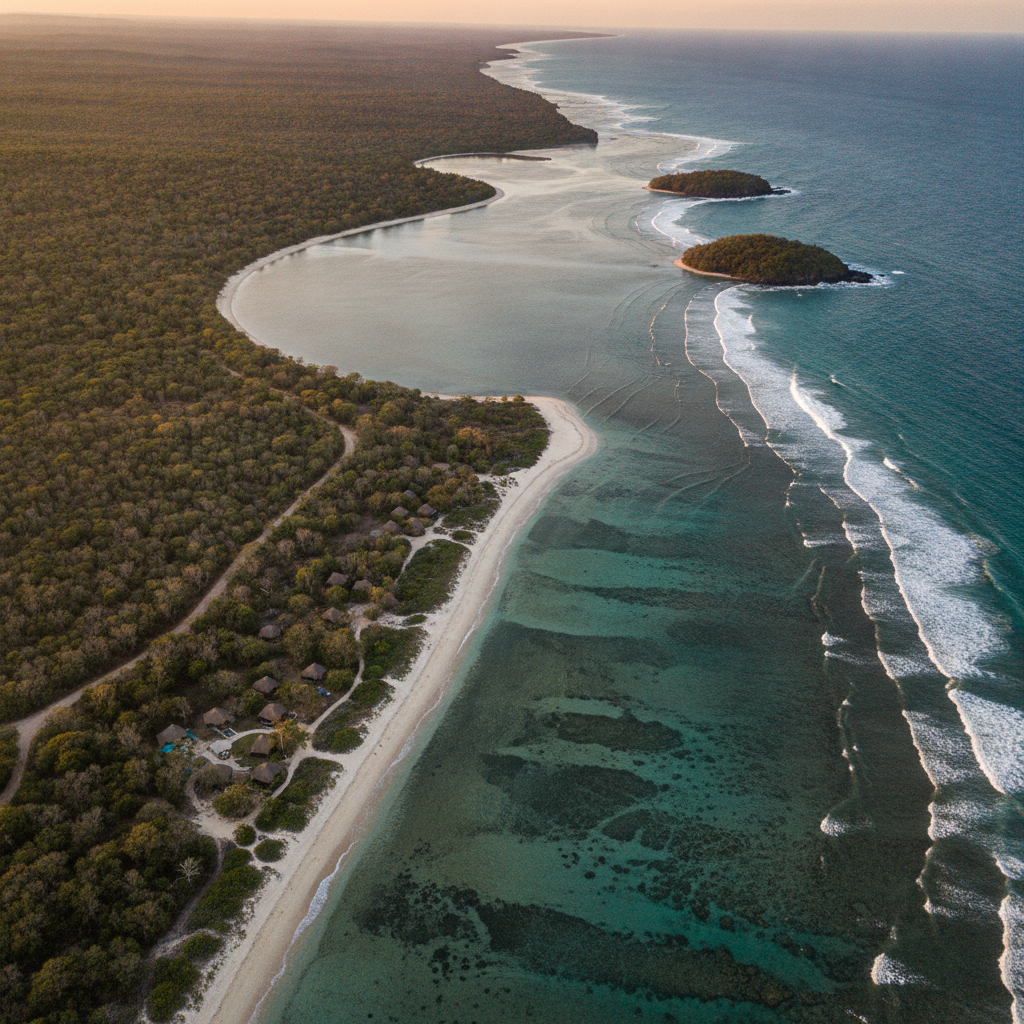
The Pacific coast of Guanacaste from Liberia south to the Nicoya Peninsula contains the most developed beach tourism zone on the Costa Rican Pacific coast outside of Quepos. Tamarindo is the largest beach town, with an international surf community, full tourism infrastructure, and an active expat population. Playa Flamingo and Playa Conchal (the shell-beach) offer calmer water more suitable for swimming. The North Guanacaste coast is the driest zone, with the lowest rainfall and the most reliable sunshine, making it the beach destination of choice during the rainy season when the Central Valley and cloud forest areas receive heavy precipitation. Liberia airport receives international flights directly, making this coast the most logistically accessible international beach destination in Costa Rica.
- 5
Nosara and the Nicoya Peninsula: Yoga Retreats and Surf Culture
The Nicoya Peninsula south of Guanacaste is a mix of beach towns with different characters: Nosara has become one of the leading yoga retreat destinations in the Americas, with dozens of studios and residential teacher training programs generating a wellness-focused economy. Samara is a calmer family beach town with a coral reef providing swimming protection. Mal Pais and Santa Teresa at the southern tip have a young surf community on consistently excellent reef and beach breaks. The peninsula is accessible from the Guanacaste mainland by a series of river crossings and rough roads that have historically deterred mass tourism; new bridge infrastructure is changing this. Leatherback sea turtle nesting on Playa Grande near Tamarindo, with females observed in the park at night, is among the most accessible leatherback watching in the world.
- 6
Canas and the Tempisque Basin: Palo Verde and Waterbird Wetlands
Palo Verde National Park in the Tempisque river basin east of the Guanacaste highway protects the most important seasonal wetland for waterbirds on the Pacific slope of Costa Rica. In the dry season from December through April, the receding water concentrates black-bellied whistling ducks, wood storks, jabiru storks, roseate spoonbills, and herons in numbers comparable to the Caño Negro wetlands on the Caribbean side. The Organization for Tropical Studies biological station at Palo Verde offers accommodation and guided tours. The park is accessible from Canas on the Inter-American Highway and can be combined with a Monteverde visit as a full day excursion, providing the coastal wetland bird experience to complement the cloud forest birdwatching of the highland reserve.
Walk this route with audio
Stories play automatically as you reach each stop — no tapping needed.
More in Monteverde

Monteverde Cloud Forest: Quetzals, Suspension Bridges, and the Quaker Colony
Climate Change and the Future of Monteverde Cloud Forest
Monteverde Cheese, Coffee, and the Agricultural Community Economy

Conservation History: How Monteverde Became a Global Model for Ecotourism
Santa Elena Village: Food, Nightlife, and the Social Hub of the Monteverde Area