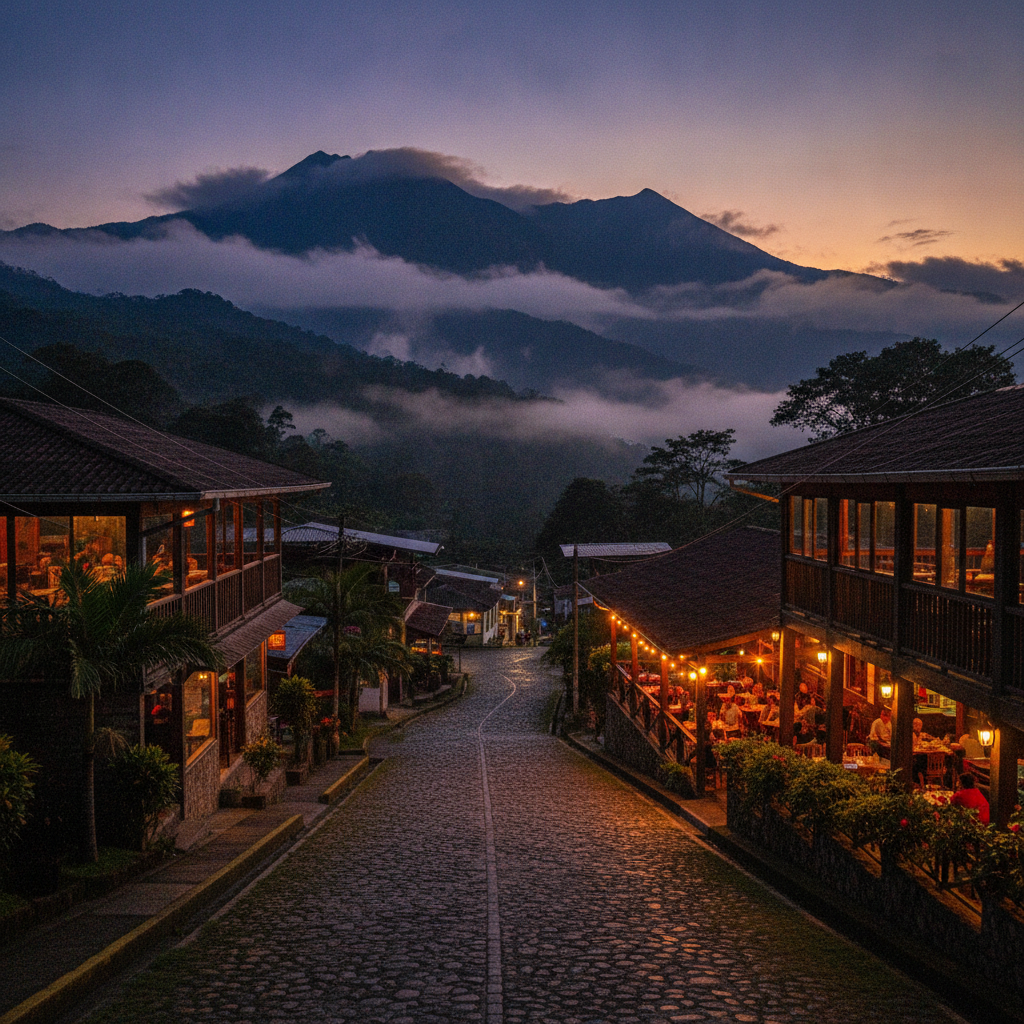
Santa Elena Village: Food, Nightlife, and the Social Hub of the Monteverde Area
Santa Elena is the service village for the Monteverde area, three kilometers from the main reserve entrance and considerably more animated than the smaller Monteverde community below. The village has developed a concentrated tourist infrastructure over the past two decades: restaurants, bars, souvenir shops, tour offices, and accommodation of all price ranges occupy a compact grid that is walkable in twenty minutes. This route covers the food and social life of Santa Elena, the restaurants serving highland Costa Rican cuisine alongside international options, and the modest nightlife scene of a highland village that shuts down early by coastal standards.
- 1
Santa Elena Village Grid: The Compact Tourist Hub
Santa Elena is the main commercial center of the Monteverde area, distinct from the smaller original Monteverde community where the Quaker settlers established their farms. The village has grown entirely around the tourism economy and has the concentrated commercial character of a successful ecotourism hub: every second business is a tour operator or accommodation provider. The central park is smaller than in most Costa Rican towns, reflecting the highland origins of the settlement rather than the Spanish colonial grid. The altitude at 1,400 meters keeps temperatures in the low twenties and makes sweaters useful in the evenings throughout the year, a striking difference from the lowland beach destinations that most visitors arrive from.
- 2
Restaurants and Cafes: Highland Cuisine and Coffee Culture
The restaurant scene in Santa Elena ranges from traditional sodas serving the local dairy-farming community to upscale restaurants with highland panorama views and menus combining Costa Rican produce with international technique. Several cafes have developed strong specialty coffee programs using beans from the Monteverde area farms and from other highland Costa Rican regions. The Quaker heritage has left a mark on the food culture: the cheese produced by the Monteverde factory appears on menus throughout the village in quesillo preparations, cheese plates, and casado variations that would not be found in lowland Costa Rica. The highland climate makes warm food and hot drinks more appealing than in coastal areas, and the restaurant culture reflects this.
- 3
Nightlife in Santa Elena: Bars and the Backpacker Circuit
Santa Elena has a modest nightlife scene by Costa Rican beach town standards but a functional one by highland village standards. The backpacker hostel concentration in the village center generates a social scene at two or three bars on the main street that runs from late afternoon through midnight, rarely later. The Taberna Valverde and the bar at Bar-Restaurant Morpho have historically been the main gathering points. The international traveler demographic of the cloud forest destination, heavy with European backpackers and North American gap-year travelers, creates a social environment distinct from the package-tourist beach resorts. Conversations in the Santa Elena bars have a higher proportion of conservation biology and photography than any other tourist venue in Costa Rica.
- 4
The San Luis Valley: Waterfall Hiking Below the Cloud Forest
The San Luis Valley below the Monteverde highland offers a hiking and waterfall experience in a different forest zone from the cloud forest reserve. The valley is at a lower altitude (800 to 1,200 meters) and the vegetation transitions from cloud forest to premontane wet forest, with different species composition. The San Luis Waterfall is a 45-minute hike from the University of Georgia campus at San Luis, which operates a biological field station. The valley community maintains walking trails through private farm and forest land, accessible by a combination of hiking from Monteverde and local guides. The landscape of the valley, combining active dairy farms with forest patches and the waterfall, provides a different Monteverde experience from the reserve and activity park infrastructure above.
- 5
Monteverde Canopy Tour: The Original Zipline Operation
The Original Canopy Tour, established at Monteverde in 1994 by Costa Rican adventure entrepreneur Darren Wade, is credited with creating the commercial zipline format that has spread globally. The system of platforms and steel cables allowed traversal of the forest canopy at speed, providing an above-canopy perspective previously accessible only to climbing researchers. The format was replicated by thousands of operations worldwide within a decade. The Monteverde original operation continues with updated safety equipment and expanded cables. The historical significance of the location, and the cloud forest canopy environment traversed, makes the Monteverde Canopy Tour a more substantial experience than most zipline operations despite being neither the longest nor the fastest system available in the area.
- 6
Getting to Monteverde: The Road, the Lake Crossing, and the Timing
Monteverde is accessible from San Jose via the Inter-American Highway to Sardinal, then a 37-kilometer unpaved road up the mountain to Santa Elena. The road is passable in a standard vehicle in dry season but requires good ground clearance and careful driving in the wet season. The drive from San Jose takes approximately four hours. From La Fortuna, the lake-jeep-taxi crossing takes about three hours. From Liberia, the approach via Canas and Sardinal takes three to four hours depending on road conditions. The unpaved road is one of the most frequently discussed topics among Monteverde visitors and generates strong opinions: the community's resistance to paving has kept the destination at a scale its conservation resources can absorb, but the road causes vehicle damage and access difficulties that frustrate visitors and local residents equally.
Walk this route with audio
Stories play automatically as you reach each stop — no tapping needed.
More in Monteverde

Monteverde Cloud Forest: Quetzals, Suspension Bridges, and the Quaker Colony
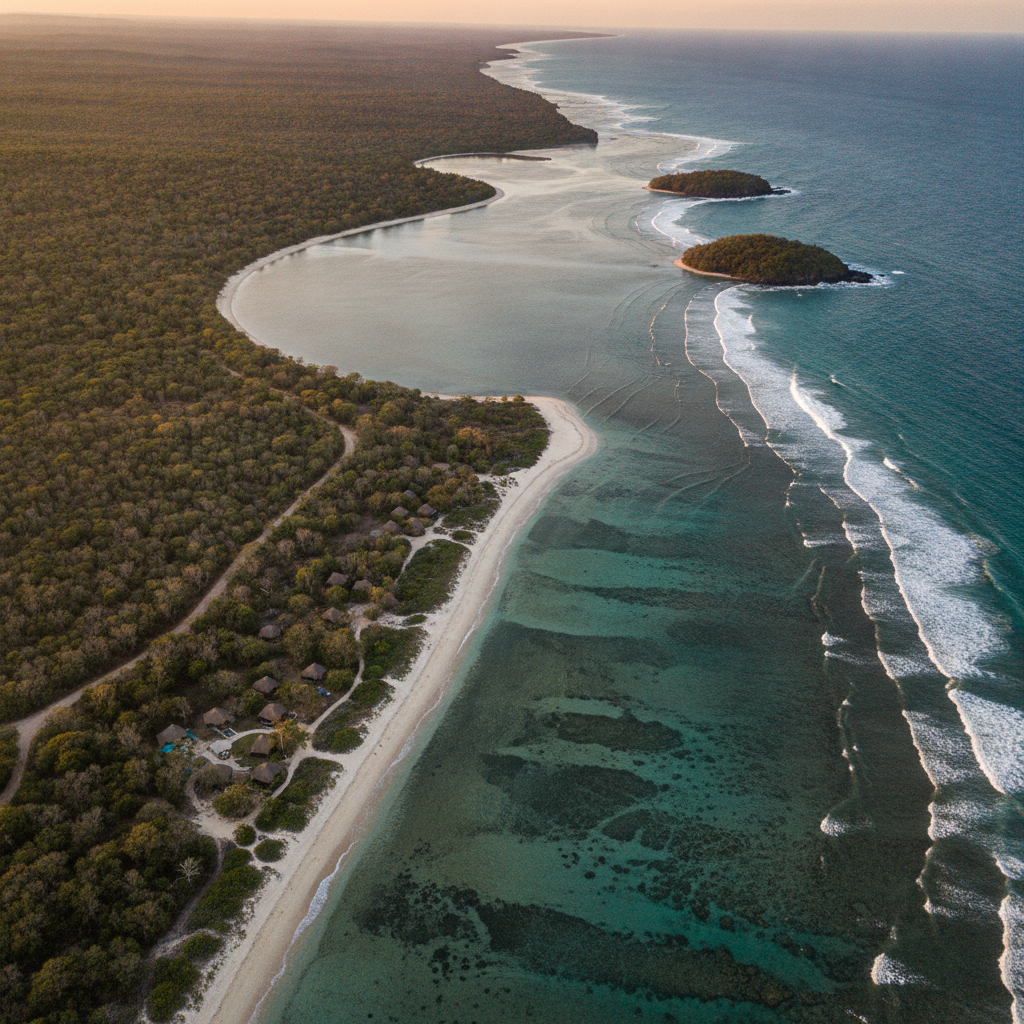
Guanacaste and the North Pacific: Day Trips from Monteverde
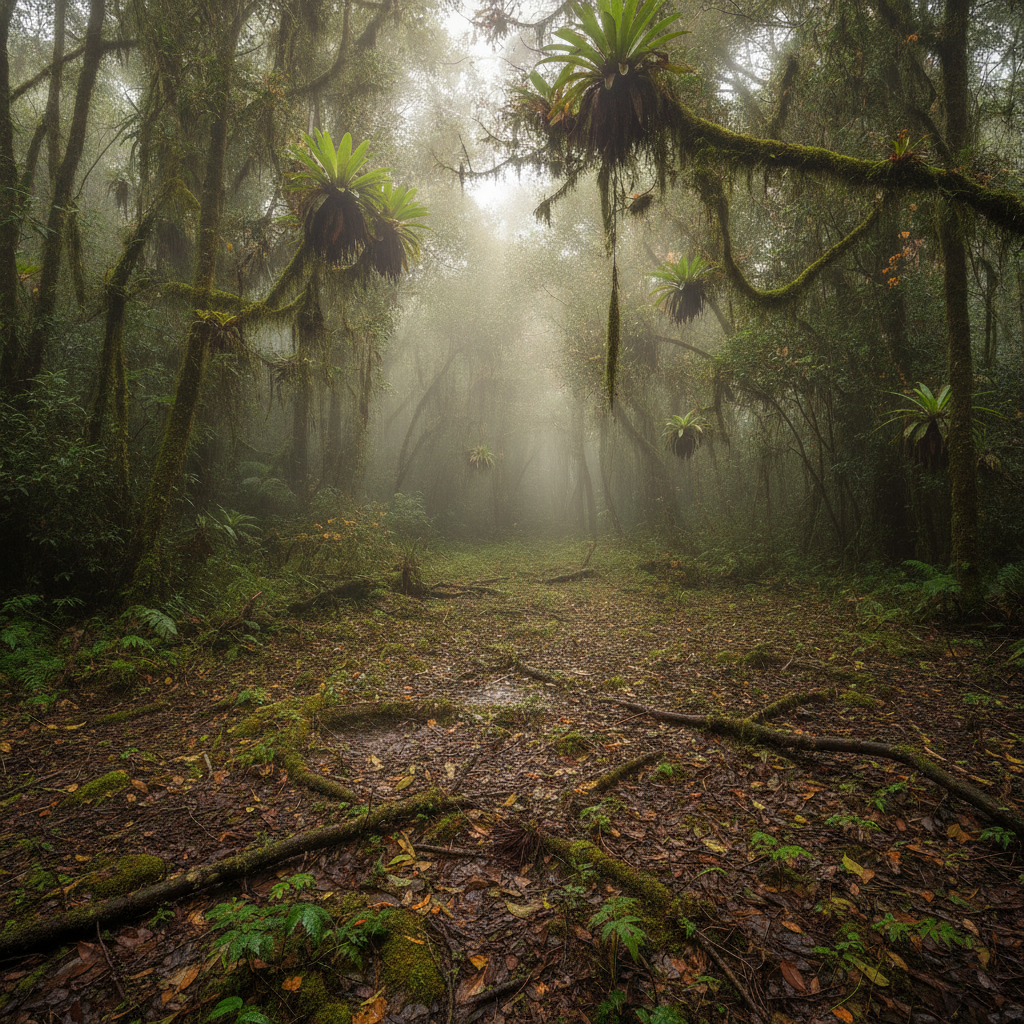
Climate Change and the Future of Monteverde Cloud Forest
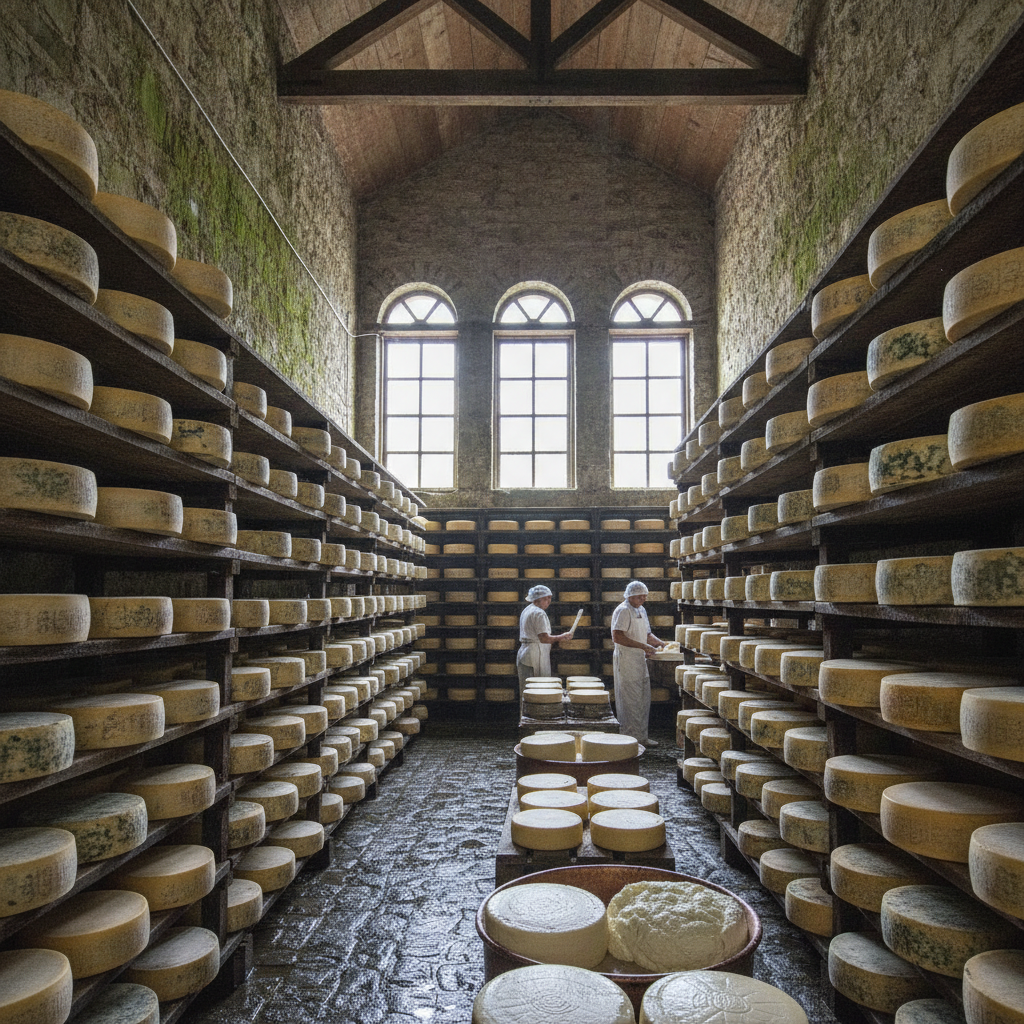
Monteverde Cheese, Coffee, and the Agricultural Community Economy

Conservation History: How Monteverde Became a Global Model for Ecotourism