Montevideo Practical Guide: Getting There, Transport, Buenos Aires Ferry, and Uruguay Circuit
Montevideo is served by the Carrasco International Airport with direct flights to Buenos Aires, Sao Paulo, Santiago, Miami, Madrid, and other regional hubs. The city is compact enough that the main visitor areas are navigable by foot, taxi, and the STM bus network. The most common visitor approach combines Montevideo with a ferry crossing from Buenos Aires, which takes approximately one hour on the fast catamaran and connects the two Rio de la Plata capitals in a half-day excursion or overnight trip. The Uruguayan circuit extends east from Montevideo to Colonia del Sacramento, Punta del Este, and the Rocha beaches and wetlands.
- 1
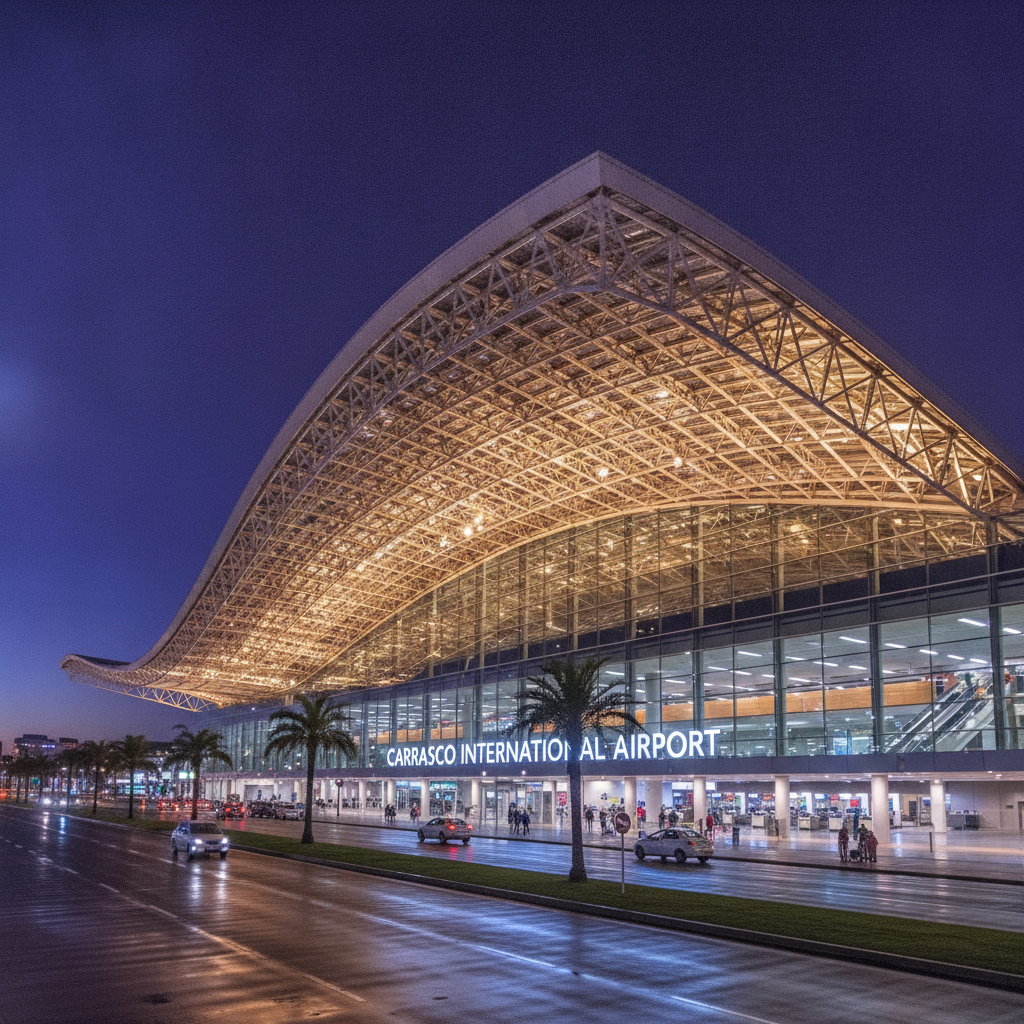
Carrasco International Airport: Vinoly Terminal and Connections
The Carrasco International Airport, designed by the Uruguayan-American architect Rafael Vinoly and completed in 2009, is one of the most architecturally distinguished airports in South America: a 45,000 square meter terminal under a vast curved glass and steel canopy that allows natural light to flood the interior while providing shelter from the weather. The airport handles approximately 2.5 million passengers annually, serving as the gateway for both Montevideo and the Punta del Este resort area. International connections include direct flights to Buenos Aires Aeroparque and Ezeiza, Sao Paulo Guarulhos, Santiago, Lima, Bogota, Miami on American Airlines and LATAM, and Madrid on Iberia, with seasonal additional routes serving the high season from December to February when Argentine and Brazilian visitors concentrate. Domestic flying within Uruguay is limited by the small national territory; the only regular domestic route connects Montevideo to Rivera near the Brazilian border. The taxi fare from Carrasco airport to central Montevideo is fixed at approximately 800 Uruguayan pesos; app taxis and buses also serve the airport. The airport is located in the Carrasco neighborhood at the eastern end of the Rambla, approximately 17 kilometers from the Ciudad Vieja.
- 2
The Buenos Aires Ferry: Crossing the Rio de la Plata
The ferry crossing between Buenos Aires and Montevideo across the Rio de la Plata estuary is one of the classic short international crossings in South America and is used both by tourists combining the two capitals and by the large Uruguayan community that commutes between the countries for work and family. The fast catamaran service operated by Buquebus takes approximately one hour between Buenos Aires Puerto Madero and Montevideo; the slower conventional ferry takes three hours but is cheaper and carries vehicles. The crossing price varies by season and booking timing but is generally in the range of 40 to 80 US dollars one way on the fast service. The arrival at the Montevideo port terminal in the Ciudad Vieja places passengers immediately in the historic center within walking distance of the main attractions. The crossing itself, over the broad brown estuary water with both city skylines visible in different directions on a clear day, is an experience in itself. There is also a shorter crossing from Buenos Aires directly to Colonia del Sacramento in one hour, which is the most popular route for day trippers from Buenos Aires visiting the colonial Uruguayan city; Colonia to Montevideo by bus takes an additional two and a half hours.
- 3
Getting Around Montevideo: STM Bus and Taxi
The STM integrated bus network covers all of Montevideo with a comprehensive route system that connects all neighborhoods to the city center and the Rambla; the bus is the primary transport for Montevideo residents and is affordable for visitors willing to navigate the route system. A reloadable STM card reduces the per-journey fare; single cash journeys are available but cost more. The main visitor areas of the Ciudad Vieja, Pocitos, Punta Carretas, and the Rambla are connected by buses running along the Rambla or inland on the Avenida 18 de Julio. Taxis in Montevideo are metered and generally honest by Latin American capital standards; they can be hailed on the street or called through apps including Uber which operates in Montevideo. Walking is the most practical option within the Ciudad Vieja, which is compact, and for the Rambla which has a dedicated pedestrian and cycling path. Cycling is increasingly practical in central Montevideo following the expansion of dedicated cycling infrastructure; the Movete bike share system operates in several neighborhoods. The historic center is flat and walkable; the Pocitos and Punta Carretas neighborhoods are further but served by frequent buses on the main Rambla corridor. Renting a car for excursions to Colonia, Punta del Este, and the Rocha coast is the most practical option for visiting the interior and eastern regions.
- 4
Uruguay Circuit: Colonia, Punta del Este, and Rocha
The classic Uruguay tourist circuit extends from Montevideo west to Colonia del Sacramento and east to Punta del Este and the Rocha coast, covering the full range of Uruguayan tourism experiences from colonial heritage to international beach resort to wild Atlantic coast. Colonia del Sacramento, two and a half hours west by bus or accessible by ferry from Buenos Aires, is the UNESCO colonial city with its Portuguese-Spanish contested heritage and picturesque historic streets. Punta del Este, approximately 130 kilometers east of Montevideo by highway or the coastal Rambla road, transforms from a quiet fishing town to one of South America's most glamorous resorts in December and January; the Casapueblo building, the La Mano sculpture half-buried in the sand, and the sculpture garden of the Pan American art center are the primary landmarks outside the beach culture. The Rocha department east of Punta del Este contains the most undeveloped Uruguayan Atlantic coast, with isolated beaches, sand dunes, and the coastal lagoon system of the Bañados del Este; the town of Cabo Polonio, accessible only by 4x4 sand track or organized vehicle shuttle, is a car-free fishing community with a sea lion colony on the adjacent rocks and one of the most pristine coastal environments in Uruguay.
- 5
Seasonal Guide: Summer Beach Culture and Winter Tango Season
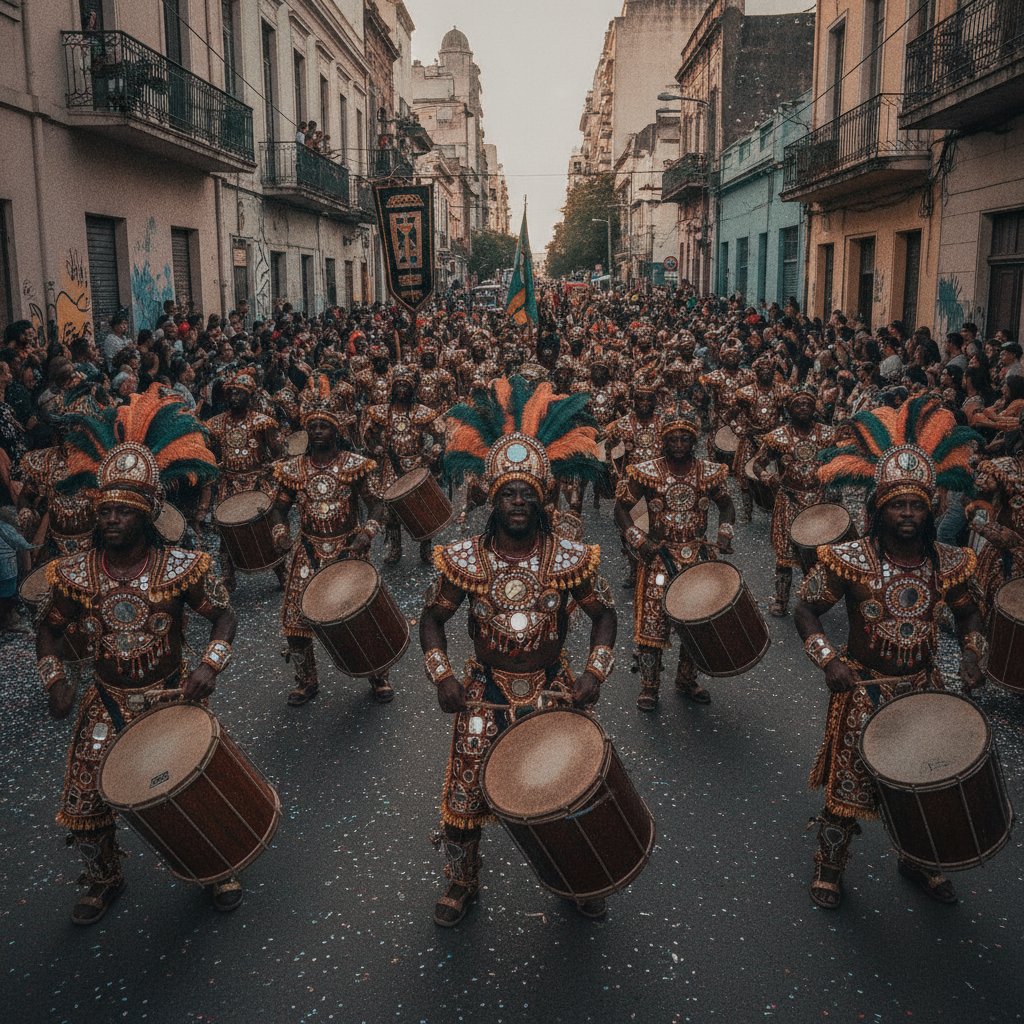
Montevideo operates in two distinct social registers depending on the season. The summer from December to March is the beach culture season: the Rambla fills with sunbathers and swimmers, the Feria de Artesanos handcraft market operates daily in the Pocitos beach area, the Punta del Este resort fills with Argentine and Brazilian visitors, and the outdoor activities including Carnival in late January and February define the social calendar. Summer temperatures average 26 to 28 degrees Celsius with high humidity; the evenings are warm enough for outdoor dining year-round. The winter from June to August shifts the social life indoors: the milongas tango dance events concentrate in the cooler months, the cultural season of the Teatro Solis and the Montevideo Philharmonic is at its peak, and the restaurants and wine bars of Pocitos and the Ciudad Vieja are full of residents. The shoulder seasons of April to May and September to November offer mild weather, fewer tourists, and lower accommodation prices while maintaining full access to the city's attractions. The Tristan Narvaja Sunday flea market in Cordón, the Mercado Agricola, and the Ciudad Vieja cultural circuit are year-round attractions unaffected by the seasonal beach rhythm.
- 6
Safety, Money, and Living Like a Montevidean
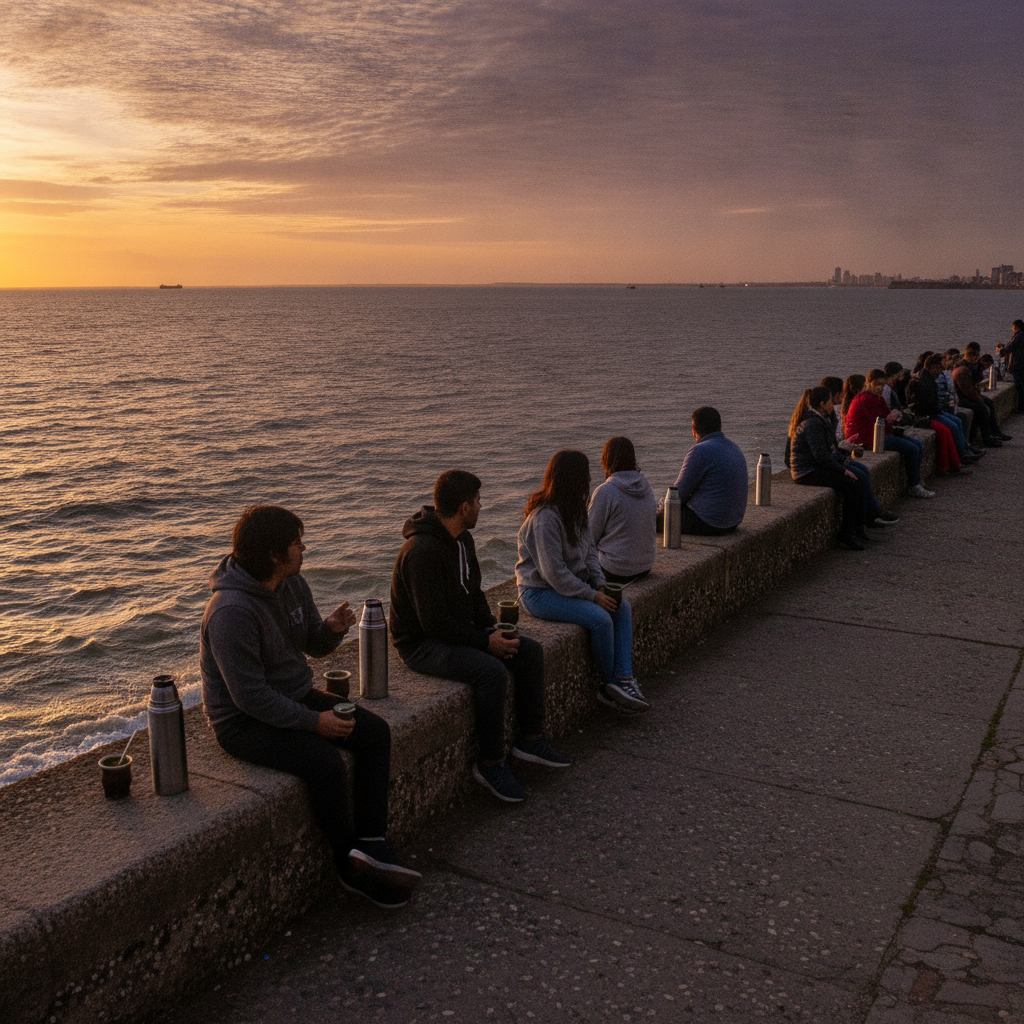
Montevideo is consistently rated the safest capital city in Latin America, with low rates of violent crime and petty theft by regional comparison; the city has a functional police presence and the public spaces from the Rambla to the Ciudad Vieja are used comfortably by residents at all hours. Standard urban precautions including phone awareness in crowded spaces and avoiding displays of expensive equipment apply, but the security situation is categorically different from cities like Bogota, Lima, or even Buenos Aires that require more significant vigilance. The Uruguayan peso fluctuates against the US dollar; checking current exchange rates before arrival is advisable. ATMs are abundant throughout the city, and most restaurants and shops accept credit cards; the Mercado del Puerto and traditional market vendors are more likely to be cash-only. The cost of living in Montevideo is higher than most of Latin America but lower than Europe; a good restaurant meal including wine costs approximately 30 to 50 US dollars per person. The daily ritual that most quickly integrates a visitor into Montevidean life is acquiring a mate thermos, a gourd, and a bombilla from any supermarket or mate shop, and joining the Rambla walkers and sitters with the full equipment for an afternoon of thermos refilling and river watching.
Walk this route with audio
Stories play automatically as you reach each stop — no tapping needed.
More in Montevideo
Montevideo Architecture and Neighborhoods: Art Deco, Pocitos, and the Coastal Suburbs
Montevideo Food: Asado, Chivito, Dulce de Leche, and the Uruguayan Table
Montevideo: The Rambla, Tango, and the Most Liveable Capital in Latin America
Montevideo Carnival: The Longest Carnival in the World and the Murga Tradition