Munich — the Residenz, Frauenkirche, Schwabing & the City's Cultural Core
Munich's cultural depth extends far beyond Oktoberfest — the Wittelsbach Residenz palace, the dramatic Frauenkirche twin domes, and the Schwabing bohemian quarter make Munich the most historically layered of the major German cities.
- 1
The Residenz — 500 Years of Wittelsbach Power
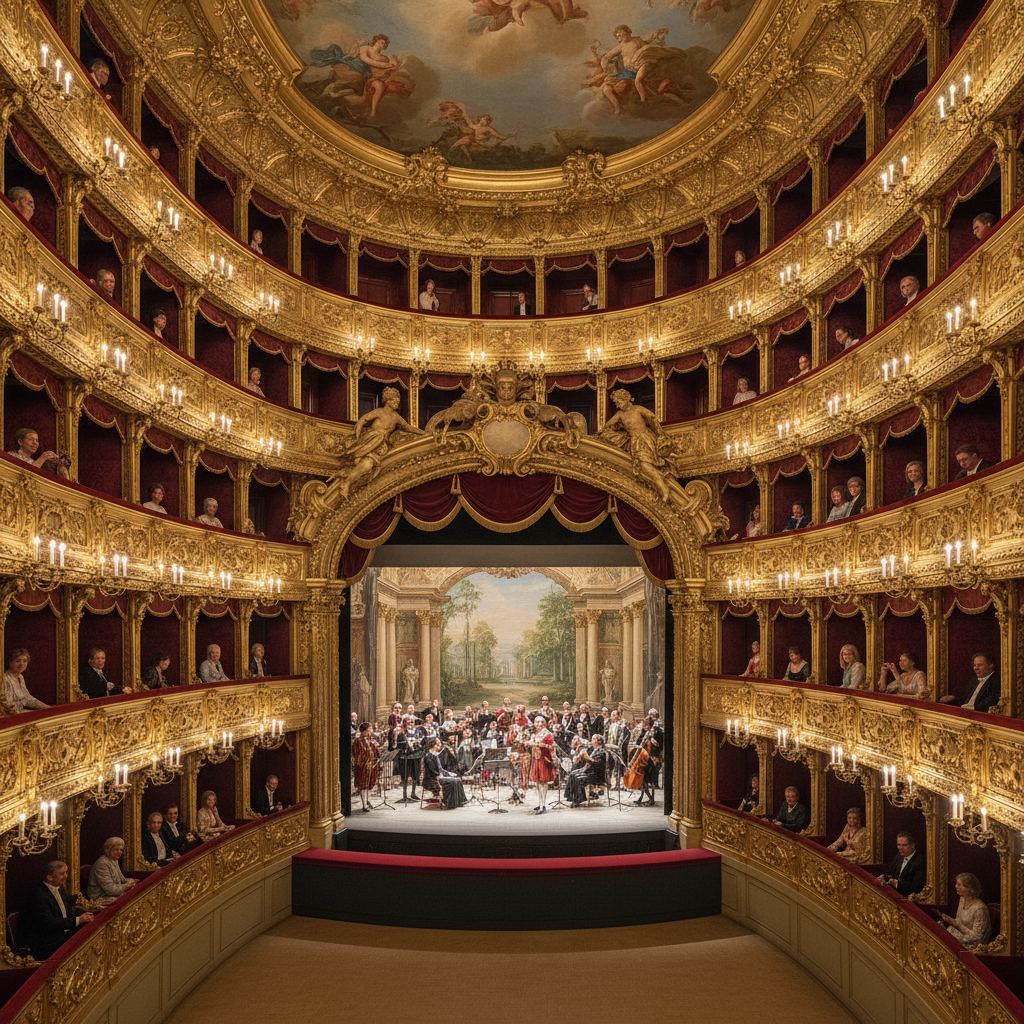
Münchner Residenz (the Munich Residenz at Max-Joseph-Platz 3, the palace complex of the Wittelsbach dynasty covering 130 rooms across 6 courtyards — the largest city palace in Germany and the most historically layered single building complex in Munich): the Antiquarium (the Antiquarium of 1571 — the oldest room in the Residenz and the most impressively large Renaissance secular hall in northern Europe at 69m × 10m, the barrel-vaulted ceiling painted by Hans Donauer with the Bavarian topographical views and the allegorical figures, the 100 Roman busts and the 120 ancient vases in the cases — the most intact Renaissance hall in Germany), the Cuvilliés Theatre (the Altes Residenztheater — François de Cuvilliés' 1753 Rococo theatre with the gold and red carved wooden gallery tiers, the most perfectly preserved Baroque court theatre in the world, the original woodwork the only surviving complete Rococo theatrical interior in Germany, CHF 5 adults separate from the Residenz ticket, open for daily 30-minute viewing, the theatre still used for performances September-July), the Treasury (the Schatzkammer at the south wing — the 10 rooms of Wittelsbach crown jewels including the 12th-century Prayer Book of Charles the Bald (the oldest surviving Carolingian codex in Bavaria), the Golden Statuette of St George on horseback in enamel and diamonds (the most intricate single goldsmith's work in Bavaria), and the Bavarian Crown Regalia of 1806 — CHF 9 adults, included in the combined Residenz ticket at €14), the Hofgarten (the Renaissance garden at the north side of the Residenz — the 1617 Italian-style formal garden with the Diana Temple at the centre, the most atmospherically peaceful garden space in the Munich Altstadt, the arcaded loggia on 3 sides the most pleasant all-weather outdoor seating area in central Munich) and the Ancestral Portrait Gallery (the 121 Wittelsbach portraits spanning 1100-1800 CE in the largest single-dynasty portrait sequence in any European palace — the gallery including 4 portraits by Joseph Karl Stieler including the Ludwig I portrait and the original oil portraits by Lucas Cranach the Elder, the most complete dynastic portrait sequence in German history in a single room).
- 2
The Frauenkirche and the Altstadt Churches
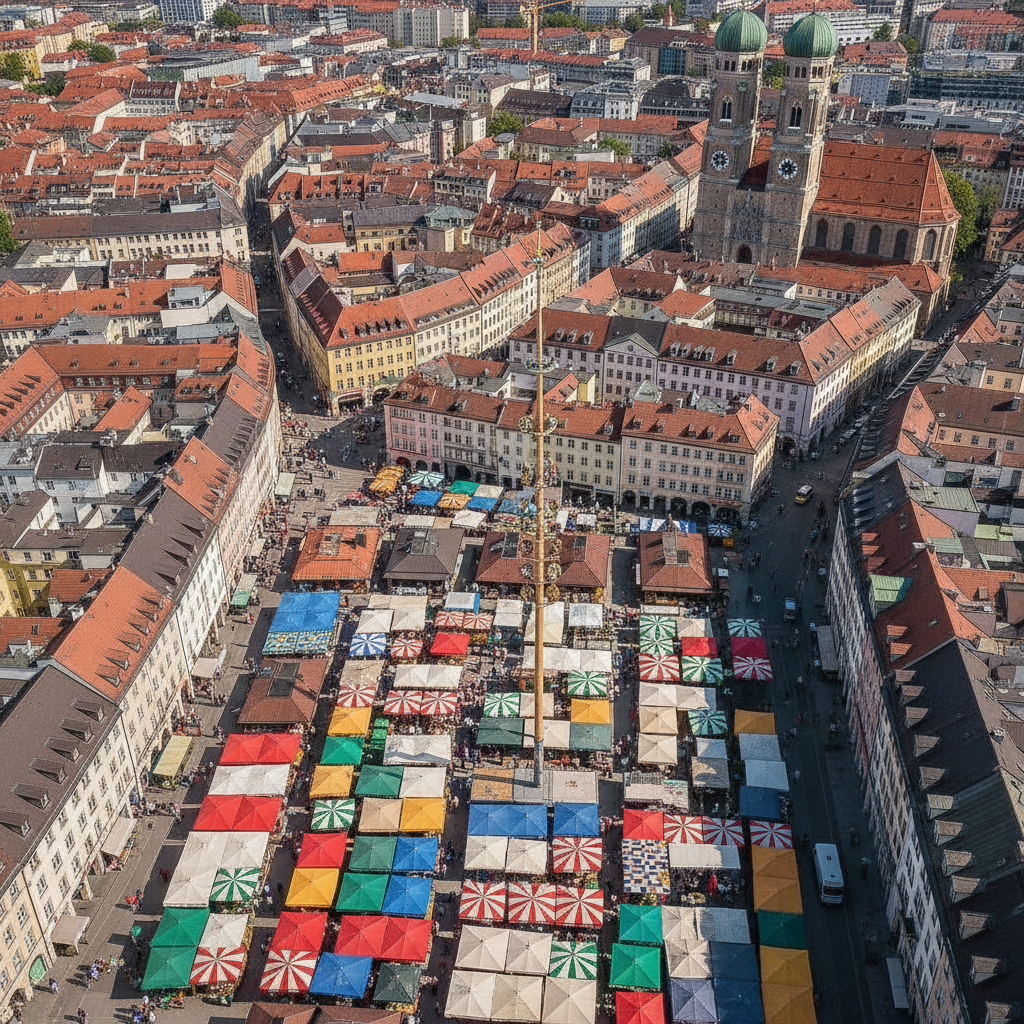
Frauenkirche (Dom zu Unserer Lieben Frau — the Cathedral of Our Dear Lady at Frauenplatz 1, the defining skyline silhouette of Munich — the twin copper-green onion domes at 99m the tallest structures in the Munich Altstadt and the protected viewpoint reference: no building in Munich may exceed 99m within the 4km radius of the Altstadt, the most consequential single building in the definition of the Munich urban skyline): the building (the late-Gothic brick hall church of 1468-1524 — the largest Gothic hall church in Bavaria at 109m length, the red brick facade the most distinctively unadorned of any major German cathedral — no stone carving on the exterior, the raw brick the deliberate aesthetic choice of the 15th-century Munich city government, the twin onion domes added in 1525 as a temporary wooden solution that became the permanent Bavarian Baroque model for 200 years), the Devil's Footprint (the Teufelstritt — the black footprint-shaped stone at the entrance of the Frauenkirche nave, the legend: the devil made a bet with the cathedral architect that the windows would be invisible from the entrance, stood at the entry marker, and seeing no windows agreed the bet was lost — then stepped in anger, leaving the footprint — the entry marker positioned at the single point where the pillar arrangement completely obscures all 66 windows of the nave, the most visited single square metre of stone floor in Munich), the Peterskirche (the Church of St. Peter at Rindermarkt — the 'Alter Peter', the oldest parish church in Munich of 1181, the 91m tower with the 306-step ascent the most commonly recommended elevated viewpoint for the Marienplatz panorama at €5 adults — the eight-directional clock face the most complex church clock face in Munich), the Michaelskirche (the Church of St. Michael at Neuhauser Strasse — the 1597 Jesuit church the largest Renaissance church north of the Alps and the most architecturally dramatic interior in the Munich Altstadt with the 20m barrel vault and the single-nave space illuminated by the 14 windows above the gallery, free, daily) and the Asamkirche (the Asamkirche at Sendlingerstrasse 32 — the 1746 private chapel of the Asam brothers the most excessively decorated Rococo interior in Munich, the 9m × 20m single-nave chapel encrusted with gold leaf, frescoes, and stucco from floor to ceiling with no plain surface visible anywhere, free, Tuesday-Sunday 9am-5pm).
- 3
Schwabing and the Munich Nightlife Neighbourhoods
Schwabing (the bohemian neighbourhood north of the English Garden and the university, the historical artists' quarter of Munich where Kandinsky, Klee, and the Blaue Reiter movement were founded in 1911, the most historically significant single art neighbourhood in German modernism): the Leopoldstrasse (the 2km boulevard from the Siegestor at the south to the Münchner Freiheit at the north — the main axis of Schwabing, the café-lined street the most people-watching avenue in Munich, the Siegestor (Victory Gate) the 1843 triumphal arch modelled on the Arch of Constantine with the peace inscription added after WWII 'Dedicated to victory, destroyed by war, urging peace' — the most thought-provoking single monument on the Munich street), the Münchner Freiheit (the U-Bahn square at the north end of the Leopoldstrasse — the terrace cafés on the square the primary Schwabing outdoor dining and drinking area, the most animated single square in the Munich bohemian neighbourhoods, the Saturday morning market the best non-Viktualienmarkt fresh food in Munich), the Kunstareal (the museum district at the Maxvorstadt edge of Schwabing — the Pinakotheken complex 10 minutes from the Münchner Freiheit on foot, the connection of the museum visits with the café culture of the Schwabing neighbourhood the defining Munich art afternoon), the Gärtnerplatz (the 1860 circular garden square in the Glockenbachviertel south of the Altstadt — the Gärtnerplatz the most architecturally complete Biedermeier residential square in Munich, the terraced café-bars ringing the square the most important LGBTQ+ social outdoor space in Munich, the Gärtnerplatztheater at the north of the square the 18th-century opera house for operetta and musical theatre) and the Glockenbachviertel (the neighbourhood between the Sendlinger Tor and the Isar — the most concentrated nightlife neighbourhood in Munich, the Müllerstrasse and the Hans-Sachs-Strasse the primary bar streets, the cocktail bars and the DJ clubs from the Baader Café (the oldest artist café in Munich, 1966) to the Substanz club on the Ruppertstrasse the most varied single bar crawl route in Munich, best experienced Thursday-Saturday from 10pm).
- 4
The BMW Welt and the Olympic Park
BMW Welt (the BMW World at Am Olympiapark 1 — the 2007 Coop Himmelblau building the most architecturally dramatic single corporate visitor centre in Germany, the double-cone steel-and-glass structure the primary BMW brand experience destination): the building (the BMW Welt exterior — the 73m double cone of the 'cyclone' roof structure supported by a single steel pylon, the glass facade wrapping the entire building perimeter, the most complex single structural engineering achievement in Munich since the Olympiastadion tent roof, free entry to the building), the car delivery (the BMW Welt the primary venue for customer delivery of new BMW and Mini vehicles — 35,000 vehicles per year delivered at the building, the most dramatically staged car delivery experience in the automotive world, the delivery theatre visible from the visitor gallery at no cost), the BMW Museum (the BMW Museum at Petuelring 130 adjacent to the Welt — the bowl-shaped 1972 concrete building with the permanent collection of BMW motorcycles and cars from 1916 to the present, the BMW 303 of 1933 the oldest complete BMW automobile in the collection, the futuristic concept cars on the upper gallery level the most photographically expressive vehicles in any German car museum, CHF 10 adults), the Olympiapark (the 1972 Munich Olympics site — the Olympiastadion, the Olympiahalle, and the Olympiaturm the 3 primary structures, the tent-roof design by Frei Otto the most influential single architectural innovation in 20th-century sports architecture, the Olympiastadion guided roof walk tours daily at CHF 19 adults the most unusual stadium visitor experience in Germany), the Olympiaturm (the 291m Olympic Tower — the observation deck at 190m the best single 360-degree view of Munich with the Alps visible on clear days, the view of the Frauenkirche domes, the English Garden, and the Allianz Arena from the tower the most comprehensive visual survey of the Munich urban landscape, CHF 11 adults, daily 9am-midnight) and the Allianz Arena (the Allianz Arena at Werner-Heisenberg-Allee 25 — the 2005 Herzog & de Meuron football stadium the most visually distinctive sports venue in Germany, the exterior ETFE membrane panels illuminated in red for FC Bayern, blue for TSV 1860, and white for national team — the most recognised changing-facade building in European architecture, the stadium tour at CHF 19 adults the primary Bayern Munich visitor experience on non-matchdays).
- 5
Day Trips from Munich — Neuschwanstein and the Alpine Foothills
Munich day trips (Munich the most strategically located city for Alpine day trips in Germany — the Austrian border 50km south, the Zugspitze 90km, Neuschwanstein 120km, and the Bavarian lakes 30-60km making Munich the ideal base for the Bavarian landscape): Neuschwanstein (the Neuschwanstein Castle above Füssen at 120km from Munich — the 1886 Ludwig II fantasy castle the most visited single building in Germany after the Cologne Cathedral at 1.4 million visitors per year, the white limestone towers on the Schwangau cliff the direct inspiration for the Disney Sleeping Beauty Castle and the archetypal image of the German fairy-tale castle, accessible by Bayern-Ticket train to Füssen in 2 hours + bus to the castle base + 30-minute uphill walk, the timed-entry castle ticket CHF 15 adults must be pre-booked online 2-4 weeks in advance in July-August, the Marienbrücke (Mary's Bridge) above the castle the most photographed vantage point for the castle exterior view), the Starnberger See (the Starnberger lake 25km south of Munich — the most fashionable lakeside resort for the Munich upper-income residential population, accessible by S-Bahn S6 in 35 minutes at €5, the lake 21km long and 5km wide with the rowing and sailing clubs, the swimming at the free Seebad Ambach beach, the Villa Berg on the lake the summer residence rented by Ludwig II before his mysterious 1886 drowning at this lake), the Zugspitze (the Zugspitze at 2,962m the highest mountain in Germany, accessible from Garmisch-Partenkirchen by the Zugspitzbahn rack railway or by cable car — the Garmisch station 90km from Munich by car or 80 minutes by train, the summit the most panoramic viewpoint in Germany with the view into 4 countries, the summit entry ticket CHF 64 adults return from Garmisch), the Chiemsee (the Chiemsee lake 80km east of Munich the largest lake in Bavaria — the Herrenchiemsee palace on the Herreninsel island the Ludwig II Versailles replica, the most ambitious single building project in Bavarian royal history, accessible by ferry from Prien am Chiemsee at CHF 8 return) and the Dachau Memorial (the KZ-Gedenkstätte Dachau memorial at 16km northwest of Munich — the first concentration camp of the Nazi regime established 1933, the memorial the most historically important single site of 20th-century German history in the Munich day-trip range, free entry, guided tours daily at 11am and 1pm, accessible by S-Bahn S2 from Munich Hauptbahnhof in 25 minutes).
- 6
Munich Practical Guide — Transport, Food & the Calendar
Munich practical guide (the essential logistics for a Munich visit — transport, costs, neighbourhoods, and the calendar of events): the Munich transport (the MVV public transport network — the S-Bahn suburban railway, the U-Bahn metro, the tram, and the bus covering the entire city and the airport, the Isarcard Tageskarte (Day Ticket) at €9.70 adults the most cost-efficient single-day transport option covering all public transport within the Munich city zone from 9am to 6am the following morning, the 2-hour ticket at €3.70 the single-journey option, the Hauptbahnhof the central interchange for all lines), the airport (the Munich Airport (MUC) at 28km northeast of the city centre — the S-Bahn S1 and S8 both connect the airport to the Hauptbahnhof in 42-45 minutes at €13.60 adults, the Lufthansa Airport Bus at €11 to the Karlsplatz station, the taxi at €65-80 the fastest but least necessary transport from the airport), the neighbourhoods (the Munich neighbourhoods from the visitor perspective: the Altstadt (centre, most hotels, all major monuments); the Maxvorstadt (university, museums, the Pinakotheken — the most walkable museum neighbourhood in Germany); Schwabing (bohemian, cafés, the English Garden north); Glockenbachviertel (nightlife, LGBTQ+, cafés); Haidhausen (the residential 'Franzosenviertel' east of the Isar, the most architecturally intact 19th-century residential neighbourhood in Munich, the best neighbourhood for the authentic Munich Gasthaus dinner without the tourist premium)), the food calendar (the Viktualienmarkt daily, the Auer Dult flea market at the Au meadow 3 times per year (May, July, October) the most atmospheric and the most historically longstanding flea market in Bavaria, the Tollwood summer festival at the Olympiapark in July the most cosmopolitan outdoor festival in Munich with the world music, food, and circus acts) and the Fasching (the Munich Carnival — the Fasching season from January 7 to the Shrove Tuesday (Faschingsdienstag) the most exuberant pre-Lenten period in the Protestant north of Bavaria, the rooftop race of the Viktualienmarkt fish women the single most specifically Munich Fasching tradition, the costume balls at the Hofbräuhaus and the Kursaal the most attended ticketed Fasching events, tickets €30-60 per person).
Walk this route with audio
Stories play automatically as you reach each stop — no tapping needed.
More in munich
Munich — Residenz, Schleissheim, Starnberger See, Christmas Markets & Parks
Munich — Deutsches Museum, Pinakotheken, FC Bayern, Jewish History & Neighbourhoods
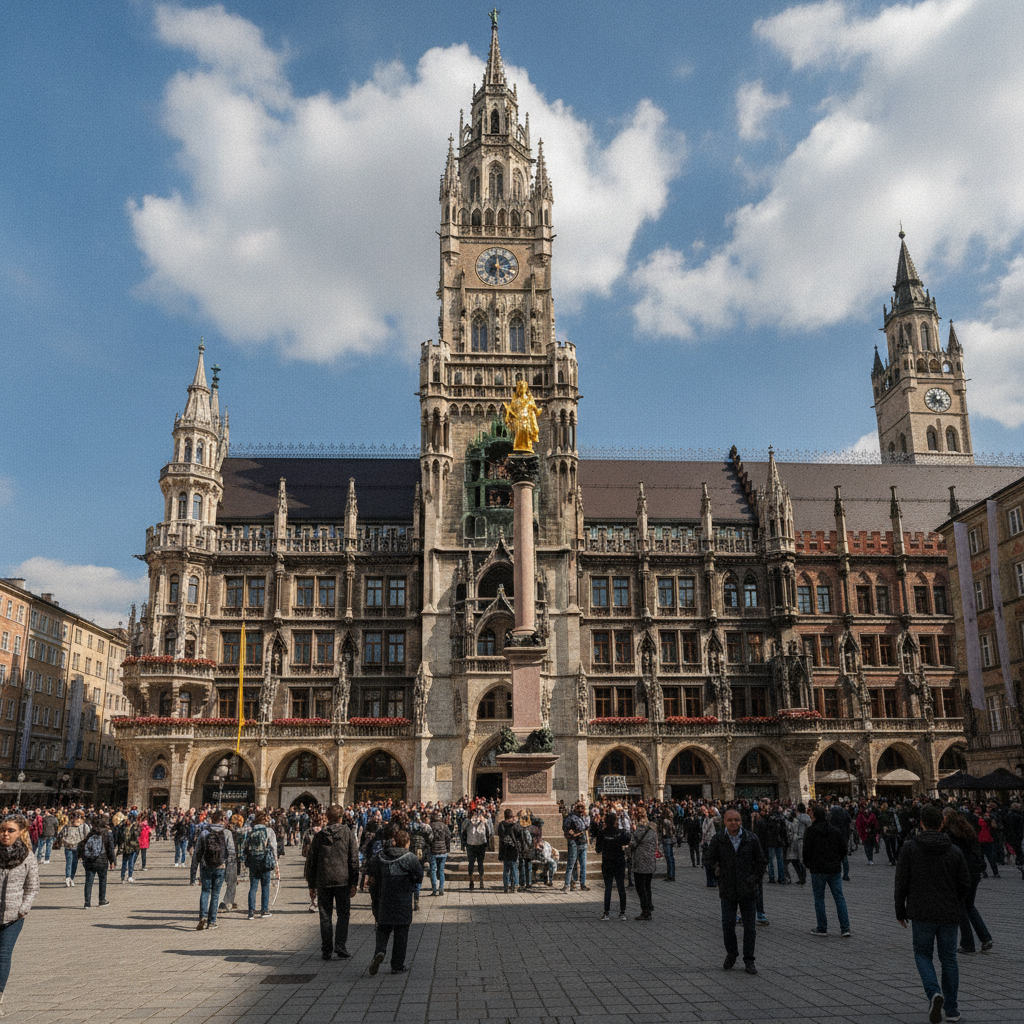
Munich — Marienplatz, Englischer Garten, Oktoberfest & the Pinakotheken
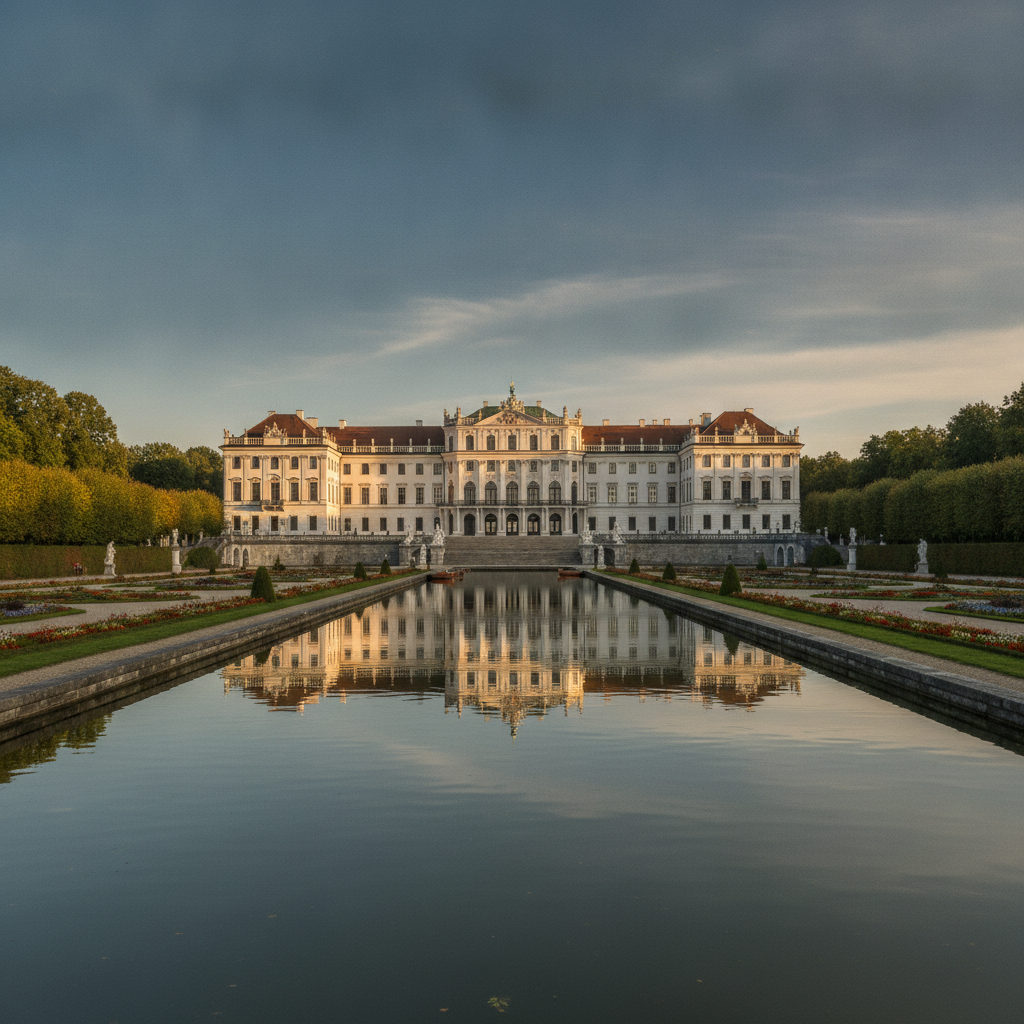
Munich — Nymphenburg Palace, BMW Welt, Opera, Nightlife & the Practical Guide