Muscat Essentials: Grand Mosque, Mutrah Souq & the Arab World's Premier Opera House
Discover the Gulf's most authentic capital—the Grand Mosque's world's-largest hand-woven carpet open to non-Muslims every morning, Mutrah Souq's genuine Omani silver and Dhofar frankincense (unchanged since the Portuguese era), twin 16th-century Portuguese forts above the harbour, an opera house where Plácido Domingo performs for €35, and a city that banned skyscrapers to keep its rooftops below the mosque minarets.
- 1
Sultan Qaboos Grand Mosque
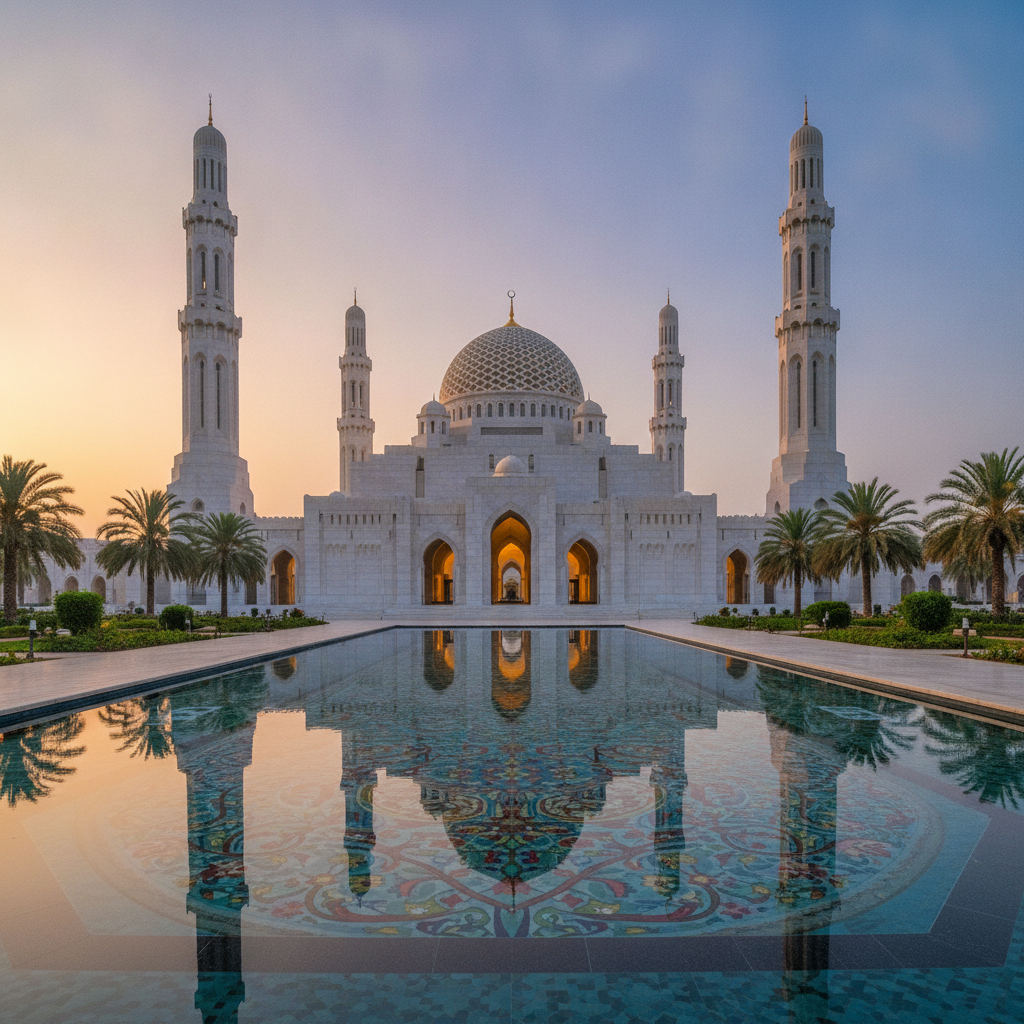
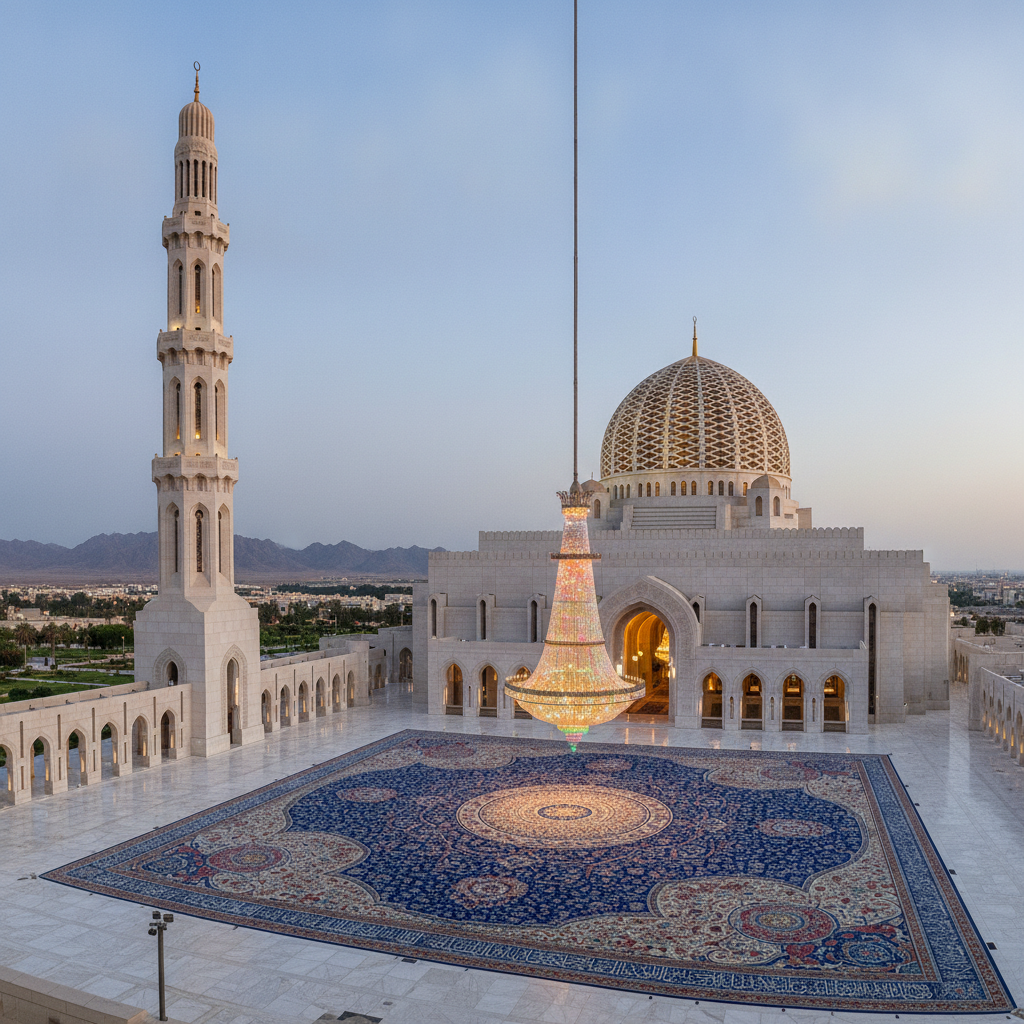
The Sultan Qaboos Grand Mosque—commissioned by Sultan Qaboos bin Said and completed in 2001—is Oman's most magnificent building and the third largest mosque in the world (capacity 20,000 worshippers). The prayer hall contains the world's largest hand-woven carpet (4,343 m², woven by 600 Iranian women over 4 years) and a Swarovski crystal chandelier 14 metres in diameter. The mosque is open to non-Muslim visitors every morning (8–11 am) except Friday—one of the few Grand Mosques in the Arabian Peninsula accessible to non-Muslims.
- 2
Mutrah Souq & the Old Port
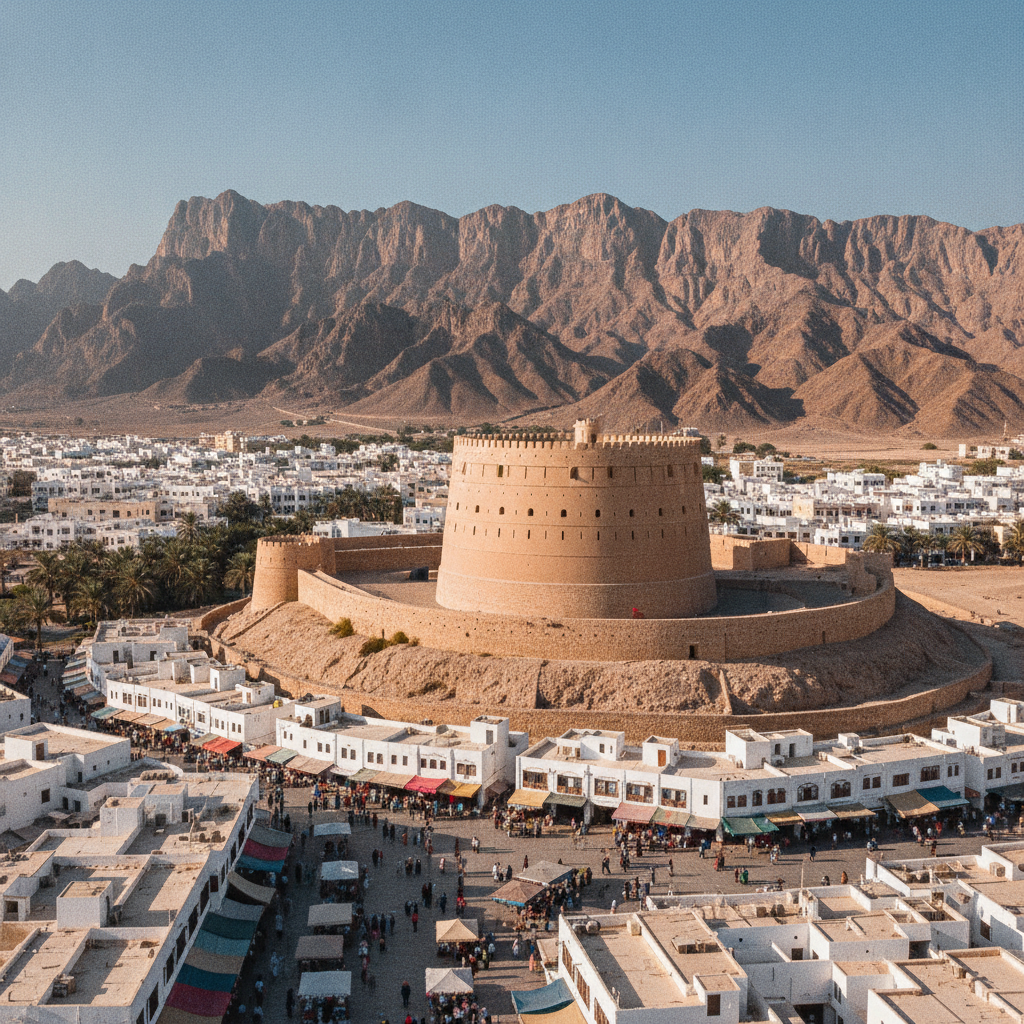
Mutrah Souq—Muscat's historic covered market in the old port district—is one of the most authentic souks remaining in the Arabian Peninsula. Unlike Dubai's tourist-oriented souks, Mutrah primarily serves Omanis and Omani-Indian merchants. The market specialises in Omani silver jewellery (khanjar daggers, anklets, incense burners), frankincense (Oman produces the world's finest Hojari frankincense—clear, green-tinged resin from the Dhofar region), Arabian perfumes, and traditional clothing. The Mutrah corniche (seafront promenade) offers evening views of the old fort and harbour.
- 3
Muttrah Fort & Al Mirani Fort
Muscat's twin Portuguese forts—Al Jalali and Al Mirani—guard the natural harbour entrance from the clifftops above the old port. Built by the Portuguese in the 16th century (Oman was under Portuguese control 1507–1650), the forts were maintained and expanded by successive Omani rulers. Al Jalali (the eastern fort) is now a VIP prison used by the royal court; Al Mirani (the western fort) has been a military installation. Neither is open to the public, but their dramatic clifftop silhouette above the old harbour is one of Muscat's defining images.
- 4
Royal Opera House Muscat
The Royal Opera House Muscat (ROHM), inaugurated in 2011 by Sultan Qaboos, is the Arab world's premier performing arts venue—an extraordinary building combining Omani architectural traditions with an 1,100-seat opera hall of international acoustic quality. The opera house stages international opera, classical music, and ballet; past performers include Plácido Domingo, Anna Netrebko, and Yo-Yo Ma. The surrounding cultural complex includes a shopping mall, restaurants, and landscaped gardens. The opera season runs October–April; tickets are affordable by international standards (OMR15–50, €35–120).
- 5
Muscat's Low-Rise, Green Capital Identity
Muscat is one of the few Gulf capitals that has maintained strict height restrictions—no building taller than the Qaboos Grand Mosque's minarets (90 metres) is permitted. The result is a low-rise city spread across mountain and sea, with white-washed buildings, bougainvillea-draped walls, and frankincense smoke from houses and shops. Muscat is consistently rated among the cleanest and greenest cities in the Arab world; the Oman Botanic Garden (the largest in the Middle East) and Muscat's public landscaping reflect the national commitment to environmental quality.
- 6
Muscat Corniche & Riyam Park
The Muscat Corniche (Muttrah Corniche)—a 5 km seafront promenade connecting Mutrah to the old city—is the city's social heart: families walk in the evenings, fishermen sell the day's catch at dawn, and Omani men gather at the traditional coffee houses overlooking the Arabian Sea. Riyam Park, at the southern end of the corniche, features the iconic incense burner monument (a giant white khanjar and incense burner structure on a hilltop) that has become Muscat's symbol. The Al-Alam Palace (the Sultan's ceremonial palace) has a public-facing ornamental facade at the northern end of the corniche.
Walk this route with audio
Stories play automatically as you reach each stop — no tapping needed.
More in Muscat
Muscat Context: Ibadi Islam's Diplomatic Moderation, Muscat vs Dubai & Vision 2040
Muscat Essential: The Sultan Qaboos Grand Mosque, the Mutrah Souq, the Muttrah Corniche, the Royal Opera House, and the Most Architecturally Elegant Single Gulf Capital
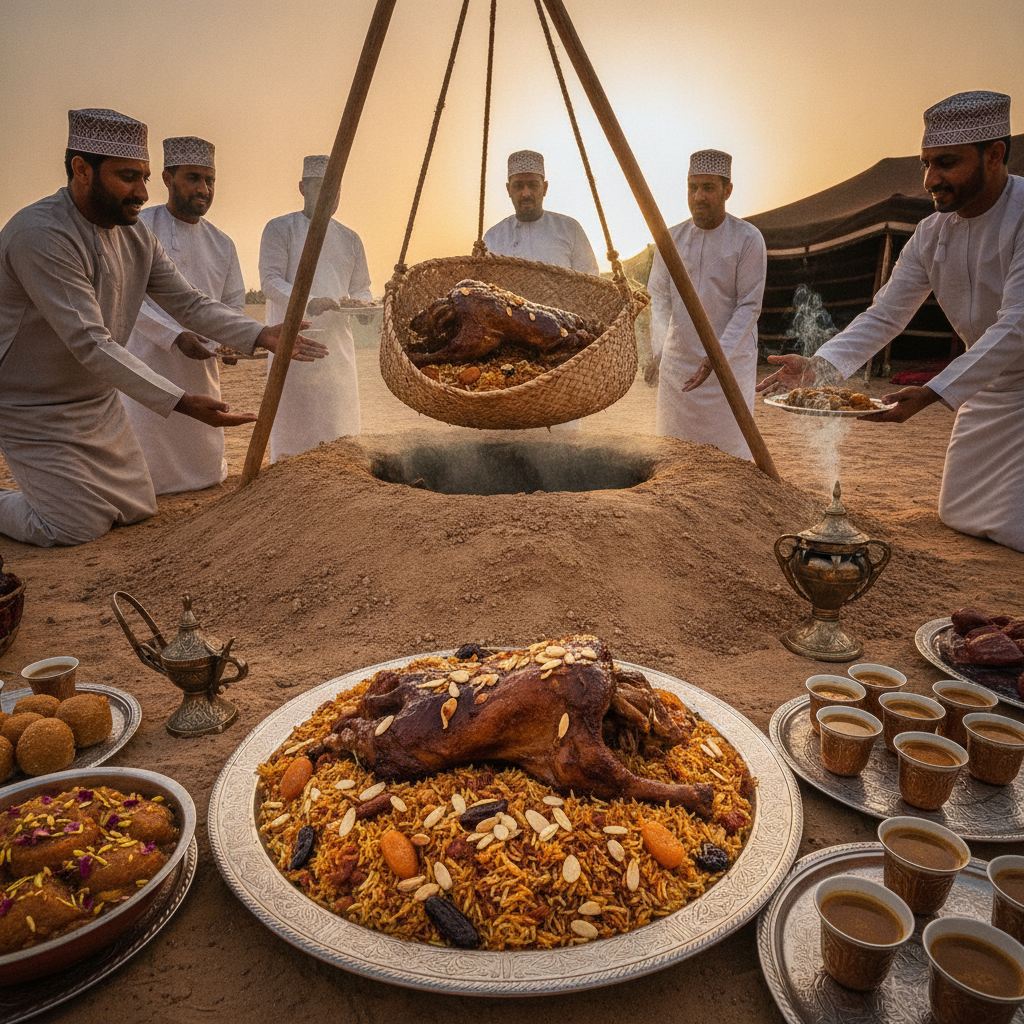
Muscat Food: The Shuwa Underground Lamb, the Omani Halwa, the Frankincense Coffee, the Mutrah Fish Market, and the Most Hospitably Generous Single Gulf Food Culture
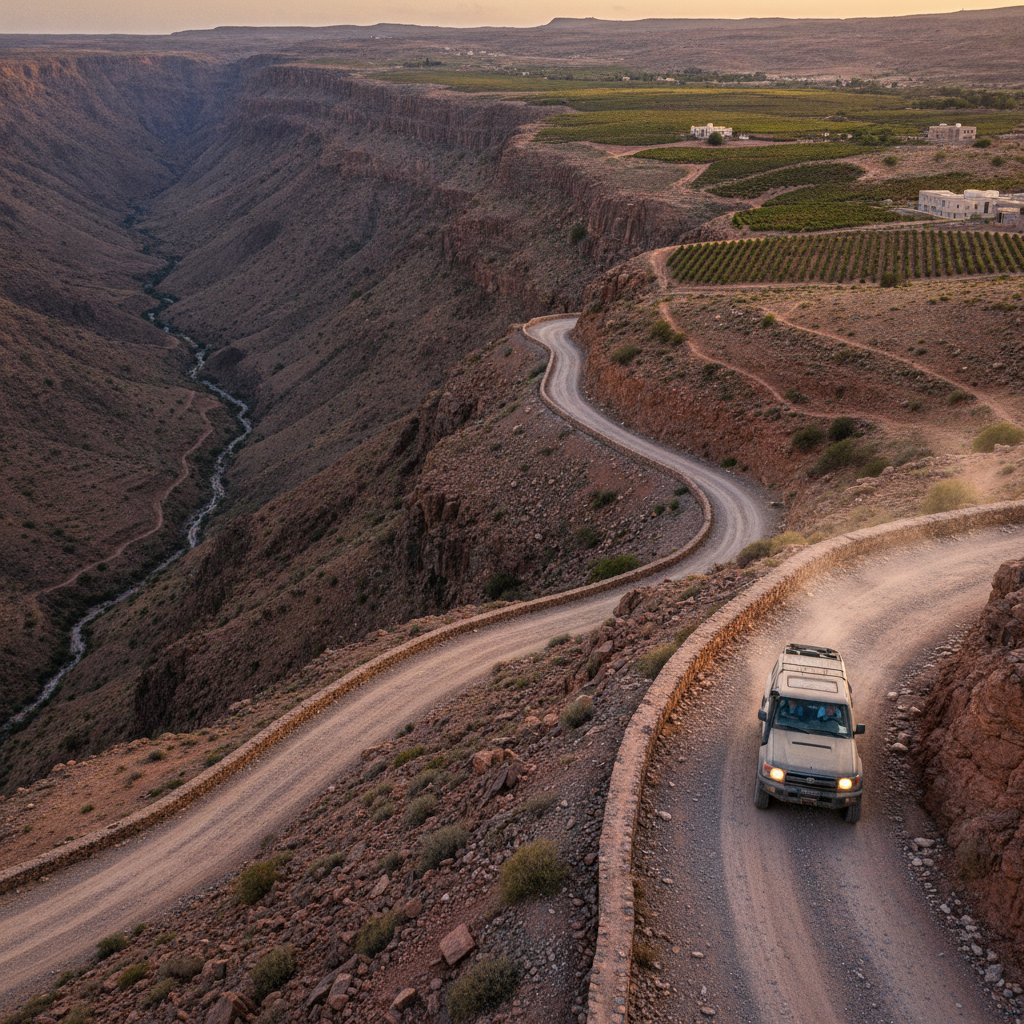
Muscat's Deep History: Portuguese Forts, the Omani Zanzibar Empire & the Jebel Akhdar Mountain Drive